

In this article, we explain in simple terms: how “rocket-propelled guided bombs” differs from classic guided bombs; how widespread the threat is and what risks it poses to our cities; what engineering solutions and specific models exist as of October 2025; and what the near future of this field might look like — from new modules and engines to countermeasures.
Classic guided bombs and “rocket-propelled” bombs: what’s the difference?
Guided aerial bombs, or KABs (known by their Russian acronym), are traditionally associated with giant munitions weighing 500–3,000 kg and containing a huge explosive charge. Such aerial bombs are equipped with guidance systems (laser, television, or satellite) and are capable of striking fortified targets with high accuracy. On the front lines, the armed forces of the Russian Federation actively use these heavy bombs, supplemented with simple flight planning modules. As a result, conventional high-explosive bombs (HEBs) weighing half a ton or more, to which wings and guidance units are attached, have come to be called “classic” guided bombs. After being dropped from an aircraft, their folding wings allow them to plan for tens of kilometers, and satellite navigation guides the bomb.
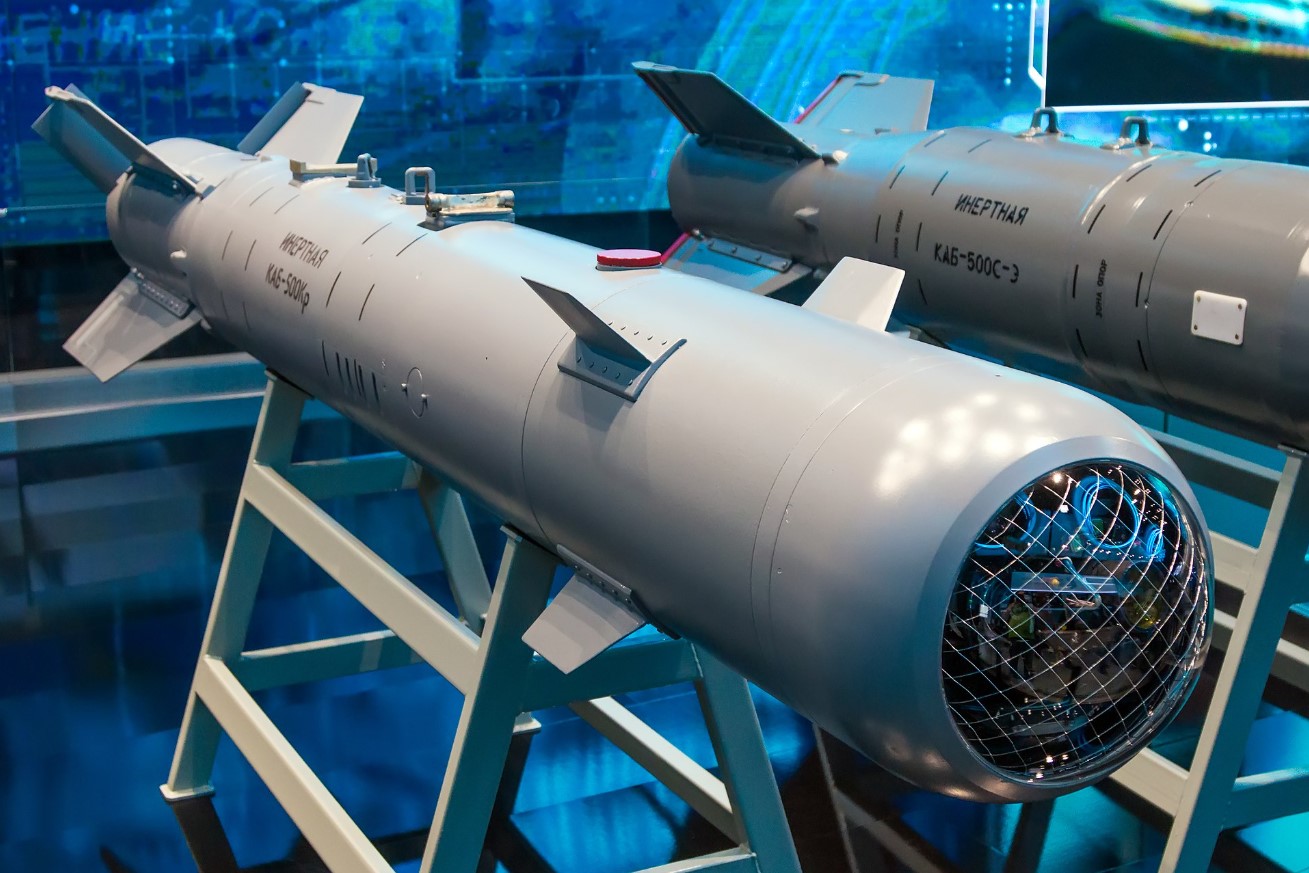
A rocket-propelled guided bomb is a completely different type of weapon. Despite its name, it is not an even more powerful bomb, but rather a relatively small gliding munition equipped with a small jet engine. Simply put, the Russians took the concept of a guided aerial bomb and added an engine to it, turning the bomb into a miniature cruise missile. Such a device can fly independently over a considerable distance (100–180 km) and maneuver, although its warhead is significantly smaller — about 100 kg of explosives. In other words, while a conventional guided bomb has a very high capacity to destroy fortified targets, a “rocket-propelled bomb” has a charge several times smaller and is more similar in power to a large-caliber shell. Its main advantage is its range: the carrier can launch the bomb far beyond the air defense zone, like a small cruise missile.
It should be emphasized that the appearance of “rocket-propelled bombs” does not mean that three-ton bombs will now be flying over cities. At the moment, their range is limited to the immediate rear, and their power is relatively small. The enemy effectively compensates for the smaller charge by increasing the number and range of such strikes. Let’s take a closer look at how these new munitions are designed and what threat they pose.
Universal planning and correction module (UMPK): when an old bomb learns to fly
The introduction of guided bombs in Russia is largely the result of engineering ingenuity and forced economy. The Russian Armed Forces have stocks of conventional aerial bombs (CAB) and several types of their own guided aerial bombs (KAB), but they have long been unable to carry out high-precision strikes at long range on a large scale. The solution was simple: universal planning and correction modules (UMPK). These are special “wings and tail” for bombs – a kit that includes folding wings, control surfaces, and a navigation unit. It can be attached to a conventional bomb, turning it into a gliding bomb. When dropped from a height, such a “cruise” bomb can fly tens of kilometers from the carrier aircraft. For example, the FAB-500 (High-Explosive Aerial Bomb) with the UMPK can travel 40–70 km depending on the drop height. The navigation system (inertial and satellite) corrects the flight and guides the bomb to the target. As a result, the accuracy of the strike increases significantly — at least to several tens of meters, and sometimes even closer. This is enough to hit a building or fortification with the enormous mass of explosives.
Retrofitting old bombs with wings has resulted in cheap and mass-produced weapons. Such glide bombs are significantly cheaper than cruise and ballistic missiles and are much more numerous. It is estimated that a single guided bomb with a UMPK can cost tens of thousands of dollars or less, while a missile can cost millions. The price of reducing the cost is the lack of its own engine (the bomb glides passively) and dependence on satellite signals. However, overall, the decision has proven itself: already in the spring of 2023, Russian aviation sharply increased the use of UMPK bombs on frontline cities and positions of the Armed Forces of Ukraine.
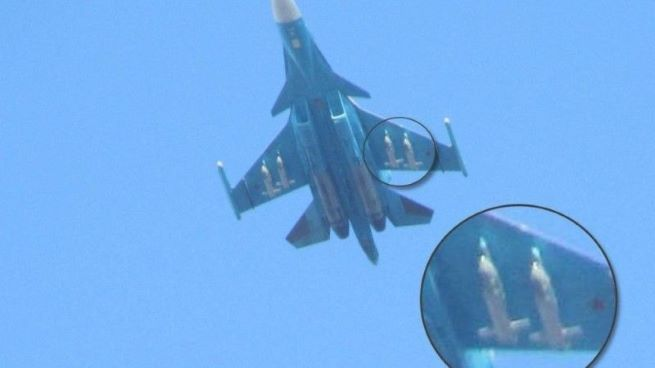
So, to manufacture a “new” KAB, it is enough to have an old bomb casing and a set of wings with electronics. The industry has established serial production of such UMPKs, using imported navigation components. Ukrainian specialists have repeatedly found Western microchips, Chinese GPS receivers, and other parts purchased abroad in bomb remnants — despite sanctions, gaps in electronics supplies still exist. With access to commercial technologies and Soviet air bomb depots at its disposal, the industry quickly built up an arsenal of cheap, high-precision munitions. In practice, this means that Ukraine’s frontline cities are now under a new threat: Su-34 aircraft can avoid entering the air defense zone and drop bombs from a distance of 50–70 km. The bombs are guided to their target in a matter of minutes and fall almost vertically from above. It is difficult to shoot down such a shell — it is small on radar, flies fast, and does not emit heat like a rocket. Therefore, the main method of countering them has become the destruction of the carriers (aircraft) or bomb depots.
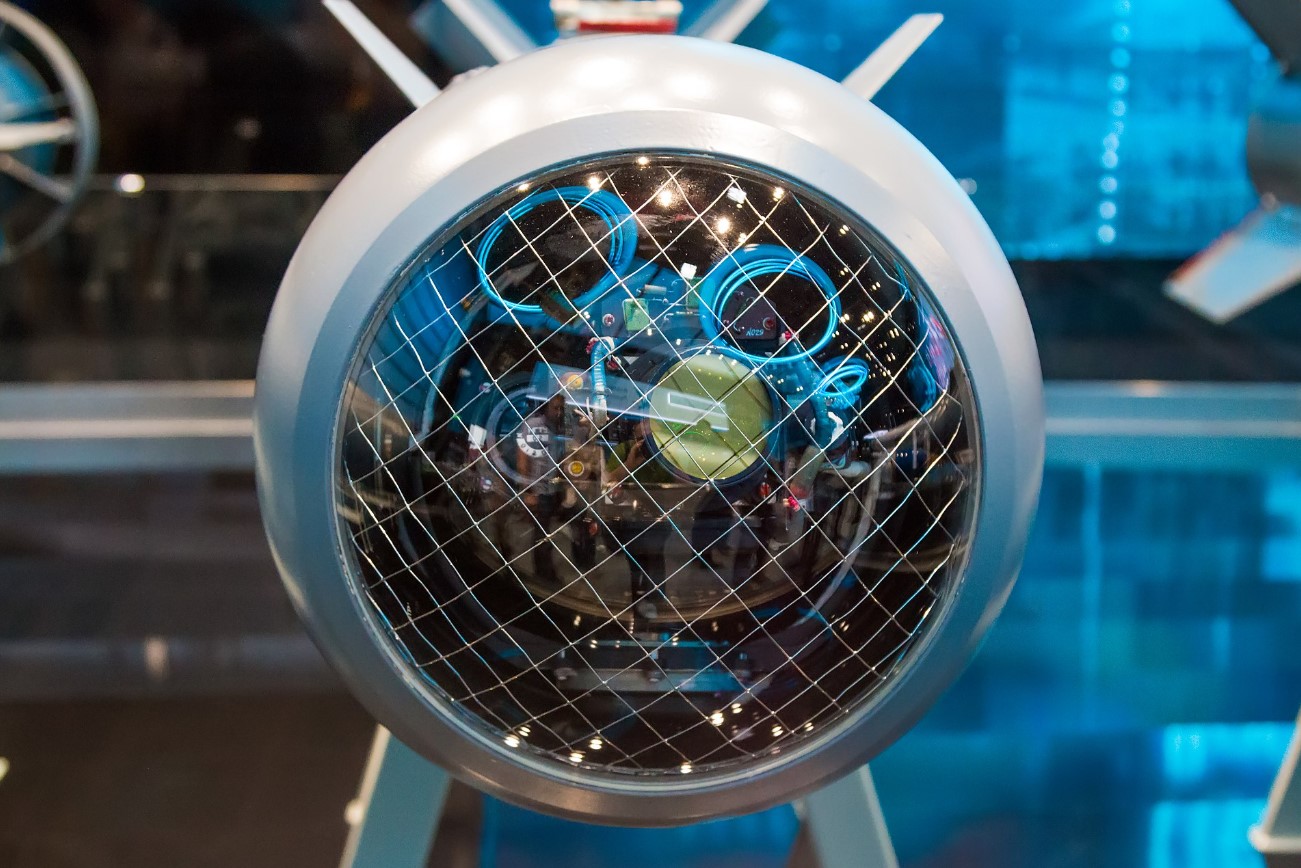
Heavy bombs with UMPK are more suitable for the front line than for deep strikes. The glide range of ~50 km is insufficient to reach, for example, Kyiv or Dnipro from enemy-controlled territory. But for Kharkiv, Sumy, or other border cities, the threat has become real. Already in the first half of 2024, Russians began dropping 500-kg KAB bombs on residential areas of Kharkiv, Sumy Oblast, and Chernihiv Oblast, causing destruction and casualties. The explosive power of 500–1,500 kg of TNT can destroy even shelters and sturdy buildings. Thus, guided aerial bombs have already become one of the most dangerous weapons in the Russian Armed Forces’ arsenal near the front line.
New models: UMPB-5R, Banderol, D-30, and others
The logical continuation of the UMPK “program” was the creation of specialized glide bombs. While the UMPK is a modernization of an old bomb, since 2024, entire families of munitions designed as guided glide bombs from the outset have appeared in the Russian Federation. One of the first was the UMPB D-30SN — “Unified Inter-Service Gliding Munition” with the index D-30. This bomb was first used in the spring of 2024 for strikes on Kharkiv. In terms of design, the D-30 is essentially a FAB-250 with wings and a satellite guidance system. Its warhead is equivalent to a 250-kilogram bomb (about 100 kg of explosives), and its flight range reaches 70–90 km, according to some sources — up to 120 km. The D-30 bomb has folding wings, a cruciform tail, and a more streamlined body than the UMPK, which reduces air resistance. It uses combined navigation: inertial and satellite (GLONASS) with a Kometa-M receiver, which is more difficult to jam with radio interference. The declared accuracy of the strike is up to 7–8 m, while the actual accuracy is estimated to be about 15 m from the target. The D-30SN is dropped in an inverted position (the bomb is suspended upside down under the aircraft) and, after separation, unfolds its wings and aligns itself for gliding. Experts have called the UMPB D-30SN cheap and dangerous bombs, as they are analogous to American small-caliber SDB (GBU-39) bombs — compact, high-precision munitions designed to strike specific targets.
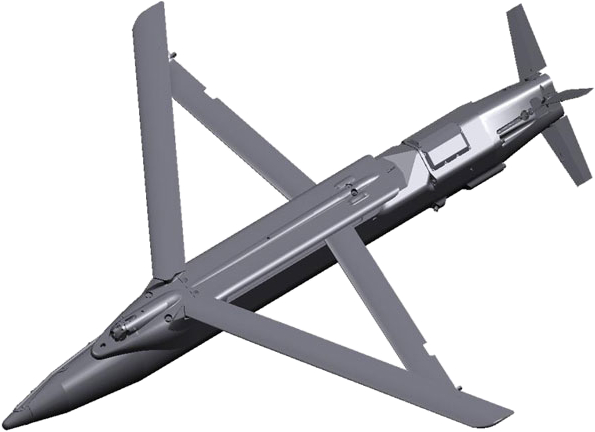
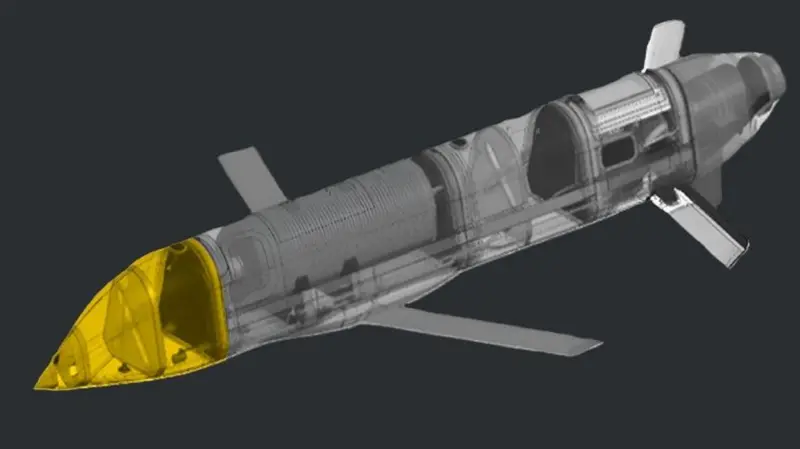
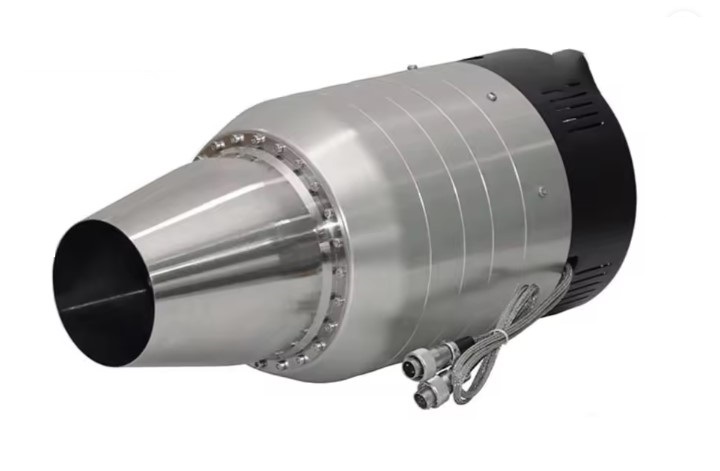
The next step in the evolution was the appearance of bombs with their own engines. In the second half of 2025, the Russians began to use the UMPB-5R, a new type of gliding bomb with a rocket booster. The number “5” may indicate a 500-pound class bomb (approximately 250 kg total weight), and the letter “P” stands for “jet,” meaning it has an engine. The UMPB-5R is equipped with folding wings and a small turbojet engine. This engine, borrowed from the world of drones, starts up after the bomb is dropped and accelerates it, extending its flight. The range of the UMPB-5R is about 130 km, and under favorable conditions, up to 150–180 km. The warhead, analogous to the FAB-250 and UMPB-5R, is designed to destroy stationary targets such as warehouses, industrial facilities, and infrastructure centers. Accuracy is ensured by the same inertial-satellite guidance system (GLONASS). The bomb flies more than 130 km and hits its target, effectively becoming a cheap alternative to a cruise missile for the enemy. The Ukrainian military called this incident a new stage of threat, although they emphasized that a 100 kg charge is not enough to destroy entire districts, unlike “frontline” targets.
In parallel with aerial bombs, Russia began testing miniature cruise missiles. A well-known example is the Banderol (S8000). This is the name given by Ukrainian intelligence to a new unmanned jet projectile. The Banderol is essentially a loitering munition (kamikaze drone) of the jet type. It has a turbojet engine and wings with a span of ~2.2 m. The rocket is ~5 m long, with a body diameter of 30 cm and a warhead weight of up to 150 kg. It is claimed that the Banderol can fly up to 500 km at a speed of ~600 km/h. It is launched from large unmanned aerial vehicles such as the Orion, and there are plans to adapt it for use with Mi-28N helicopters in the future. In terms of its characteristics, this munition is similar to a small cruise missile (for comparison, the classic Iranian Shahed-136 has ~40 kg of explosives and a range of ~200 km, while this one has 150 kg and 500 km). At the same time, the Banderol consists of half foreign components. The first confirmed strikes by the Banderol took place in April–May 2025 in southern Ukraine, and although there has not yet been any large-scale use of this weapon, the very appearance of such a cheap weapon is cause for concern. After all, per unit cost (~$20,000), the Banderol has a longer range and greater payload than the Shahed-136, making it advantageous for mass production.
So, as of October 2025, the Russian Federation is developing a whole range of long-range ammunition of the “budget” class. These include:
- Guided bombs with UMPK — 500 kg and above, range 40–70 km, are widely used on the front lines.
- UMPB D-30SN — guided bomb ~250 kg, range up to 100 km, hits targets with an accuracy of ~15 m.
- UMPB-5R — a reactive bomb weighing ~250 kg, with a range of 130+ km, essentially a mini- missile carrying 100 kg of explosives.
- Banderol (S8000) — unmanned cruise missile weighing 150 kg, range ~500 km, launched from a UAV.
- Other developments: modifications of the UMPK-PD (probably the extended-range UMPK) for heavier bombs are mentioned, as well as new versions of mini-missiles.
How it works: engineering solutions and global analogues
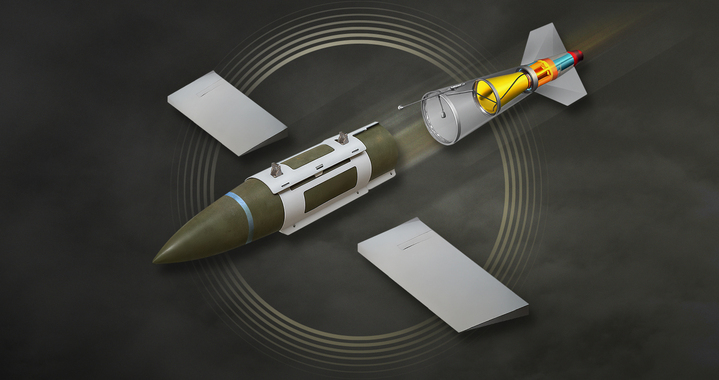
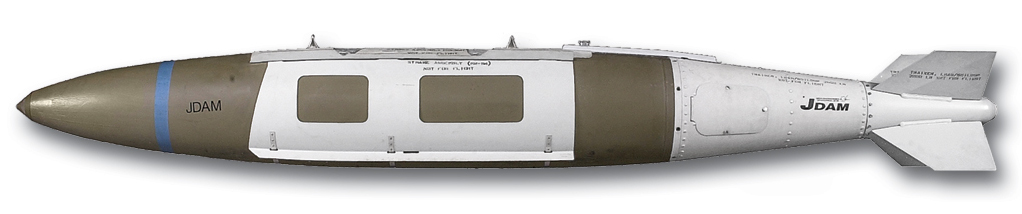
From a technical point of view, Russian innovations are not unexpected — rather, they are a belated copying of global trends. Since the second half of the 20th century, the armies of leading countries have been experimenting with glide bombs. For example, during World War II, the United States had the VB-1 Azon radio-controlled glide bomb, while the Germans had the Fritz-X remote-controlled bomb. In the modern era, American JDAM (Joint Direct Attack Munition) kits have become classics of the genre: they are installed on conventional aerial bombs, adding GPS guidance and sometimes wings (JDAM-ER version) for gliding.
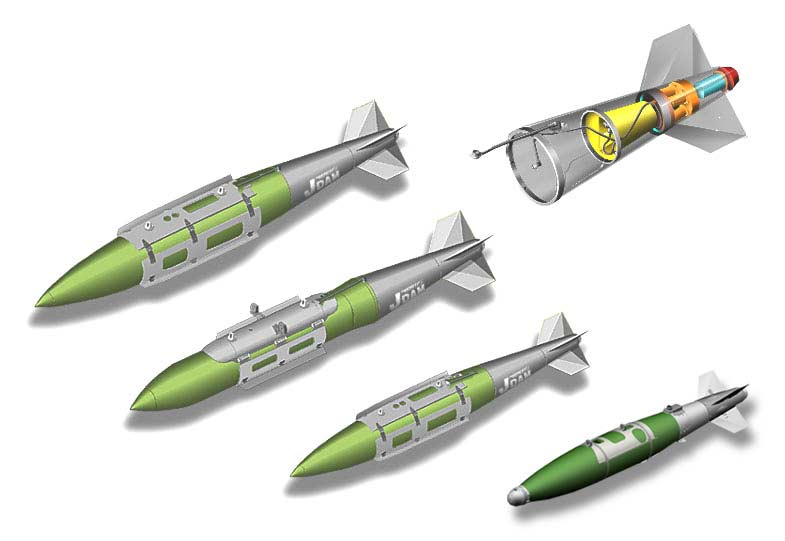
More than 20 years ago, high-precision JDAMs demonstrated their effectiveness in conflicts — and it is not surprising that others followed that path. UMPK is, in essence, an analogue of JDAM-ER, adapted for Soviet bombs. The UMPB D-30 corresponds directly to the American GBU-39/B Small Diameter Bomb in terms of size and purpose (also ~113 kg, folding wings, range ~100 km). Western models even surpass Russian ones in terms of accuracy, as they can be equipped with infrared or laser homing heads. Russians, on the other hand, rely primarily on satellite navigation, which can be jammed. However, they are improving this component as well — in particular, they have introduced the Kometa-M receiver with interference protection, reducing the effectiveness of Ukrainian electronic warfare systems. This again mirrors Western experience: the US and Israel have also improved the resistance of GPS bombs to jamming.
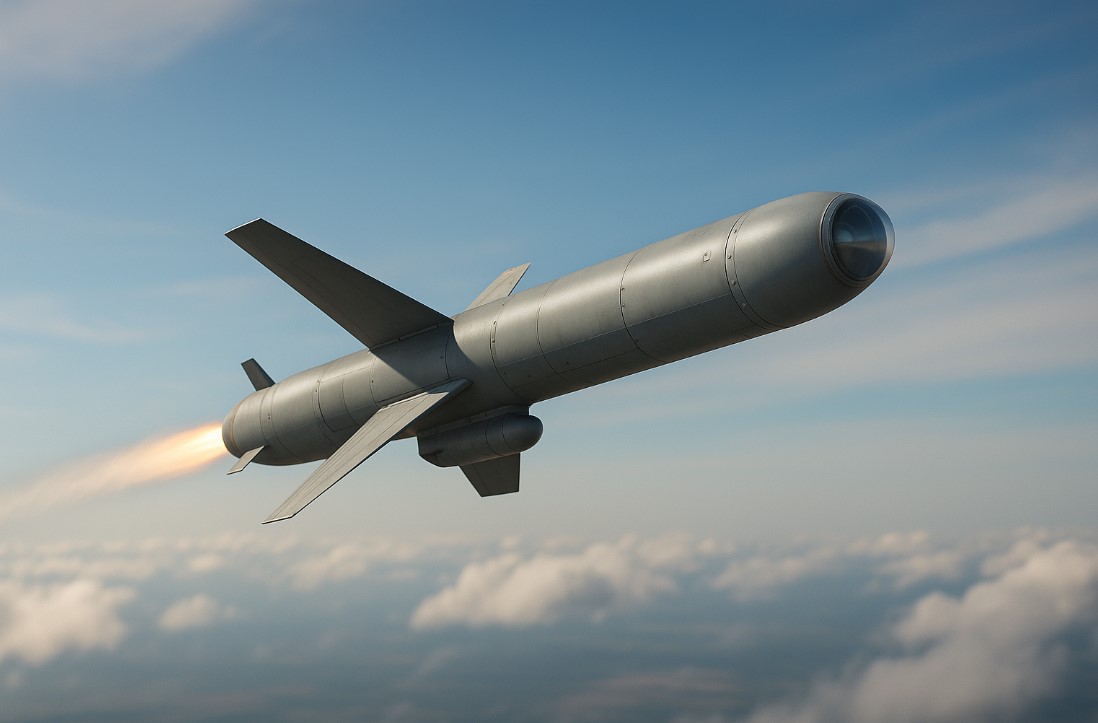
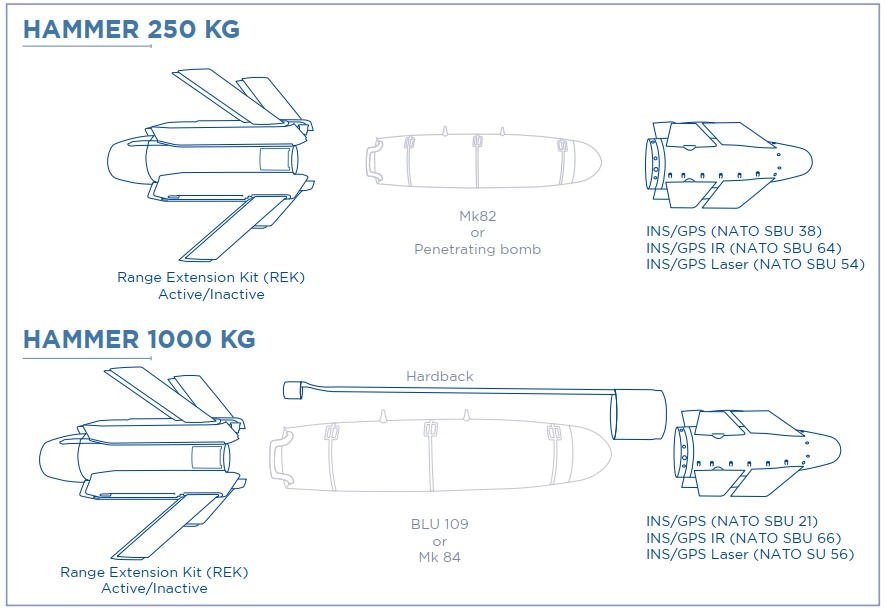
Adding a jet engine to a bomb is a step that blurs the line between an aerial bomb and a cruise missile. Examples of bombs equipped with accelerators are well known: the French AASM Hammer system uses a rocket engine to power a 250 kg bomb over a distance of 60+ km. However, the Russians took a slightly different approach: instead of a short-term rocket booster, they installed a small turbojet engine on the bomb, which operated for most of the flight. It’s more like an unmanned kamikaze aircraft than a traditional bomb. There is nothing fantastical about this solution either: compact jet engines capable of providing the necessary thrust have long been available on the UAV market. They simply integrated such an engine into the bomb casing, supplying it with fuel from the tank, and got a primitive cruise missile. “Primitive” because it has neither a powerful warhead, nor supersonic speed, nor perfect homing. However, a jet bomb is dozens of times cheaper than a cruise missile. Even if such ammunition is less reliable or accurate, it is economically advantageous to mass-produce and launch them in series, hoping that at least some of them will hit their target.
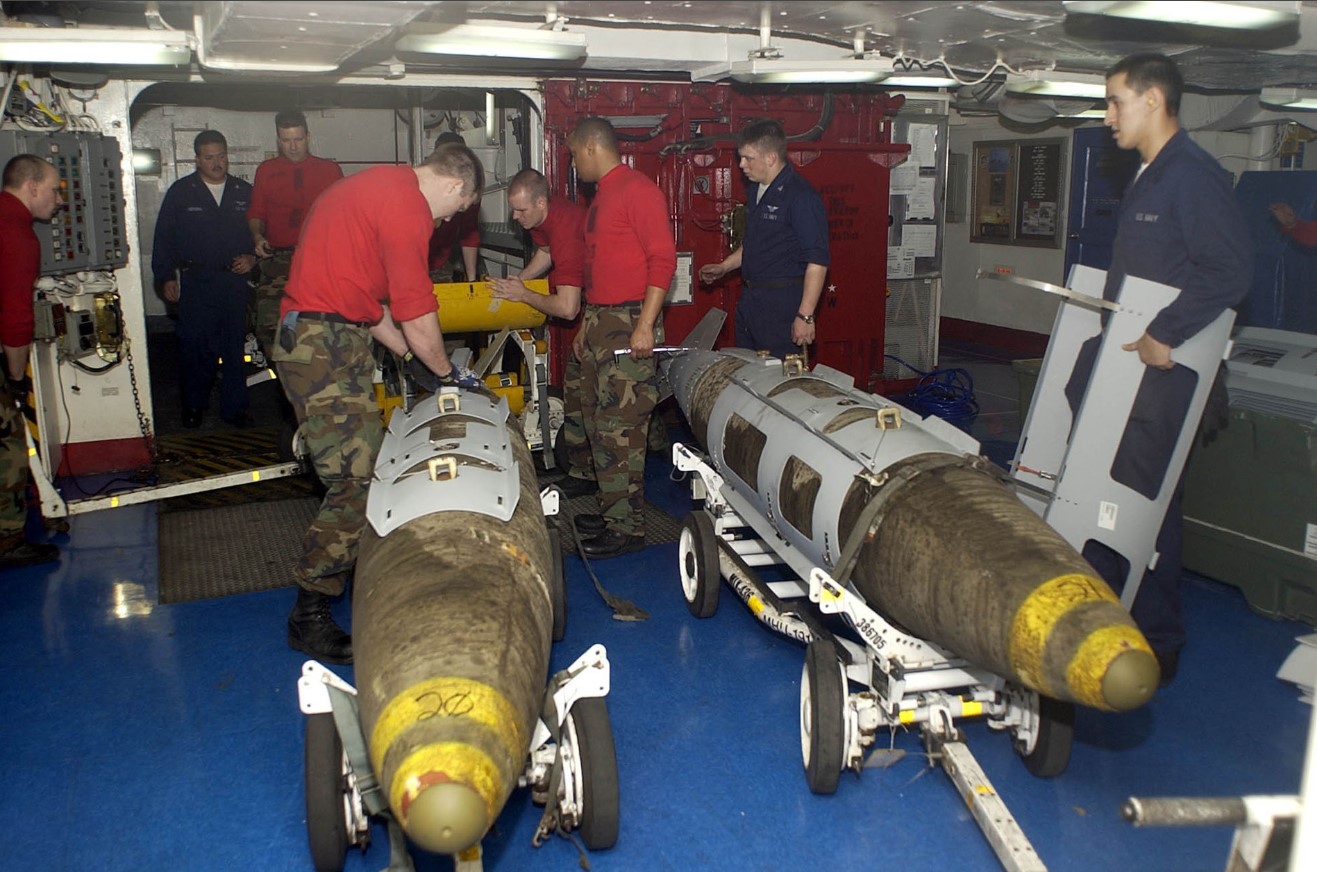
Thus, the design solutions for jet-powered KABs are a combination of well-known technologies: an aircraft bomb casing (containing 50–100 kg of explosives), folding wings and flight controls, a satellite guidance system, and a small jet engine for range. Almost all of these components are available on the civilian market or were already in the possession of the Russian Armed Forces. The novelty was only in combining them and adapting them to existing carriers (aircraft and drones). The result is a whole family of bombs and mini-missiles that can attack targets behind enemy lines without wasting expensive Kalibr or Iskander missiles.
What are the prospects and how can we defend ourselves?
The ingenuity of the enemy raises the question: what next? It is clear that this area of weaponry will continue to develop in the near future. We can expect an increase in the range and variety of guided bombs. For example, the aforementioned UMPK-PD projects are designed to equip large aerial bombs with an additional engine so that they can fly 150–200 km. Theoretically, by modifying a 1,500-kilogram FAB into a guided bomb with a booster, the enemy will obtain a “super bomb” capable of striking heavily fortified targets far behind the front lines. There are also rumors about 3-ton aerial bombs that the Russians allegedly plan to use — probably, they mean the converted FAB-3000. Tests of unmanned carrier drones are also continuing: the incident involving the shooting down of a Russian Okhotnik (Hunter) heavy drone in 2024 showed that it was carrying a guided bomb (probably a D-30). This means that in the future, Russian strike UAVs will be able to quietly creep up on targets and drop bombs on them — a new challenge for air defense.
For Ukraine, the emergence of jet-powered KABs is an alarming sign, but not a catastrophe. So far, their use has been limited to the immediate rear. The capital and major cities in the interior of the country are beyond the reach of such bombs, as even the latest UMPB-5R cannot fly further than 180 km. However, frontline regional centers (Kharkiv, Mykolaiv, Chernihiv) and southern port cities (Odesa) may already be vulnerable to attacks from these inexpensive missiles. We are effectively dealing with a new phase of drone and missile warfare: the enemy can combine various tools—from shaheeds to rocket bombs — to overload our air defense systems.
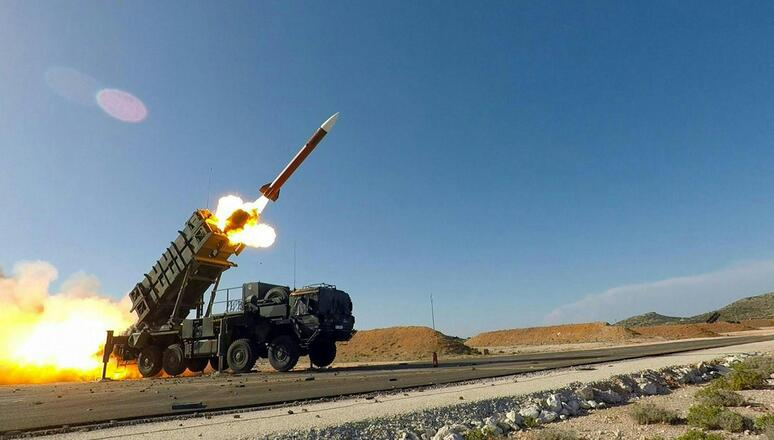
Ukrainian defense tactics are also changing. The most effective way to counter guided bombs is to act preemptively — to destroy the carriers, which are essentially unrecoverable. To do this, our Air Force needs modern multi-role fighters (such as F-16s) capable of patrolling the airspace and deflecting or shooting down Russian bombers before they drop their bombs. It is also necessary to strengthen medium-range air defense systems capable of intercepting low-flying, low-visibility targets. While the latest radars are already learning to detect the characteristic trajectories of gliding bombs, anti-aircraft missiles such as NASAMS or Patriot are learning to shoot them down in the air. However, given the low cost of such threats, it is very difficult to completely “close the sky” to them. Therefore, the emphasis is on destroying the enemy’s logistics and production. The fewer such munitions reach the front, the safer our cities will be.
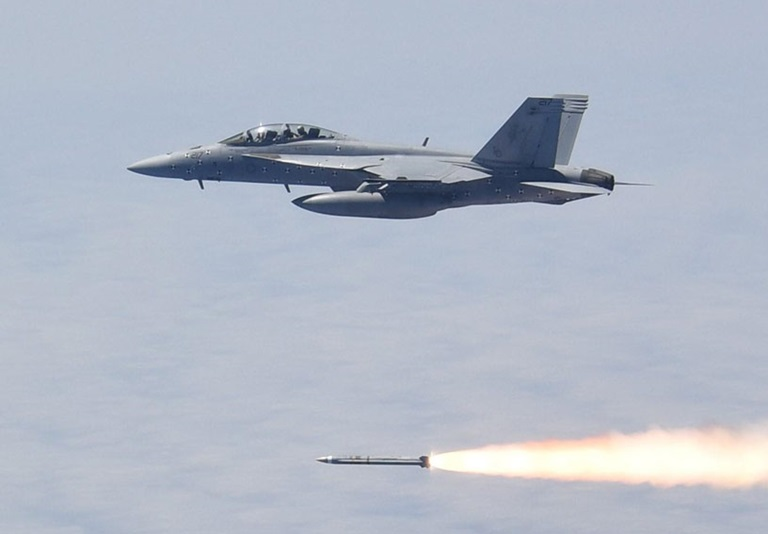
The long-range guided munitions Grom-E1 and UMPB-5R, often referred to in the media as long-range precision-guided munitions, are essentially small cruise bombs/missiles with wings and satellite guidance. In recent weeks, Ukrainian air defense forces have been regularly intercepting them.
As a result, the jet-powered KAB turned out to be not a “super bomb” but rather a “super drone” — cheap and mass-produced. This is a formidable evolution of the conventional aerial bomb, but still not an analogue of strategic missiles. Understanding the nature of this threat helps to counter it without unnecessary panic. Ukrainians should know that the enemy is looking for ways to strike from behind with minimal losses, but our forces are not standing still either. New types of weapons always cause fear, but ultimately, there is a countermeasure for each of them. Keep calm and trust our defenders — no Banderole or UMPB will break our spirit.

