

An international team of astronomers, using NASA’s Chandra X-ray Observatory, conducted a study of the extremely rare star Wd1-9. The results, published on July 23, may finally reveal its nature.
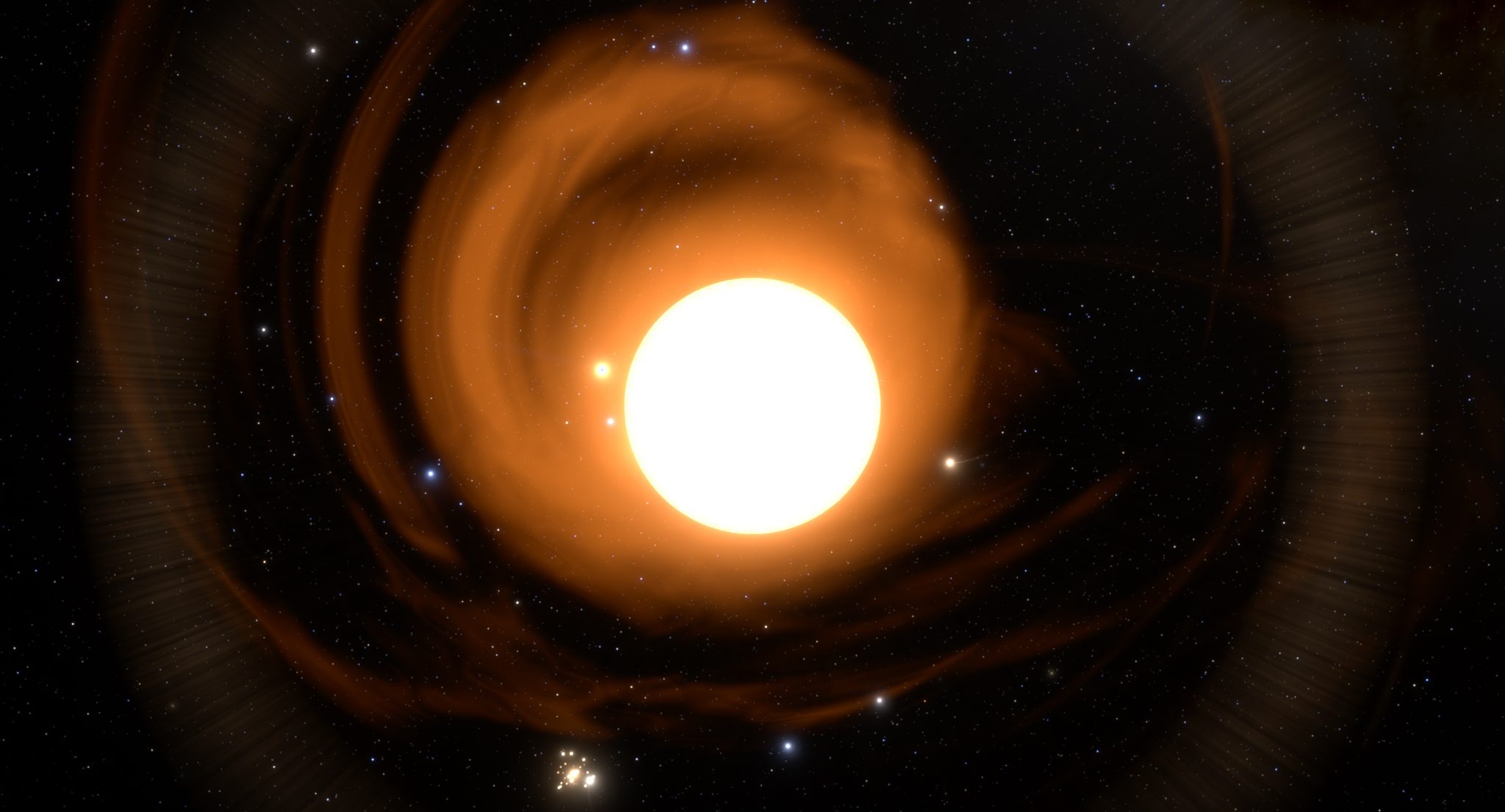
What is the mystery of Wd1-9?
Supergiant B[e] stars (sgB[e]) are truly unique cosmic objects. Only about a dozen such objects are known in our Milky Way galaxy. They are striking due to their powerful radiation, evidence of a dense dust environment. But their exact evolutionary status remained a subject of heated scientific debate.
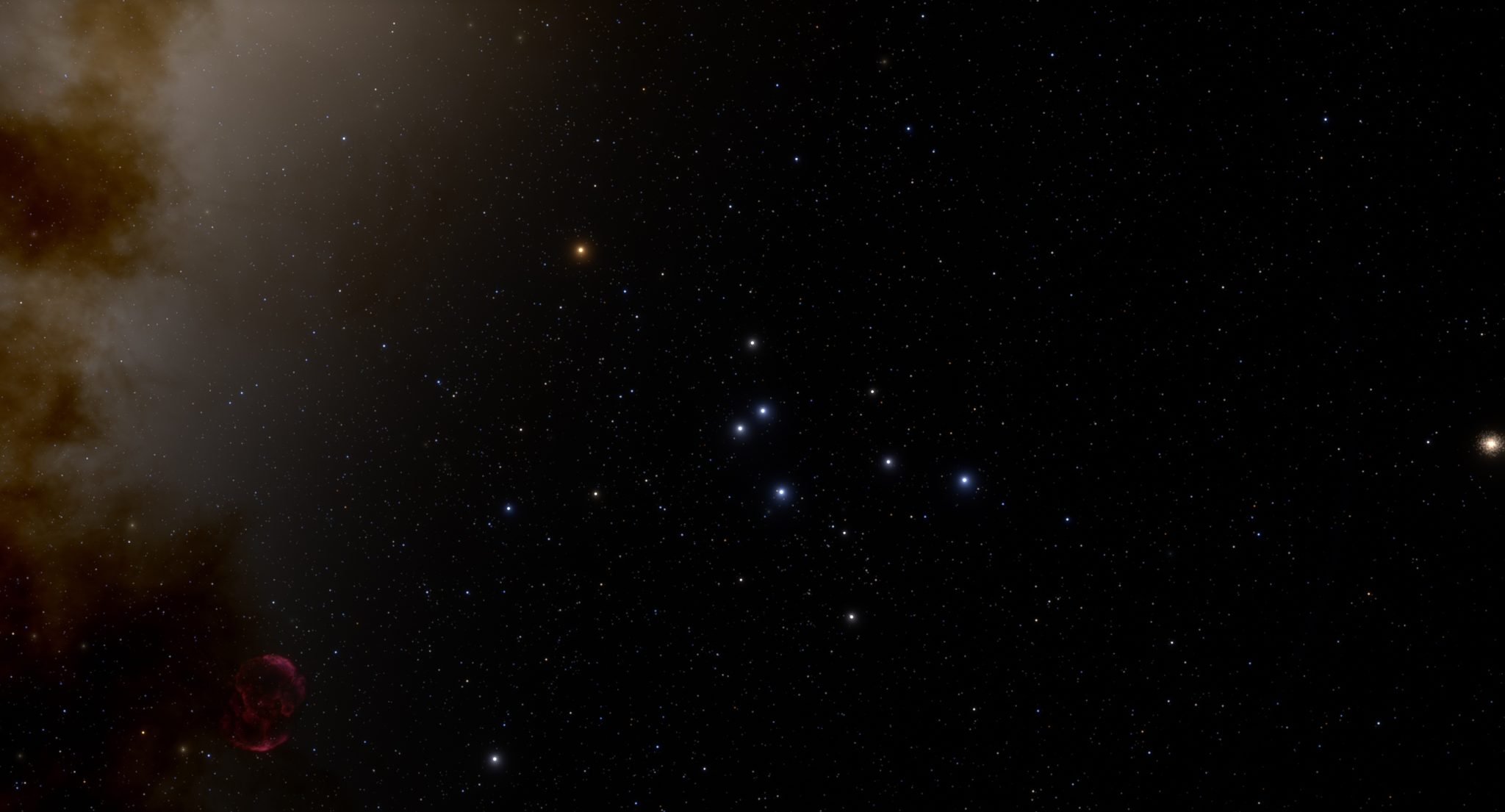
Wd1-9, located in the famous massive star cluster Westerlund 1 (13,800 light-years away), was one of the most mysterious. Even despite numerous observations, its true nature — a cold hypergiant, variable star, or binary system — was hidden by a dust cocoon.
Chandra’s View
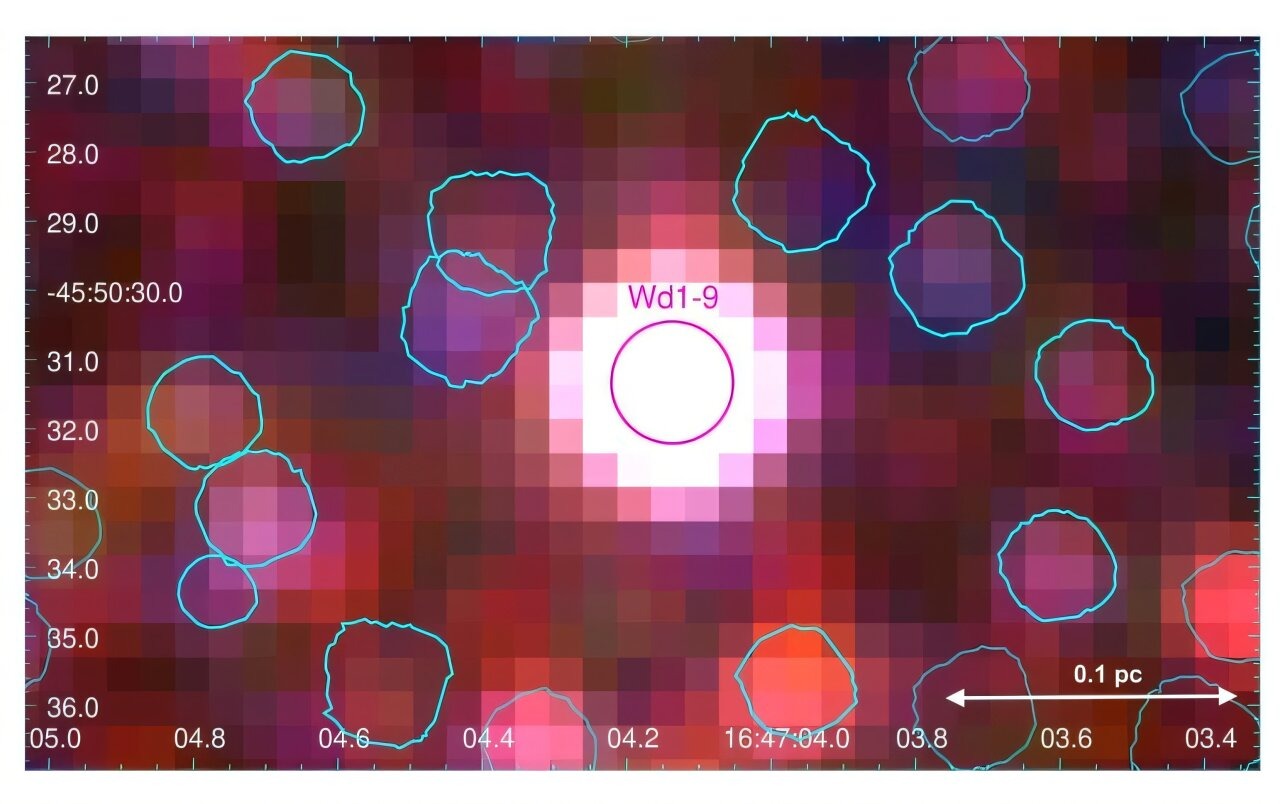
Led by Konstantina Anastasopoulou (Harvard-Smithsonian Center for Astrophysics), scientists turned to the Chandra X-ray Observatory, which is capable of seeing through opaque cocoons. “We wanted to reveal the true nature and evolutionary state of Wd1-9,” the researchers explain. This is the most detailed X-ray study of a star to date.
Evidence of the binarity of the system
The analysis of the data revealed some sensational results. First, there was a strong long-term variability in the star’s X-ray emission. The main thing is that within this variability, the team detected a clear 14-day periodic signal. This is the first determination of any period for Wd1-9, and astronomers interpreted it as orbital — a key feature of a binary system.
The X-ray spectrum of Wd1-9 proved to be extremely energetic and contained bright emission lines from heavy elements, in particular the first-ever detection of an iron line. These signs, according to scientists, are indisputable proof of binarity. The spectrum turned out to be very similar to the spectra of known Wolf-Rayet (WR) binary stars in the same Westerlund 1 group. Additional fluctuations in thermal temperature also indicate the complex dynamics of the system.
By combining new data from Chandra (periodicity, spectrum) with previous evidence of intense mass loss, the authors of the study came to a convincing conclusion. Wd1-9 is probably a binary star system. It consists of a very hot, massive star that actively ejects matter (the donor) and a companion — a less luminous star of spectral class OB. This discovery significantly advances our understanding of the evolution of extremely rare B[e] supergiants.
Earlier, we reported on how the Chandra telescope revealed the secret of a dead star.
According to phys.org

