

Archaeology has long outgrown the boundaries of our planet. Throughout the space age, humanity has launched numerous rockets, satellites, and spacecraft. And some of them have long since become priceless artifacts of great interest to both scientists and private collectors, who are willing to pay a substantial amount for the opportunity to acquire them. Let’s discuss what space archaeology is, its origins, and the most interesting objects that can be discovered in the vastness of the Solar System.
The birth of space archaeology
If the UN decides to celebrate a day as a space archaeologist’s holiday, it will likely choose November 20. It was on this day in 1969 that the members of the Apollo 12 expedition visited the Surveyor 3 spacecraft. Because of this, they are often called the first space archaeologists in history.
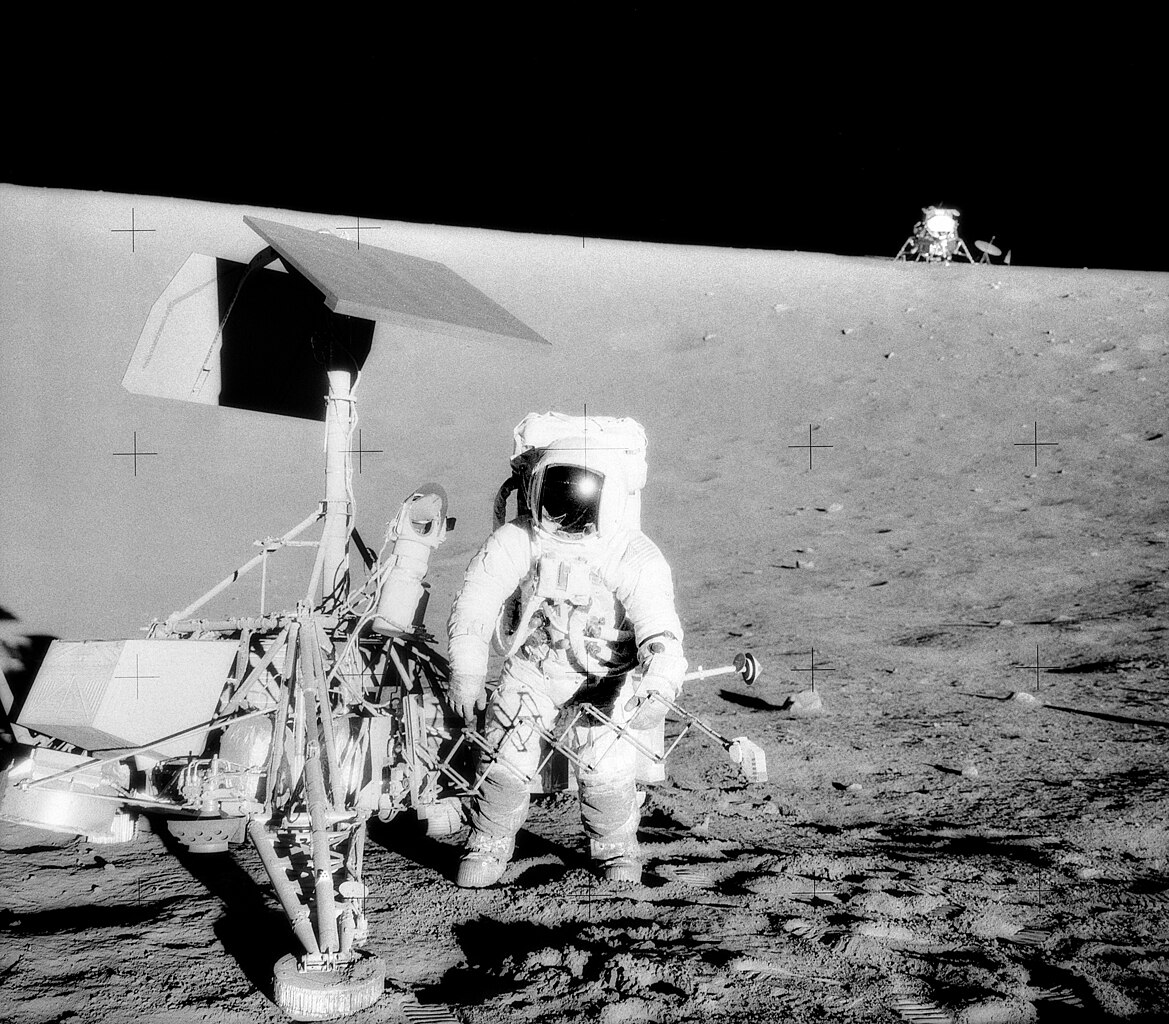
This visit was not a happy accident. The landing site of Apollo 12 was deliberately chosen so that the astronauts could reach one of the automatic vehicles that had landed on the Moon in previous years. This allowed them to kill two birds with one stone. On the one hand, it was a way to demonstrate the possibility of an accurate landing in a given area of our natural satellite. On the other hand, scientists were interested in how a long stay on the lunar surface affected the Earth’s technology. As a result, Surveyor 3, which landed on the Moon in April 1967, was chosen as the expedition’s target.
During their second lunar landing, astronauts Charles Conrad and Alan Bean reached the Surveyor 3 probe, which was almost 200 meters away from the Intrepid lander. They photographed and inspected the device, and then dismantled some of its parts, including the camera. The latter is now on display at the National Air and Space Museum in Washington, DC.
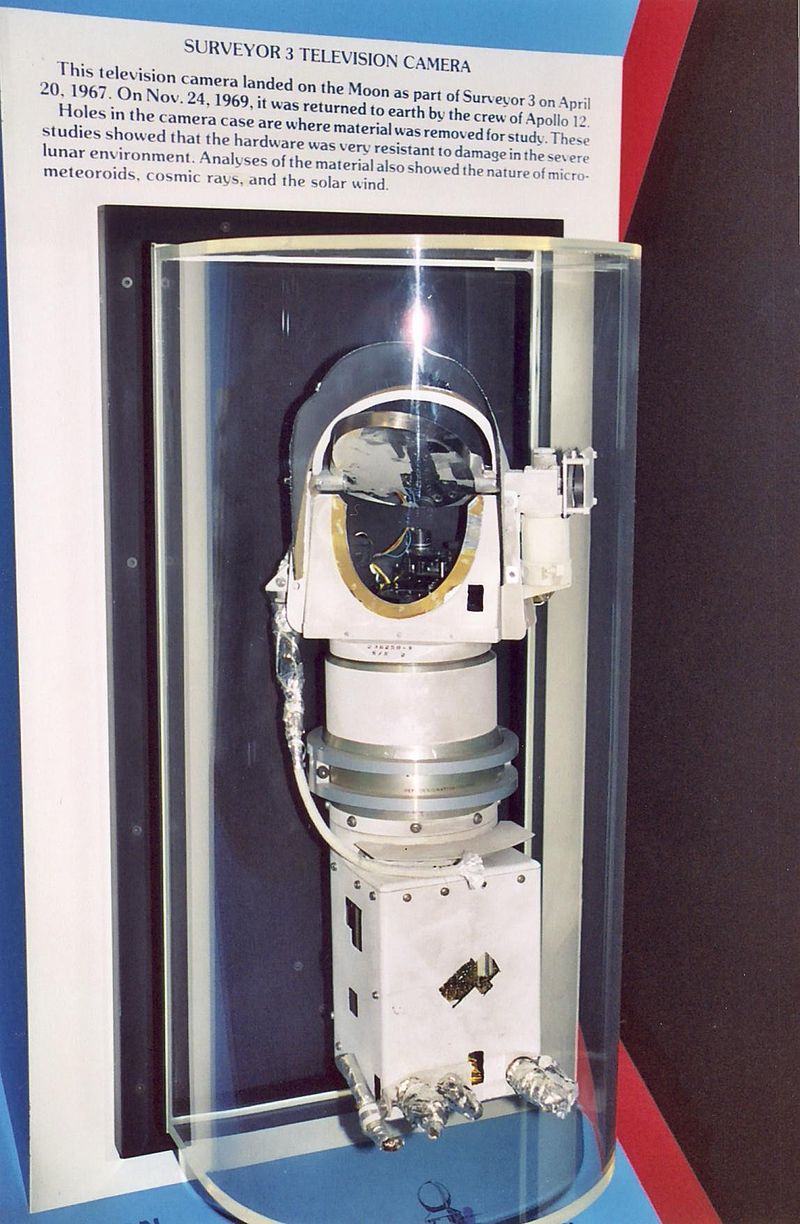
After the probe’s components were returned to Earth, a surprising discovery was made, the interpretation of which is still a subject of hot debate. The fact is that when scientists placed some of the camera’s parts in a nutrient medium, they produced “sprouts” in the form of streptococcus bacteria. This meant that the bacterial spores survived for almost three years in an airless space, high levels of radiation, and temperature fluctuations of 300°C, and still retained their viability. Not surprisingly, Surveyor 3 quickly became one of the most significant arguments in favor of the reality of the panspermia hypothesis.
In fairness, we note that this interpretation was accepted. According to an alternative point of view, the bacteria were introduced into the chamber after it returned to Earth as a result of a violation of quarantine procedures. It is currently unknown which of the two explanations is correct. Perhaps it will be possible to determine this when components of other lunar vehicles are delivered to Earth for study. But something else is important: Surveyor 3 highlighted serious shortcomings in the space quarantine system that existed at the time. Shortly afterwards, NASA significantly strengthened both the sterilization procedure for spacecraft and the methodology for handling samples delivered from space.
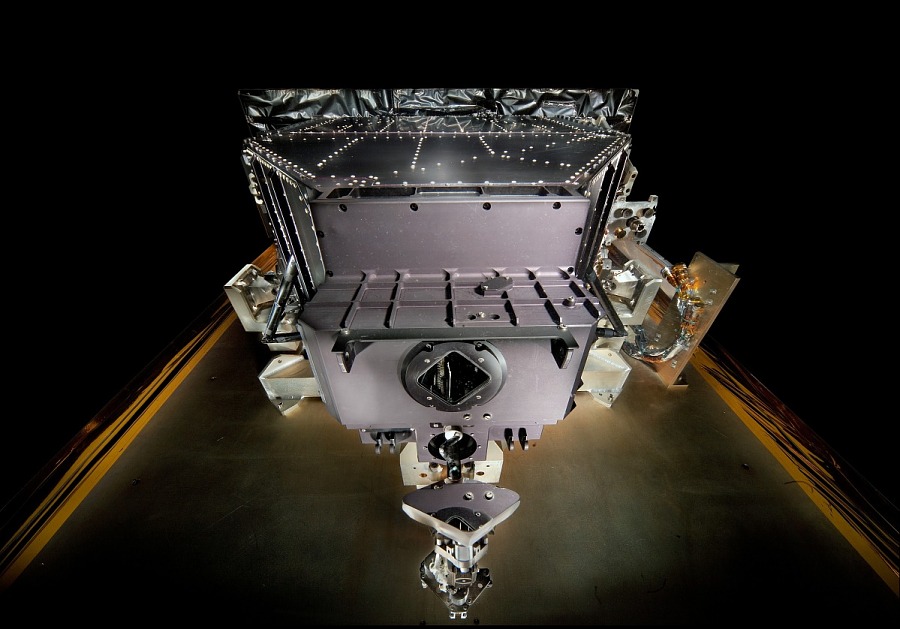
So far, Surveyor 3 remains the only spacecraft visited by humans on the surface of another celestial body. But there is another object in space that, although not an orbital station, has been visited by astronauts several times. We are talking about the Hubble telescope. During service missions, shuttle crews have repeatedly replaced their scientific instruments and solar panels. The equipment removed from the telescope was returned to Earth, where it was studied by engineers and later transferred to various museums. For example, the WFPC2 camera, which Hubble was once equipped with, now adorns the Smithsonian Air and Space Museum’s exposition.
The investigation is conducted by LRO and MRO
In addition to the scientific and applied aspect related to the study of the impact of space on Earth’s technology and materials, space archaeology has a certain detective component. Not all interplanetary missions were successful – a huge number of vehicles and satellites were lost. In some cases, the reasons for what happened are well known, while in others they remain a mystery. And space archaeology offers a chance to find out what exactly went wrong.
Of course, the ideal option would be for experts to visit the crash sites of spacecraft directly, which would allow for a detailed inspection and determine the cause of the failure. But this is currently a matter of the distant future. However, space detectives have tools at their disposal that allow them to solve some of the “most high-profile cases” of the past years. First of all, these are the LRO and MRO satellites. Over the years, they have compiled high-resolution maps of the lunar and Martian surfaces. Among other things, their cameras have captured the landing sites (both successful and not so successful) of Earth’s messengers.
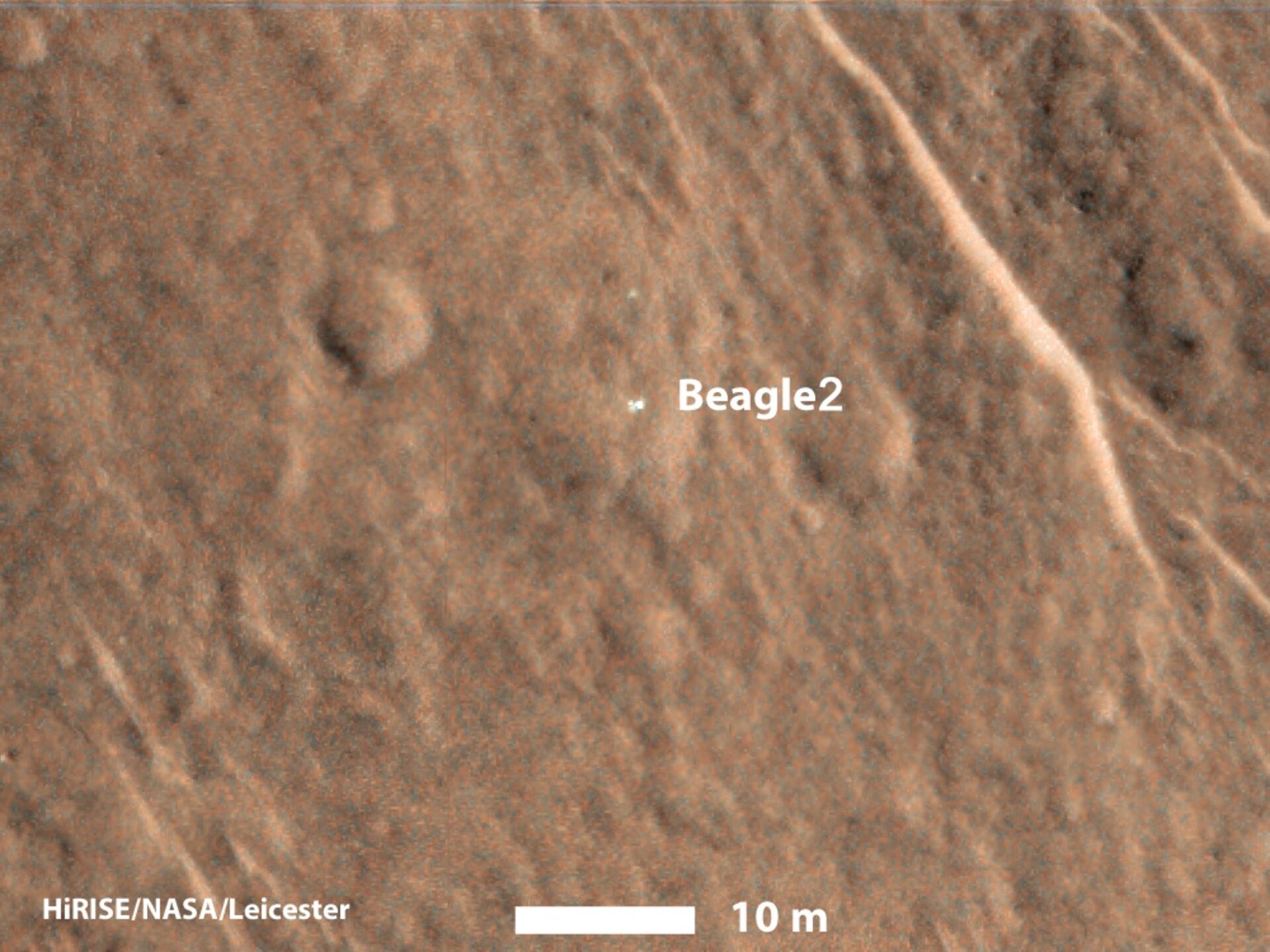
For example, it was the MRO that helped solve the mystery of the disappearance of the European Beagle 2 spacecraft that crashed to Mars in 2003. The descent took place as planned, but the spacecraft never got in touch after landing. For many years, its fate remained a mystery to ESA. Suddenly, in 2015, it was finally found in the images of the orbiter. Further analysis of the photos showed that one of Beagle 2’s shock absorption bags had not fully deflated. This prevented the opening of the spacecraft’s solar panels, which, accordingly, did not allow its antenna to turn. The mystery was solved.
The MRO was also able to locate Mars 3. The Soviet spacecraft landed on the Red Planet in 1971, but failed just two minutes after landing, without transmitting a single image. Of course, the photos from orbit did not help to establish the cause of the failure, but now we at least know where to look for it. Subsequent missions may reveal the mystery of Mars 3’s demise, which still haunts many researchers.
As for the LRO, it has also significantly enriched the knowledge of space archaeologists by photographing the landing sites of almost all lunar missions, from the Apollo expeditions to the lunar rovers. He has participated in several investigations, including filming the crash sites of the Vikram, Bereshit, and Resilience probes, confirming that they did indeed crash. He also photographed a crater on the back of the Moon that was left after an unknown rocket stage fell in March 2022. It is still unclear who exactly it belonged to.
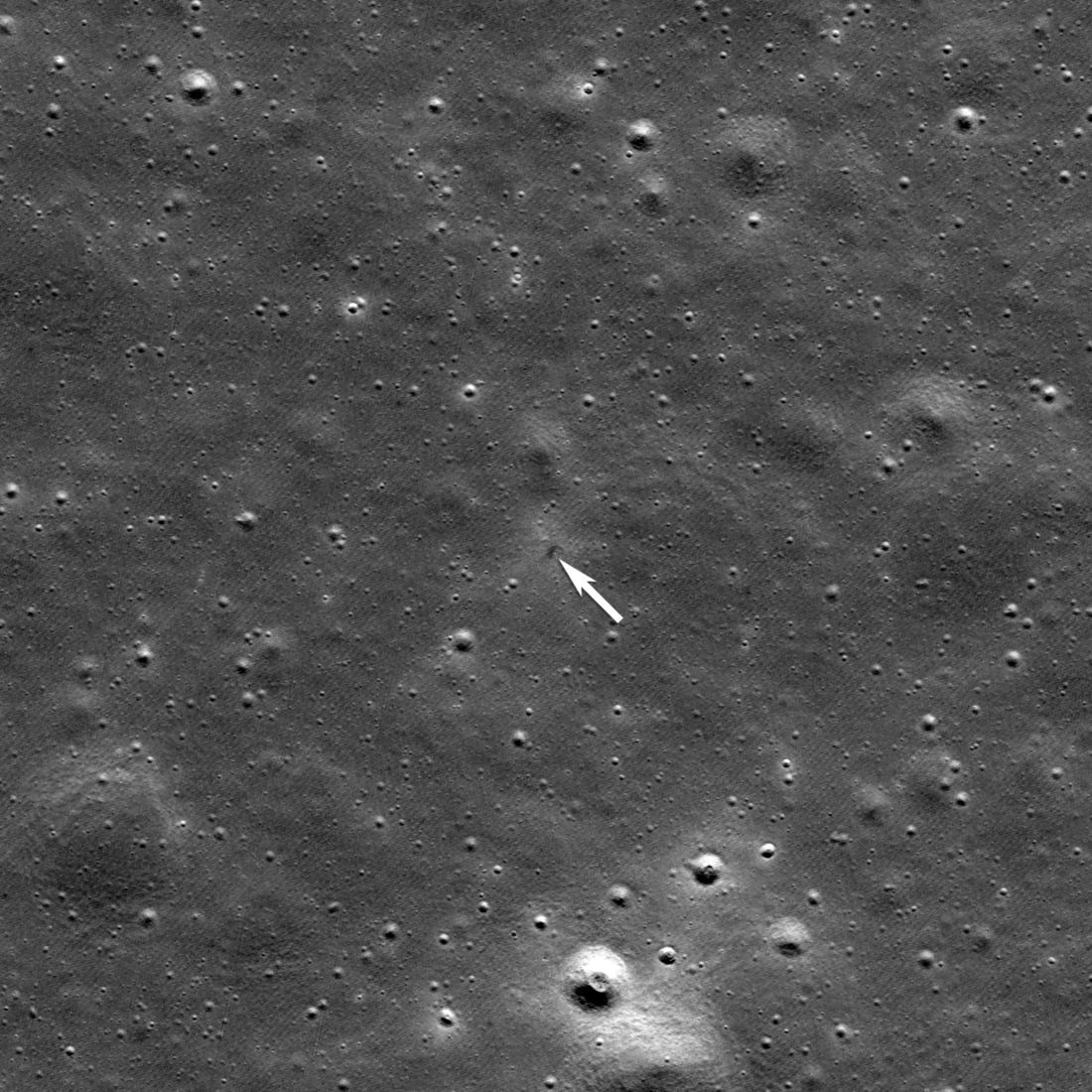
However, the detective component of space archaeologists’ work is not limited to the Moon and Mars. Another important area is to determine the nature of several near-Earth objects with unusual characteristics that make one suspect their artificial origin.
A classic example of such an object is J002E3. It was discovered in 2002 and initially classified as a near-Earth asteroid. However, astronomers were confused by its strange orbit. Further investigation revealed that the last time this body was in the vicinity of the Earth was in the early 1970s. And the spectrum of its surface showed the presence of titanium oxide, which is part of the paint. It is now believed that J002E3 is the third stage of the Saturn V rocket that sent the aforementioned Apollo 12 expedition to the Moon.
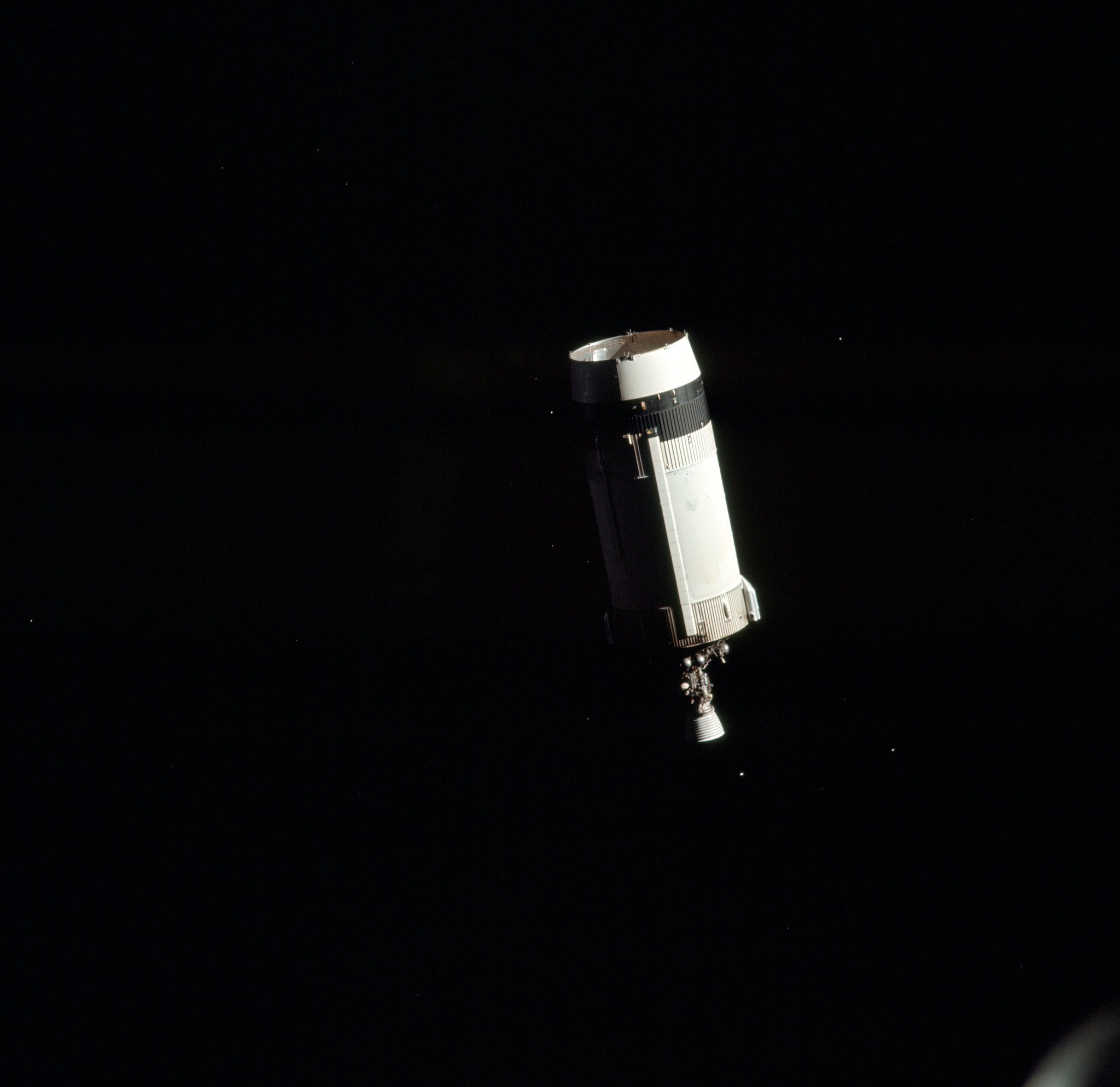
At the same time, not all such bodies can be reliably identified. An example is the object 6Q0B44E in a distant geocentric orbit. It is also believed to be a spent rocket stage, most likely associated with one of the old lunar missions. But so far, no one knows which one.
The most valuable artifacts of the Solar System
And now let’s move a little bit into the future, when people will begin gradual exploration of the Moon, Mars, and other celestial bodies. This will inevitably lead to visits to the landing sites of the most historically significant space missions, which raises concerns about their safety for the sake of future generations.
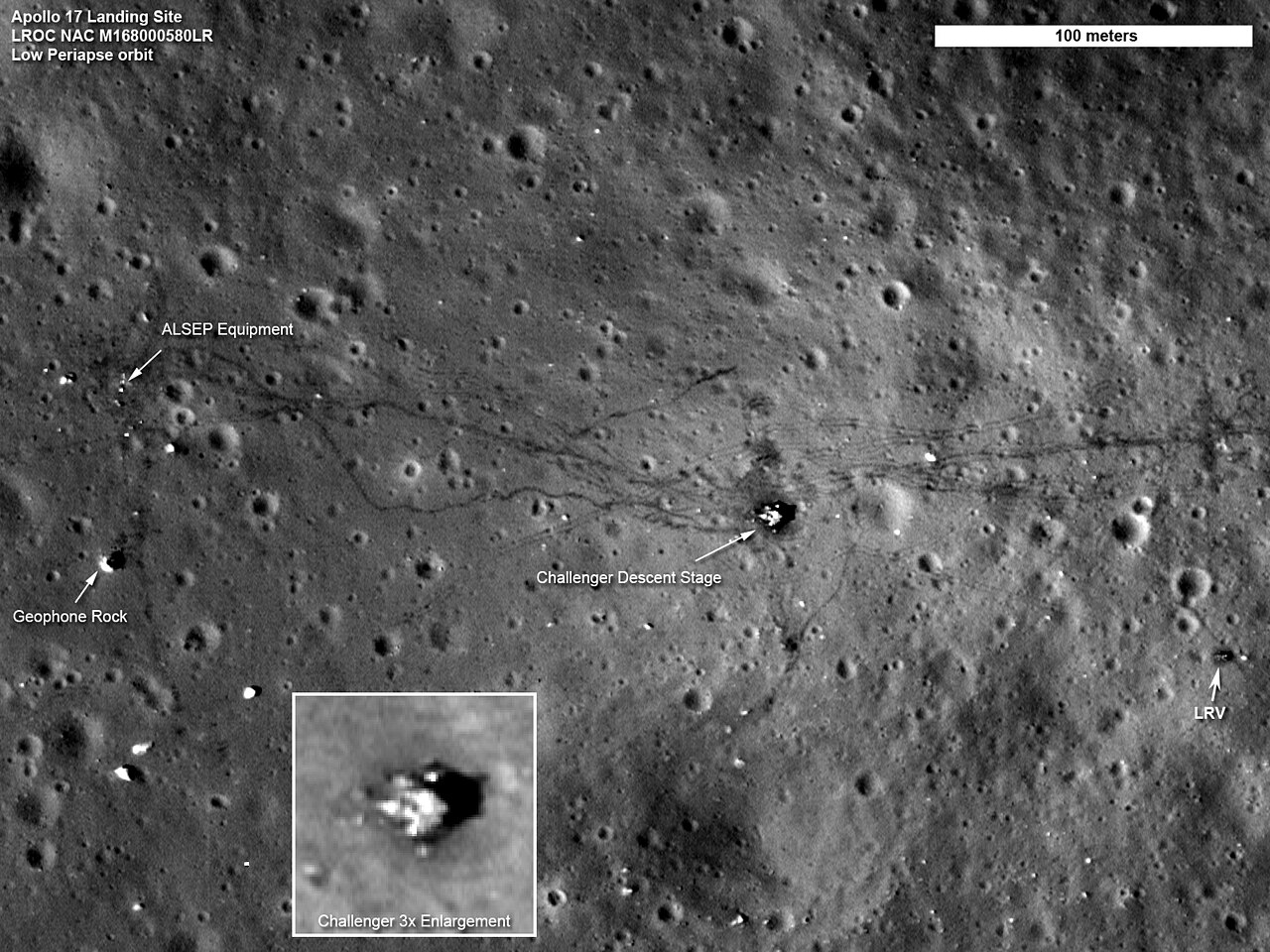
NASA takes this aspect more than seriously. Back in 2011, the US Aerospace Administration stated that the landing sites of the Apollo expeditions (especially Apollo 11 and Apollo 17) have great cultural and historical value and should be protected. It recommended the introduction of a 75-meter protection zone around the Apollo 11 lunar module and a 225-meter zone around Apollo 17. These zones would be accessible only with a permit. For the rest of the lunar expeditions, the precautions are much less strict and limited to a radius of several meters. Interestingly, NASA does not focus on the American space heritage and plans to protect the landing sites of other countries’ vehicles. In particular, the organization recommended establishing similar protective zones around Soviet lunar landers.
In 2021, the U.S. Congress turned the recommendations into law, prohibiting any unauthorized actions with U.S. equipment on the Moon. However, in fairness, it should be noted that from a legal point of view, all objects in space are already the property of the countries or companies that launched them, so any attempts to “retrieve” them will have the appropriate legal consequences. A rather unusual exception is the Lunokhod 2, which was sold at auction to Richard Herriott in 1993 (he later flew to the ISS as a space tourist).
But, as we know, not all archaeologists and collectors comply with the law. Most likely, space archaeology will not be an exception, and in the future we will see the emergence of a kind of black market for space artifacts. What will have the greatest value on it?
First of all, these are, of course, items from the Apollo landing sites. The most tasty morsels will be American flags. However, many scientists believe that over the decades on the Moon, they have almost completely “worn out” due to solar radiation and micrometeorites. However, there is one potential exception. According to Buzz Aldrin, the flag at the Apollo 11 landing site fell during the lunar module’s takeoff. Theoretically, it could have been covered with dust, which then acted as a protective cocoon. If so, the legendary Apollo flag could have survived to this day, making it a coveted possession for many collectors.
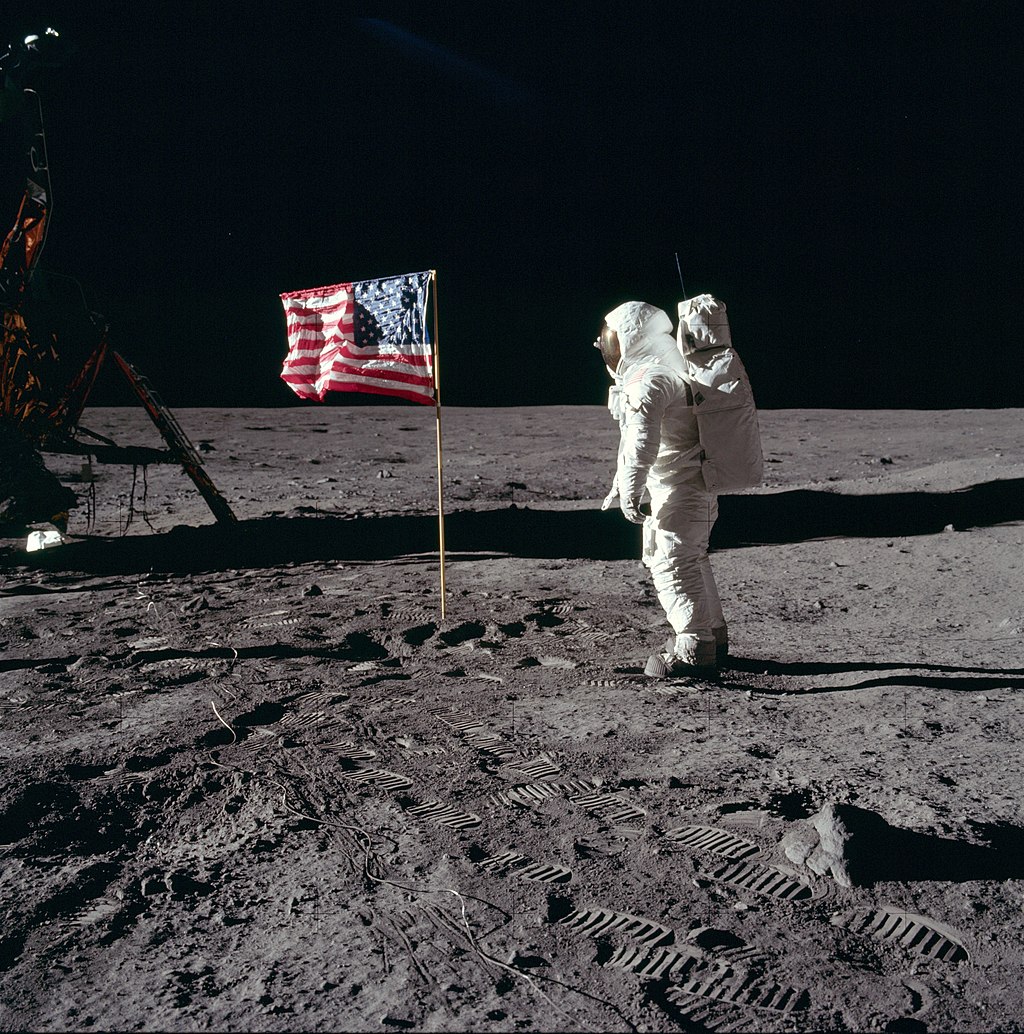
More unusual objects can also be found on the lunar surface, which, given their unique history, are also of great value. For example, a golf ball launched by Alan Shepard. Or the Hasselblad 500 camera deliberately left on the Moon by astronaut Gene Cernan – he pointed its lens into the sky, hoping that in the future researchers would study the camera and determine what effect radiation had on it.
Artifacts from other historical landing sites, such as the Luna 2 probe crash site, may be of great interest, as the Soviet vehicle contained an explosive charge that, upon contact with the surface, was supposed to scatter fragments of its pennant.
However, there is an important aspect here. The exact coordinates of the place where Luna 2 crashed are still unknown. It has yet to be found. This gives reason to believe that over time, the space archaeology market will also see its fakes, such as the wreckage of the Soviet probe, whose origin will be impossible to document.
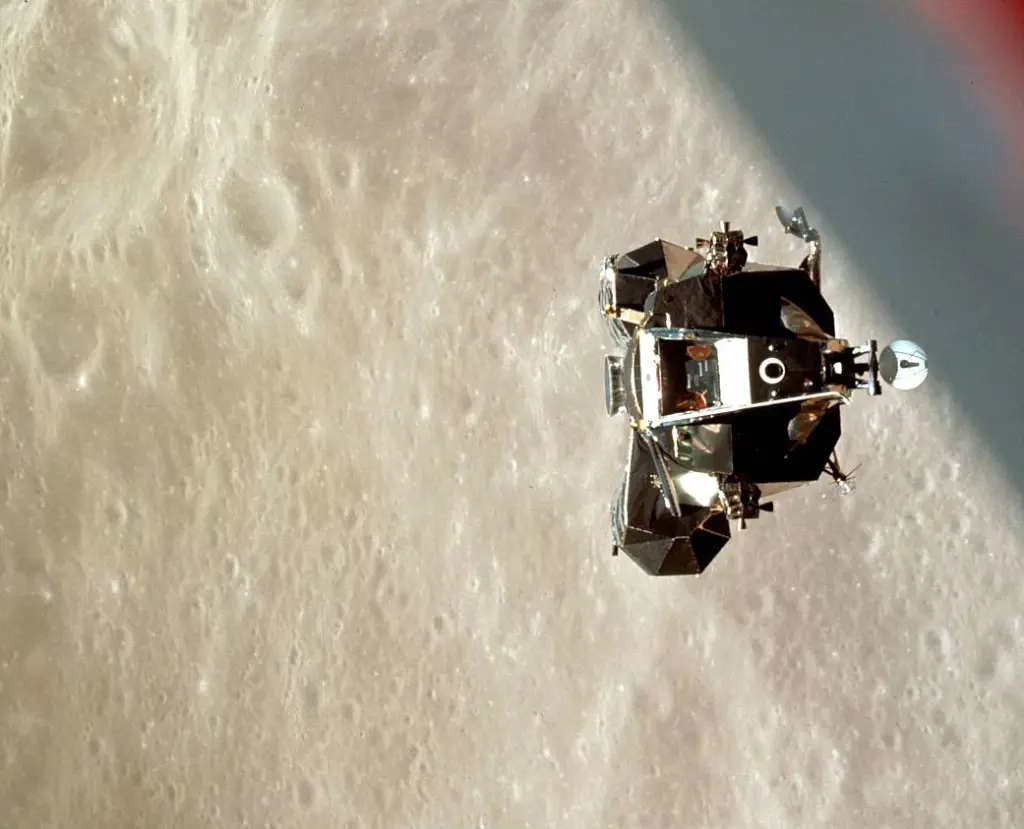
Another unique artifact of the lunar race is the Apollo 10 lunar module’s takeoff stage. It did not land on the Moon, but is in a heliocentric orbit somewhere in the Solar System. Being the only such device that has survived in its original form, this stage is of great interest to engineers and scientists. If it is ever found, a full-fledged archaeological expedition may be sent to it.
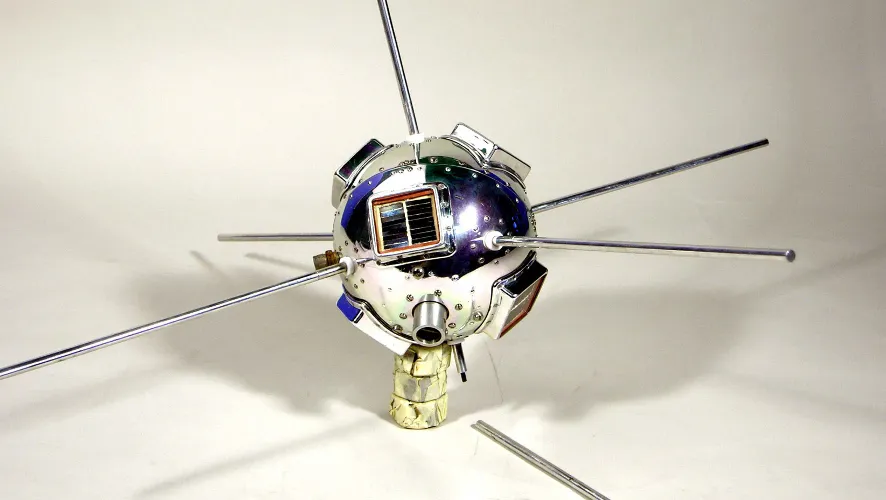
Not all objects of interest to space archaeologists are related to the Moon. They are very attracted to, for example, the Vanguard satellite launched in 1958, which is still in Earth orbit. It is the oldest man-made object in space. Any museum would probably pay good money to have it in their collection.
It is also worth mentioning that at one time, the legendary Hubble telescope was going to be removed from orbit and transferred to a museum. Unfortunately, after the shuttle service was discontinued, this became impossible, so in the future it will be de-orbited and burned in the atmosphere. But its successor, James Webb, is at the Lagrange point, where it does not face such a fate. It is possible that one day it will be returned to Earth and exhibited in a museum.
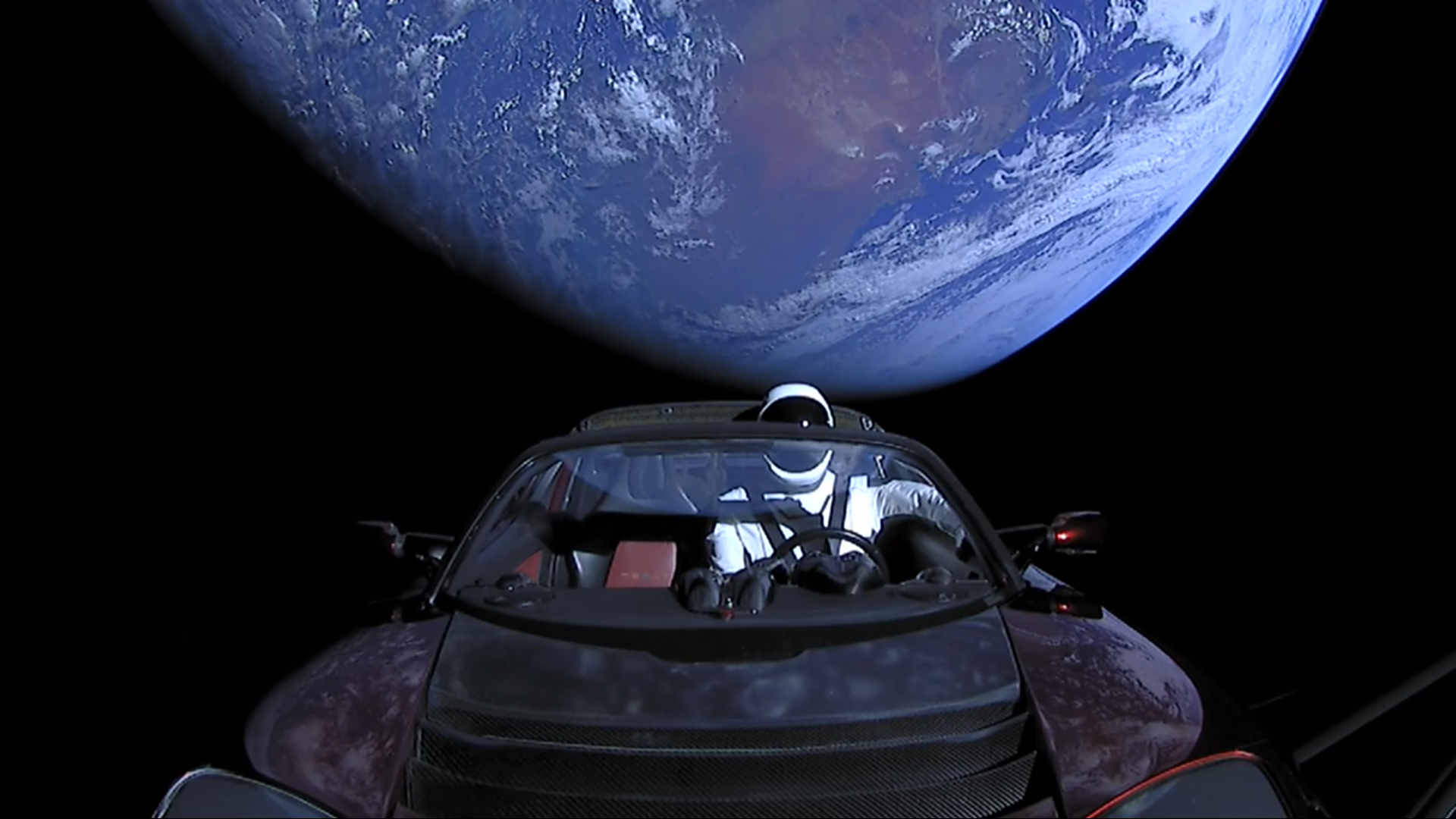
The museum will probably also have a place for Elon Musk’s Tesla electric car, which has been roaming the cosmos since 2018. Although by the time collectors (or the owner himself) get their hands on it, it will have lost its marketable condition due to collisions with micrometeorites and exposure to cosmic radiation.
Perhaps the most difficult to access, and therefore very valuable, artifacts are spacecraft that have landed on other planets. These are the Viking probes, the Mars rovers, the Huygens module on the surface of Titan, and the Soviet Venus spacecraft (or what’s left of them). But if humanity really becomes a multi-planetary species, it is likely that sooner or later they will also attract the attention of space archaeologists and take their rightful place in exhibitions dedicated to the history of Solar System exploration.
This article was published in Universe Space Tech magazine #1 (189) 2023. You can buy this issue in the electronic version in our store.

