

China has postponed the return of the Shenzhou-20 manned mission to Earth. According to news agency reports, the reason for the delay is a possible collision with space debris.
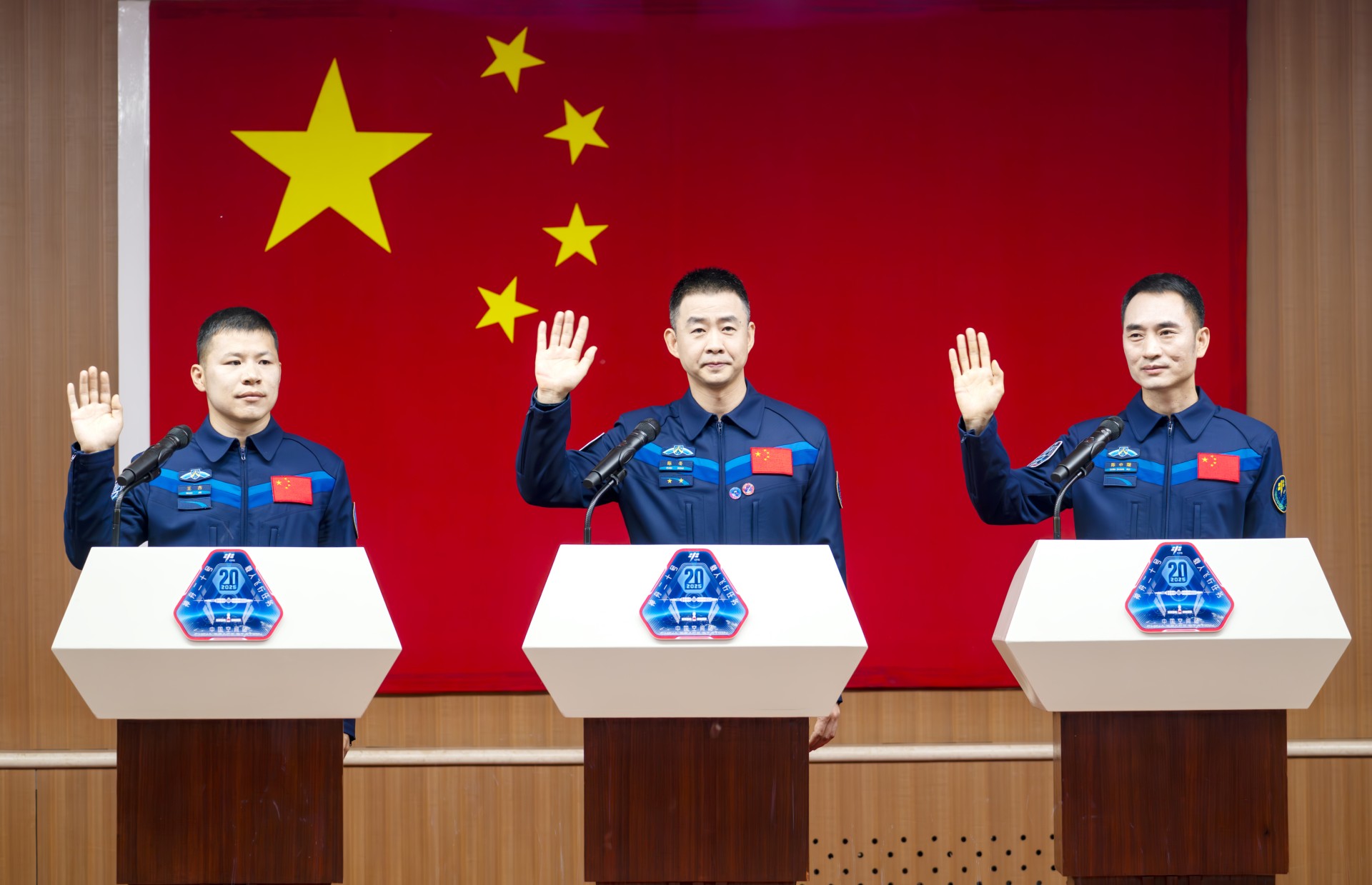
Shenzhou-20 was launched on April 24, 2025. The spacecraft delivered three taikonauts to the Tiangong space station. Their orbital mission lasted six months, during which they made four spacewalks and conducted a series of research and experiments.
After the arrival of the Shenzhou-21 replacement expedition, the Shenzhou-20 crew began preparing to return to Earth. The return was scheduled for November 5. However, the China Manned Space Agency (CMSA) postponed it. The reason was a possible collision with a small piece of space debris.
According to an official statement, the consequences of the impact are currently being analysed and the risks assessed. However, the CMSA has not disclosed any details of the incident, such as where exactly the fragment hit and when the impact occurred. No date has been given for when the taikonauts will be able to return to Earth.
The Tiangong station is designed to accommodate three people permanently and can support a crew of six during shift changes. If the collision really happened and Shenzhou-20 is deemed unsafe, this could become a serious logistical problem. In this case, everything will depend on how long the Tiangong station can support such a large crew and how quickly China can launch a new spacecraft to the station. One possible scenario is that the taikonauts will have to return to Earth on Shenzhou-21. In this case, the crew remaining on board the station will temporarily lose the ability to evacuate it in the event of a serious threat. However, given the lack of information, it is difficult to make any predictions about future events at this stage.
This is not the first case of damage to a spacecraft docked to the orbital station. In December 2022, there was a leak in the cooling system of the Russian spacecraft Soyuz MS-22. Roscosmos attributed it to a meteorite strike, although there is a high probability that it was actually caused by a collision with one of the debris fragments generated by the testing of Russian anti-satellite weapons.

