

Four ordinary laboratory mice have taken a big step for the future of all humanity, which has long dreamed of colonizing worlds beyond Earth. The rodents returned alive and well after several weeks in Earth orbit, and one of them successfully gave birth to offspring. This successful experiment opens up new horizons for studying mammalian reproduction in space.

The Shenzhou-21 mission
On October 31, four mice with serial numbers “6”, “98”, ‘154’ and “186” took off on the Shenzhou-21 spacecraft to the Chinese orbital station. For two weeks, they lived in microgravity and cosmic radiation conditions. On November 14, the crew returned to Earth, and on December 10, a sensation occurred – one of the females gave birth to nine perfectly healthy mice.
Scientific value
“The experiment shows that short-term space flight did not damage the reproductive function of mice,” notes researcher Wang Hongmei.
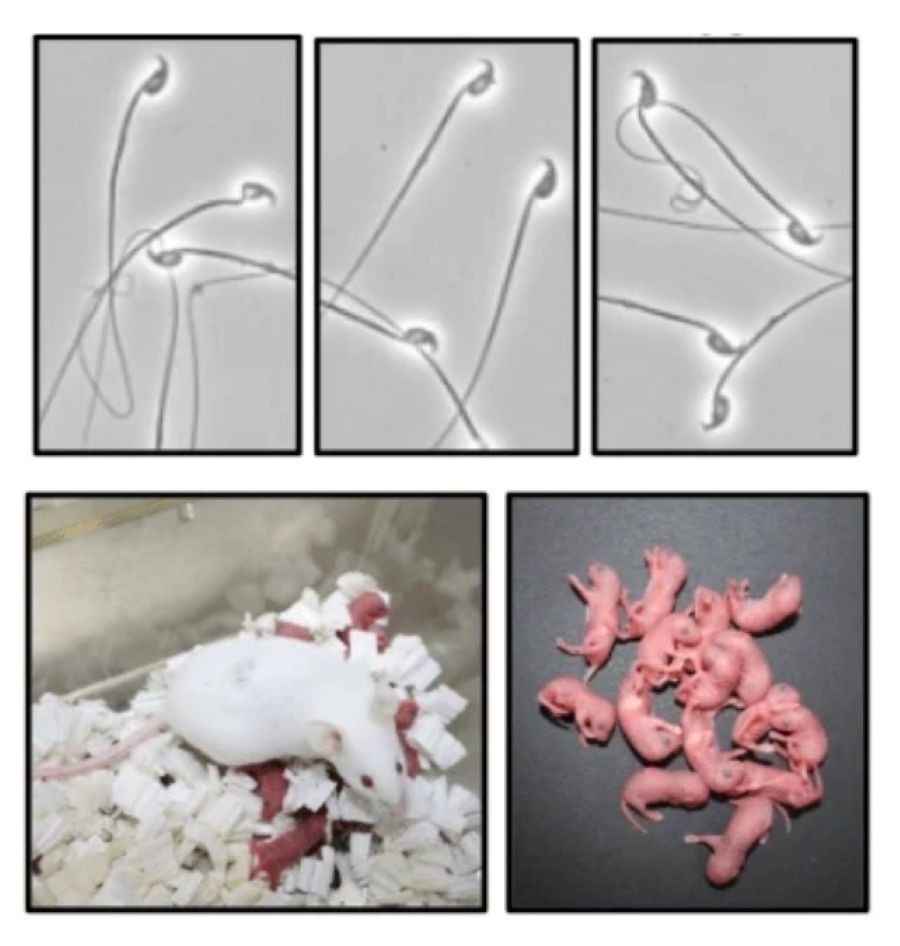
Mice are ideal biological models for humans due to their genetic similarity and rapid reproduction cycles. If space affects the fundamental processes of conception, gestation, and birth, it will first become apparent in them. Successful births after orbital flight are an encouraging sign for future missions to Mars and the Moon.
Difficulties during the experiment
However, the experiment was almost ruined due to an unexpected change in the ship’s return schedule. The mice suddenly found themselves on the verge of starvation. The ground crew quickly found a solution: they supplied water to the module through a special port and soy milk from the cosmonauts’ emergency supplies, which had been previously tested for safety, as food.
The rodents’ lives were monitored in real time by an artificial intelligence system that controlled their movements, sleep, and resource consumption.
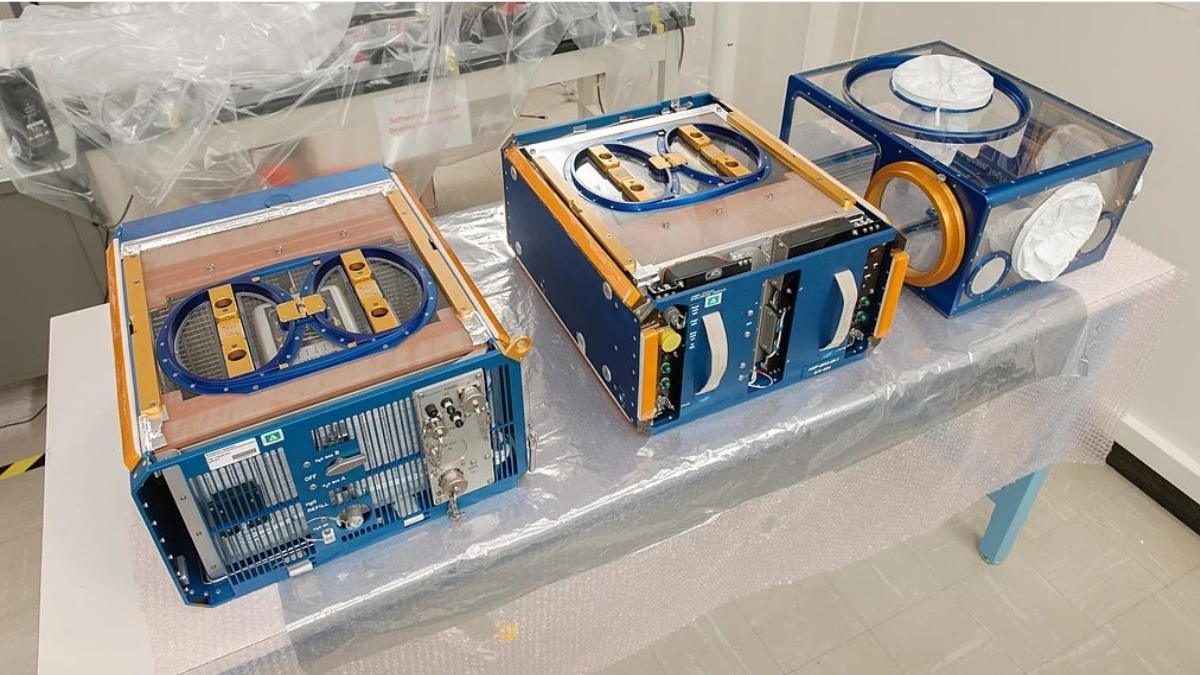
(NASA/Ames Research Center/Dominic Hart)
To minimize stress, scientists recreated familiar conditions for the mice: artificial day and night (lighting from 7:00 a.m. to 7:00 p.m.), balanced but hard food for natural tooth sharpening, and a special ventilation system for cleanliness. This allowed for “clean” experimental results.
Observing generations
The next stage involves close observation of the mice. Researchers will analyze their development, physiology, and, later, their ability to reproduce. The main question is: can the effects of space exposure on the mother manifest themselves not immediately, but in subsequent generations?
One successful mouse mother does not provide definitive answers to all the challenges of space reproduction. But it is a key, promising start on the path to permanent human life beyond Earth.
We previously reported on how barbecues are cooked in orbit.
Provided by: Universe Today

