

Science has discovered a new paradox. Our quest to uncover the secrets of the Universe through space missions may inadvertently destroy them. A new study published in the Journal of Geophysical Research: Planets warns that exhaust from landing craft can quickly contaminate even the most remote corners of the Moon. This threatens unique “time capsules” — regions where the keys to understanding the origin of life on Earth may be stored for billions of years.
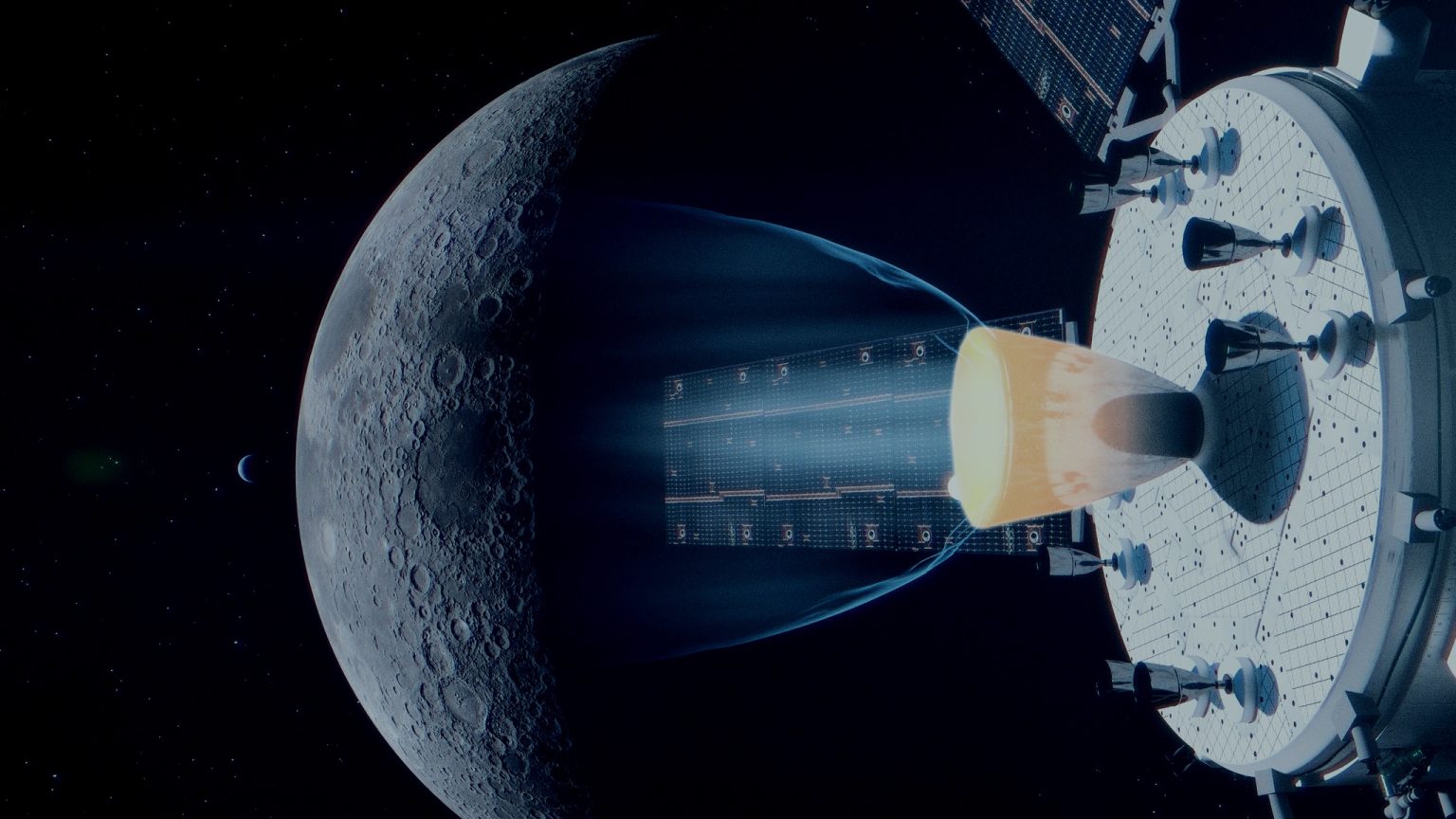
The Moon’s ice archives
At the poles of the Moon, there are deep craters that have not seen sunlight for billions of years. These perpetually shadowed areas are cold, preserving ice brought by comets and asteroids billions of years ago. Scientists believe that organic molecules — the very building blocks that once formed life on our planet — may be “frozen” in this ice.
“On Earth, traces of these ancient molecules have disappeared due to geological activity. The Moon is a museum where they could have been preserved,” as the research idea is explained.
Modeling the threat
To assess the risk, scientists led by Silvio Sinibaldi of ESA and Francisca Paiva of Instituto Superior Técnico created a computer model. They simulated how methane molecules (a component of spacecraft exhaust gases) would spread during landing, for example, on a mission to the South Pole.
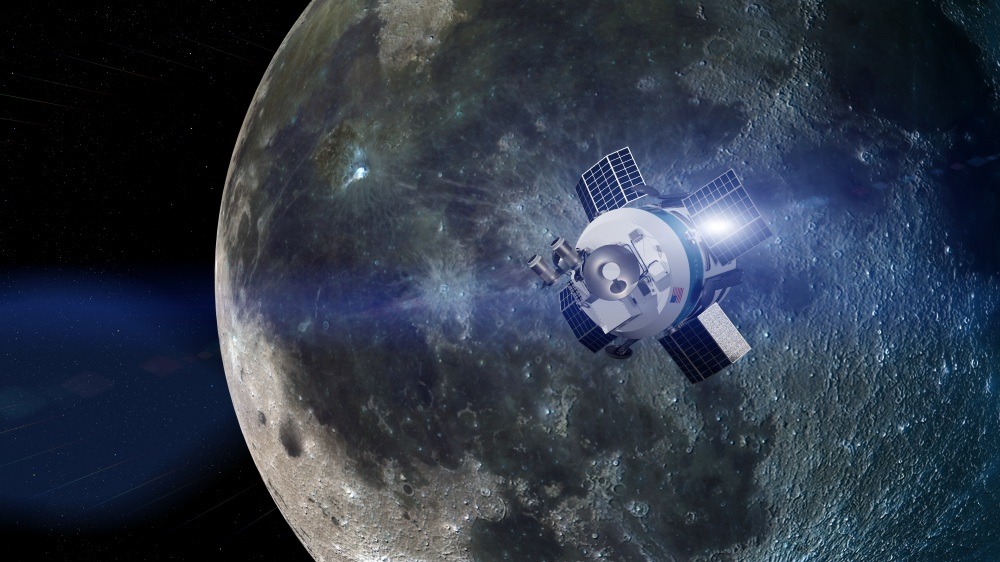
The results were unpleasant: in less than two lunar days, some of the methane could already reach the north pole. And in just one week of lunar time, more than half of the emitted gas is “trapped” at the cold poles.
“The biggest surprise was the time. The molecules spread from the South Pole to the North Pole in about a lunar week,” comments Sinibaldi.
The key to such speed is the almost complete absence of atmosphere. Nothing prevents methane molecules from moving. Sunlight “pushes” them, and the cold of the poles holds them back. They move in ballistic arcs, like rubber balls in an empty room.
“We have demonstrated that molecules can cross the entire surface of the Moon. Wherever you land, contamination can potentially be everywhere,” Paiva states.
The path to pure science
However, scientists are not only identifying the problem, but also looking for ways to solve it. Colder landing sites may be better at trapping exhaust fumes. They are also investigating the idea of whether pollutants can settle only on the surface of the ice without penetrating deeper into the clean layers.
The main thing now is to confirm the models with actual measurements on the Moon. “This is a reality we will have to deal with. We will miss an important opportunity if we are not prepared,” Sinibaldi emphasizes.
The study reminds us that the Moon is not just a destination, but a fragile scientific reserve that requires the same careful treatment as national parks or Antarctica on Earth.
Earlier, we reported on how scientists were mistaken about the distribution of water on the Moon.
According to SciTechDaily

