

On August 26, SpaceX plans to launch its tenth Starship heavy-lift system. We will discuss the main objectives of the upcoming flight and where you can watch the live broadcast.
One accident after another
The Starship that will be used in the upcoming mission is a Block 2 modification. It is larger and has a greater payload capacity than the rocket that flew in 2024. Unfortunately, Block 2 cannot yet boast of particular reliability. The first two flights followed the same scenario. Shortly after separating from the Super Heavy booster, the spacecraft disintegrated, and its debris entered the atmosphere, creating a fiery fireworks display in the sky over the Caribbean Sea.

During the next flight in May, Starship managed to reach the stage of engine shutdown. However, the spacecraft was unable to deploy its cargo of eight Starlink satellite simulators and encountered a fuel leak, which led to a loss of control. As a result, it disintegrated in the atmosphere over the Indian Ocean. The Super Heavy booster test program was also unsuccessful, with the booster crashing into the waters of the Gulf of Mexico/Gulf of America.
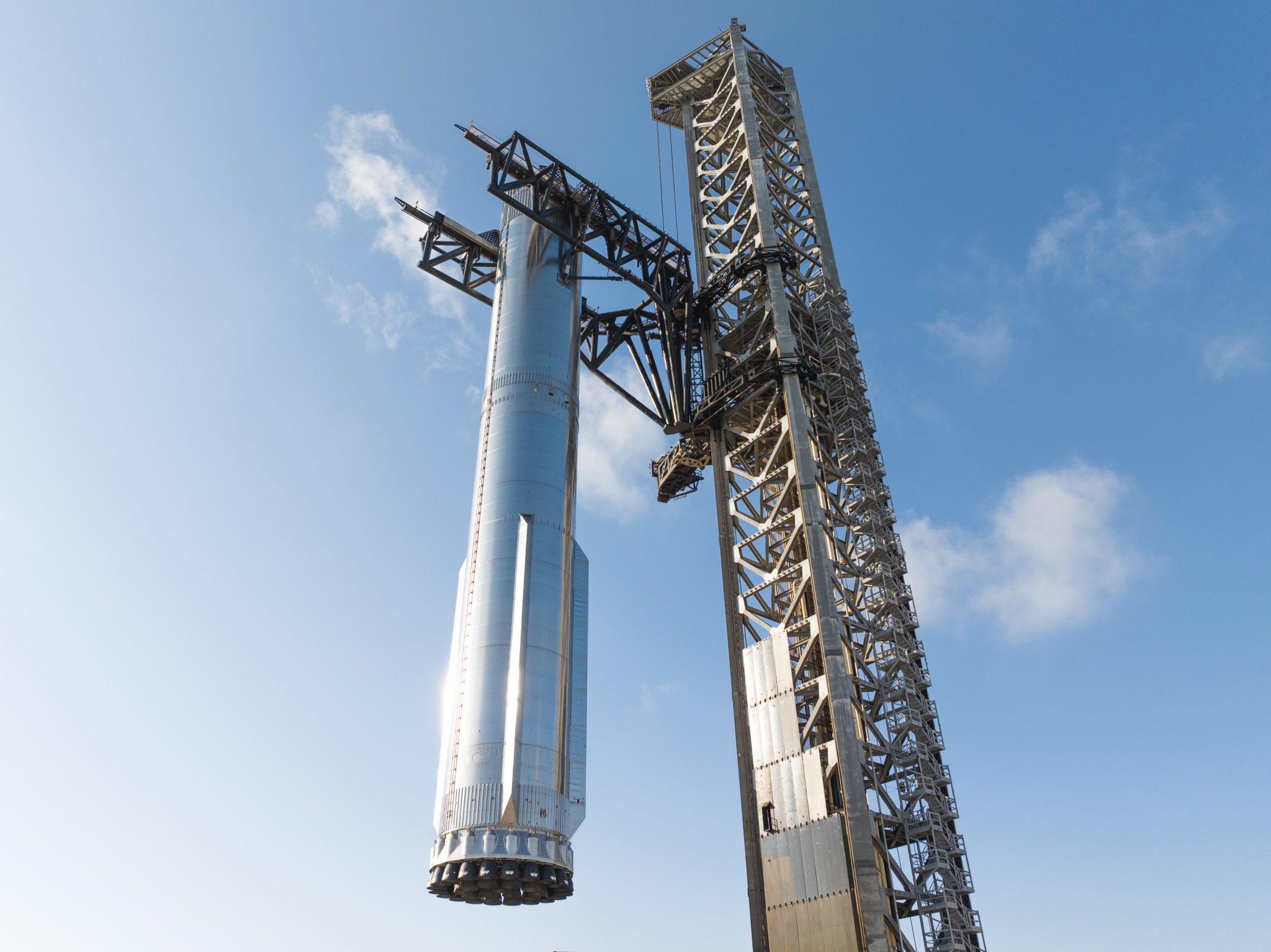
Another Block 2 Starship exploded in June during a burn test, causing damage to the launch pad. As a result, SpaceX had to significantly adjust its plans and postpone the new flight for more than a month in order to investigate the accident.
SpaceX recently announced the completion of its investigation into the accidents and published reports on their causes. This allowed it to obtain permission for the tenth flight of the super-heavy rocket.
Flight according to the old program
Since SpaceX failed to complete all of its objectives during any of the Block 2 missions, the program for the tenth flight is similar to previous tests. Let’s start with the Super Heavy booster. After separation, it will perform a roll maneuver to save fuel. Next, engineers will conduct a series of tests to collect data that will help improve the performance and reliability of future Super Heavy boosters. An experiment is also planned to intentionally shut down one of the central engines to simulate an emergency.

It is important to note that SpaceX does not intend to recover Super Heavy. After completing the test program, the booster will be sunk in the waters of the Gulf of Mexico/Gulf of America.
As for Starship, after shutting down its engines, it should release eight next-generation Starlink satellite simulators from its cargo compartment. They will follow the same trajectory as Starship and should disintegrate upon entering the atmosphere.
In addition, there are plans to relaunch one Raptor engine in space. The new Starship test plan also includes several experiments related to its thermal protection. Some of the protective tiles have been removed from the spacecraft. This is necessary to check its vulnerable areas during atmospheric reentry. Several different types of metal tiles have also been installed on Starship, including one with active cooling. These will allow alternative materials to be tested that could be used for the ship’s thermal protection.

If everything goes well, Starship will enter the atmosphere over the Indian Ocean and splash down. However, given the current track record of the Block 2 modification, it is far from certain that the spacecraft will make it to this stage.
Live broadcast of the Starship launch
SpaceX will broadcast the Starship launch live on the social media platform X. The launch window for Starship will open on August 26 at 2:30 a.m. Kyiv time (11:30 p.m. GMT). The broadcast will begin 40 minutes before launch.
Watch Starship's tenth flight test → https://t.co/UIwbeGoo2B https://t.co/MQg9ZAjCip
— SpaceX (@SpaceX) August 25, 2025
In addition to the official broadcast, various bloggers and space-themed communities will be streaming the Starship flight on YouTube.
The results of the previous test are very important for SpaceX. Success will demonstrate that it has finally managed to iron out the bugs. Failure, on the other hand, will show that the Block 2 modification is too immature to be refined. In this case, the company’s main hopes will be pinned on the next version, Starship Block 3, which is already under active development. SpaceX hopes to launch it for the first time before the end of this year.

