

Space is becoming closer and more accessible: British orthopedic surgeon and Paralympic champion John McFall is poised to make history as the first person with a physical disability to live and work in Earth orbit. This has been made possible by a new agreement between the UK government and the American aerospace company Vast.
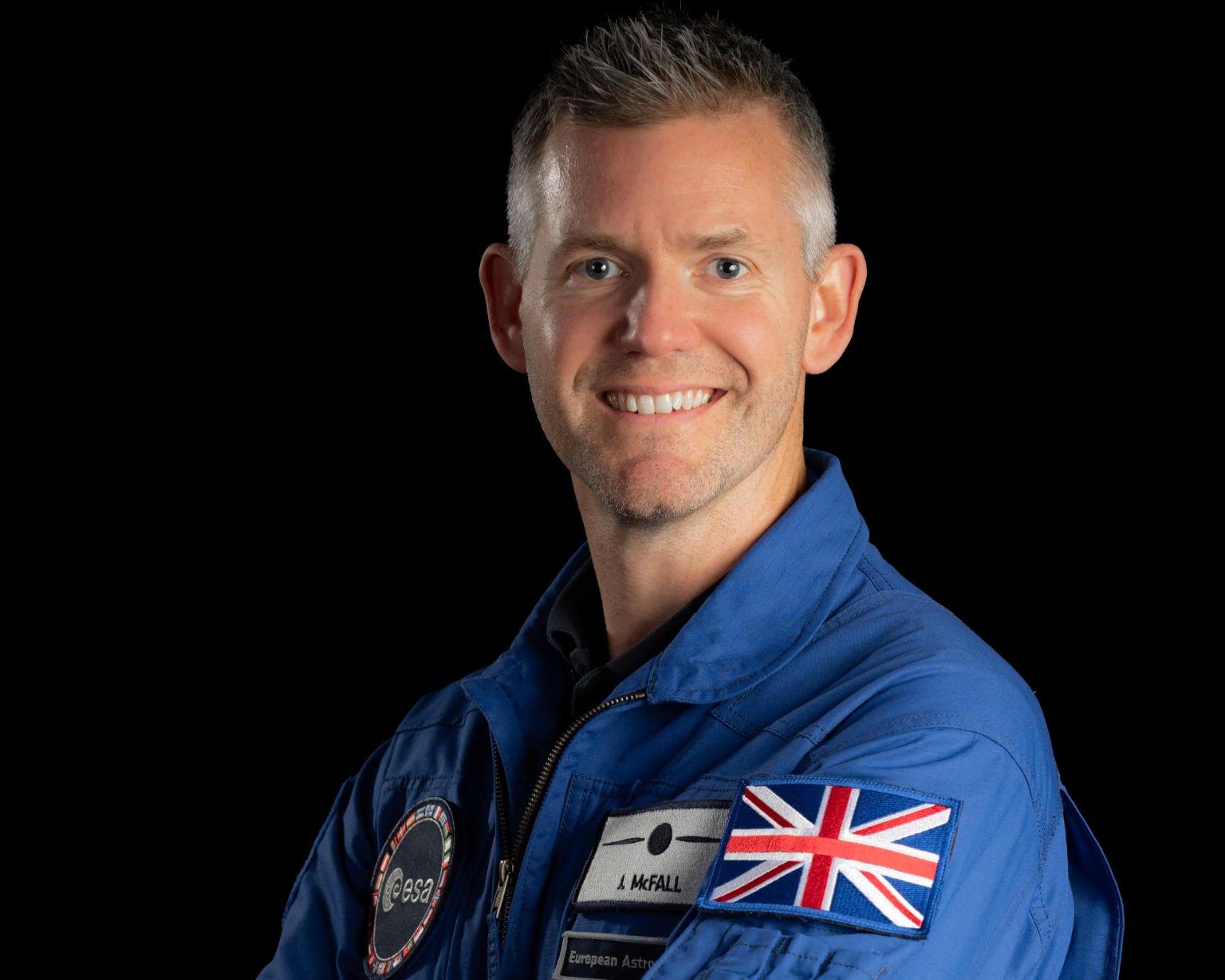
McFall, who is currently a member of the European Space Agency’s (ESA) astronaut pool, could embark on his mission as early as 2027, shortly after the launch of the commercial space station Haven-1.
The California-based startup Vast is currently in the final stages of building this spacecraft. The station is slightly smaller than a single-story bus, but it can comfortably accommodate four astronauts. The developers paid attention to both aesthetics and functionality: the interior is finished with maple veneer, a large domed window is provided for observing Earth, and a modern microgravity laboratory is available for scientific work.
High-tech prosthetics in microgravity
The planned two-week mission is a purely scientific project. The main focus of McFall’s research will be on studying the effects of the space environment on his body and on the performance of his modern prosthesis. Since such devices rely on complex systems of sensors and microprocessors, their behavior in microgravity is of great interest.
The results of these tests could bring about a true revolution in medicine on Earth. They will provide the impetus for the development of lighter and more adaptable prosthetics, and will also help scientists gain a deeper understanding of the processes underlying muscle atrophy and the development of osteoporosis. All of this paves the way for cutting-edge rehabilitation programs for people who have undergone amputation.
Way to the stars
The 45-year-old McFall’s journey to the stars is impressive for his strength of spirit. After losing his right leg in a motorcycle accident at the age of 19, he did not give up. John dedicated himself to sports, winning a bronze medal in the 100-meter sprint at the 2008 Paralympics in Beijing. He went on to build a successful career as a doctor in the UK’s National Health Service (NHS). In 2022, the European Space Agency (ESA) selected him to participate in the innovative Fly! project, which is exploring the possibility of people with disabilities taking part in long-duration space missions.

The crew is expected to travel to the Haven-1 station aboard a Crew Dragon capsule, which will be launched into orbit by a SpaceX Falcon 9 rocket. According to the memorandum, the British Space Agency will assist Vast in finding sponsors to fund this historic flight. An alternative scenario for McFall could be a private mission to the International Space Station (ISS) as early as next year.
Breaking down barriers, not just PR
McFall himself emphasizes that his flight is meant to challenge preconceptions about the professional capabilities of people with disabilities. For him, this is not only the fulfillment of a lifelong dream, but also a great responsibility.
“I want to be a good astronaut and do my job well. That’s my priority. I don’t want this to be a PR stunt or just a trendy fad,” McFall notes. “I want this work to have real value both for space exploration and for society on Earth.”
If the mission goes ahead, McFall will become the first British astronaut since Tim Peake’s mission (2015–2016). As Peake aptly pointed out, John is an inspiration to anyone who has ever been told that their potential is limited. This mission is truly a landmark milestone on the path to inclusive space exploration.
We previously reported on how a woman with a disability built a career at NASA.
According to The Guardian

