

The US Space Agency has announced a search for an innovative system to detect and neutralize potential airborne threats in the form of drones. The goal is to protect personnel, rockets, and critical infrastructure in the area of the Kennedy Space Center at Cape Canaveral.
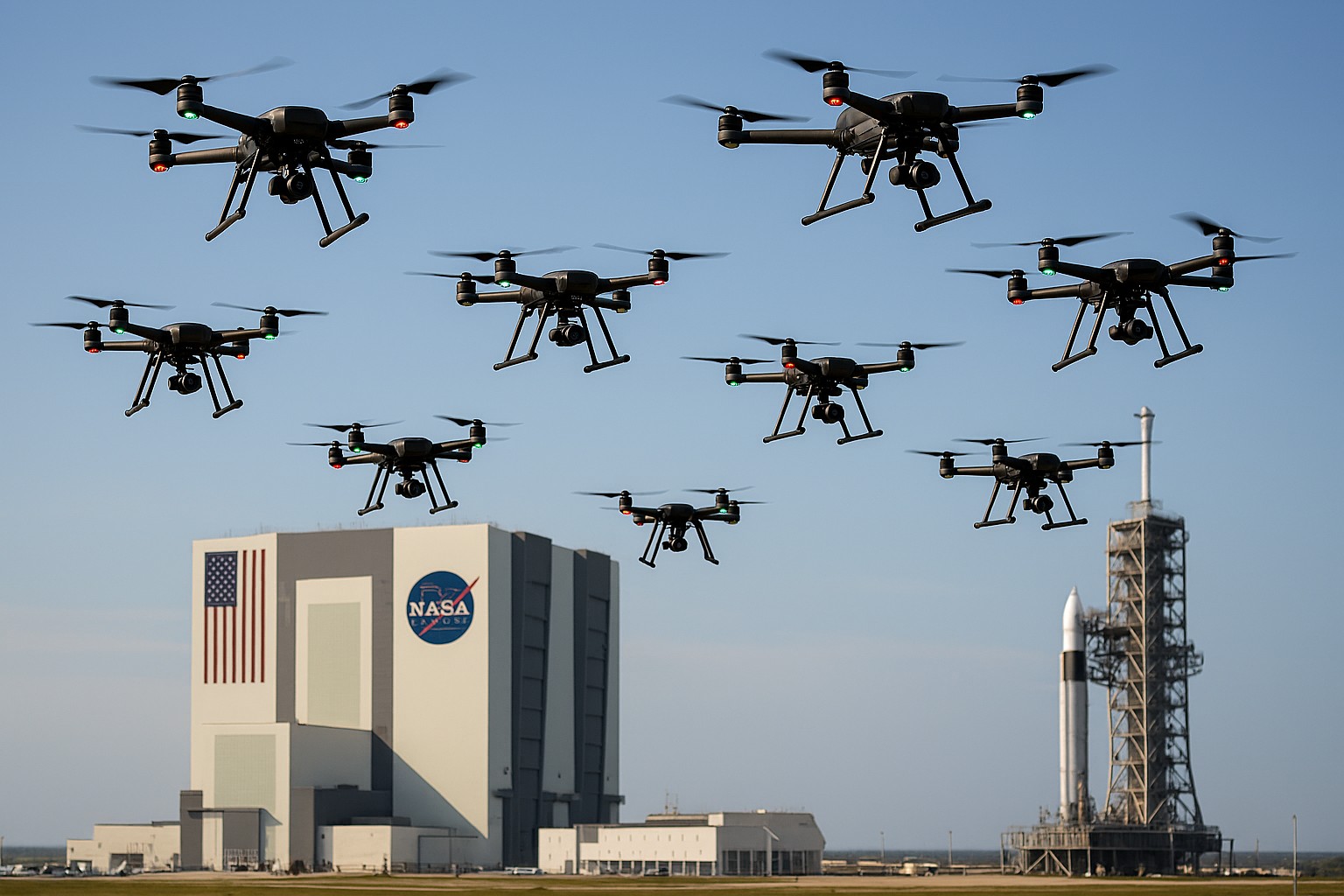
The decision to develop a special system was made in the context of a nationwide ban on the use of foreign-made drones for security reasons.
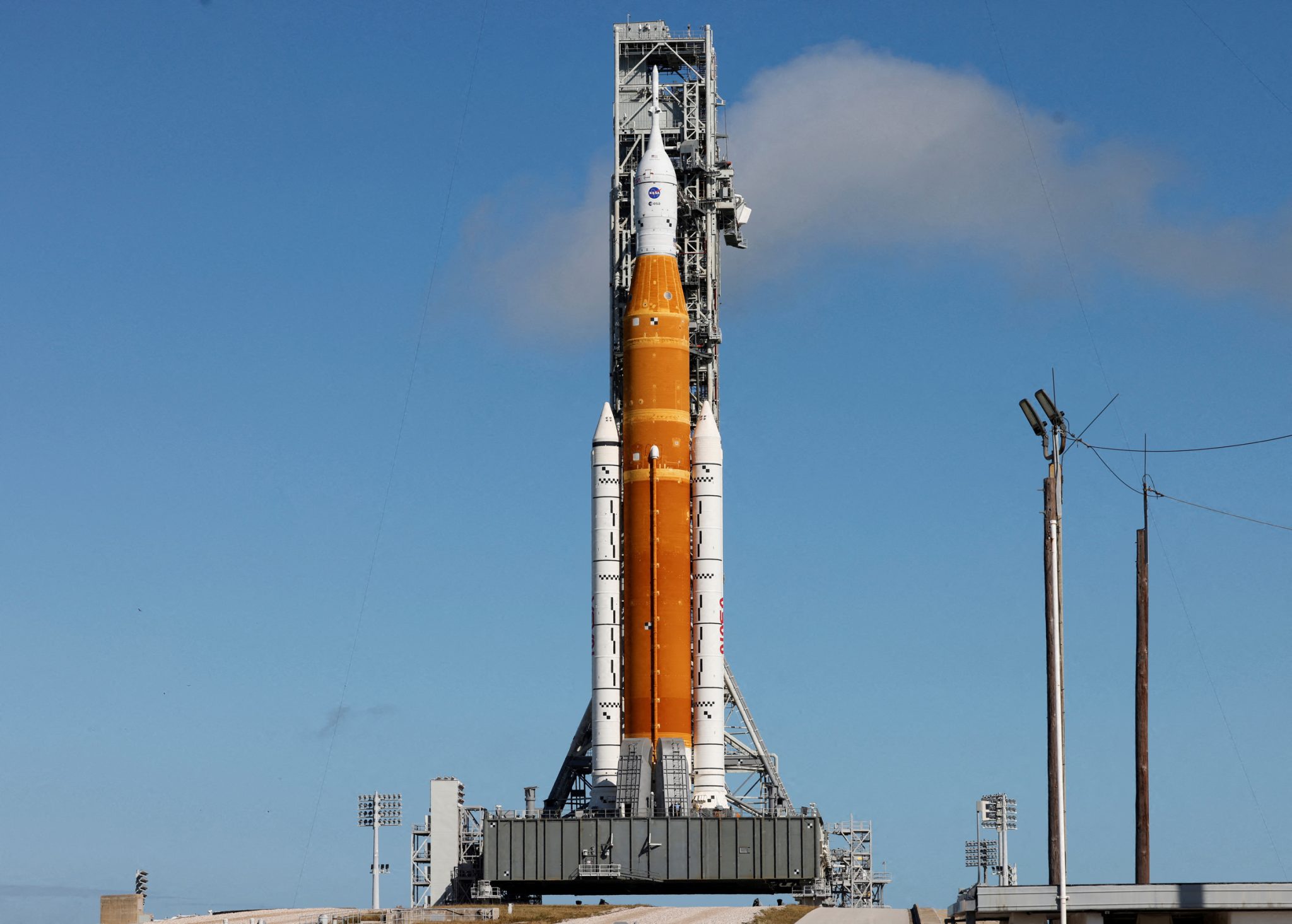
The Kennedy Space Center is the heart of the Artemis lunar program, from where powerful Space Launch System rockets will be launched. Any outside interference, even accidental, could have catastrophic consequences.
How the “smart shield” will work
According to the agency’s request, the system should include a network of stationary and mobile sensors (radar, radio frequency, optical). Its key tasks are:
- Detect and identify unknown drones at a distance of up to 64 km.
- Analyze risk in real time.
- Provide data for quick decision-making by the security service.
The system is scheduled to be implemented in April 2026. From now on, all drone flights in the central area will be strictly limited and will require special permission.
Balancing security and innovation
Interestingly, NASA itself periodically uses drones for festive events – for example, the visitor center hosts a show featuring 600 autonomous devices. The new system is designed to distinguish authorized flights from potentially dangerous ones, protecting the future of lunar missions.
This move demonstrates how space agencies are adapting to the challenges of a new era, where advanced technologies can bring both benefits and risks.
Earlier, we explained what a rocket drone is and how it differs from a UAV.
Provided by: Gizmodo

