

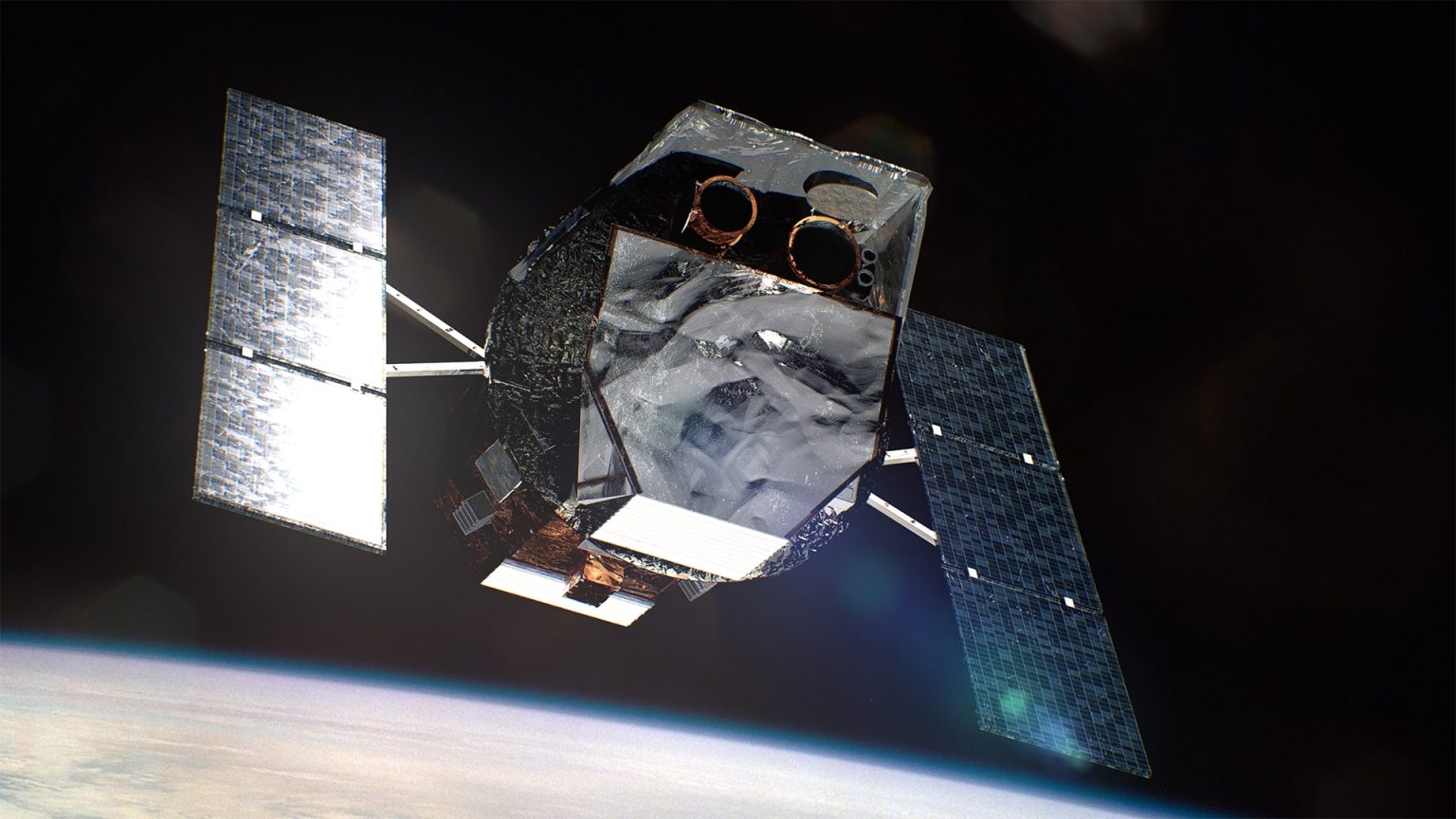
A real cosmic drama is unfolding above our heads. NASA’s legendary Swift telescope, which has been studying the most powerful explosions in the universe for 20 years, now needs to be rescued itself. Due to increased solar activity, its orbit is rapidly declining, threatening an uncontrolled fall. But a bold mission involving a private company and an unusual rocket is set to save the unique observatory.
New danger
The Swift space telescope was launched in 2004 to study mysterious gamma-ray bursts. However, its life in low Earth orbit has recently become more difficult. Recent bursts of solar activity have “inflated” the upper layers of the atmosphere, increasing drag on the spacecraft. As a result, the telescope began to descend much faster. According to experts, the probability of an uncontrolled entry into the atmosphere by the end of 2026 is 90%. Although it will burn up completely and pose no threat to humans, NASA is seeking to continue its scientific mission.
Rescue mission
To avoid losing valuable equipment, NASA signed a $30 million contract with Arizona-based startup Katalyst Space Technologies. Their task is to develop and launch a special space tug called LINK.
This spacecraft will autonomously approach Swift, capture it using a robotic manipulator, and lift it into a safe and stable orbit. The entire operation will take less than eight months, with launch scheduled for no later than June 2026.
Rocket from an aircraft
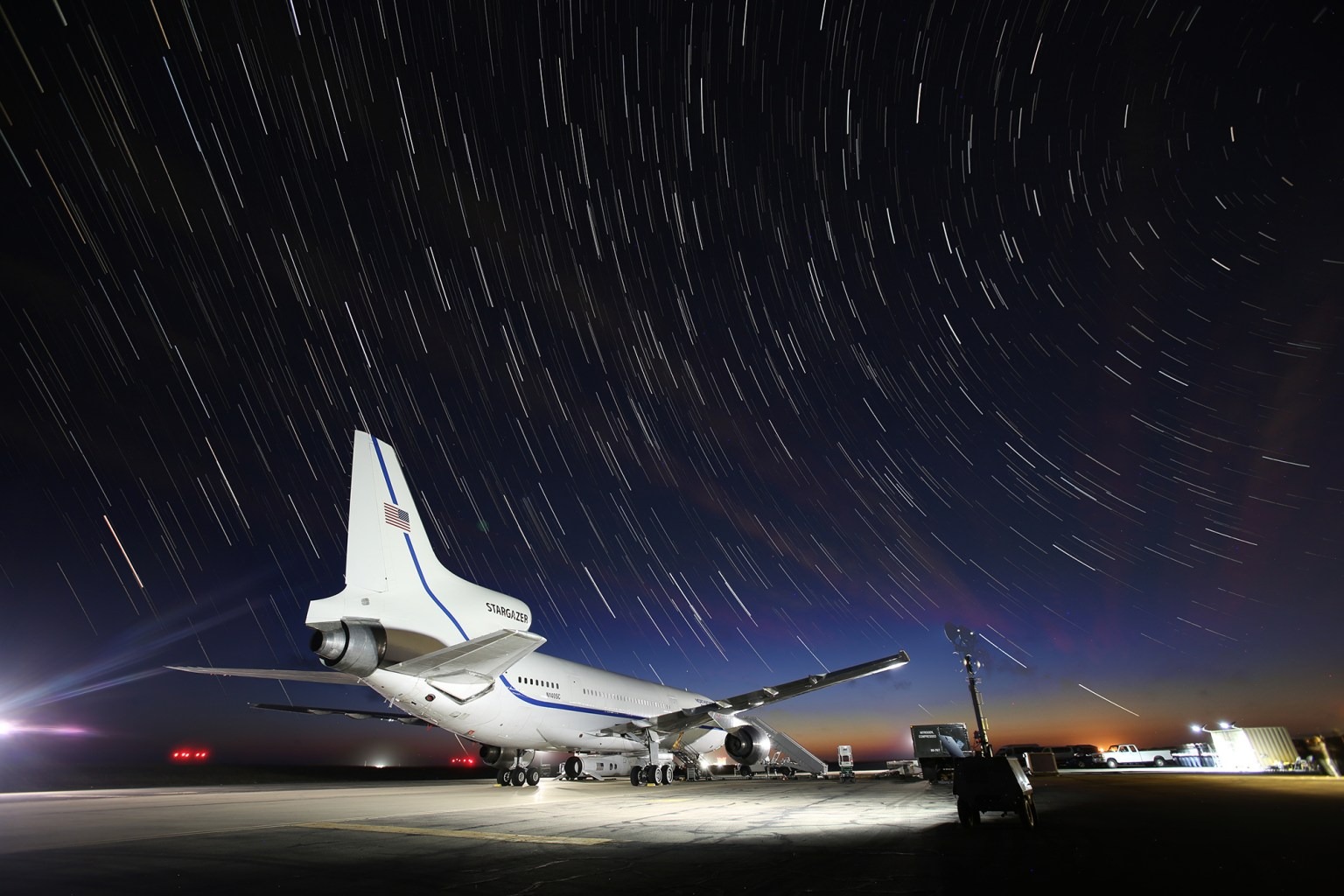
One of the most interesting features of the mission is the choice of launch vehicle. Katalyst will use Northrop Grumman’s Pegasus rocket. Its uniqueness lies in the launch method: the rocket is dropped from a carrier aircraft at an altitude of about 12 kilometers. After a 5-second free fall, it ignites its engine and heads for orbit.
This method is ideal for rescuing Swift. The telescope flies in a special orbit to avoid radiation anomalies. A conventional rocket launched from Earth would need too much fuel to reach the desired trajectory. Pegasus, launched from an airplane, easily overcomes this obstacle.
The success of the mission has implications that go beyond saving a single telescope. It will demonstrate a new commercial opportunity for NASA – rapid response to threats to orbital vehicles. The ability to repair and raise the orbit of satellites will become a key tool for supporting an entire fleet of space explorers in low orbit, ensuring them a longer and safer life.
We previously reported on how the Swift telescope entered safe mode.
Provided by spacenews.com

