

NASA specialists conducted a series of key tests on components of the Dragonfly drone. These tests were successful, allowing them to move on to the next stage of mission development.
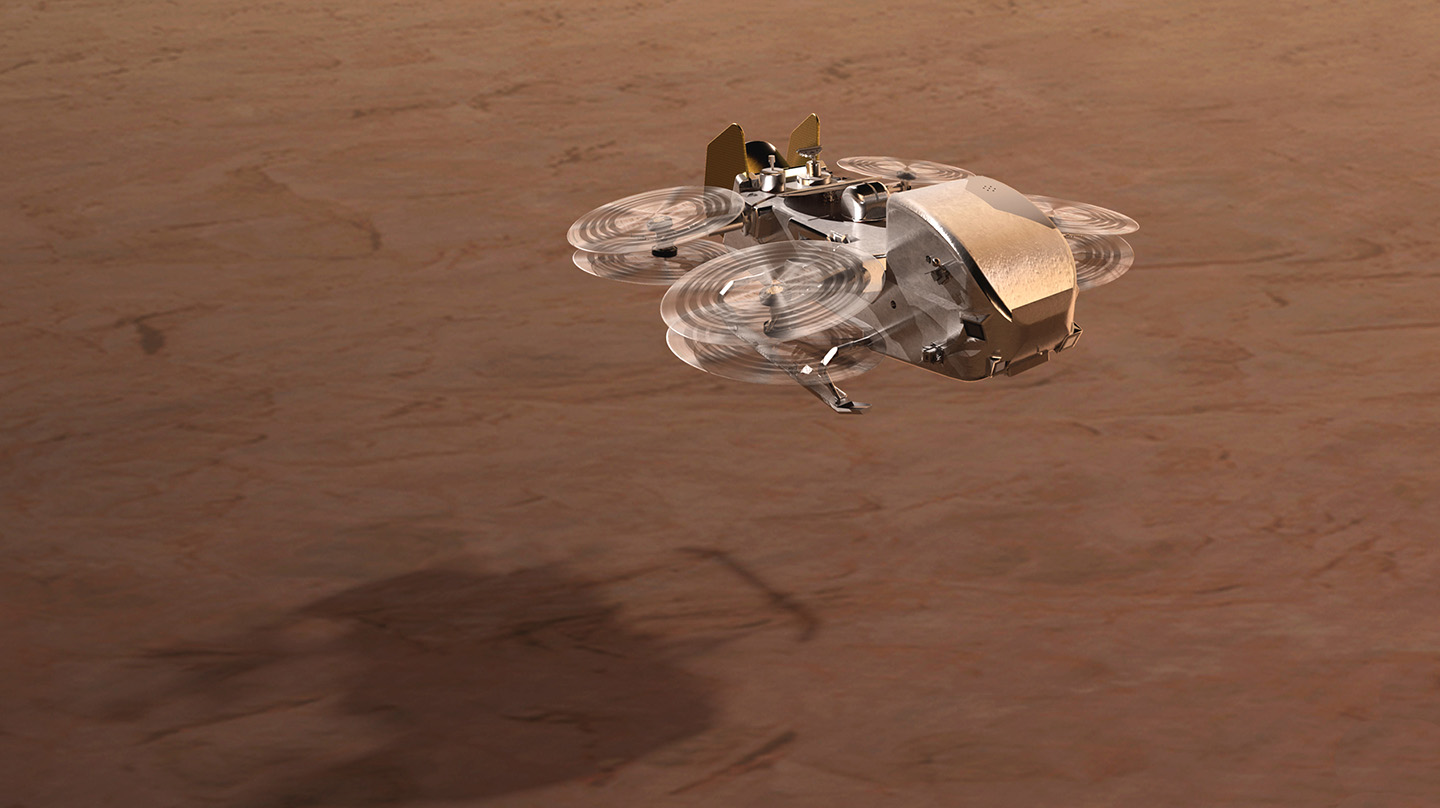
Development of the Dragonfly mission began in 2019. As part of this mission, NASA plans to send a rotary-wing aircraft with a total mass of about 450 kg to Titan. It will be equipped with four twin propellers, allowing it to travel at speeds of around 36 km/h and rise to an altitude of up to 8 km. The drone will use a radioisotope generator as its power source.
Dragonfly’s primary mission is to search for complex organic molecules and assess the overall suitability of this celestial body for past and present life. The drone will be able to collect samples from the Titanian surface and conduct chemical analysis on them. Dragonfly will also study the moon’s terrain, atmosphere, and hydrocarbon reservoirs. The spacecraft is designed to operate on Titan for at least three years.
To date, the mission has already gone far beyond computer concepts. In April, its design underwent critical review. This allowed engineers to begin manufacturing and testing the drone’s components. One of the most important tests was conducted in a wind tunnel. For a month, engineers from NASA and the Applied Physics Laboratory (APL) immersed a sensor-equipped drone model in a stream of heavy gas simulating Titan’s dense atmosphere. The collected data helped to understand the kind of loads that the device, its rotary system, and blades would be subjected to. This will enable the preparation of the software necessary for drone flights.
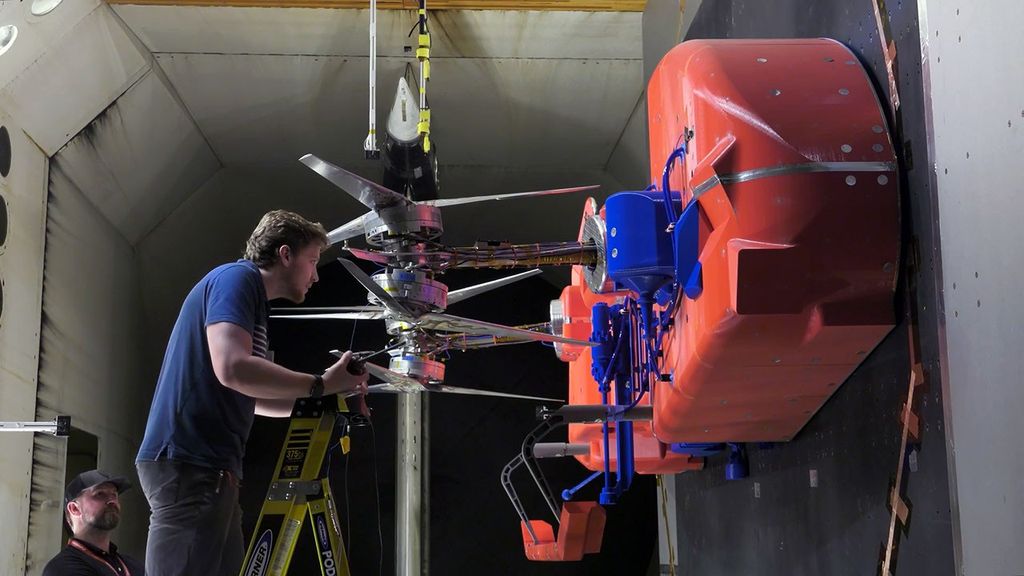
APL engineers also completed structural and thermal testing of the foam insulation for the Dragonfly lander, confirming that it will retain its shape and protect the internal components from the environment, which reaches temperatures of approximately -185 °C on Titan. The landing module body will be covered with a 7.6 cm thick layer of solimide-based foam.
In addition, APL engineers have completed the development of onboard radio stations that will serve as receivers and transmitters during Dragonfly’s flight to Titan and its work on the surface. Employees at the Goddard Space Flight Center have completed work on the DraMS mass spectrometer in search of biosignatures. And Lockheed Martin specialists conducted the first series of tests on the aerodynamic fairing that would protect Dragonfly during its re-entry into the moon’s atmosphere.
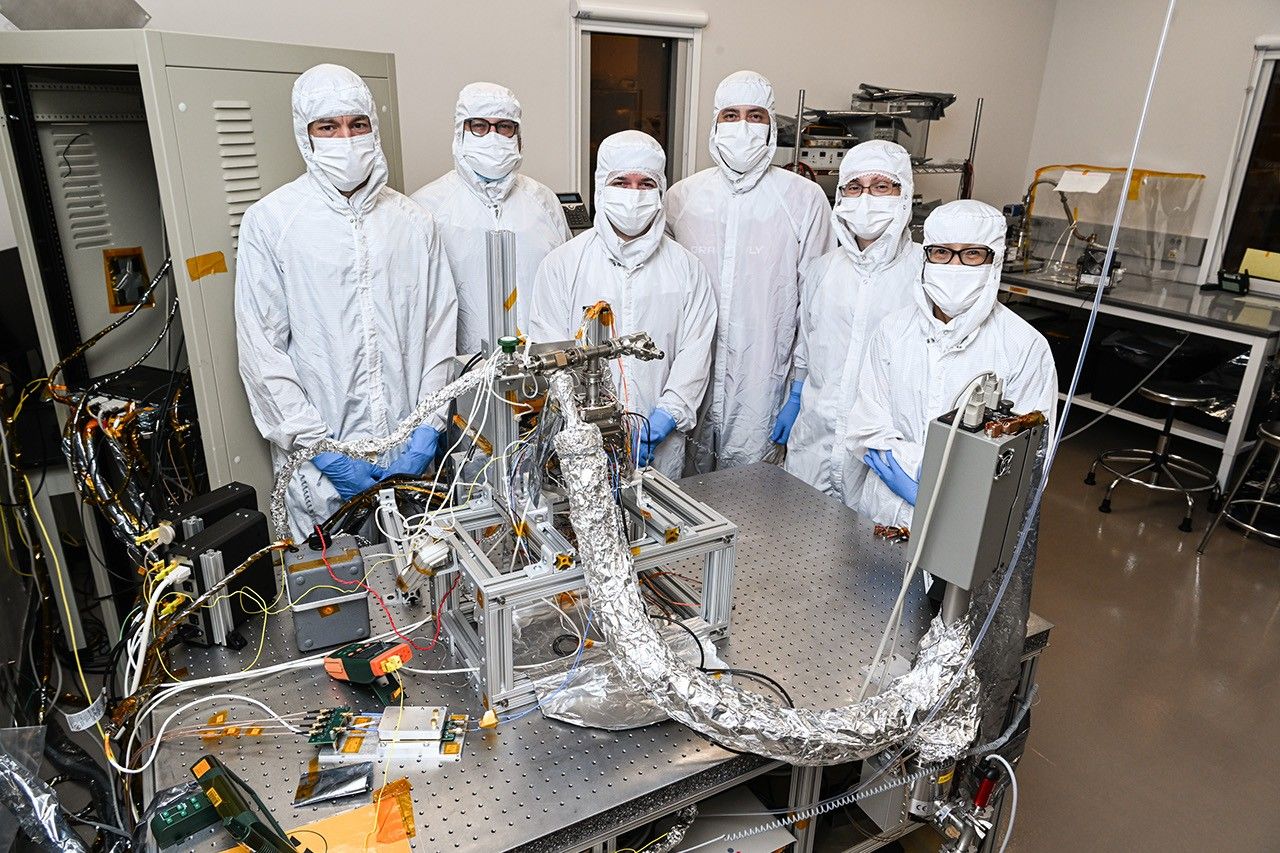
The success of all these tests made it possible to move on to the next stage of mission development. In January, engineers will begin assembling the device components and conducting comprehensive testing. The launch of Dragonfly is scheduled for July 2028, with landing on Titan planned for 2034.
According to NASA

