

A group of Japanese researchers simulated the behavior of a paper plane thrown from the ISS into space. Despite its apparent strangeness, the study may help solve the problem of space debris.
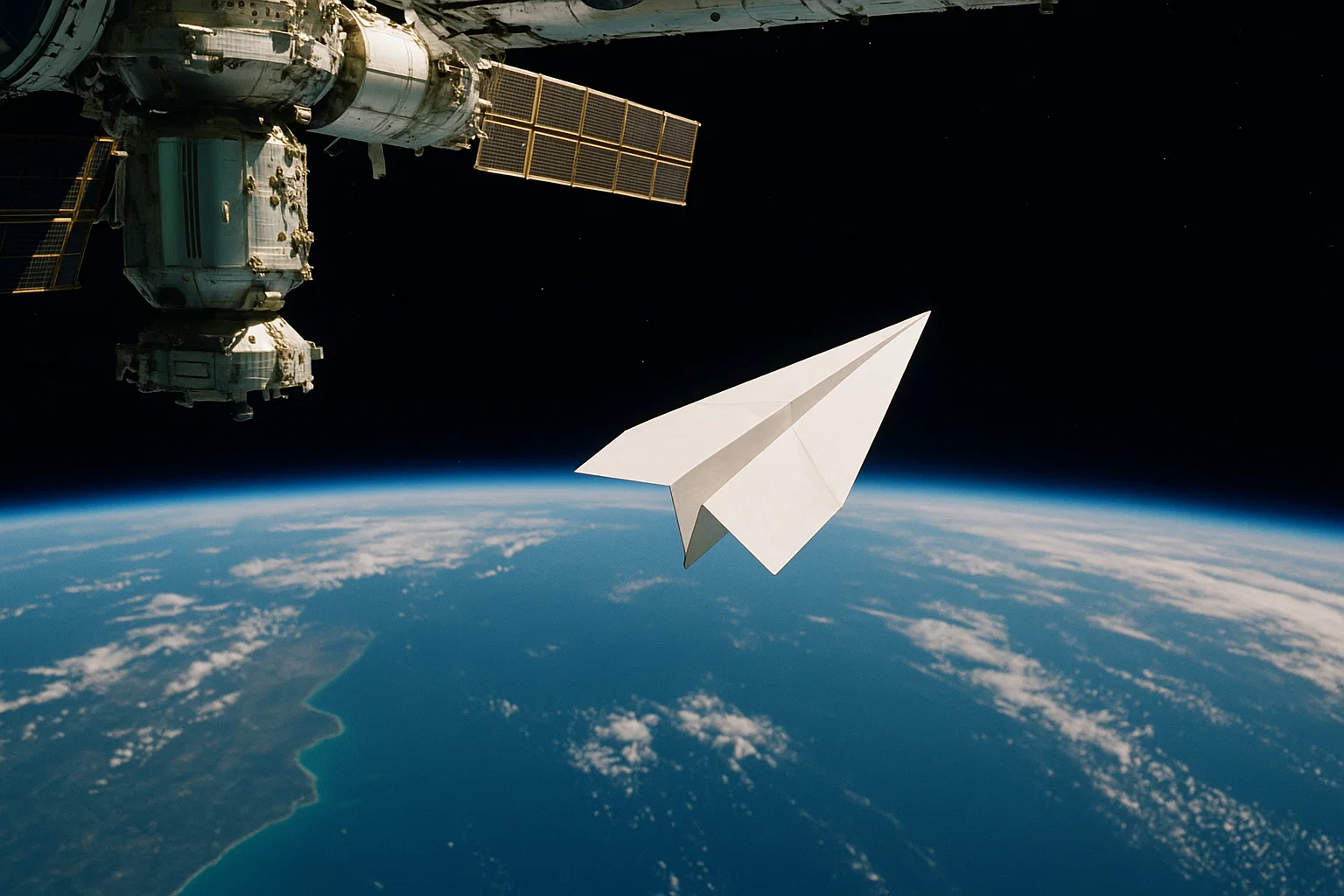
Space debris poses a huge problem. Due to the sharp increase in the number of satellite launches in recent years, low Earth orbit is littered with debris such as spent rocket bodies, broken parts, and failed satellites.
In addition to the risk of debris colliding with active satellites, large fragments may fall to Earth, posing a threat to the environment. Old rockets and satellites entering the atmosphere burn up, leaving behind a trail of chemicals that can damage the ozone layer.
Considering the above, space agencies and private companies are actively seeking not only ways to clean up space debris, but also how to make it more environmentally friendly by using organic polymers instead of metals. A group of researchers from the University of Tokyo wondered what would happen if they launched a paper plane from the ISS. They wanted to know how long it would take for it to enter Earth’s atmosphere and how much heat it could withstand.
According to program simulations, the plane initially maintained stable orientation thanks to its folding design and smoothly descended. But four days later, when it reached an altitude of about 120 km above Earth, the situation changed. The plane began to tumble and spin, losing control. All this was accompanied by intense aerodynamic heating, leading to combustion in the atmosphere at an altitude of about 90–110 km.
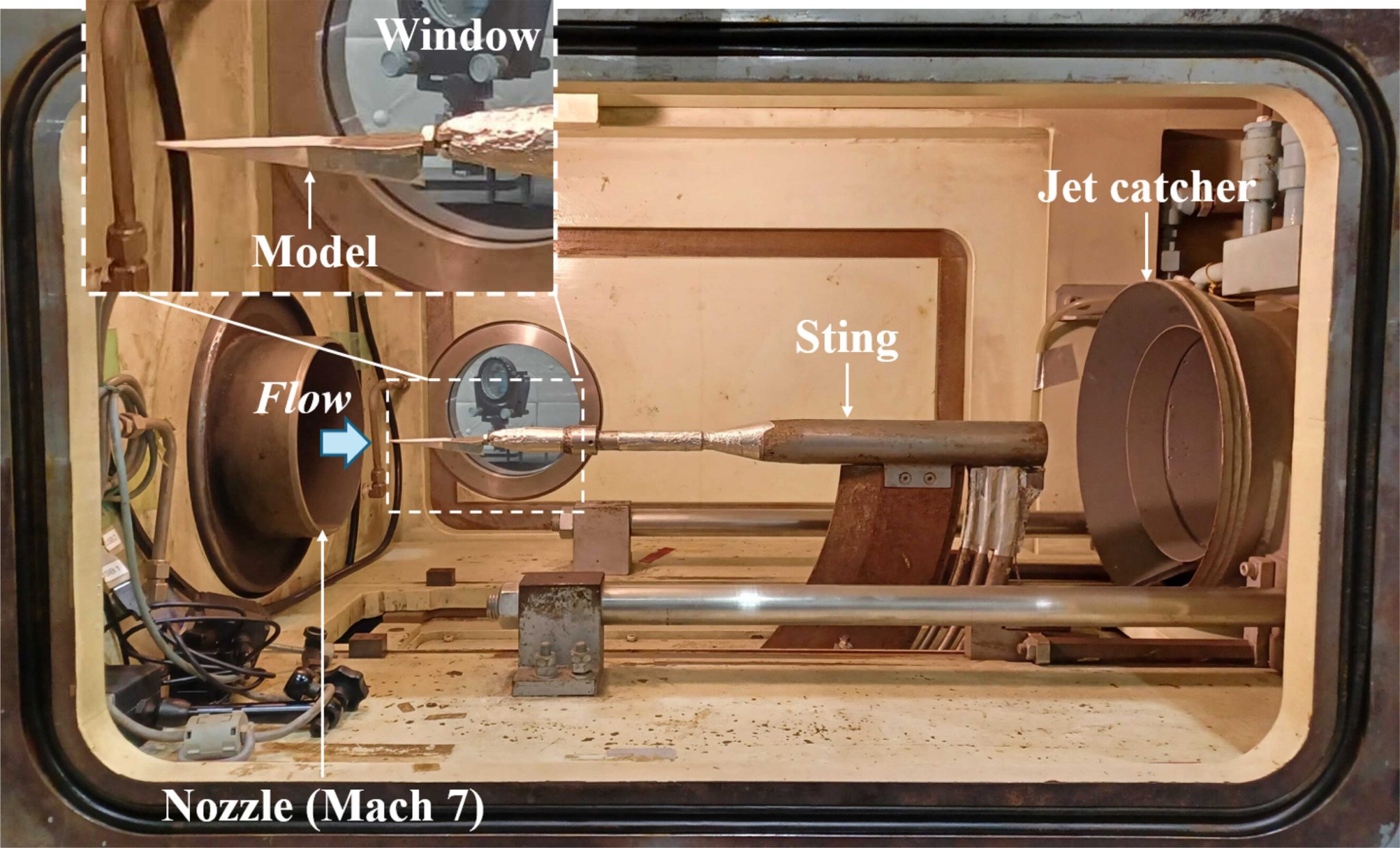
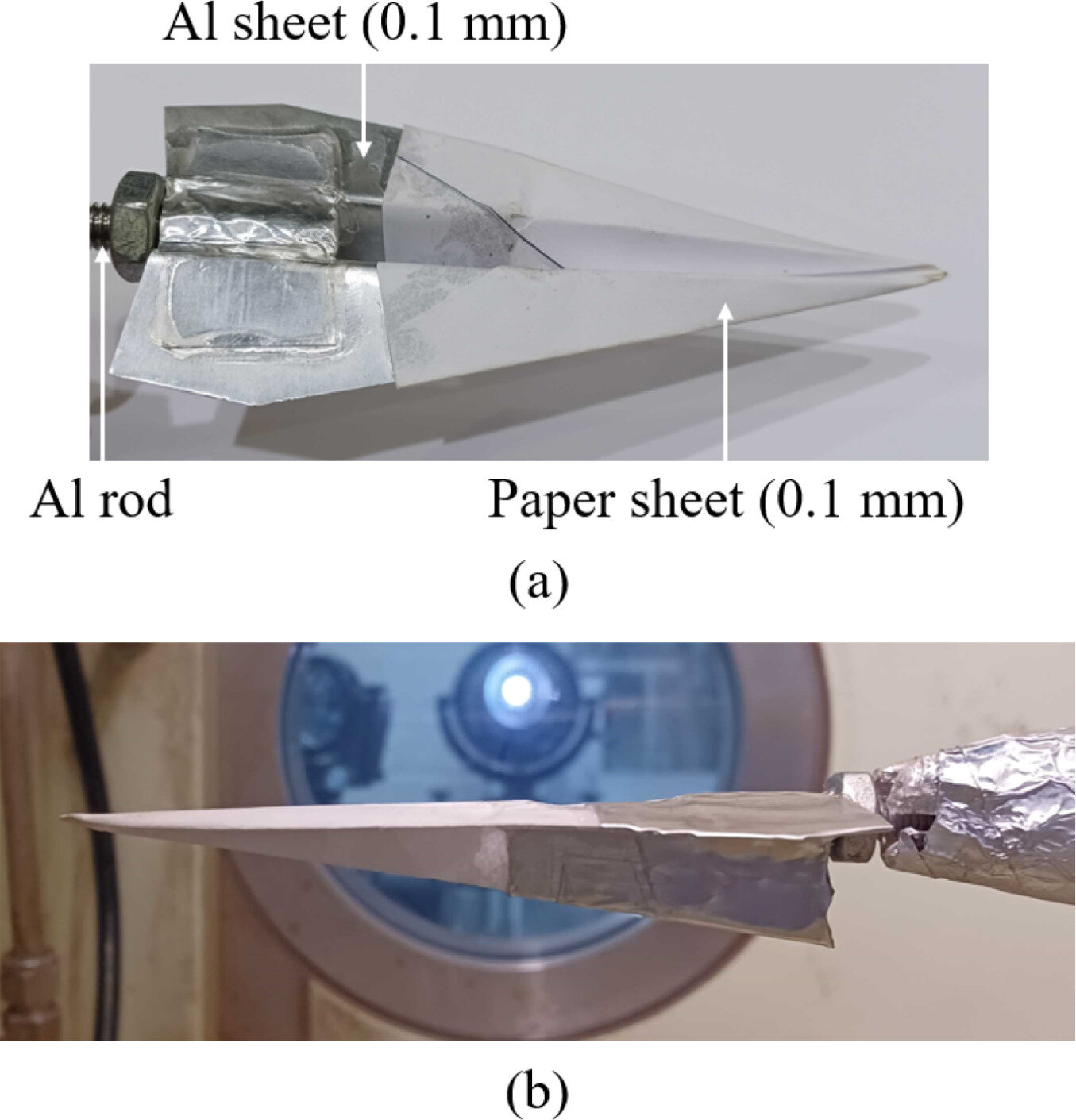
Next, the scientists built a physical model of their plane out of paper with an aluminum tail, then placed it in a wind tunnel. There, for seven seconds, the model was subjected to a speed seven times faster than the speed of sound. During this time, the nose of the aircraft bent backward, and charred traces appeared on the wing tips. If the experiment had continued, the plane would have burned down.
The study shows how a simple idea can inspire a more sustainable approach to solving the problem of space debris. Its authors suggest that in the future, the paper could find application in space missions. Vessels made from it will burn up completely in the Earth’s atmosphere without polluting it.
Earlier, we reported on the British government’s plans to spend £75 million on cleaning up space debris.
According to Phys.org

