

A decade ago, the discovery of gravitational waves revolutionized astrophysics. This week, the international collaboration LIGO-VIRGO-KAGRA, analyzing the signal from the merger of black holes, provided the most important evidence confirming the theories of Stephen Hawking and Roy Kerr, approaching the highest possible level of confidence in science.
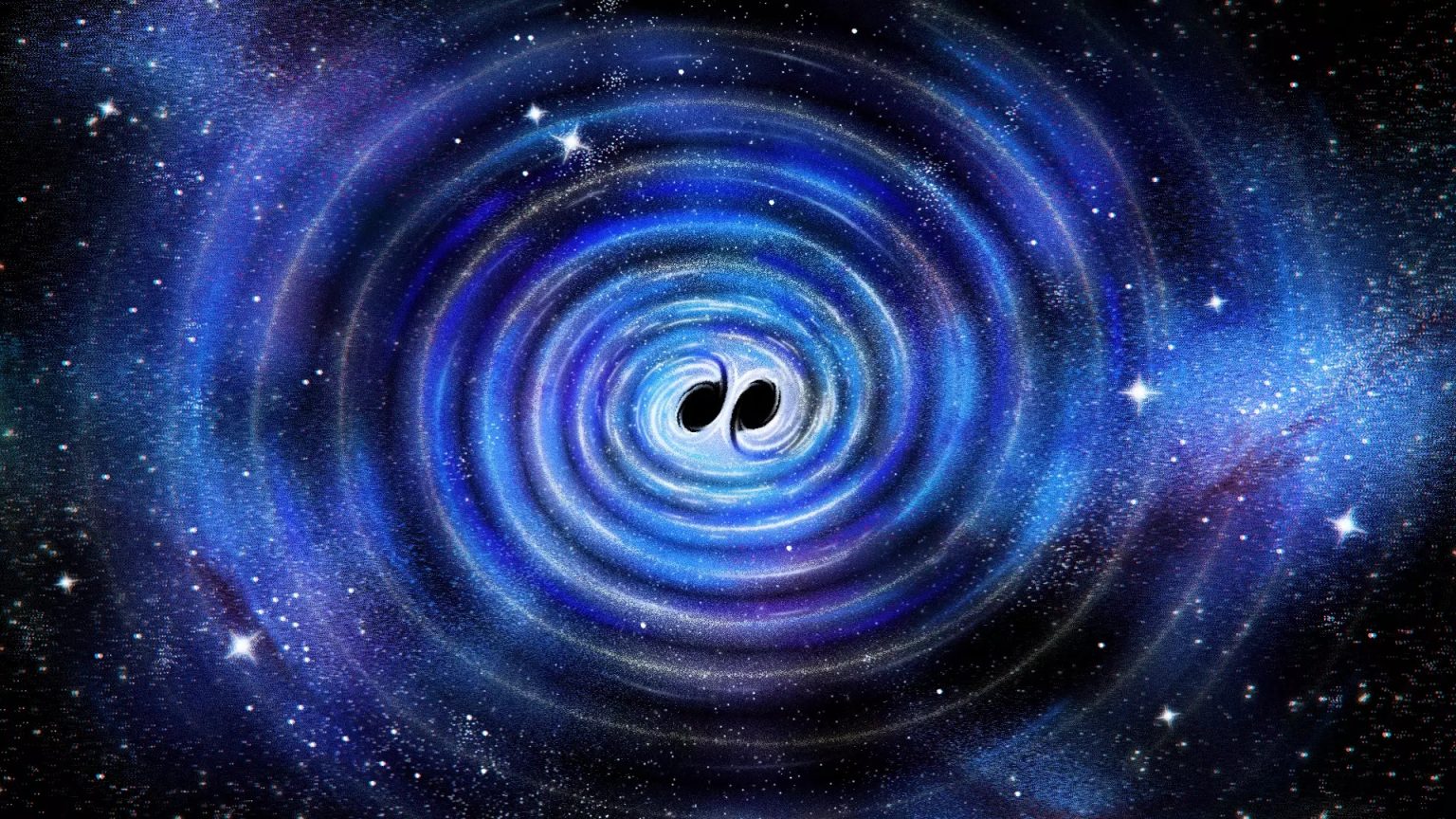
A new study published in the journal Physical Review Letters describes the GW250114 signal, the clearest ever recorded from such a cosmic cataclysm. Its analysis has finally confirmed two fundamental hypotheses. First, a new black hole born from a merger always has a larger surface area than its “parents”. Second, only two parameters are needed to describe its state: mass and angular velocity.
“This is a wonderful, landmark result. It confirms both the fundamental nature of black holes and is an excellent test of general relativity,” comments Arthur Kosowski, a theoretical physicist at the University of Pittsburgh.
Census of black holes in the universe
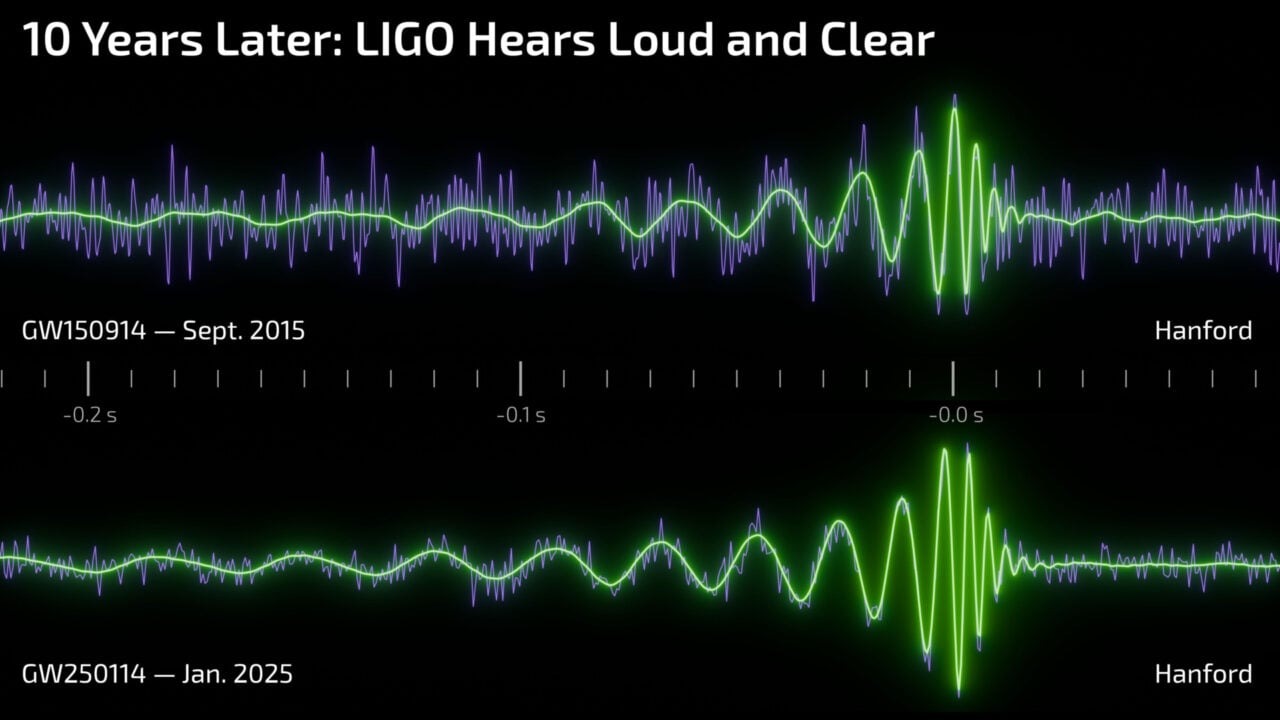
This discovery came almost ten years after the first ever detection of gravitational waves, GW150914, in 2015. In 2021, based on that signal, scientists tested Hawking’s area theorem for the first time with a 95% confidence level. The new, much higher-quality GW250114 signal allowed them to raise that confidence to an incredible 99.999%.
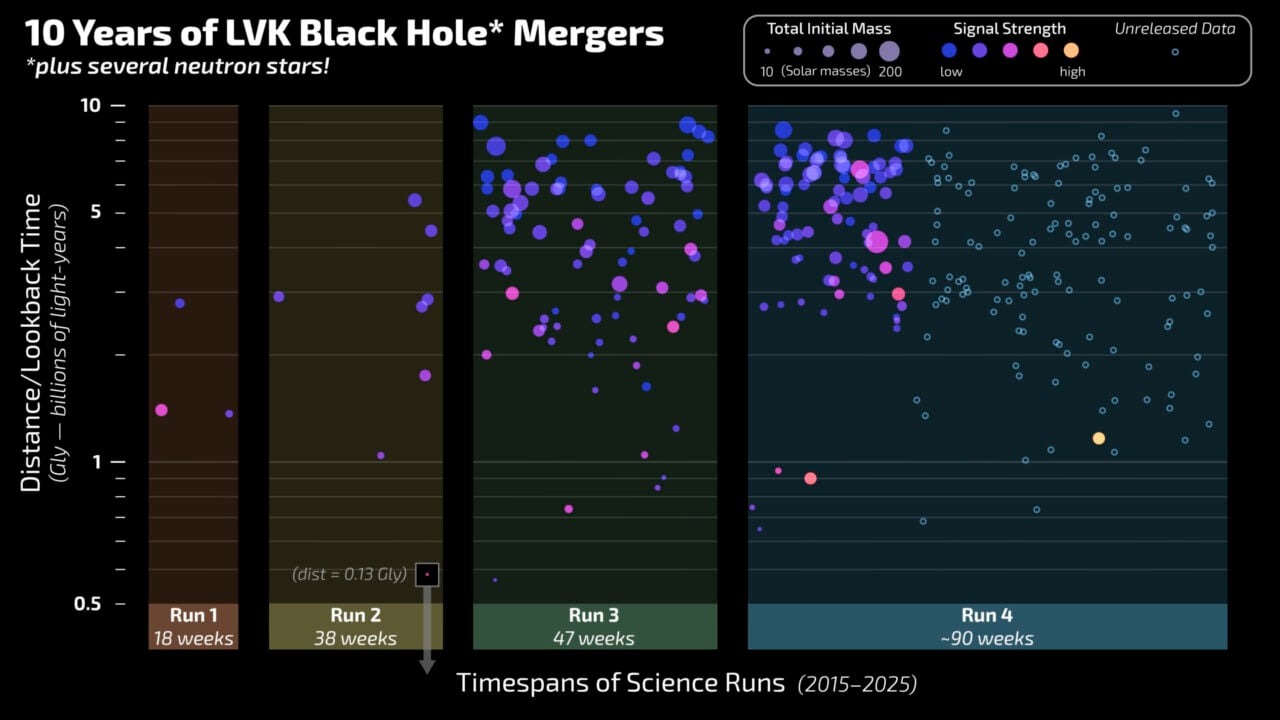
Just a few years ago, we could not be sure that black holes collide. Now we’re seeing several mergers a week. Today, we have 300 candidates for gravitational waves, and we’re starting to conduct a census of black holes in the universe,” says LIGO spokesperson Steve Fairhurst.
In the specific case of the GW250114 merger, the initial black holes had a total surface area of approximately 240,000 km2. The final object had an area of 400,000 km2, a mass 63 times greater than the Sun’s, and rotated at a tremendous speed of 100 revolutions per second.
The key to such accurate measurements was special “musical” software developed by LIGO employees. It allowed the sensitivity of the detectors to be increased fourfold compared to their capabilities ten years ago.
“When black holes collide, they emit characteristic sounds that are specific to each of them. If we can hear these notes, which depend only on mass and rotation, we can calculate these parameters,” explains one of the instrument’s developers, astrophysicist Gregorio Carullo.
A future full of surprises
Despite all its successes, gravitational astronomy is still in its infancy. Further improvements in detector sensitivity promise even more observations with incredible accuracy.
In the future, we will most certainly find something completely unexpected for astronomy. A signal that will be difficult to explain from an astrophysical point of view, or one that does not correspond to the predictions of general relativity,” predicts Fairhurst.
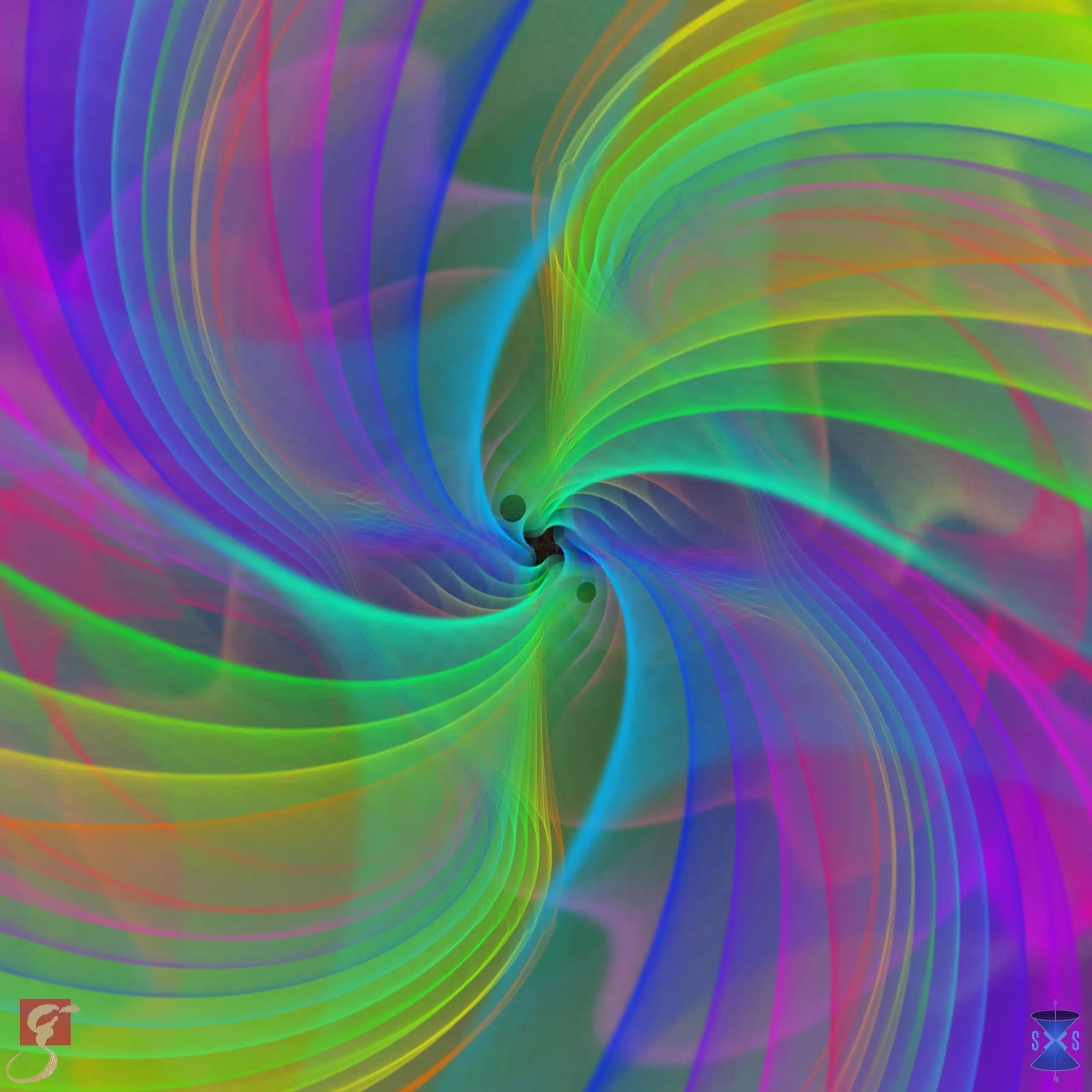
This discovery is not just another scientific result. It is the culmination of many years of work, combining the theoretical predictions of giants such as Hawking and Kerr with the experimental power of modern observatories.
Earlier, we reported on how scientists recorded the elusive Hawking radiation in an artificial black hole.
Provided by mpg.de

