

German engineers conducted an independent study of the capabilities of SpaceX’s Starship spacecraft. They confirmed that this super-heavy space system will be able to launch cargo into orbit as claimed by the developers. At the same time, they proposed their own alternative called RLV C5.
What Starship is capable of
Recently, the CEAS Space Journal published an article by engineers from the German Aerospace Center dedicated to the Starship spacecraft. This giant two-stage rocket, equipped with 33 engines, has long been a subject of debate among space industry experts.
On the one hand, it is an absolutely groundbreaking project that could potentially give humanity completely new opportunities for space exploration in the future. And this mega-rocket has already made several flights. On the other hand, not all of those flights were successful, and the project is still far from being able to send cargo into orbit in practice.
That is why German engineers resorted to independent expertise on Starship’s capabilities. To do this, they didn’t use technical data provided by SpaceX, but instead used observations and data collected from the rocket itself during flight.
Their conclusion: Starship can indeed deliver the 59 tons of payload claimed by its developers into low Earth orbit. And with the Raptor 3 engines, which are still in development, it will be possible to achieve a payload of 115 tons in multiple-use mode and 188 tons in single-use mode.
European alternative
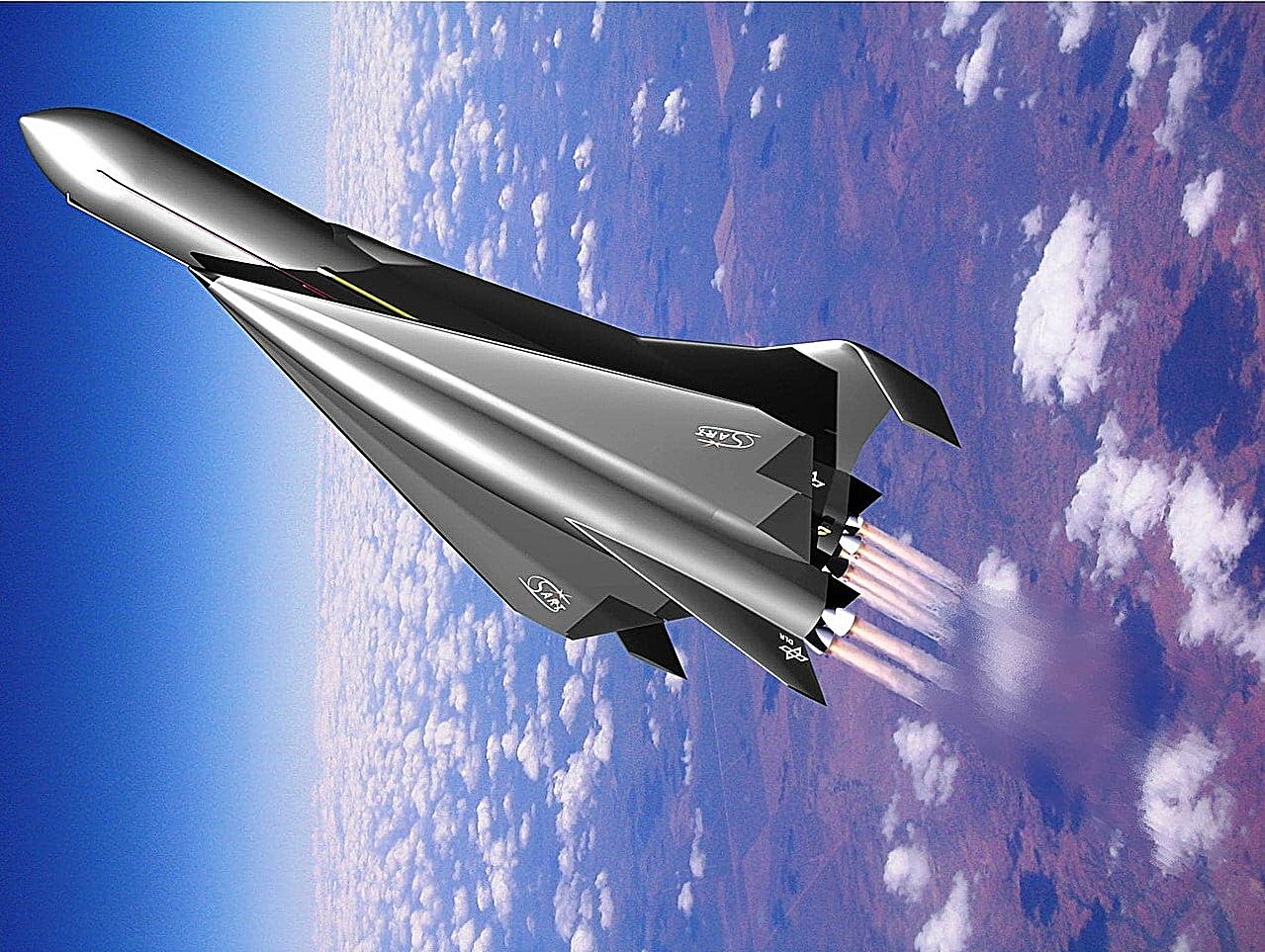
At the same time, experts note that there is a European alternative to Starship. This is a long-term project called RLV C5. It has the potential to deliver as much as 70 tons of payload into low Earth orbit.
At the same time, it will be far from a copy of what SpaceX is building. It will be a winged vehicle connected to a single-stage launch vehicle. The latter will carry it beyond the atmosphere, where it will enter orbit, leave its payload there, and return to Earth, where it will remain in flight until it is picked up by a large aircraft.
It sounds like science fiction, but until recently, this was the main idea in the field of promising space technologies, until Elon Musk convinced everyone that landing a rocket with its engines running was easier.
Repeated studies confirm that this is indeed the case from an organizational and structural point of view. However, in terms of fuel consumption and, accordingly, the payload that can be placed into orbit, the situation is different. In this case, systems capable of aerodynamic flight have an advantage.
According to phys.org

