

In the vast Universe, white dwarfs play the role of long-lived objects. These dense cores of dead stars, similar to the Sun, are the final state for the vast majority of stars. When, in billions of years, our Sun exhausts its energy, it will swell into a red giant and then turn into such a white dwarf. In the extremely distant future, trillions of years from now, these tiny stars will become the dominant objects in the Universe, as ordinary stars will have disappeared.
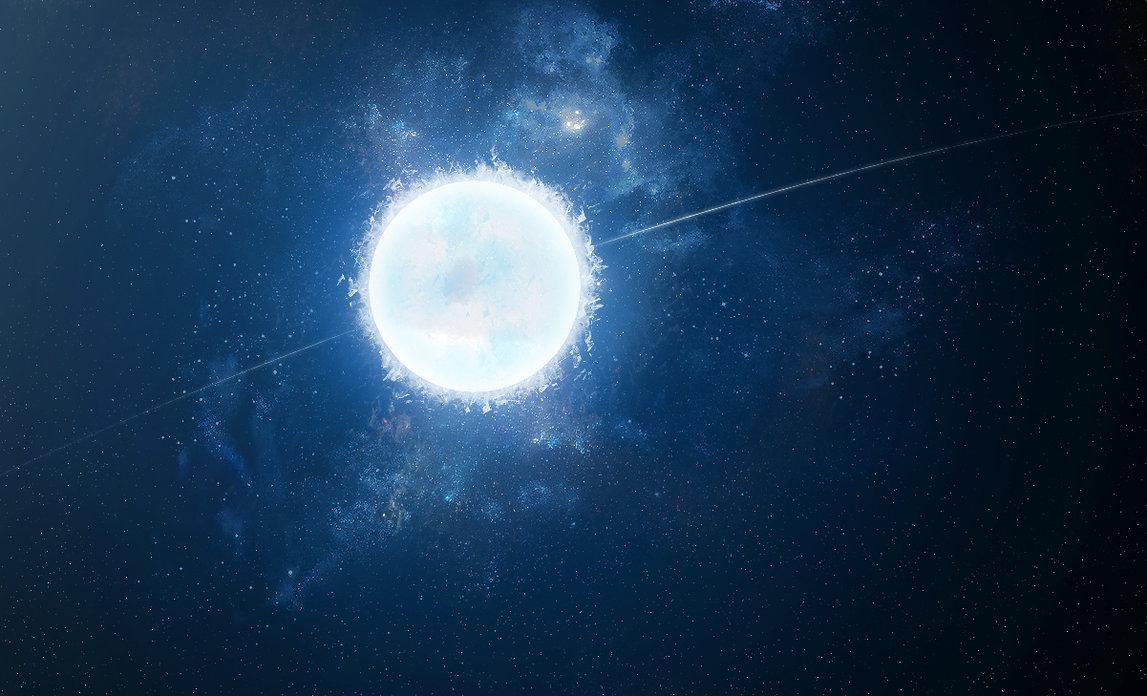
Unlike their predecessors, white dwarfs do not feed on nuclear reactions. Their structure is supported by an unusual quantum force — the pressure of degenerate electron gas, which categorically refuses to compress. Born at temperatures of millions of degrees, they have no source of heat and therefore gradually cool down over billions of years. The coldest white dwarf known to science, which is more than 11 billion years old, still has a temperature of about 3000 K (2727°C), which is only half the temperature of our Sun.
From white to black
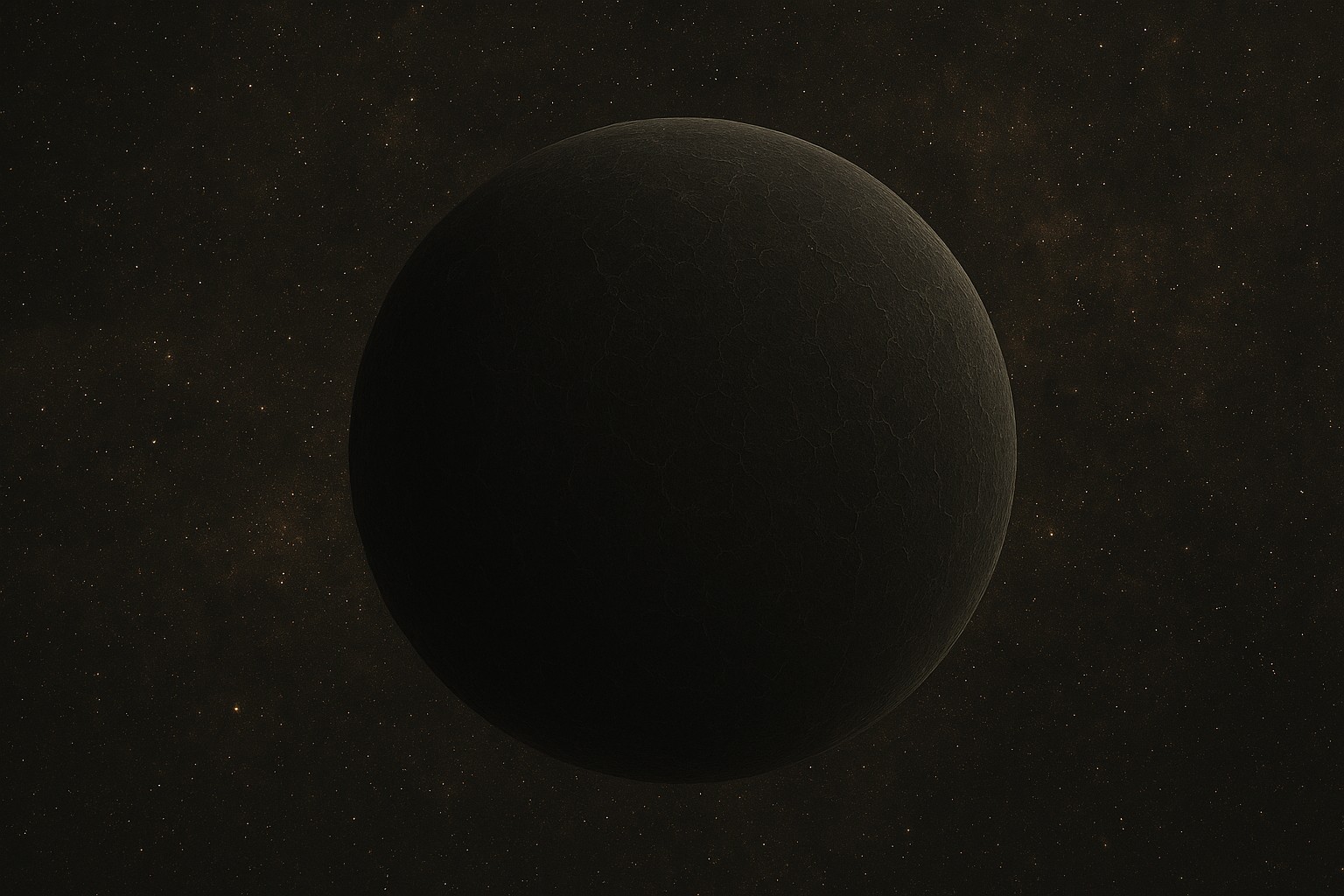
What awaits these cold cores in the future? In about 10 trillion years, the white dwarf will cool down so much that it will practically stop emitting visible light. It will become a black dwarf — an invisible, cold, and completely dead object.
It is important to understand that black dwarfs do not yet exist in our modern Universe, as they are still too young for this. The first such objects will only appear in a trillion years.
Possible scenarios of death
Even eternity comes to an end someday. Physicists propose several hypothetical scenarios for the demise of black dwarfs in the incredibly distant future.
- Quantum evaporation. Due to the effects of quantum gravity, pairs of particles can be born in the interior of a dwarf star, “paying” for their appearance with the star’s energy. Over the course of 1078 years, this process can completely “evaporate” a black dwarf.
- Pulsar explosion. After an even longer period of time (between 101100 and 1032000 years), a catastrophic explosion may occur. Due to quantum fluctuations, carbon and oxygen nuclei in an ultra-dense environment may suddenly fuse, causing a chain thermonuclear reaction. This will lead to a colossal supernova explosion that will illuminate the long-darkened Universe.
Thus, even after trillions of years of silent darkness, the last heirs of the stars can put on an incredibly bright show, becoming the final flashes of light in the history of the Universe. This will happen so far in the future that our era of active stars will seem like only a fleeting bright moment.
Earlier, we described how the Universe would die.
According to Space

