

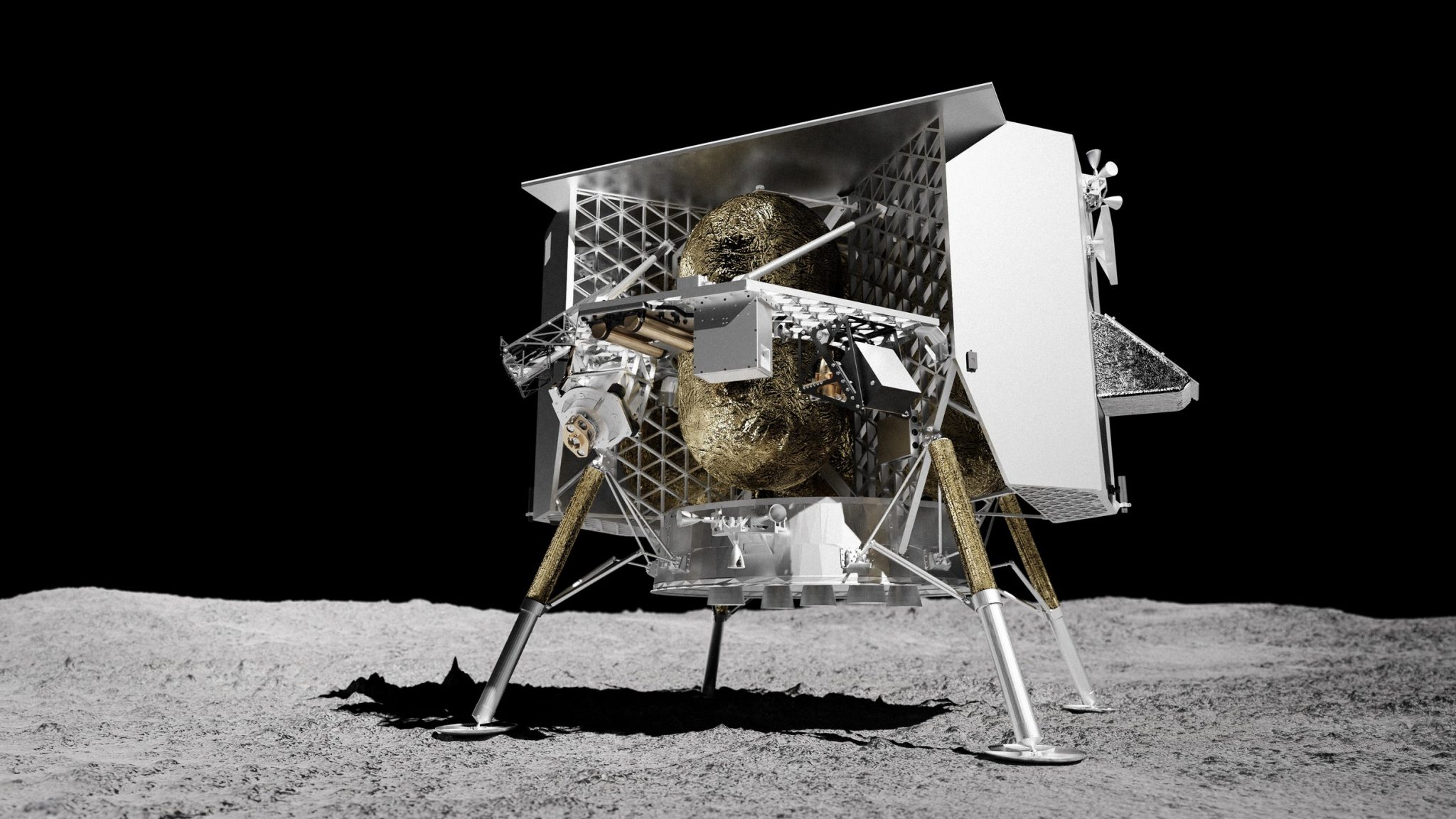
In January 2024, Astrobotic’s Peregrine private lunar module was supposed to become the first private spacecraft on the Moon. Launched by a Vulcan rocket, it carried scientific instruments from NASA. However, there was a mysterious addition on board: cremated human remains and DNA fragments sold by Celestis and Elysium Space for an expensive “space burial” ceremony. The mission failed due to a fuel leak, and the module burned up in the Earth’s atmosphere. But the disaster only sparked a controversy that had already begun before the mission even started.
Sacred protest
Shortly before the launch, the Navajo Nation expressed strong opposition. They filed a formal complaint with NASA and the US Department of Transportation, insisting that sending human remains to the Moon was a desecration of a celestial body sacred to many indigenous peoples.
“The Moon occupies a sacred place in our culture. Placing remains on it that would be considered garbage elsewhere is unacceptable,” the appeal said. The Navajo called for postponing the launch to assess the cultural implications.
NASA and private space
NASA’s response was ambiguous. The agency stated that it did not control the cargoes of private contractors under the Commercial Lunar Payload Services (CLPS) program: “We do not have the authority to dictate what they launch.” Companies decide for themselves what to deliver. This position seems insincere, since it was NASA’s CLPS program that made the Peregrine mission possible. Another NASA representative admitted the contradictions but assured that such missions would continue.
Business versus ethics
Celestis responded sharply to Navajo claims: “No one owns the Moon. No religion has a claim to the Moon. If we take all religions into account, then no space mission will ever be approved. We do not allow religious beliefs to dictate the rules of space progress.
Although this statement is formally correct — the Moon does not belong to any state or nation — it ignores the profound cultural significance of the moon for millions of people. This raises an important question: does the absence of an owner mean that anything is permitted? Does humanity want to see the moon decorated with corporate logos or covered in trash?

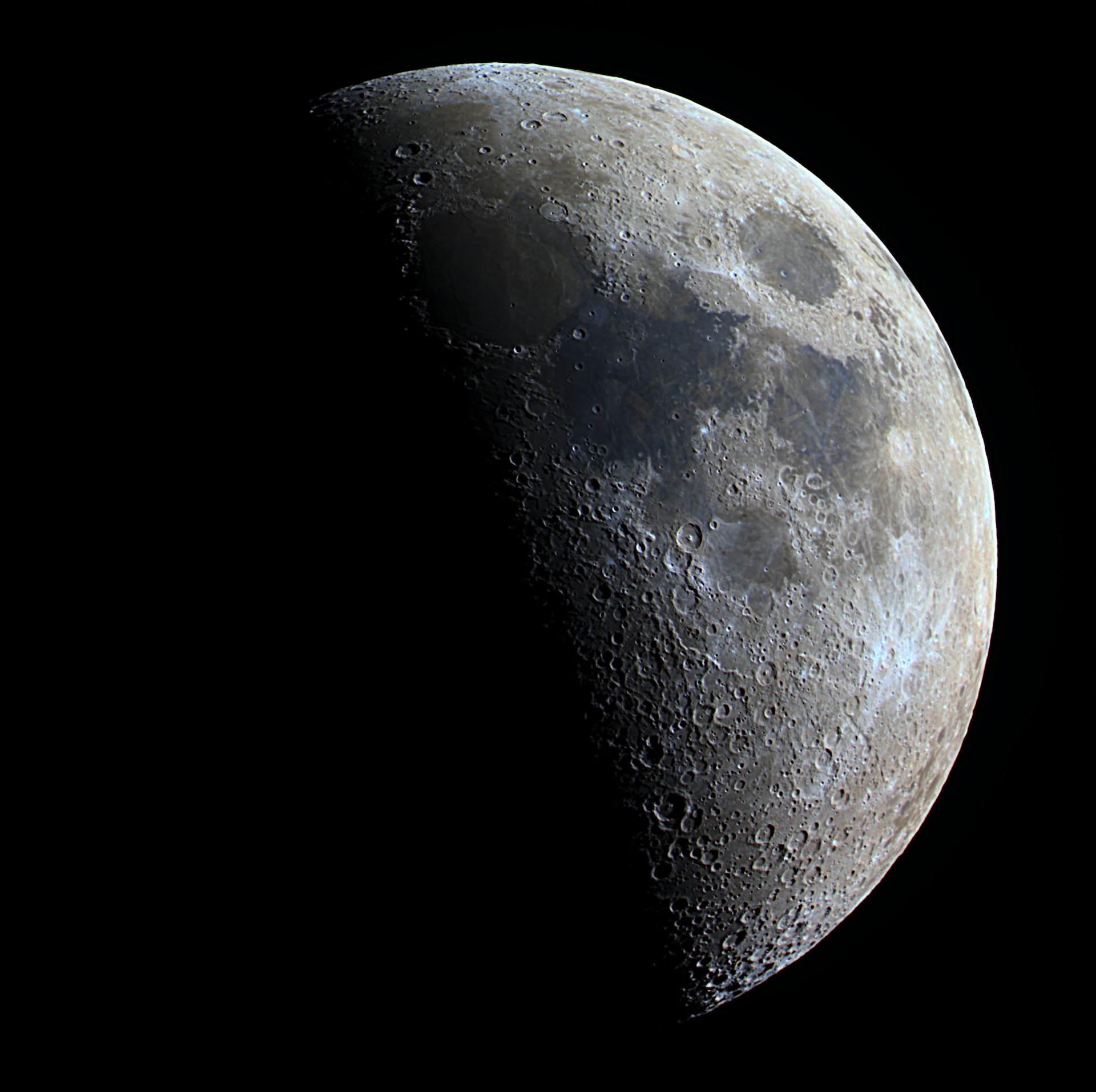
The Peregrine incident went beyond a single complaint. It revealed the urgent need for a global discussion on the status of the Moon as a unique cultural landscape for all of humanity. The Moon is not just an object of research or a resource. It is an eternal companion that has shaped mythology, calendars, and observations of the Universe for every culture throughout history. Its appearance changed only in our understanding, remaining constant in the sky.
Path to consensus
The industrialization of the Moon is inevitable. But unlike Earth, where we can choose where to live, the Moon will remain the only one visible to everyone. The decisions of a single country or company can permanently alter its image for all of humanity. Currently, there are no international rules governing the activities of individuals or companies on the Moon with regard to cultural heritage.
The Navajo complaint is not merely a religious objection. It is a powerful call to recognize the moon as a shared heritage. Before intensifying development, humanity needs to develop common ethical principles and a legal framework. The choice we make today will determine how future generations view the Moon.
According to phys.org

