

NASA’s Curiosity rover has made a unique discovery: it has found the most complex organic molecules ever detected on another planet in ancient Martian rocks. These are long carbon chains consisting of 12 atoms — decane, undecane, and dodecane. They have been preserved in fossilized water formations, which indicates the existence of advanced carbon chemistry on the Red Planet in the past.
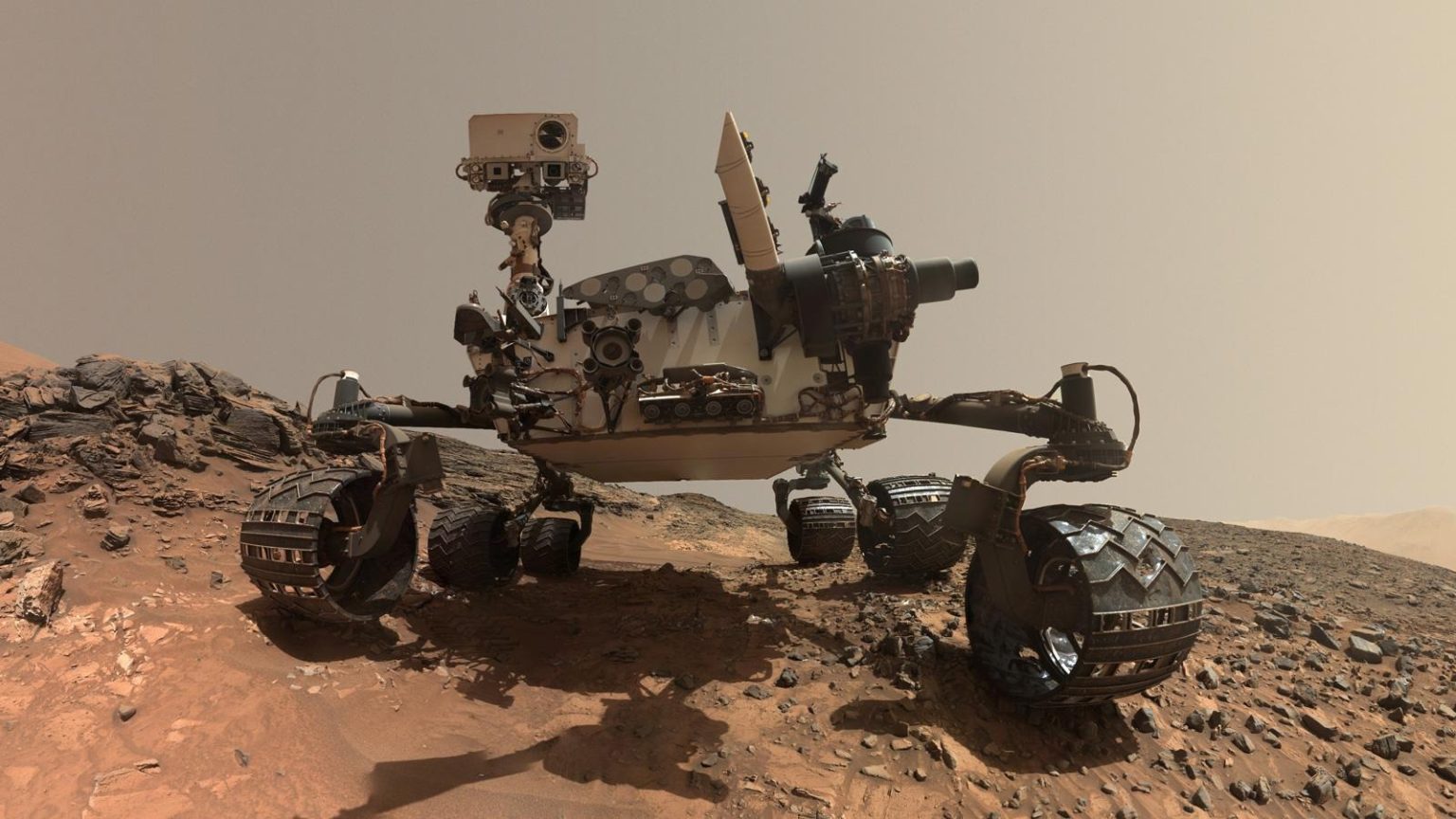
Decane, undecane, and dodecane are hydrocarbons, long chains of carbon and hydrogen. On Earth, they are often associated with petroleum. Their size of 12 atoms makes them the largest organic molecules found outside Earth. Previously, Mars rovers had only detected simple compounds such as methane. Curiosity detected these molecules using the SAM instrument: it heated rock samples and analyzed the gases released. Scientists are still unable to determine the origin of these structures — whether they were formed by geological processes, brought by meteorites, or perhaps linked to ancient life. All possibilities remain open.
Where were the molecules found?
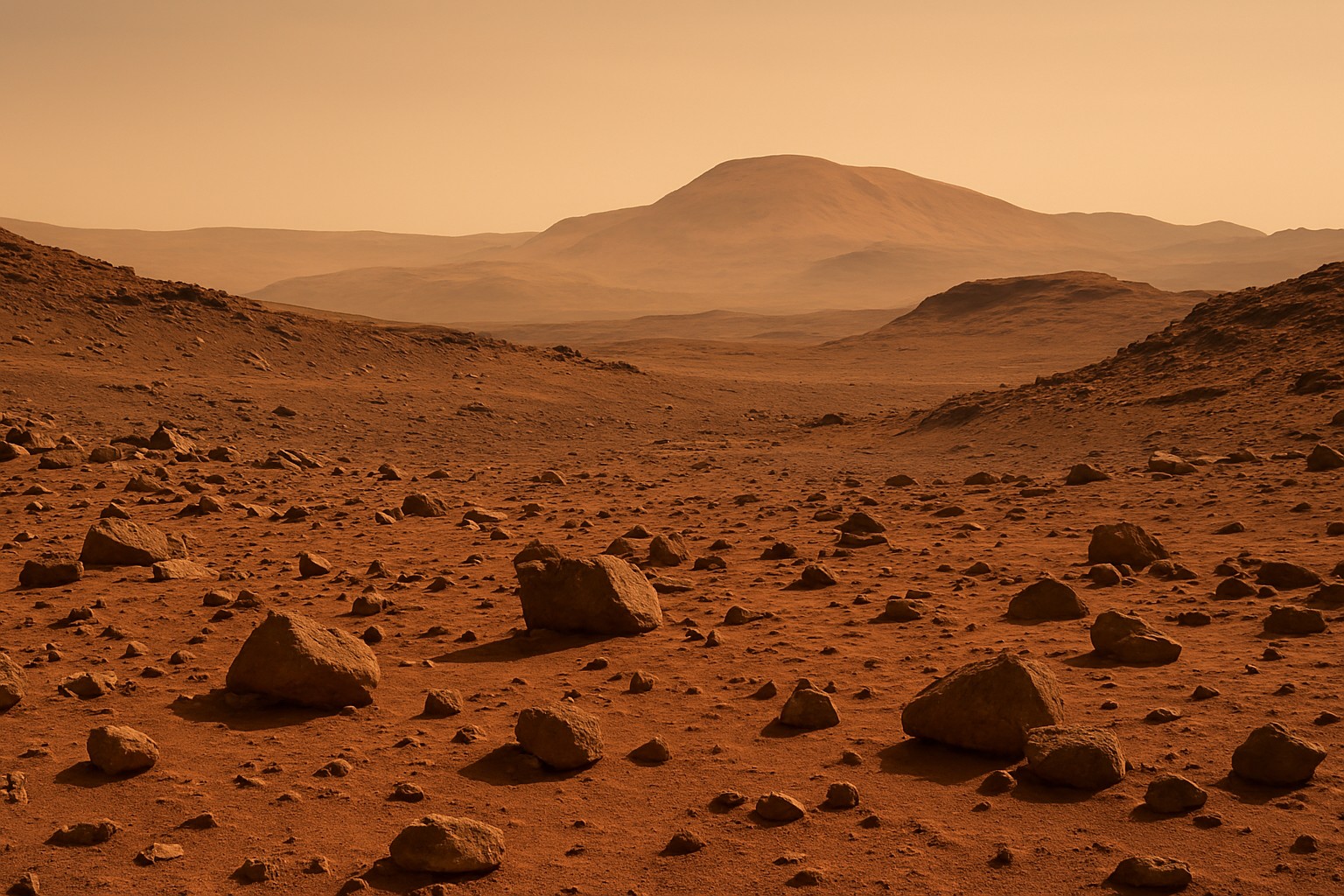
The molecules were found in a region called “boxwork” — amazing geological structures resembling a stone web. They were formed billions of years ago when water seeped through cracks in the rock, leaving mineral deposits behind. Over time, the softer rocks eroded away, leaving behind the hard mineral ridges. This indicates the long-term presence of water, which created stable conditions for complex chemical reactions. Curiosity took two samples in November 2025 and completed the analysis in January 2026, after a break due to solar conjunction, when communication with Earth was impossible.
13 years of Curiosity research
Curiosity has been continuously exploring Mars since August 2012. Its mission, which was originally planned to last two years, has now been going on for more than 13. He climbs the slopes of Sharp Mountain in Gale Crater, studying geological layers that formed billions of years ago. Earlier, the rover confirmed that there was once a lake in the crater suitable for microbial life and detected changes in methane levels indicating active underground processes. The new discovery is the most complex organic molecules ever found on Mars.
Curiosity will continue to study the Boxwork region in 2026, examining new samples to determine whether these molecules are widespread. At the same time, another NASA rover, Perseverance, is collecting samples in Jezero Crater. They are scheduled to be delivered to Earth in the early 2030s. Laboratory analysis on Earth will allow for a more accurate determination of the origin of the organic matter.
If Perseverance also finds similar molecules, it would mean that complex chemistry was widespread on Mars. So far, the discovery confirms the main point: Mars has preserved organic compounds for billions of years. Whether they are related to life will be revealed by future missions.
We previously reported on how non-biological processes cannot explain the organic matter found on Mars.
According to futura-sciences.com

