

On August 13, the third launch of the Vulcan rocket took place from Cape Canaveral Space Force Station. It successfully launched two spacecraft into geosynchronous orbit, demonstrating its reliability.
LIFTOFF of the United Lunch Alliance Vulcan rocket, continuing ULA's soaring legacy in national security space launch!
Launch info: https://t.co/ZNSovZl0Lu
Photos: https://t.co/QbM4zpZ6I1 pic.twitter.com/vU4hw4F0PI— ULA (@ulalaunch) August 13, 2025
The Vulcan rocket was developed by launch operator ULA (a joint venture between Lockheed Martin Space and Boeing) as a replacement for the Atlas V launch vehicle. It has a two-stage design with the option of adding side solid-fuel boosters. It is 60 meters high and 5.4 meters in diameter. In its most powerful configuration, the rocket will be able to launch up to 27 tons into low Earth orbit.
The first stage of Vulcan is equipped with two BE-4 engines built by Blue Origin. They use methane as fuel and liquid oxygen as an oxidizer. The second stage is equipped with a pair of RL-10 oxygen-hydrogen engines.
Initially, the date of the rocket’s first flight was announced as 2020. However, due to various technical issues and the impact of the COVID-19 pandemic, it has been postponed several times. As a result, Vulcan’s first flight took place in January 2024. The rocket sent the Peregrine spacecraft, built by Astrobotic, to the Moon. The launch was successful, but due to an accident involving the spacecraft itself, it never reached its destination.
However, during the second mission, an unpleasant incident occurred when the nozzle of one of the solid-fuel boosters broke. Because of this, the first and second stages of the rocket had to operate longer than planned to compensate for the loss of thrust and bring the payload into the desired orbit.
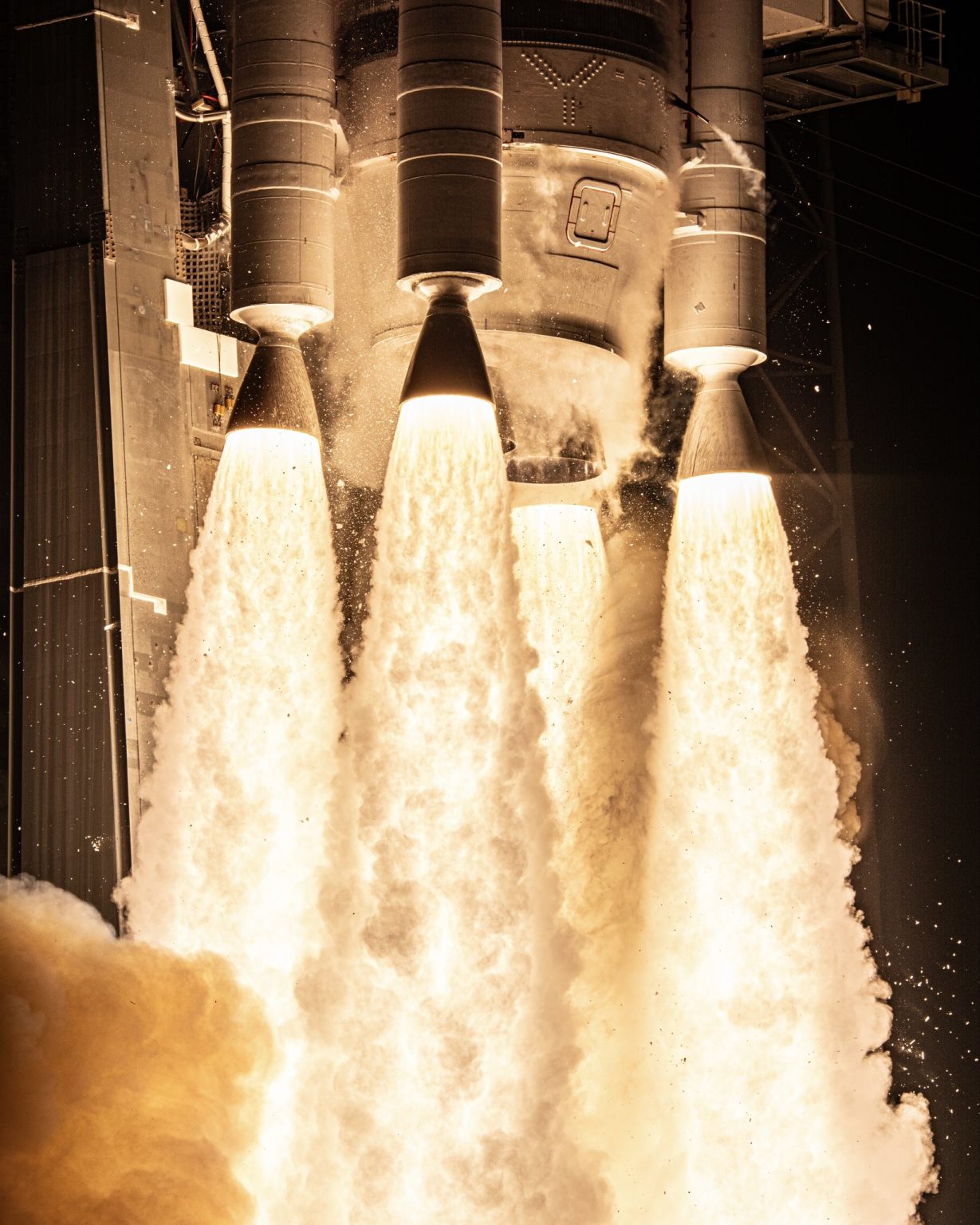
Despite the nozzle incident, the US military still certified the rocket for use in missions commissioned by the US Space Force. As part of its third mission, two payloads were placed on board: the NTS-3 experimental device, designed to test improved atomic clocks and navigation technologies for the next generation of GPS, and a secret military satellite.
The third launch of Vulcan took place on August 13 and was successful. The rocket delivered both satellites into geostationary transfer orbit.
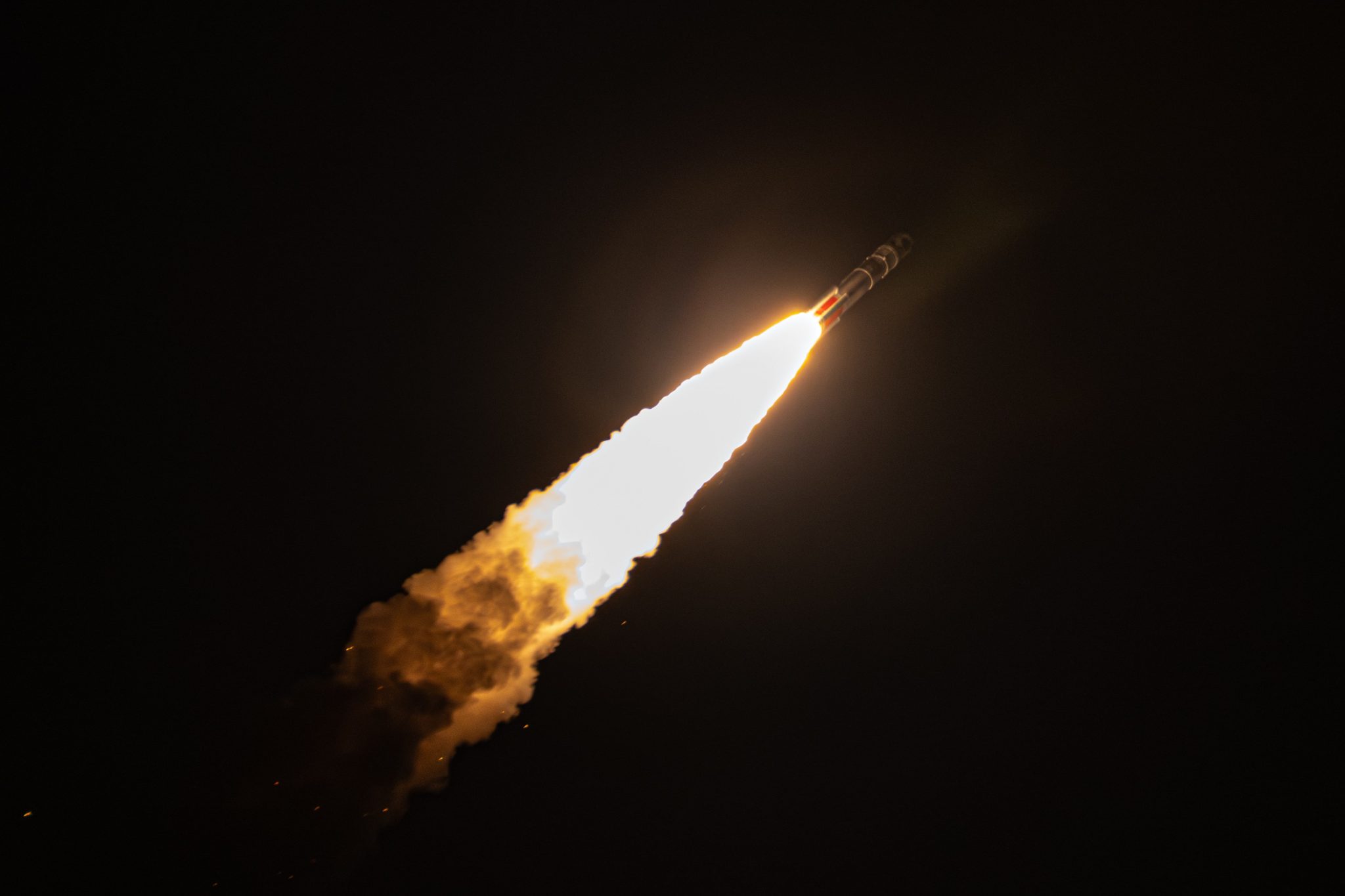
This success is very important for ULA, as it demonstrated the reliability of the new launch vehicle. Now the company will be able to secure more military contracts, allowing it to compete with SpaceX.

