

The US is planning to push ahead with plans to build a space nuclear reactor. The first such facility is expected to be operational on the Moon as early as 2030.
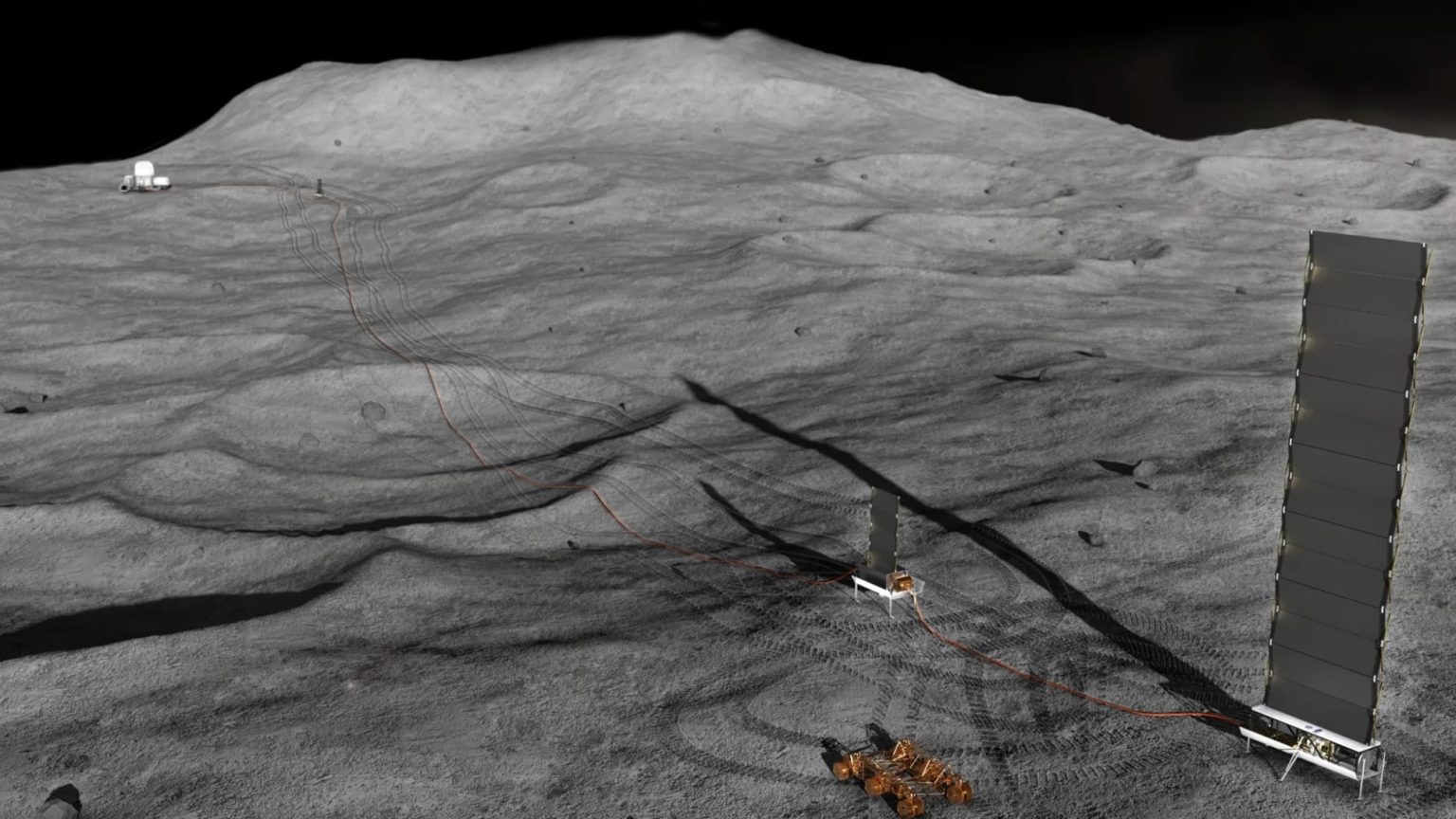
The new NASA directive, first reported by Politico, calls for the appointment of a “king” of nuclear energy, who will have six months to select two commercial proposals, justifying this as extremely important for staying ahead of joint efforts by China and Russia.
The memorandum signed on July 31 by acting NASA Administrator Sean Duffy (who is also the US Secretary of Transportation) is the latest sign of a shift in US space policy toward prioritizing human space exploration over scientific research.
“Since March 2024, China and Russia have announced on at least three occasions a joint effort to place a reactor on the moon by the mid-2030s,” the document says.
“The first country to do so could potentially declare a keep-out zone which would significantly inhibit the United States from establishing a planned Artemis presence if not there first.”
The idea of using nuclear energy outside the planet is not new. According to the directive, NASA has invested $200 million in the development of small, lightweight nuclear fission-based systems since 2000, but none of them have reached flight readiness. The latest efforts were made in 2023 with the completion of three industry research contracts worth $5 million, which focused on creating a reactor capable of generating 40 kilowatts of energy.
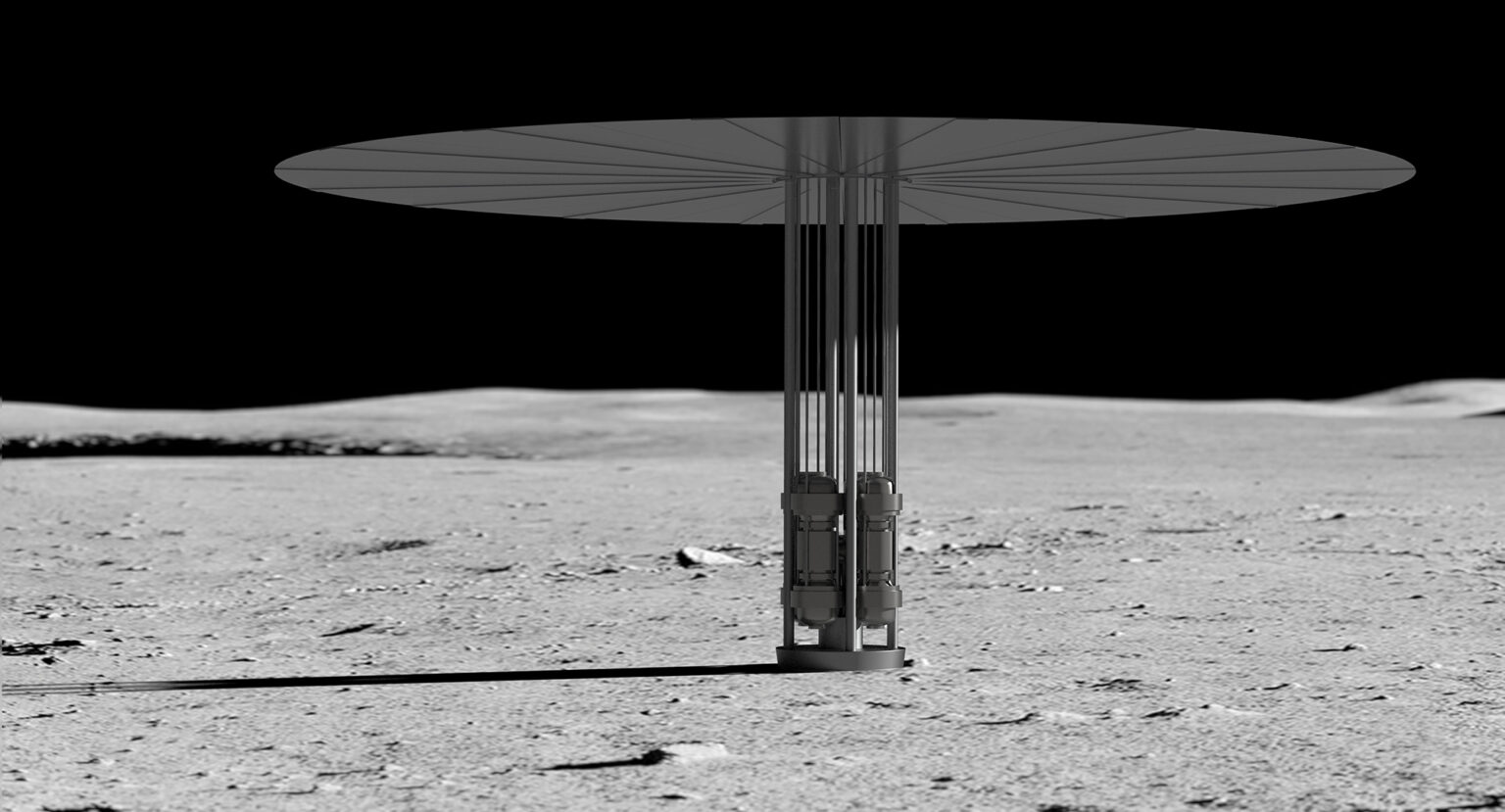
Unlike solar energy, nuclear fission-based systems can operate around the clock, which is invaluable during weeks-long lunar nights or Martian dust storms. Thanks to technological advances, such systems are becoming increasingly compact and lightweight.
According to industry representatives, the energy requirement on the surface needs to be at least 100 kilowatts to support “long-term human activity, including the use of on-site resources,” i.e., things such as life support systems, communications, and mining equipment for collecting surface ice.
A heavy landing module capable of carrying up to 15 tons of cargo is expected to be used to deliver the reactor. The document sets the goal of ensuring that it is ready for launch by the end of 2029.
It is worth noting that the Artemis program has faced constant delays. The launch date for the Artemis III mission is now set for 2027. However, given that SpaceX’s landing craft is still far from ready, few believe that this date is realistic. For its part, China is planning its first manned mission for 2030 and has demonstrated a much greater ability to meet its deadlines in recent years.
According to Phys.org

