

On the night of January 3, 2026, we will witness a unique spectacle: an extremely bright supermoon, known as the Wolf Moon. This phenomenon will be the result of a unique combination of several cosmic factors, making it a real treat for astronomy enthusiasts and anyone who appreciates the beauty of the night sky.
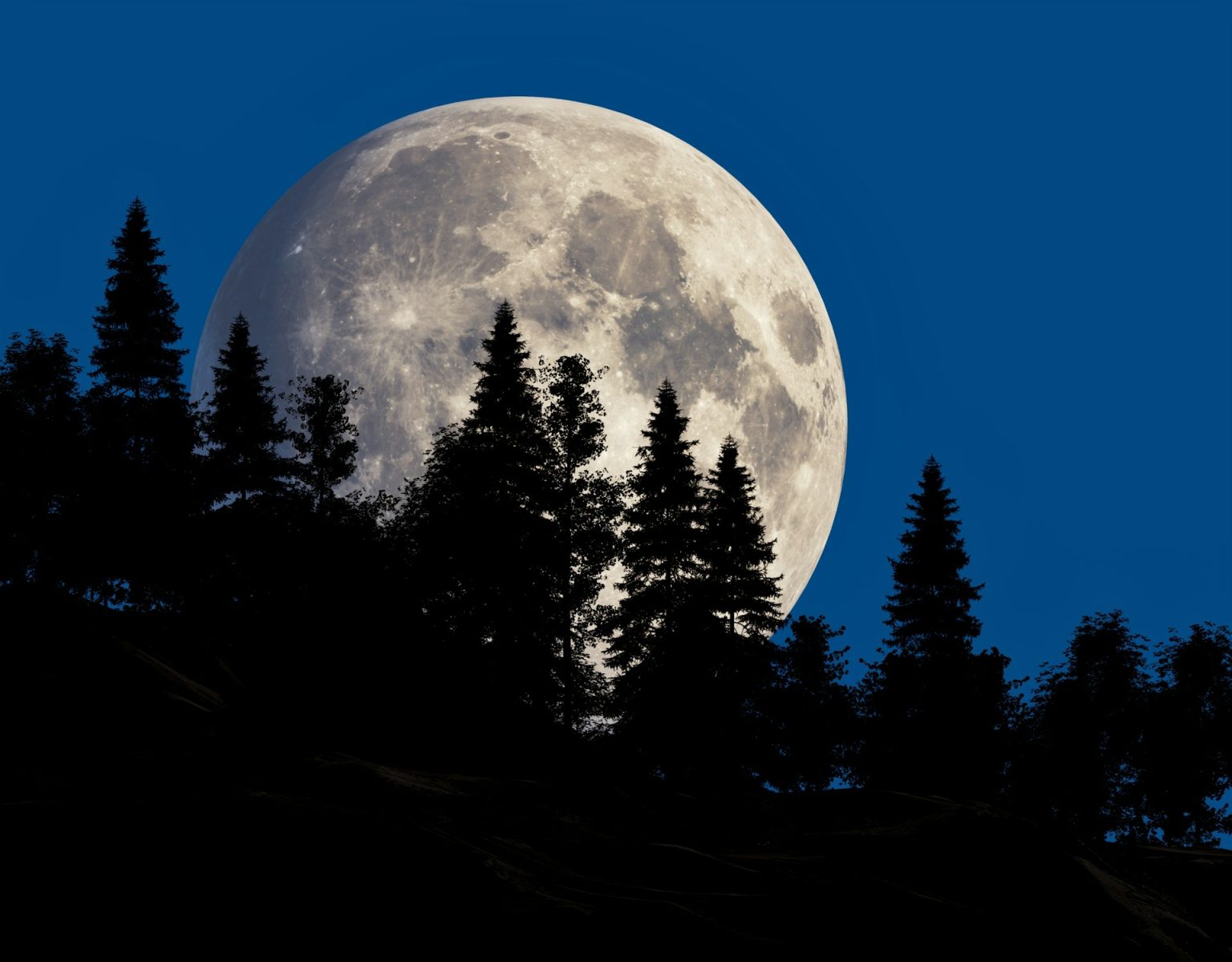
A supermoon occurs when the full Moon coincides with perigee, the point in the Moon’s orbit closest to Earth. Since the Moon’s orbit is elliptical, its distance from us constantly changes. During a supermoon, our natural satellite is 14% larger and shines 30% brighter than at its furthest point.
A rare coincidence
The January full Moon is traditionally called the Wolf Moon. However, in 2026, it will become truly unique thanks to a triple coincidence.
- Perigee of the Moon. On January 3, the Moon will approach the Earth at a distance of about 362,300 km.
- Perihelion of the Earth. At around this time, our planet will be at the closest point to the Sun in its orbit. This means that the Earth-Moon system will receive more sunlight, adding about 6.5% to the Moon’s brightness.
- Winter sky. Cold air in the Northern Hemisphere is usually clearer and less humid, making conditions ideal for observation.
This rare combination of factors will transform an ordinary supermoon into one of the brightest and most beautiful phenomena of its kind in a long time.
How and when to observe the Wolf Moon?
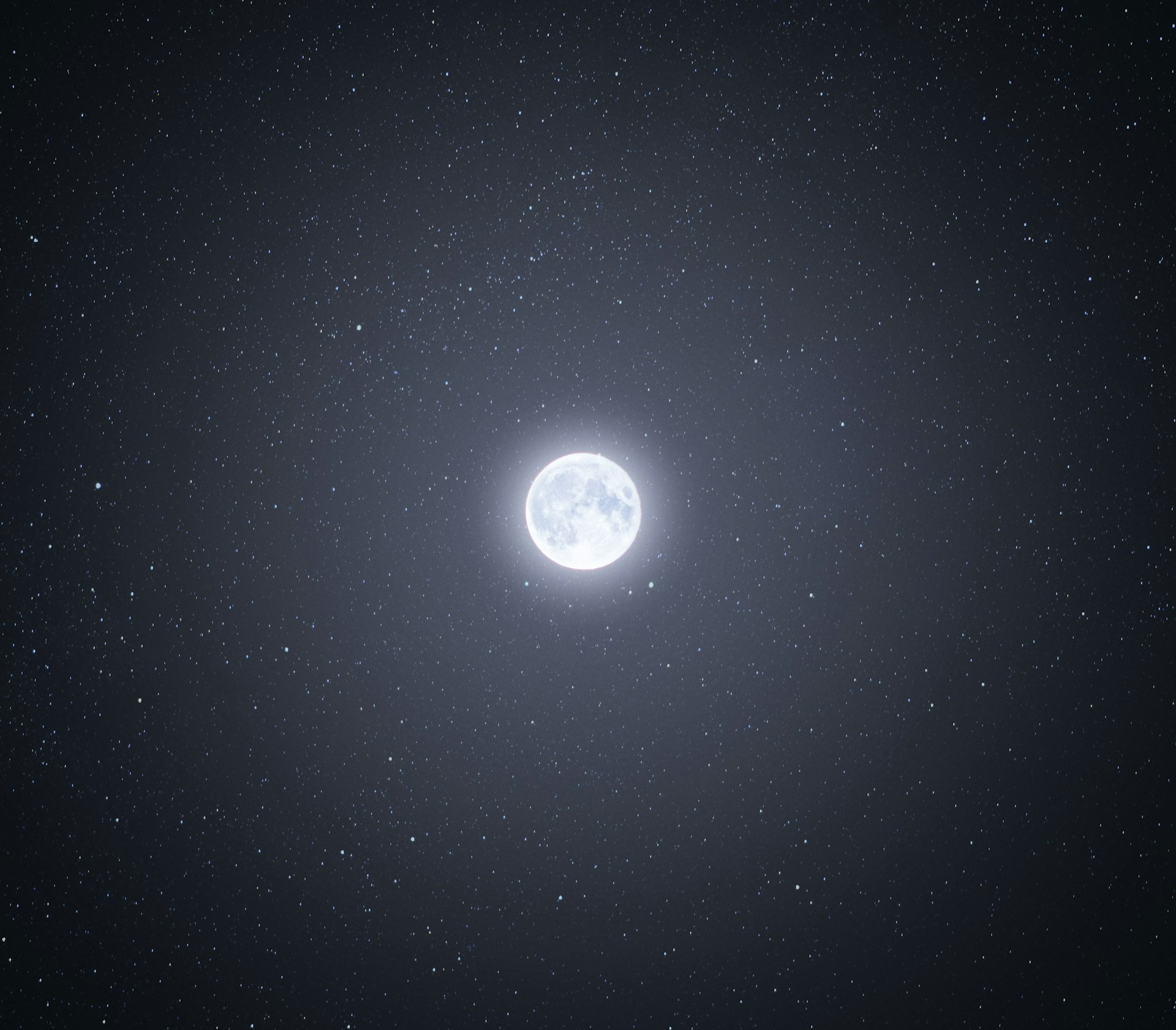
The best time for observation is the night of January 3 to 4, 2026. Look for the Moon in the east after sunset. You do not need a telescope or binoculars to enjoy the view – just go outside to an open space with a clear view of the southeastern horizon. However, if you have optics, you will be able to see the details of the lunar surface with incredible clarity.
Do not miss the next opportunity
It is worth taking advantage of this opportunity, as the next full supermoon will not occur until November 24, 2026. So, mark the date on your calendar and get ready for an exciting cosmic show that combines the power of nature, the laws of celestial mechanics, and unforgettable aesthetics.
Earlier, we talked about interesting celestial events in 2026.
Provided by: BBC

