

Ukrainian engineers and military personnel showed journalists a prototype laser air defense system called Sunray, capable of shooting down small aerial targets, primarily drones. As described by The Atlantic, the setup looks like an amateur telescope with cameras and can be mounted on a pickup truck. During the demonstration, the operator aimed the system at a small drone, and a few seconds later it caught fire and fell — the shot was silent and without a visible beam.
According to the developers, whose existence had not previously been publicly disclosed, the prototype took approximately two years to create and cost several million dollars, while the expected price of the mass-produced product could be several hundred thousand dollars. For comparison, the author cites the American shipborne laser HELIOS, which Lockheed Martin developed under a 2018 contract, with the first system installed on a destroyer approximately four years later.
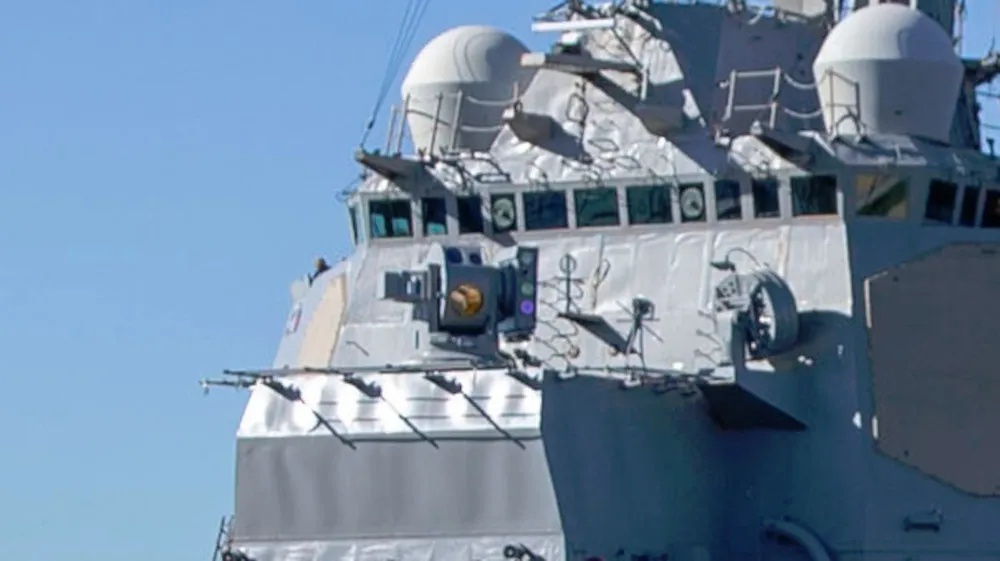
The emergence of Sunray is linked to a broader task: due to massive strikes by the Russian Federation and a shortage of Western air defense systems, Ukraine is trying to quickly deploy a budget dome against drones and cruise missiles so as not to waste expensive interceptor missiles on cheap targets.
How does it work? The technologies required for anti-drone lasers — precision guidance, tracking of small fast-moving targets, beam stabilization, and atmospheric compensation — are similar to the tasks performed by ground-based optical infrastructure in the space industry: satellite and debris tracking, laser rangefinders (SLR), and adaptive optics solutions that help telescopes obtain clearer images despite atmospheric turbulence.
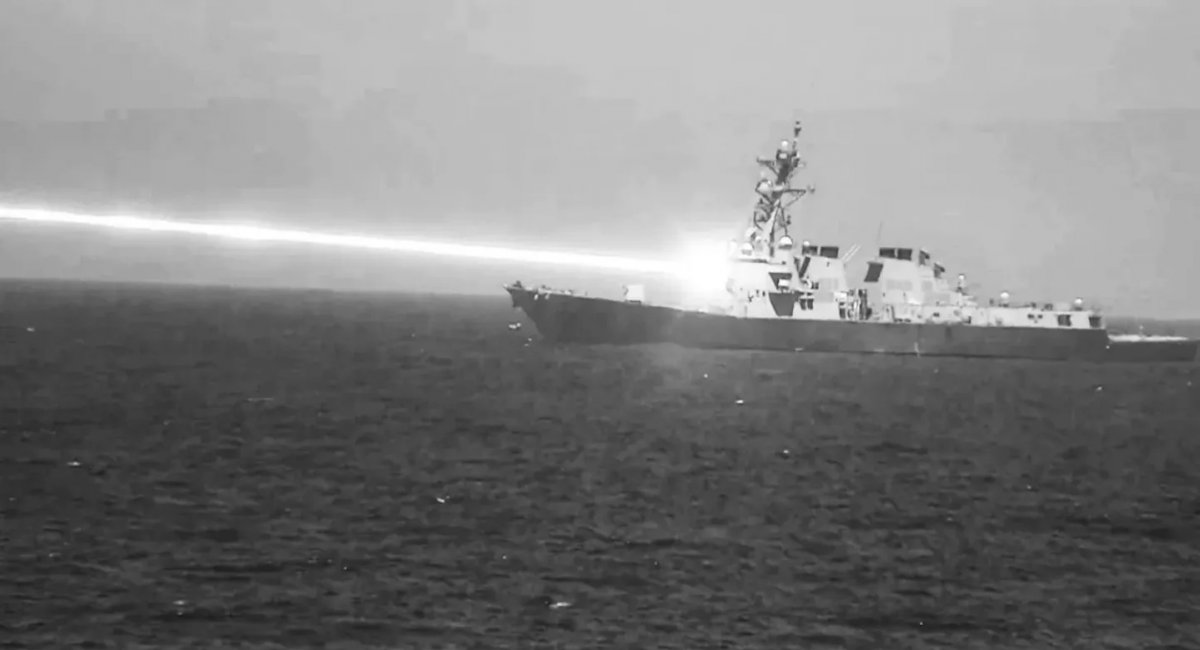
Thanks to this, the system detects and tracks the target with cameras (and sometimes radar), the computer precisely holds the beam on a single point on the drone, and then the laser transfers energy in the form of heat. Within seconds, the body, wiring, or propeller/motor at the point of impact heats up and breaks down, the battery may catch fire, and the drone loses control and crashes. The shot is usually silent and without a visible beam: the beam is often in the infrared range and is only visible in fog/dust or on special cameras. Effectiveness depends heavily on range, power, dwell time on target, and weather conditions — rain, fog, and smoke scatter light and reduce effective range.
Want to figure out where the sensational headlines end and real physics begins in stories about “laser air defense”? In our article “Star Wars is here,” we explain in simple terms how laser weapons work, why they are called “cheap shots,” what limitations fog, rain, and dust impose, and in what scenarios lasers can truly enhance modern air defense. This is a concise but informative guide without any fantasy — after reading it, news about “beams that shoot down drones” takes on a whole new meaning.
According to theatlantic

