

For millennia, humans have gazed upward at the sky, populating it with entities and concepts significant to them on Earth. Gods, demons, and heroes — all found their respective places in the celestial realm. However, most objects in the heavens have remained nameless, not due to a lack of interest, but because humans did not yet possess the capability to observe distant space comprehensively. When such capability was attained, it became evident that the paradigm had already shifted; instead of names, identifiers emerged. Instead of legends, catalogs were established. Nevertheless, occasionally, among these entries, there are names that genuinely astonish with their uniqueness and are quite unexpected within the vast, cold expanse of space.
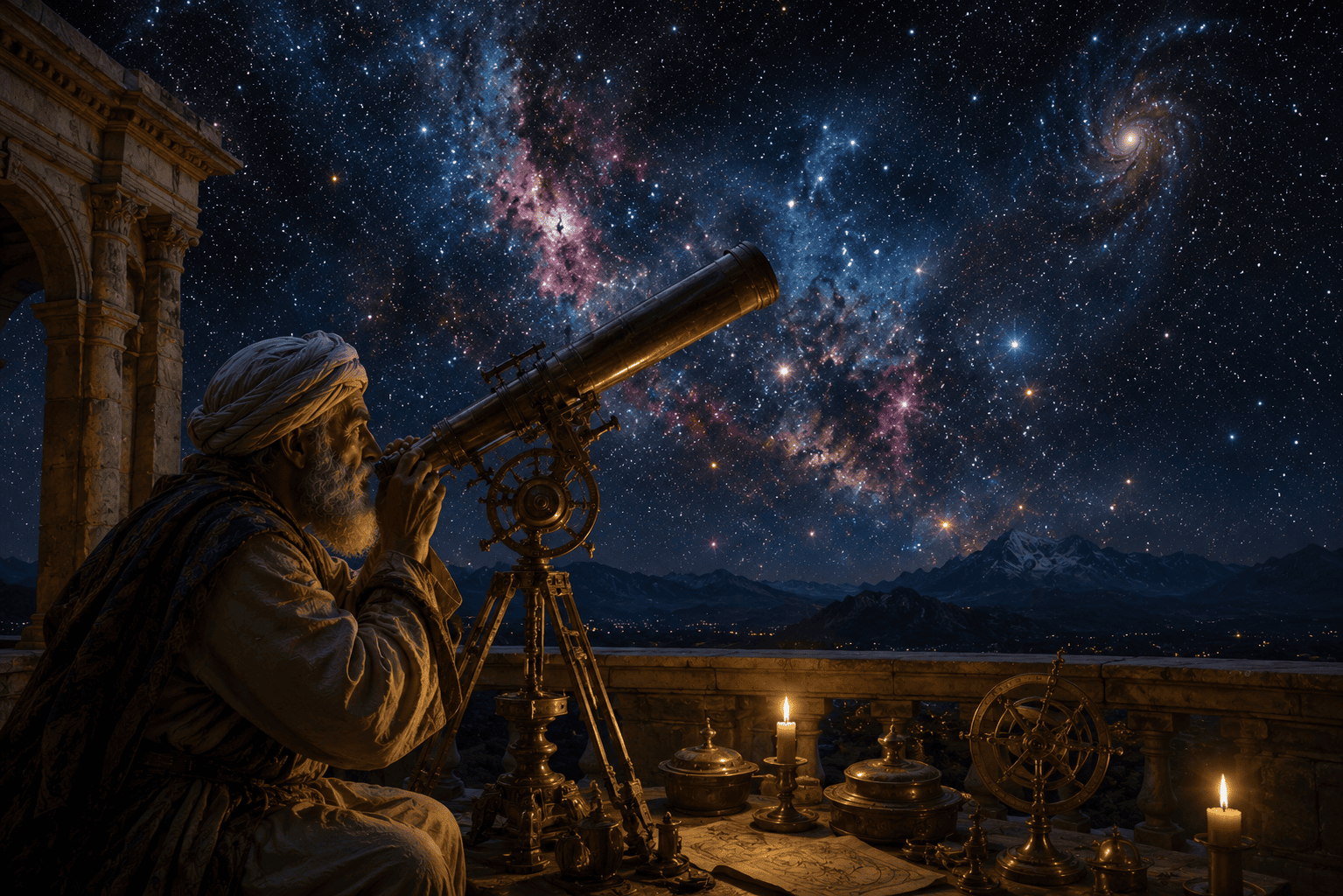
Given names
There are names that can be pronounced audibly while observing the sky, and there are those that exist solely within tables. Proper names serve as a legacy from an era when the sky was restricted to what could be perceived with the naked eye. Identifiers are the outcome of a period when it became a limitless repository.
The ancient Greeks had long observed the five planets. They noticed that each moved across the sky in distinct manners and at unique paces. To the Greeks and Romans, these phenomena did not appear to be coincidental. Variations in brightness, color, and movement were interpreted as indicative of character. Mars, characterized by its red hue reminiscent of blood, was associated with the god of war. Venus, the brightest object in the sky, was regarded as the goddess of beauty. Mercury, which traverses the sky more swiftly than the others, was viewed as the messenger of the gods and symbolized constant motion. Jupiter, with its steady and calm luminosity, moved slowly and was perceived as embodying regal authority, the king of the gods. Saturn, situated at an even greater distance and moving more slowly, was considered the father of the gods, representing the oldest and most distant boundary of the observable universe.
The Earth does not conform to this perspective. It is not situated “up there” in the sky; rather, it is ‘right here,” beneath our feet. The name originates from the Old English word ‘eorþe,” which simply signifies “ground.” There is no mythological connotation involved.
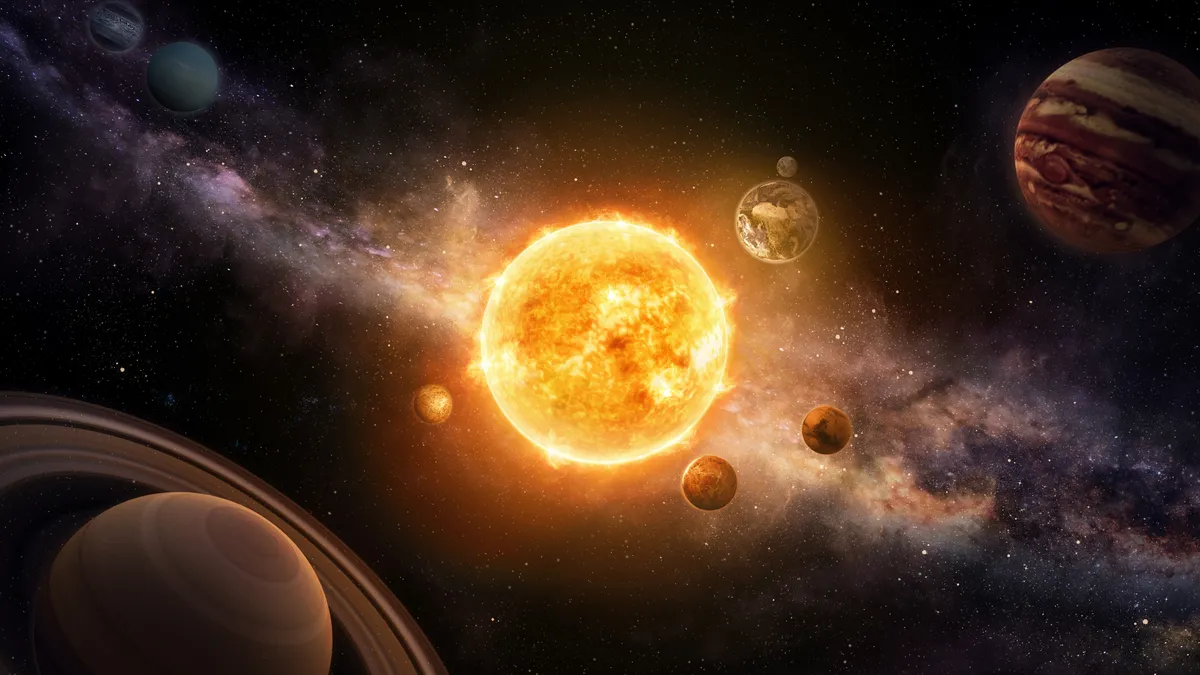
Arab astronomers of the 8th-13th centuries operated during a period that historians identify as the golden age of Islamic science. In Baghdad, Damascus, and Córdoba — these cities served as centers where Greek treatises were translated, observatories were established, and celestial knowledge was organized systematically, whereas most of Europe had yet to consider such pursuits. They compiled their own catalogs and assigned descriptive names to the stars — based on their position within a constellation or the appearance of the object.
Deneb signifies “tail” — the star located at the tail of the Swan. Aldebaran is interpreted as “the one who follows” — it trails the Pleiades across the celestial sphere. Vega is derived from the term “diving eagle.” Betelgeuse originates from the Arabic phrase “hand of Orion” — yad al-jawzā’. During the Renaissance period in Europe, when these texts were translated into Latin, the scribes interpreted the initial letter “y” as “b,” leading to the transformation of “yad” into “bet.” Consequently, Betelgeuse acquired its name.
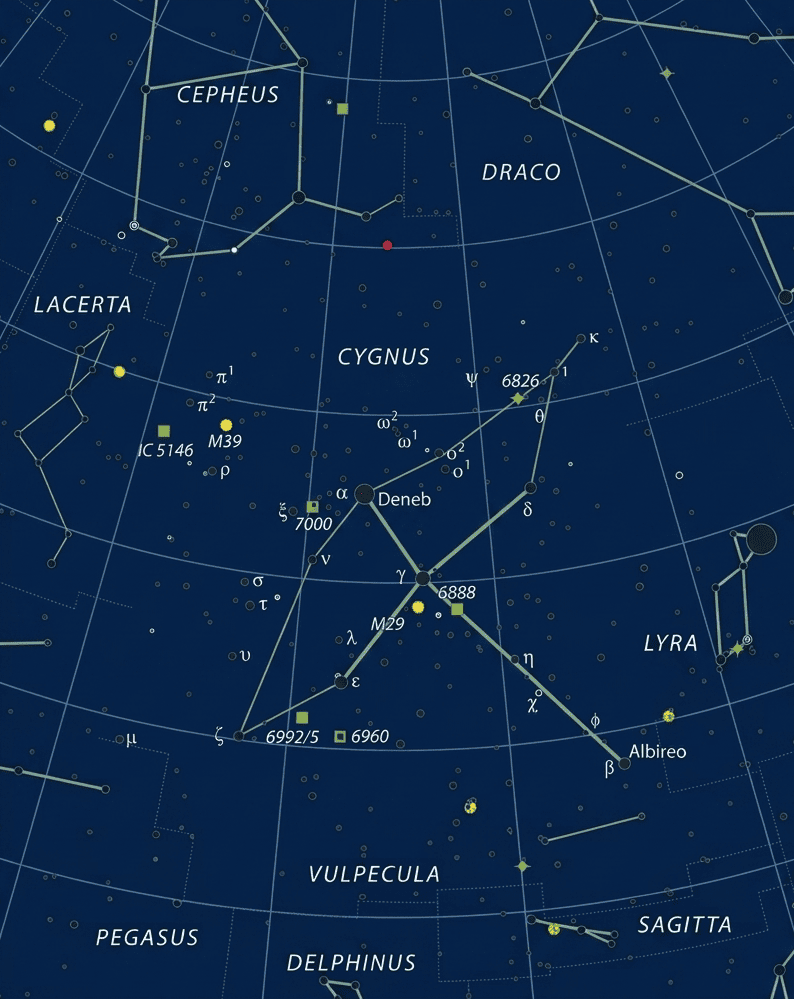
Source: wikimedia.org
However, not all Arabic names possess such poetic qualities. Algol, situated in the constellation Perseus, is called “al-Ghul.” In Arabic folklore, this designation was attributed to a creature that resides in the desert, feeds on carrion, and preys upon solitary travelers. In Ukrainian tradition, the closest comparable entity is the upyr. The star acquired this name due to its behavior: it periodically diminishes in brightness, and ancient observers perceived this as ominous — and, notably, they were not mistaken. It was later understood that the demon was not the star itself, but its invisible companion. Presently, it is known that Algol is a binary star system, wherein one component periodically eclipses the other.
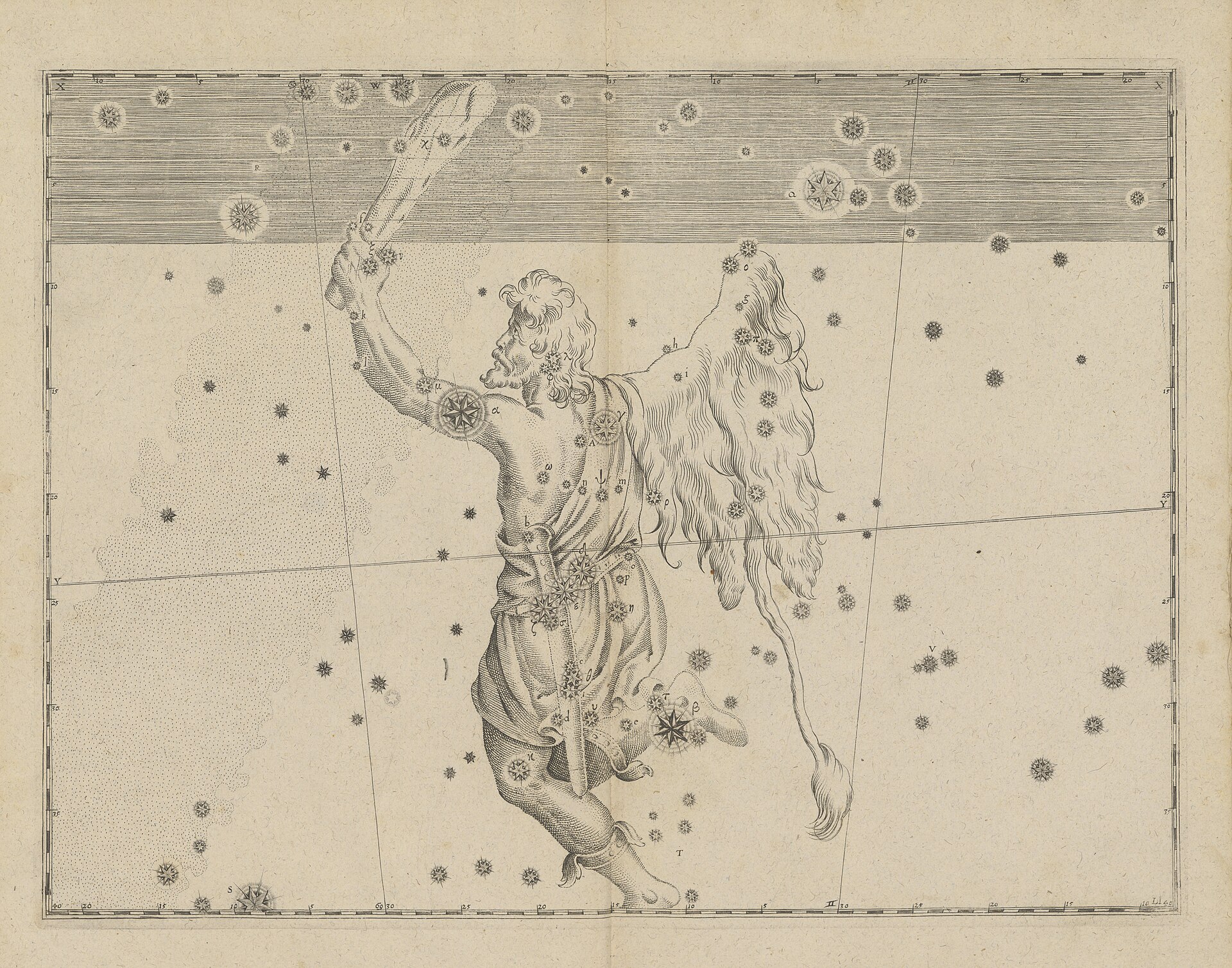
Numerous proper names existed for the brightest stars; however, the sky’s vastness prompted a growing necessity among astronomers to systematically categorize their observations. In 1603, the German astronomer Johann Bayer introduced the inaugural comprehensive naming convention. In his atlas, Uranometria, he sought to assign Greek letter designations to stars in order of their brightness, starting with alpha — the brightest within the constellation — followed by beta — the second brightest — and continuing sequentially through the alphabet. This methodology was straightforward and logical; nevertheless, it proved unsuccessful from the outset within the initial constellation.
In Orion, Bayer designated Betelgeuse as “Alpha,” despite the fact that the brighter star, Rigel, was actually assigned “Beta.” The reality is that the scientist did not organize the first-magnitude stars solely based on brightness, but rather from north to south — Betelgeuse is positioned higher in the constellation. Furthermore, Betelgeuse is a variable star and can, at times, rival Rigel in brightness. Accordingly, the designation reflects not an absolute fact, but a moment of observation, and has been thus maintained indefinitely.
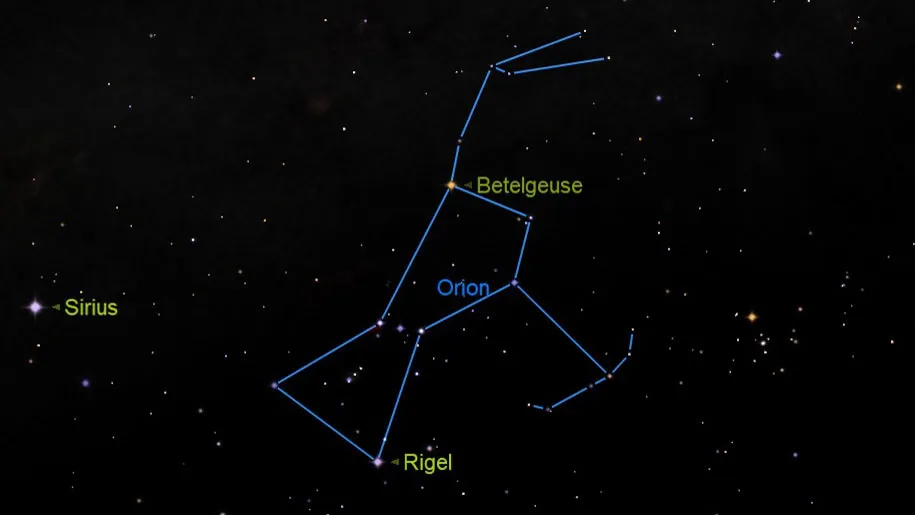
Source: starrynight.com
Another deviation from tradition transpired in 1781 when British astronomer William Herschel identified a new celestial object within the Solar System, which he designated as Georgium Sidus in recognition of King George III, the benefactor of his research. The European scientific community responded with considerable disapproval: the nomenclature contravened a millennia-old convention, which typically excluded the names of living monarchs from celestial cartography; additionally, the object was referred to as a star, contrary to astronomical classifications.
French astronomers suggested naming the planet Herschel in honor of its discoverer. Ultimately, the recommendation by German astronomer Johann Bode was adopted: Uranus, the father of Saturn in Greek mythology. This designation did not gain widespread acceptance until 1850, approximately seventy years post-discovery. Uranus remains the sole planet in the Solar System to bear a Greek name rather than a Roman one.
When the name is a coincidence
Charles Messier is renowned in the history of astronomy as the individual who compiled one of the most eminent catalogs of celestial objects. However, his original intent was markedly different. Messier was primarily engaged in the pursuit of comets, and the indistinct spots that frequently appeared in his telescope — often resembling comets — disturbed and distracted him. To prevent such interruptions from hindering his work, he began documenting these phenomena. Consequently, this effort led to the creation of a catalog of 110 objects, designated M1 through M110. In contemporary times, this catalog is among the most widely used star charts by amateur astronomers, while the comets that initially motivated the compilation have long since receded into obscurity.
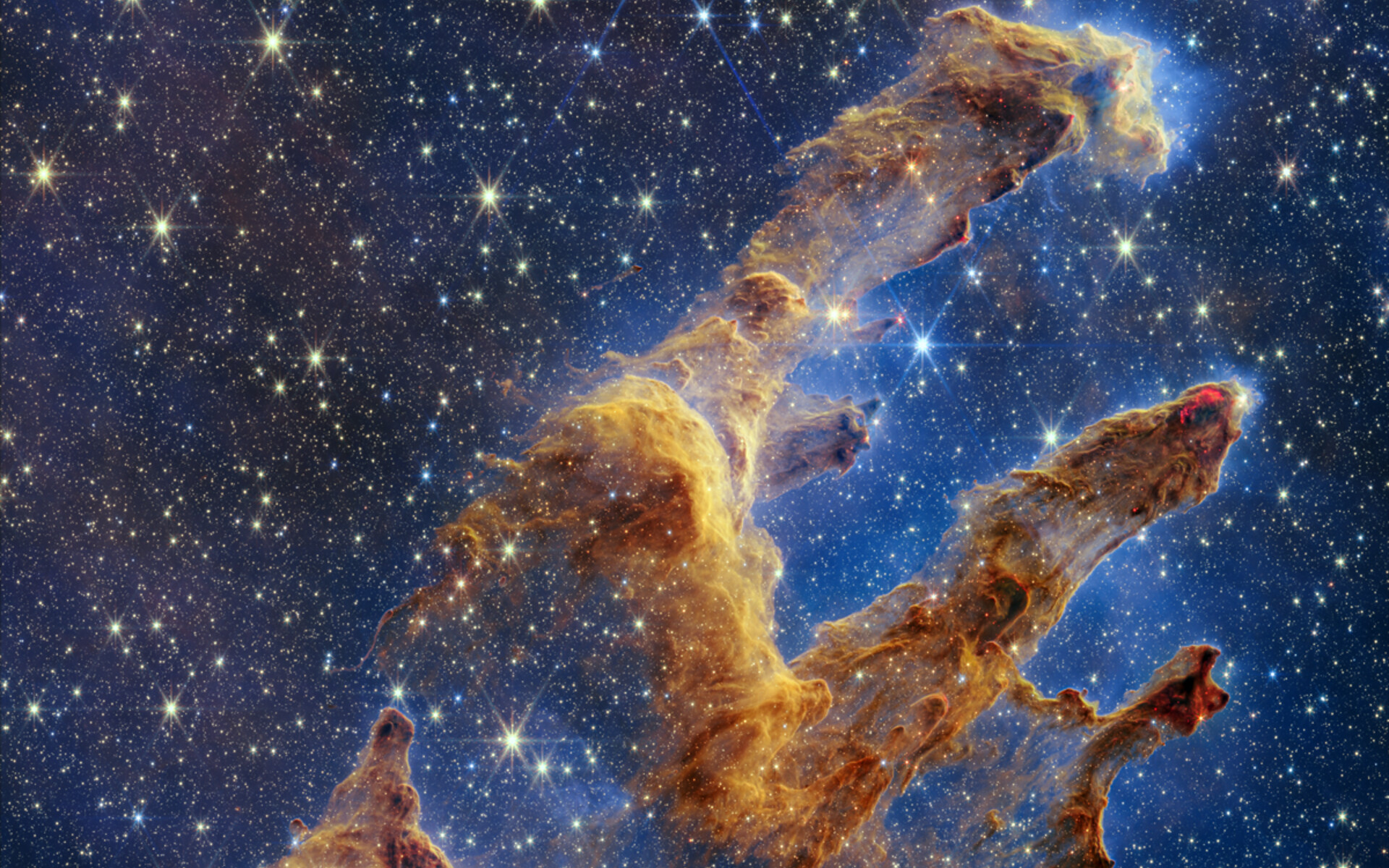
In 1995, the Hubble Space Telescope captured images of gas columns in the Eagle Nebula. Astronomers Jeff Hester and Paul Scowen, who took this image, named the structures the Pillars of Creation — because new stars are literally being born inside these columns of gas and dust. The image originates from a sermon by a 19th-century British pastor, in which the “pillars of creation” referred to the foundations of the world. The scientific term for such formations is different: “elephant trunks” — clouds of gas and dust that withstand the radiation of neighboring stars. However, ultimately, it was the non-scientific designation that became historically significant.
Occasionally, a name emerges from confusion. In the autumn of 1967, Jocelyn Bell Burnell, then a graduate student at the University of Cambridge, detected an unusual recurring signal on the radio telescope’s paper tape. This signal pulsed with impeccable regularity — once every 1.3 seconds. Such a phenomenon had not been documented previously, and the initial hypothesis was that it represented an artificial transmission.
Jocelyn and her research advisor, Anthony Hewish, designated the LGM-1 source as ‘Little Green Man 1.’ Subsequently, they identified a second similar object in a different region of the sky, leading to the dismissal of the extraterrestrial intelligence hypothesis. The natural celestial object was subsequently named ‘pulsar,’ a term derived from the English phrase ‘pulsating star.” Nonetheless, the informal nickname ‘LGM-1’ has persisted in scientific literature as a reminder of that amusing moment when scientists were uncertain about the nature of their discovery.
A similar narrative unfolded concerning quasars. In the early 1960s, radio telescopes identified potent sources of radiation resembling stars. These were designated as “quasi-stellar radio sources.” While the designation was accurate, it proved somewhat cumbersome. In 1964, astrophysicist Hong-Yee Chiu stated in the journal Physics Today that he would adopt the abbreviation “quasar” merely for convenience. This nomenclature persisted. Subsequently, it was discovered that most quasars do not emit radiation in the radio band at all, rendering the “radio source” element in the designation redundant. Nevertheless, they continued to be known as quasars — the name enduring beyond its initial descriptive accuracy.
The strangest names
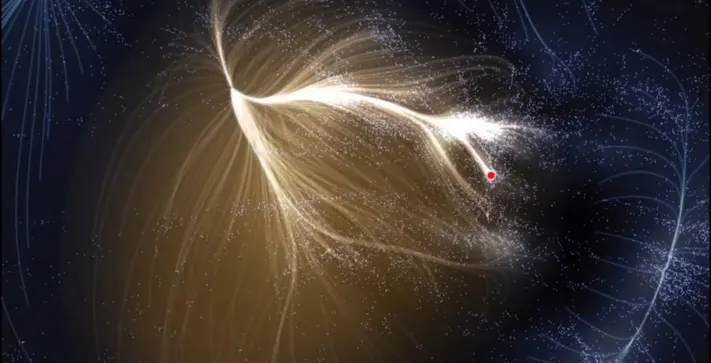
Some designations in astronomy are assigned purely for descriptive purposes. In 1987, a group of astronomers, self-styled the “Seven Samurai” and led by Alan Dressler, identified an unusual gravitational flow: millions of galaxies, including the Milky Way, are moving cohesively in the same direction, suggesting the presence of a substantial force. Dressler designated this source as the Great Attractor. It is neither an object, a galaxy, nor a cluster — merely a region. This region constitutes the gravitational center of the Laniakea supercluster and remains concealed behind the dust clouds of our Galaxy. The designation does not intend to be poetic; it straightforwardly describes the observed phenomenon.
The Greco-Roman tradition continues to persist and has merely expanded its scope. Astronomers have established systematic naming conventions for specific classifications of celestial objects. For instance, the Trojan asteroids, sharing the same orbital path as Jupiter, have been designated with names of heroes from the Iliad, such as Achilles, Hector, and Odysseus. Additionally, the centaur asteroids, which traverse between the orbits of Saturn and Neptune, are named after mythological centaurs, including Chiron, Pholus, and Nessus. In each case, the classification dictates the thematic naming, and the theme informs the choice of name.
Astronomers have turned to Scandinavian, Inuit, Hindu, and Polynesian mythologies — each representing cultures with their own gods and heroes — as sources to enrich the celestial atlas. For instance, the trans-Neptunian object Gǃkúnǁʼhòmdímà, which is a candidate for dwarf planet classification, was discovered in 2007 in the outermost regions of the Solar System. Its name originates from the Juǀʼhoan language, one of the languages spoken by the San peoples in Namibia.
Gǃkúnǁʼhòmdímà is recognized as the “tube-toothed girl” within Yuǀʼhuan mythology, serving as a protector of her community who enforces justice upon wrongdoers with a magical oryx horn and a hailstorm. The name incorporates click consonants — distinct sounds absent in most European languages and that are generally impossible for most individuals to articulate. The satellite of the object was designated Gǃòʼé ǃHú, adhering to the same tradition. The International Astronomical Union (IAU) intentionally selected this name as part of an initiative to promote cultural diversity within astronomical nomenclature.
Literature has exerted an influence on astronomical nomenclature as well. John Herschel, the son of the discoverer of Uranus, designated the planet’s initial known moons after characters from Shakespeare’s plays and Alexander Pope’s poetry. Presently, all 27 moons of Uranus bear literary names: Oberon, Puck, Miranda, Ariel. Further reading on this subject is highly recommended.
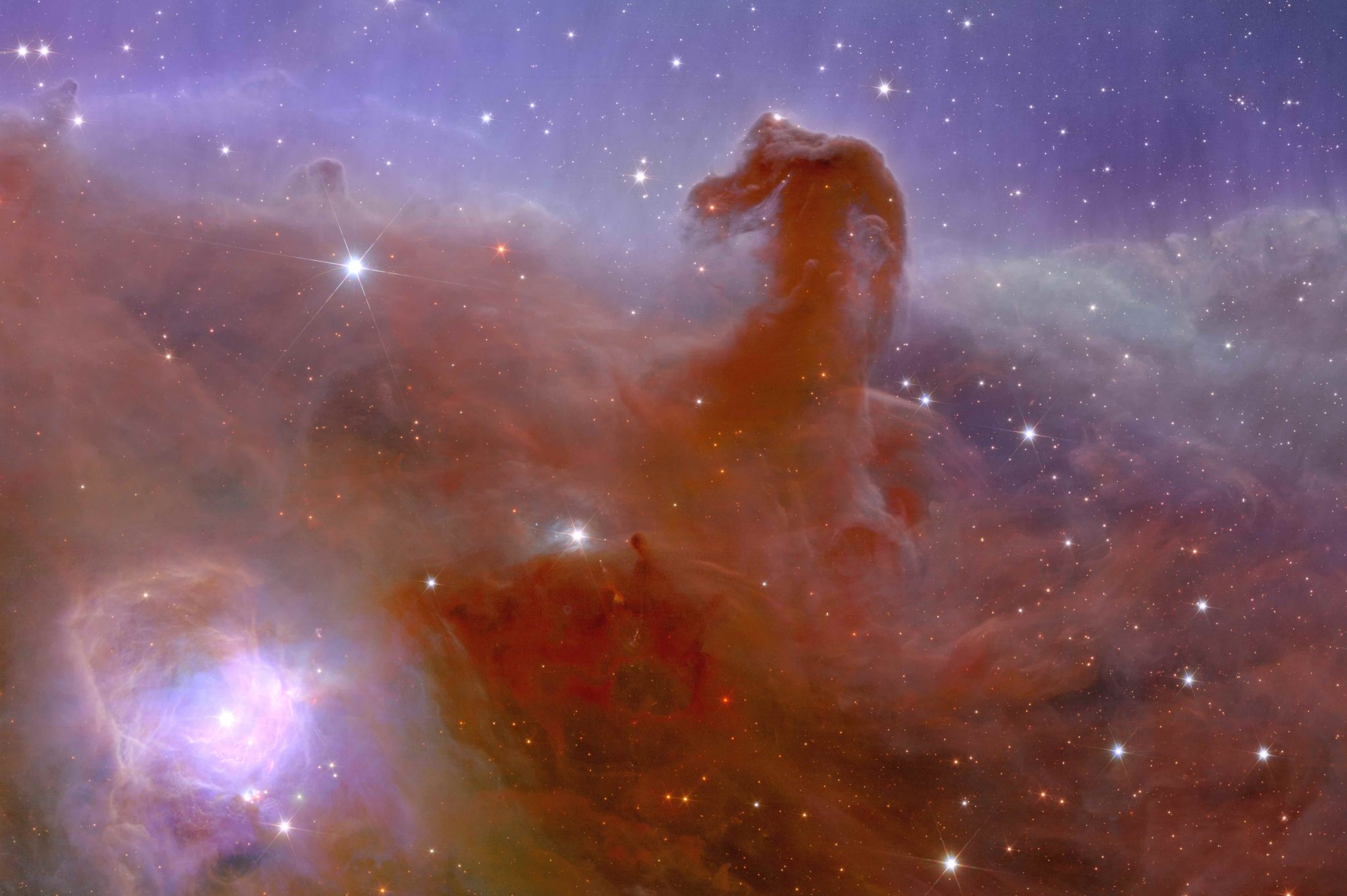
A distinct category comprises names derived from human imagination. Astronomers are also human, and when they observe through a telescope an object that resembles a familiar image, it is difficult to resist the temptation to assign it a descriptive name. The Horsehead Nebula in Orion received its name from a dark gas formation that closely resembles the profile of a horse.
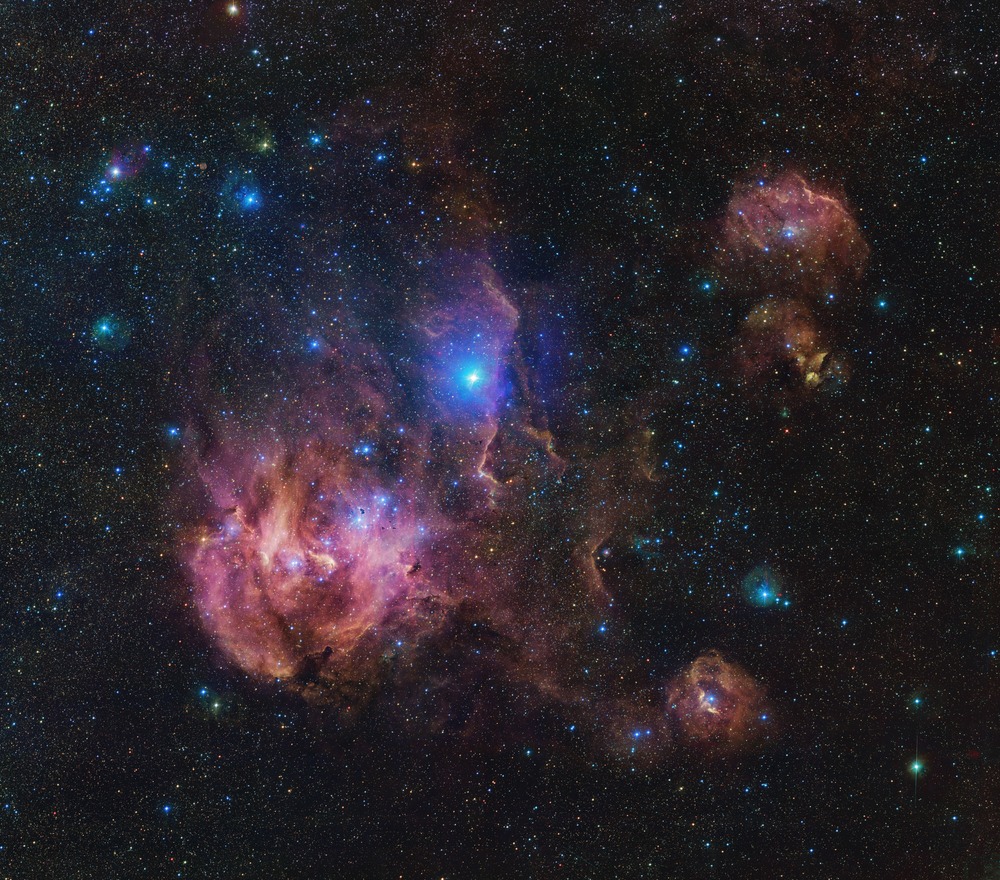
The Cat’s Paw Nebula, located in the constellation Scorpius, is named for its rounded gas bubbles that resemble the pads of a paw. The Running Chicken Nebula (IC 2944), situated in the constellation Centaurus, is a luminous region of gas that convincingly resembles a bird in flight.
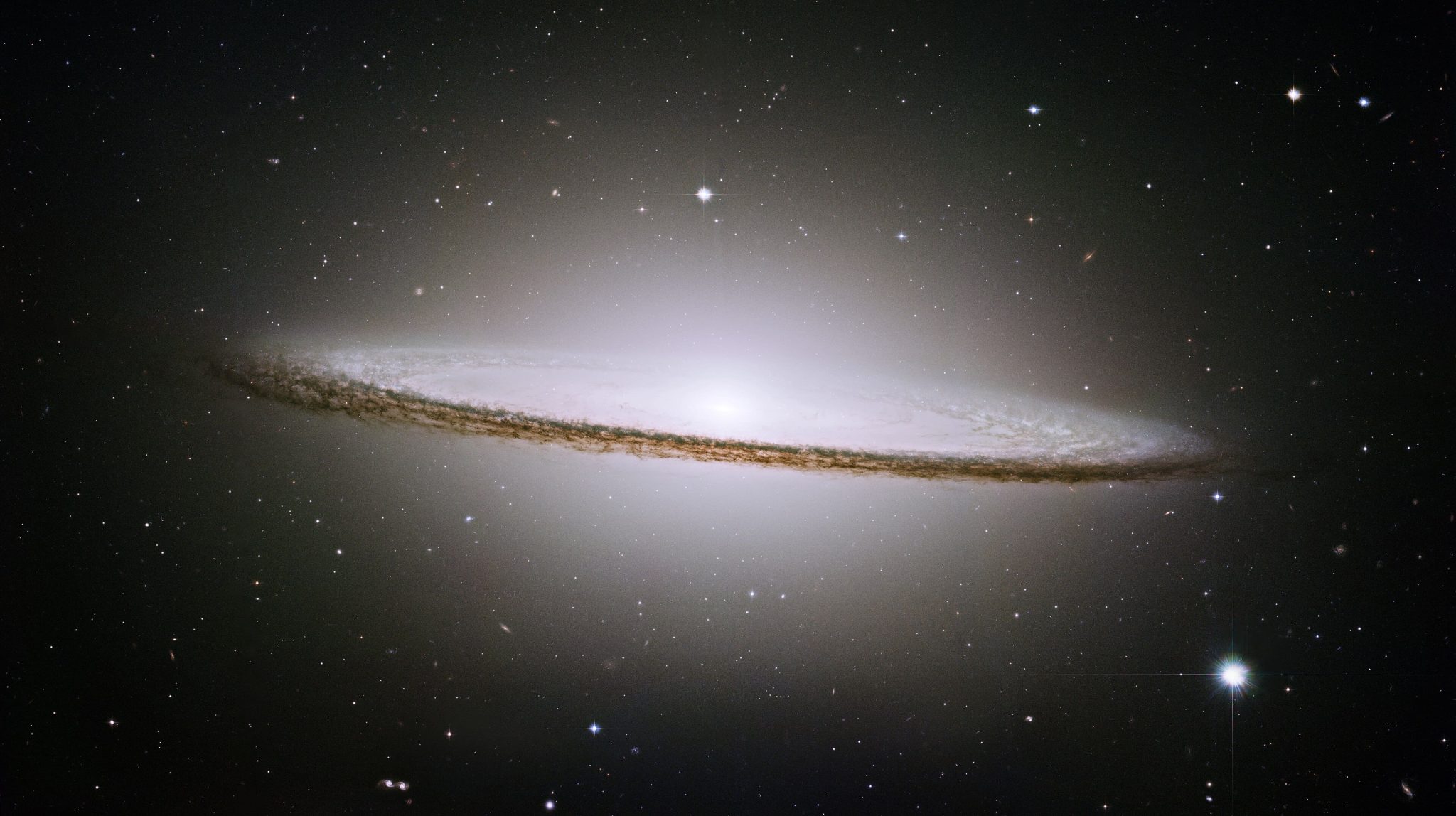
The Sombrero Galaxy derives its name from its characteristic dark dust band and its prominent central bulge, resembling a Mexican hat viewed from the side.
The Coalsack Nebula in the Southern Cross is quite the opposite: it is not a bright object, but a black void against the backdrop of the Milky Way, a dark cloud that absorbs the light from the stars behind it.
The galaxy NGC 5247 has been informally designated as the “Bald One.” It exhibits a spiral structure and well-developed arms; however, the central bulge, which is characteristic of most spiral galaxies, is nearly absent.
There are also more ominous associations. The Black Widow Nebula, located in the constellation Lepus, is a pulsar that gradually destroys its stellar companion by extracting matter from it. The name alludes to two phenomena simultaneously: the nebula’s spider-like morphology and the behavior of the female black widow spider, which consumes her mate after copulation.
The Abell 2744 galaxy cluster is colloquially referred to as the Hollow Skull, as the phenomena of gravitational lensing and the distribution of brightness in the X-ray spectrum produce the impression of vacant eye sockets. This description is no longer poetic; at times, the darkness itself appears to suggest such nomenclature.
Catalogs and the entities responsible for decision-making at present.
There are considerably fewer proper names in the sky than it appears. The majority of objects are recorded solely as entries in catalogs — comprising lines of coordinates, alphanumeric identifiers, and serial numbers. The catalog system was developed incrementally, with each new catalog building upon the previous one.
The first comprehensive atlas was Bayer’s Uranometria from 1603 — 1,564 stars with Greek designations. This was followed by Messier’s catalog with its 110 objects. In 1888, the Danish astronomer John Louis Emil Dreyer published the New General Catalogue of Nebulae and Clusters of Stars (NGC), which contained 7,840 objects, each with a serial number.
Currently, a single celestial object may possess designations across multiple catalogs concurrently. For instance, Betelgeuse is identified as α Orionis (Bayer), HR 2061, HD 39801, and 2MASS J05551028+0724255. These represent four distinct systems and their respective identifiers, yet all refer to a single star.
Nevertheless, there exist catalogs in which a star is designated not by a number or a deity’s name, but by the name of the individual who initially cataloged it. French astronomer Jérôme Lalande compiled a catalog of nearly 50,000 stars as early as 1801. The tradition was continued by German astronomer Max Wolf and American astronomer Frank Ross in the early twentieth century, and later by Wilhelm Gliese in the 1950s. Their names are still reflected in the designations today — Wolf 359, Ross 128, Lalande 21185, Gliese 667.
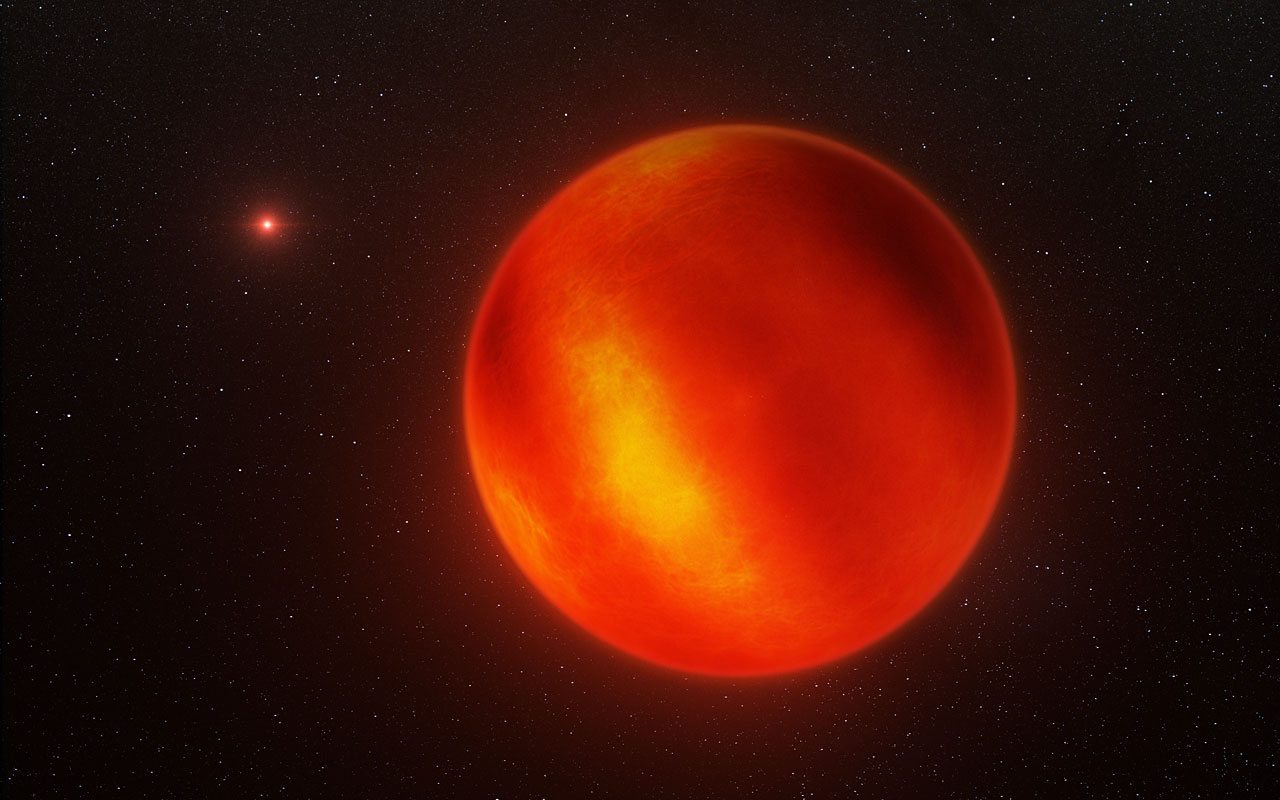
Certain celestial objects were initially named directly after astronomers, outside of formal catalogs. For instance, Barnard’s Star, Teegarden’s Star, Scholz’s Star, and the Luhman 16 system. However, as the number of discoveries increased beyond the capacity of individual researchers, the necessity for a centralized naming system emerged.
Currently, the sole organization authorized to officially assign names to celestial objects is the International Astronomical Union (IAU), established in 1919. Distinct working groups are designated for stars, planets, minor celestial bodies, and other classifications. The IAU has sanctioned slightly over three hundred official proper names for stars; the remaining celestial objects are identified solely by their designations.

Numerous individuals are aware of the concept of “purchasing” a star and naming it in honor of a loved one. The International Astronomical Union (IAU) explicitly states that commercial certificates lack any official validity. While hundreds of companies offer such services, no professional astronomer employs these names.
The only method for the general public to formally influence the naming of an object is through competitions organized periodically by the International Astronomical Union (IAU). In 2024, the radio program Radiolab, in collaboration with the IAU, conducted a vote to assign a name to Earth’s quasi-satellite — asteroid 2004 GU9 — which orbits the Sun in a trajectory similar to Earth’s and is expected to remain in proximity to our planet for approximately the next six hundred years. Nearly three thousand suggestions were received from ninety-six countries. The winning name was “Cardea,” the Roman goddess of thresholds and transitions.
The International Astronomical Union (IAU) is also intentionally broadening the geographical scope of its nomenclature; among the newly recognized official star names, there is a growing inclusion of terms derived from the languages of indigenous peoples across Africa, Asia, and the Americas. Gǃkúnǁʼhòmdímà exemplifies this policy.
From the gods of antiquity through Arabic manuscripts, a turbulent Europe, and coded nicknames to online voting — the logic behind naming has evolved alongside humanity’s understanding of the heavens. The names we know today are the legacy of this history.

