

The era of private space exploration is entering a new phase. Virgin Galactic Holdings Inc., founded by billionaire Sir Richard Branson, has officially announced that it is resuming ticket sales for its suborbital flights. This decision sent a signal to the entire market. After a two-year technical hiatus and a series of tests, the space tour operator is ready to return to the skies.
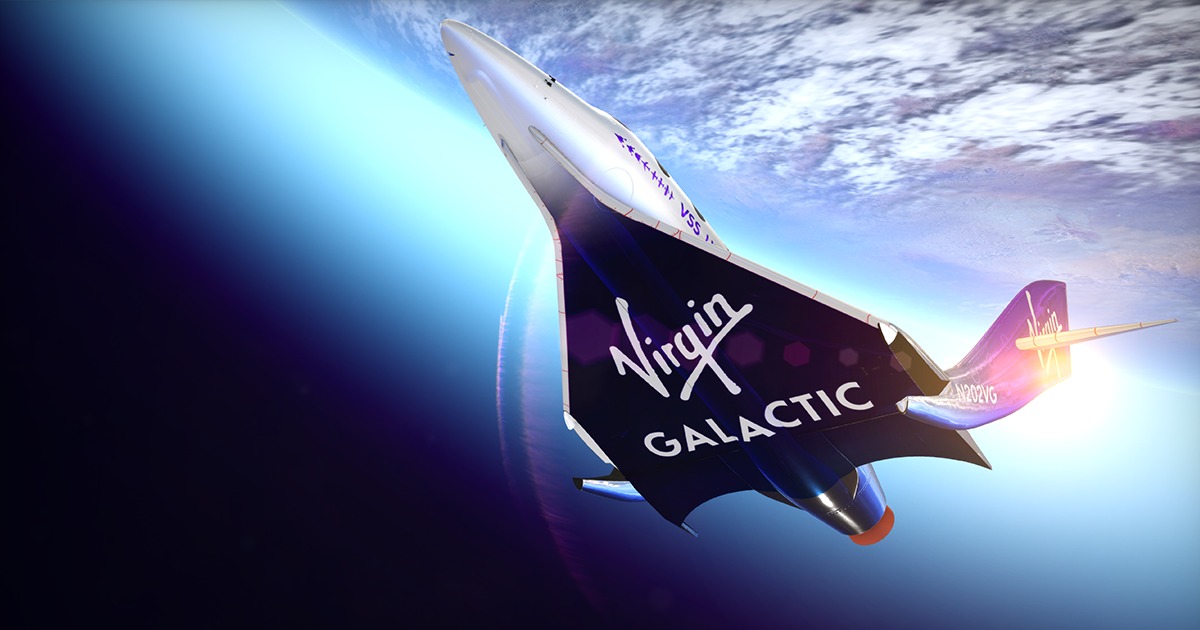
The news of the opening of the “booking window” caused a real sensation on the New York Stock Exchange. The company’s shares rose by a record 20% in a single trading session on March 31. For investors, this came as a breath of fresh air, as Virgin Galactic’s market capitalization had fallen by nearly a third over the past year. The prolonged decline was caused by constant flight delays, technical difficulties, and skepticism regarding the actual demand for such expensive entertainment. However, it seems the company has now found its footing.
How much does a dream cost?
Despite the long pause, Virgin Galactic has decided not to lower its prices but, on the contrary, to raise them. The cost of a single ticket on the spaceplane is now $750,000. That’s $100,000 more than the previous price, which demonstrates management’s confidence in their audience’s ability to pay.
For this price, customers get more than just a few minutes of weightlessness—they get the full astronaut experience: from intensive training at Spaceport America in New Mexico to the chance to see the curvature of the Earth against the backdrop of the blackness of space.
The price increase is also due to the need to cover the enormous costs of developing a new generation of spacecraft. By comparison, the first tourists purchased tickets a decade ago for around $200,000–$250,000, making the current offer a true luxury product for ultra-wealthy enthusiasts of extreme sports.
A technological advantage
The main reason for the prolonged suspension of flights was not only a change in marketing strategy, but also a major fleet upgrade. Virgin Galactic is gradually moving away from using prototypes and is focusing on a new class of spacecraft—the Delta. These machines are designed for quick maintenance and frequent restarting.
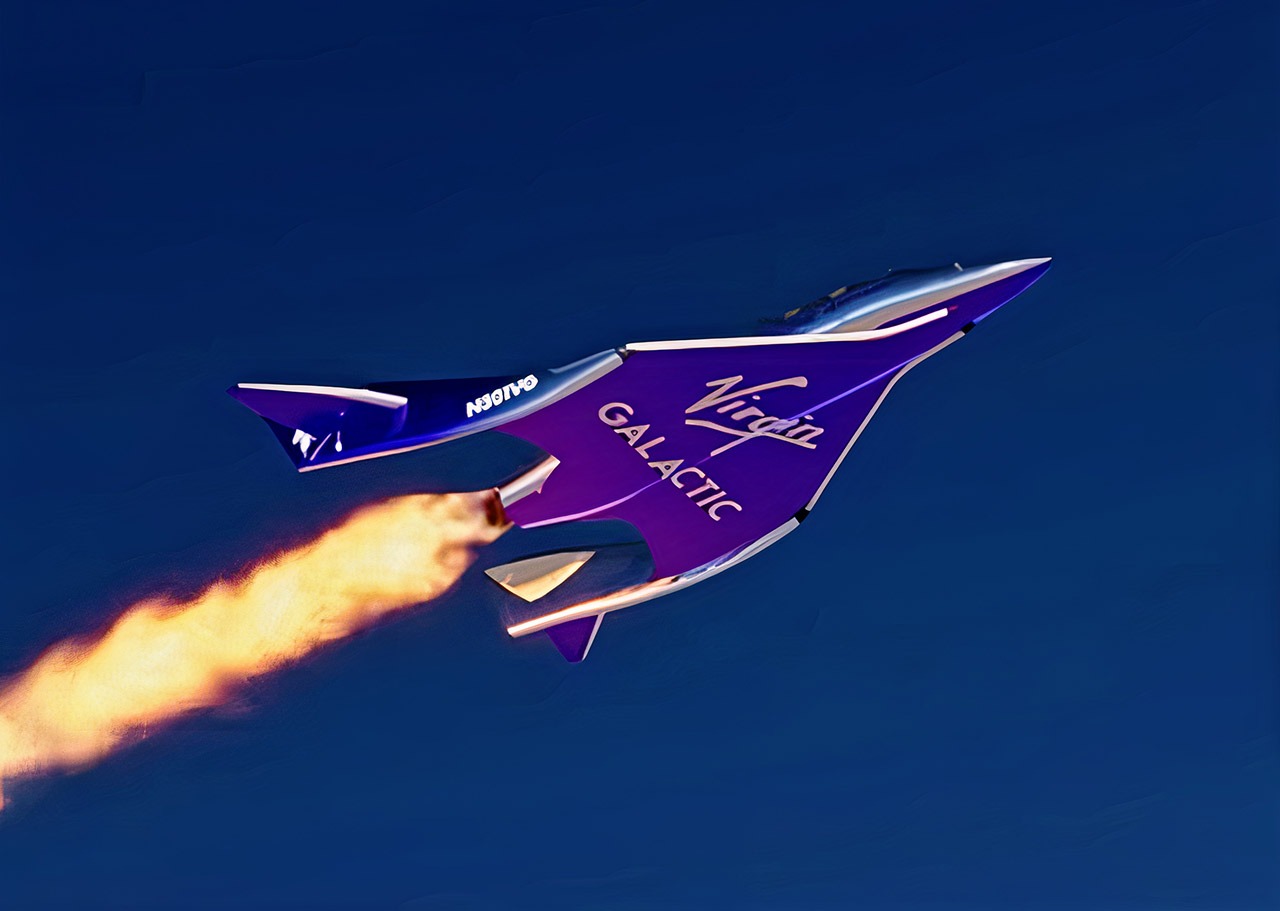
According to the company’s plans, the second SpaceShip is scheduled to enter service as early as the end of the fourth quarter of 2026 or in early 2027. This will be the turning point: instead of isolated demonstration flights, Virgin Galactic plans to move on to regular flights.
The Delta class will enable weekly flights, and eventually more frequent flights, which is critical for achieving profitability. The high cost of tickets today is essentially an investment in scaling up the technology, which could make space more accessible in the future.
Financial challenges
Despite investors’ optimism, the company’s financial reports for the fourth quarter of 2025 serve as a stark reminder of the harsh reality. Virgin Galactic’s revenue totaled just about $312,000—an amount that barely covers the cost of half a ticket and is significantly lower than Bloomberg’s forecast ($360,000).
The company’s losses were greater than Wall Street had expected: 98 cents per share versus the projected 82 cents. As of early 2026, the company had $144.7 million in cash and its equivalents. This is 19% less than last year. At the same time, the costs remain enormous—in the first quarter of 2026 alone, the company plans to spend approximately $90 million on Delta’s operations and development.
If Virgin Galactic manages to stay on schedule and launch regular flights in 2027, its current financial difficulties will be nothing more than a blip in its success story. The company is currently playing “all or nothing,” betting everything on the idea that space will become a new Mecca for tourists, and that its technology will serve as a reliable bridge to the stars.
We previously reported on Virgin Galactic’s plans to raise $300 million to build a fleet of spaceplanes.
According to Bloomberg

