

Weather affects everything from our daily plans to global supply chains. Today, forecasting technology is taking a giant leap forward thanks to artificial intelligence. Google DeepMind and Google Research present WeatherNext 2, a revolutionary model that will forever change the way we approach forecasting.
WeatherNext 2 is Google’s latest and most powerful weather forecasting model. Its main advantages are incredible speed and high resolution. It generates forecasts eight times faster than previous versions and can provide data at intervals of up to one hour. The key to its success is the model’s ability to simulate hundreds of possible weather scenarios, which is especially important for forecasting dangerous phenomena such as cyclones.
Technology of the future
At the heart of WeatherNext 2 is an innovative approach called Functional Generative Network (FGN). The essence of this approach is to introduce “noise” into the model architecture. This allows for the generation of diverse yet physically realistic scenarios.
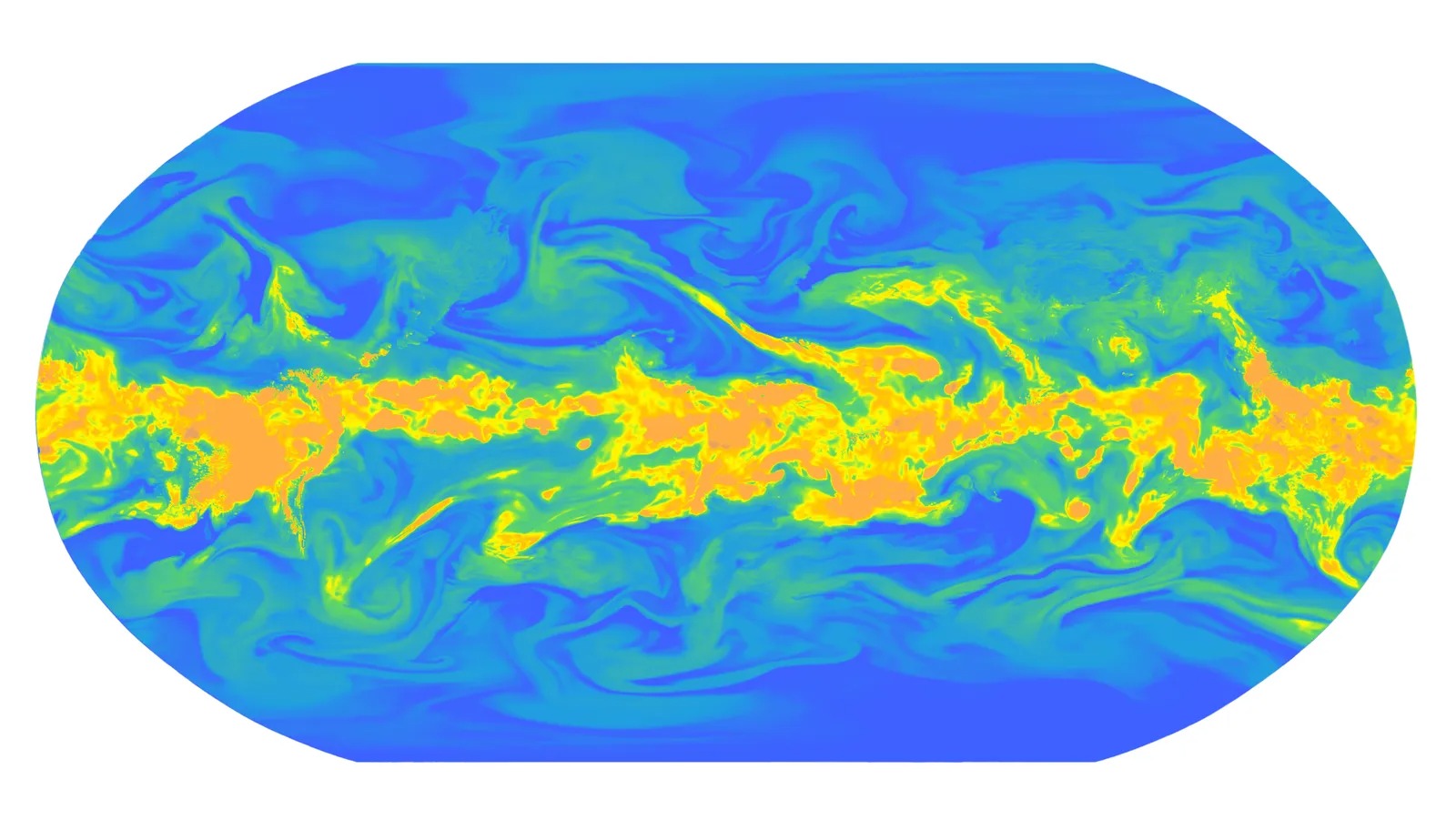
The model independently learns about individual weather elements—temperature, wind, humidity. However, as a result of learning, it acquires the ability to predict complex relationships between them. It is this ability that allows it to identify, for example, entire regions affected by heat, or to assess the performance of wind farms.
Thanks to this technology, WeatherNext 2 significantly outperforms its predecessor. Calculations that used to take hours on supercomputers now take less than a minute. It is more accurate than 99.9% of variables (from temperature to humidity) and for all forecast periods — from 0 to 15 days.
Future of weather forecasting
The technology is already moving beyond the laboratory. WeatherNext 2 data is now available in Earth Engine and BigQuery, and an early access program is launching on the Vertex AI platform. Users can already see improvements in Google, Gemini, Pixel Weather, and Google Maps Weather API forecasts.
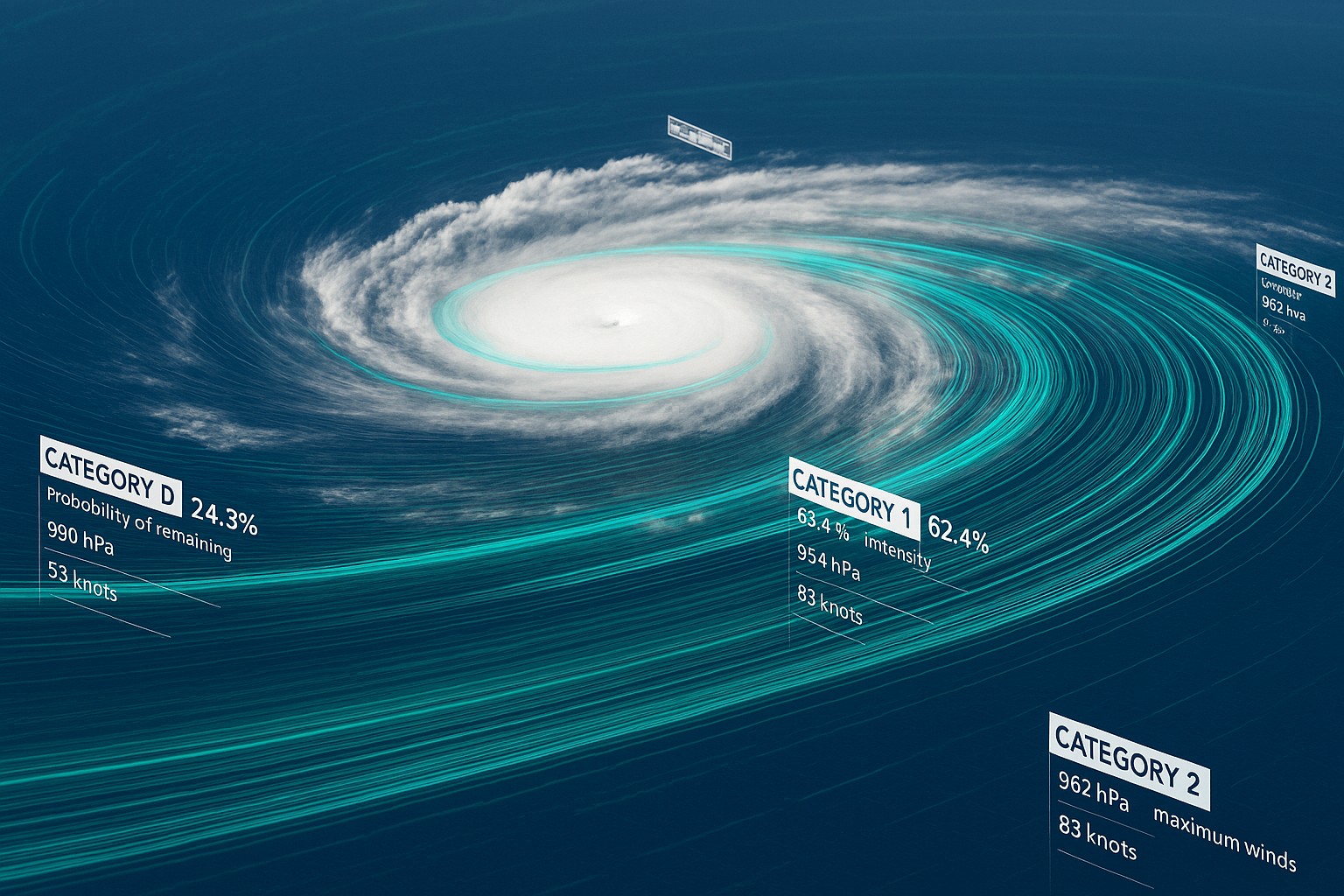
Google plans to continue improving its model by integrating new data sources and expanding access. The goal is to provide the global research and business community with powerful tools to combat climate challenges and make better decisions today.
We previously reported on how Google’s artificial intelligence would help NASA treat astronauts.
According to Blog Google

