

The power source aboard the Voyager probes — the spacecraft furthest from Earth — is gradually depleting. This circumstance compels engineers to deactivate various onboard instruments. It is probable that these instruments will cease to operate entirely within the next few years. However, is there a viable method to prolong the operational lifespan of the Voyagers?
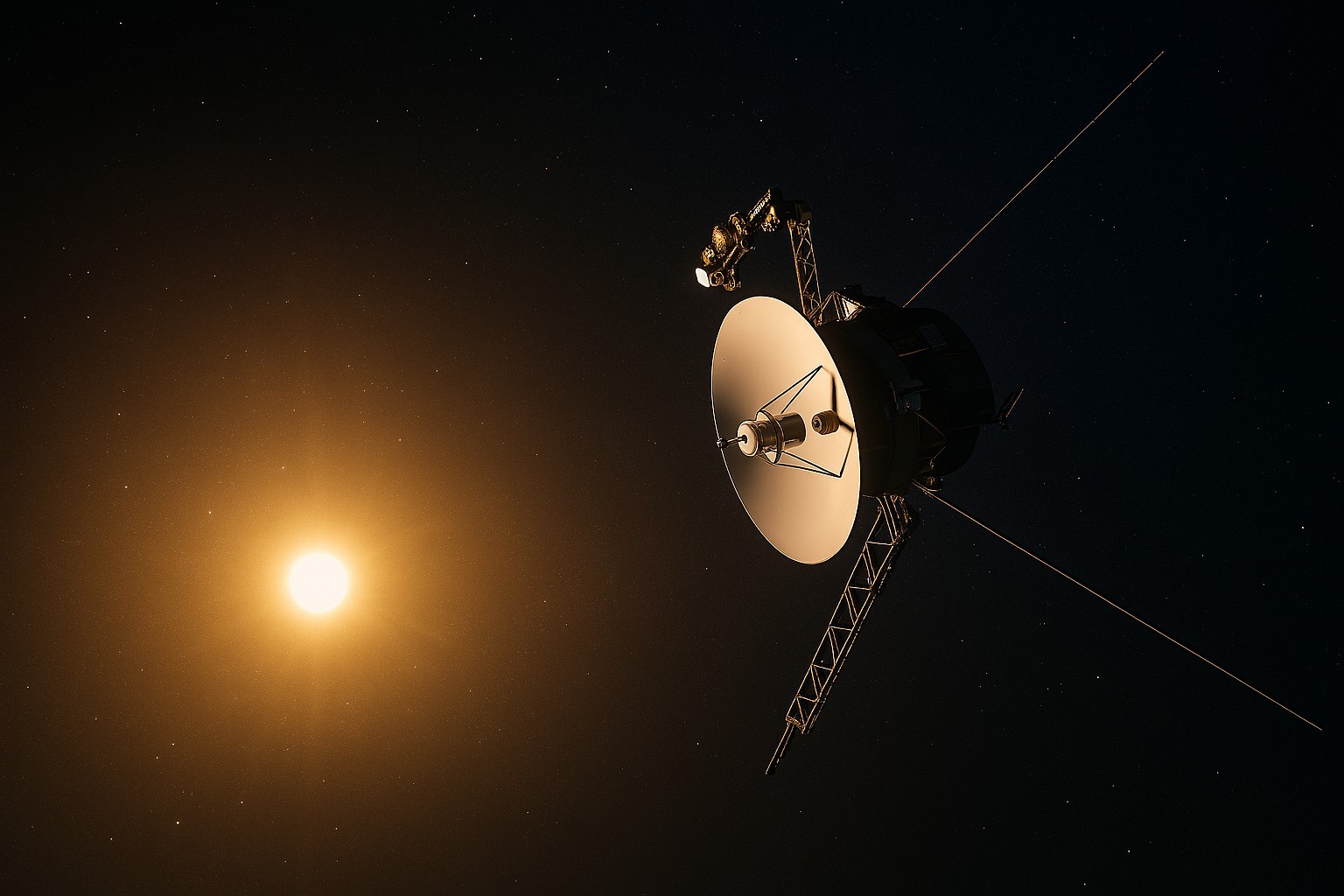
The Voyager Program
On April 17, 2026, NASA scientists deactivated the Low-Energy Charged Particle (LECP) detector aboard the Voyager 1 spacecraft. This event was anticipated and deliberately scheduled. Nonetheless, it prompted extensive speculation among the space community regarding the longevity and operational status of these enduring probes. Resolving this inquiry necessitates an examination of the developments and changes experienced by these instruments over the span of their 49 years of operation.
The Voyager program was initiated in the 1970s primarily to explore the planets Jupiter and Saturn. Their relative positions at that time were exceptionally advantageous, facilitating the achievement of this objective through a relatively brief flyby mission.
Two identical and relatively sizable spacecraft, each with a mass of 810 kg, were developed for this mission. In addition to a large antenna measuring 3.7 meters in diameter, engineered to maintain stable communication over distances spanning billions of kilometers, they were equipped with a comprehensive array of instruments.
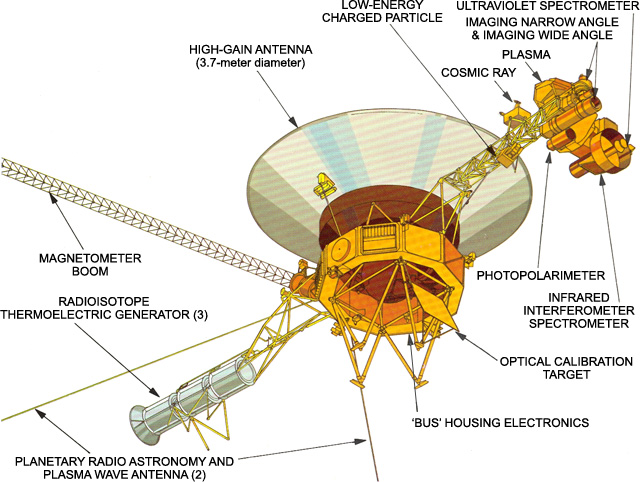
Primarily, these constituted wide-angle and narrow-angle cameras functioning across an extensive spectrum from ultraviolet to orange. They were incorporated into the International Space Station’s scientific imaging system.
The spacecraft is additionally equipped with an infrared (RSS) and ultraviolet (UVS) spectrometer, a magnetometer (MAG), a plasma spectrometer (PLS), the identical low-energy particle detector (LECP), a cosmic ray detector (CRS), a planetary radio signal detector (PRA), a photo-polarimeter (PPS), and a plasma wave detection system (PWS).
Furthermore, the Voyager spacecraft were capable of utilizing their own communication systems to investigate the gas giants by examining the alterations in radio signals as they traversed the vicinity. Overall, their design was meticulously aimed at the comprehensive examination of the atmospheres of Jupiter and Saturn, along with the electromagnetic and radiation fields encircling them.
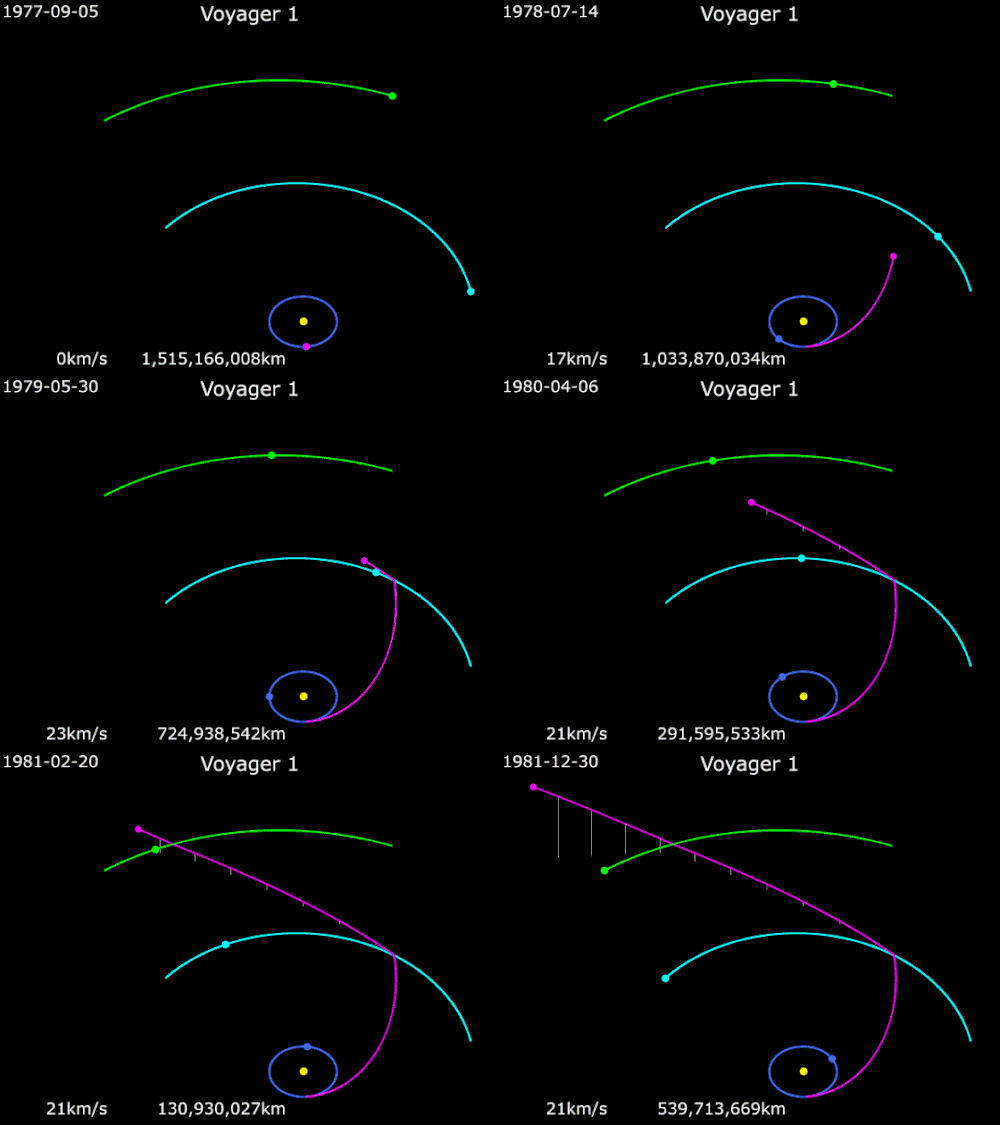
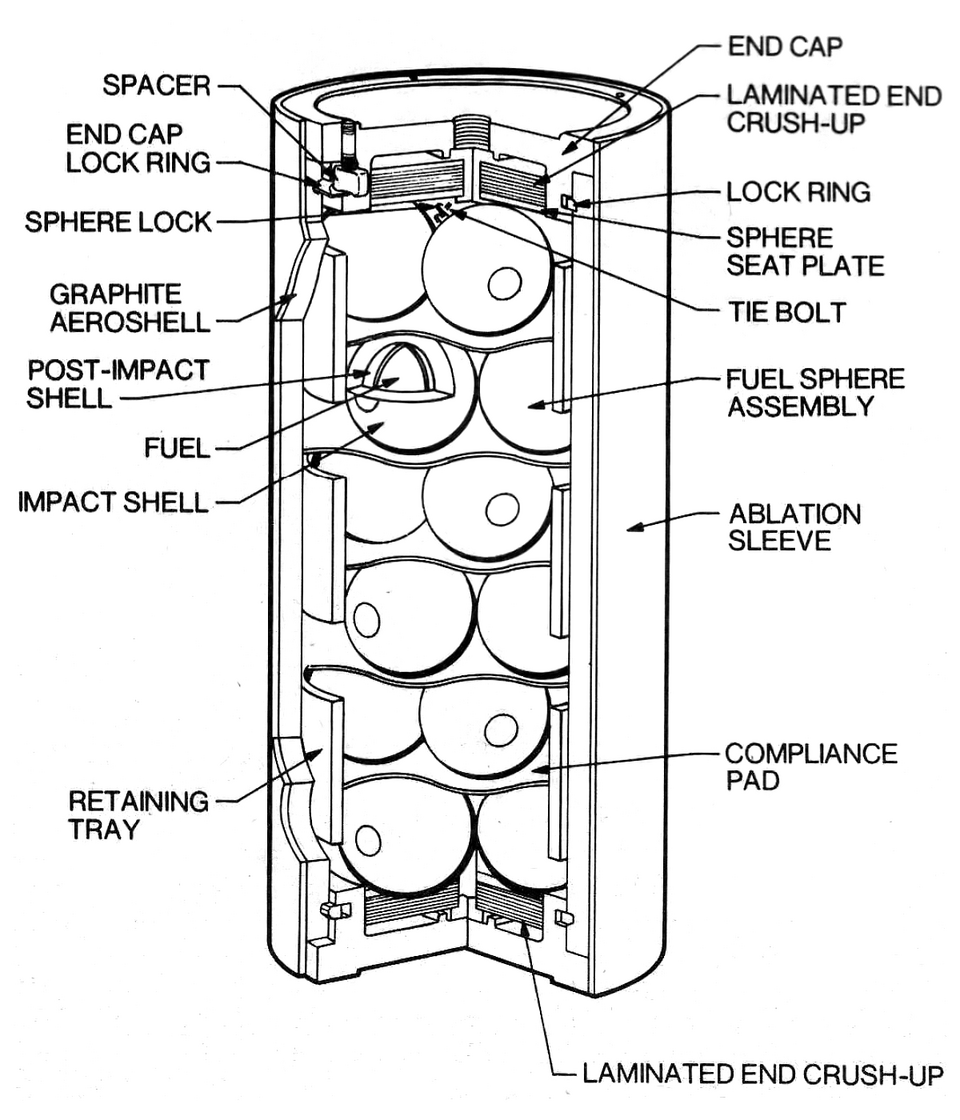
All of this required a reliable power source. Despite the mission’s remote distance from the Sun, the advantageous planetary alignment led to an initial expectation that the mission would span five years. Consequently, a radioisotope thermoelectric generator (RTG) was employed to supply power to all systems.
A characteristic feature of this device, which produces electricity via thermoelectric cells powered by radioactive fuel, is its capacity to store a substantial amount of energy. This energy is utilized with high efficiency, independent of external factors such as sunlight levels.
Extended mission
Two probes were constructed and launched into space in 1977, a few weeks apart. The strategy was that, even in the event of the loss of one probe, the other would remain capable of collecting data. Moreover, if both probes survived, the volume of scientific discoveries would be doubled.
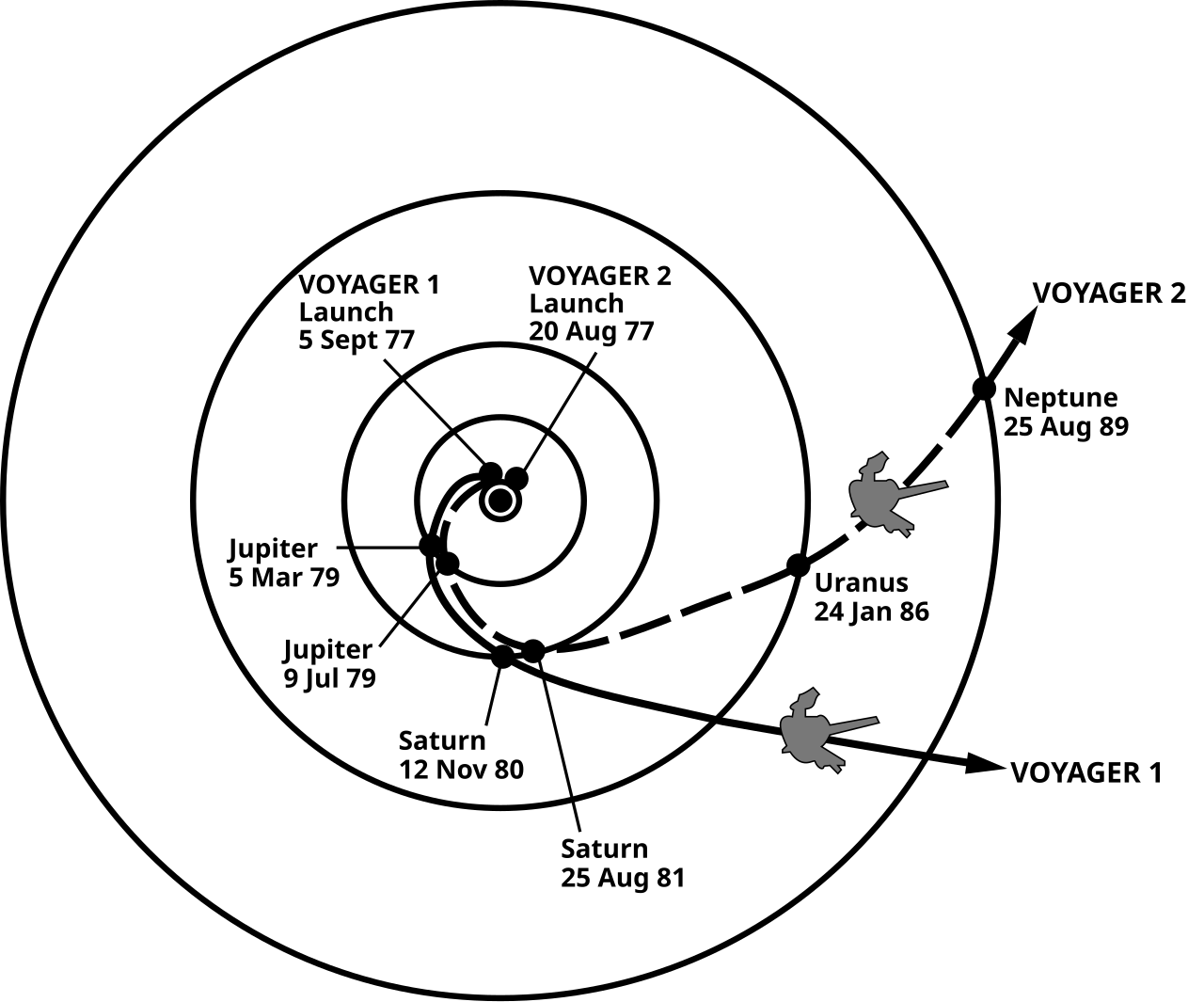
By the conclusion of 1982, upon the expiration of the designated duration for the primary mission, they had already conducted explorations of the two largest planets within the Solar System while maintaining optimal operational condition.
RITEG still possessed sufficient power reserves to sustain operations for several additional years; consequently, it was determined to prolong the mission duration. This decision was especially justified in the case of Voyager 2, as its trajectory permitted exploration of Uranus and Neptune, achievements it successfully accomplished until the late 1980s. As a result of this choice, our understanding of these planets has been enriched, given the absence of subsequent missions to them.
Voyager 1 did not share the same degree of luck. Its most notable accomplishment during its extended mission is the renowned Pale Blue Dot photograph. At that period, the spacecraft, having already traversed Neptune’s orbit, was oriented toward the center of the Solar System, and it captured an image of Earth, appearing as a minuscule speck of dust within a ray of light.

Powering off appliances
However, approximately during the same period, it became evident that the Voyager spacecraft were not perpetual in their operation. No, they will not cease traversing interstellar space even after tens of thousands of years; they may even arrive at certain stars. Nevertheless, it became apparent that the reaction within the fuel cells of their RITEG was diminishing, which is a natural phenomenon for any radioactive substance.
The instruments experienced an annual power loss of approximately 4 watts. Consequently, early calculations by engineers indicated that by the mid-2020s, these devices would likely cease to operate. Nonetheless, several decades would elapse before this cessation occurred. During this period, the onboard equipment could accumulate highly valuable data concerning phenomena at the very edges of the Solar System. Therefore, a decision was made to decommission the instruments gradually.
Immediately following the flyby of Neptune and the capture of the “Pale Blue Dot” image, the instruments on both spacecraft were deactivated. By the late 1990s, the infrared spectrometers had also been discontinued. Subsequently, on Voyager 1, the plasma spectrometer ceased functioning, and in 2008, the planetary signal receiver was similarly deactivated to conserve energy, given that there was no longer any data for it to receive.
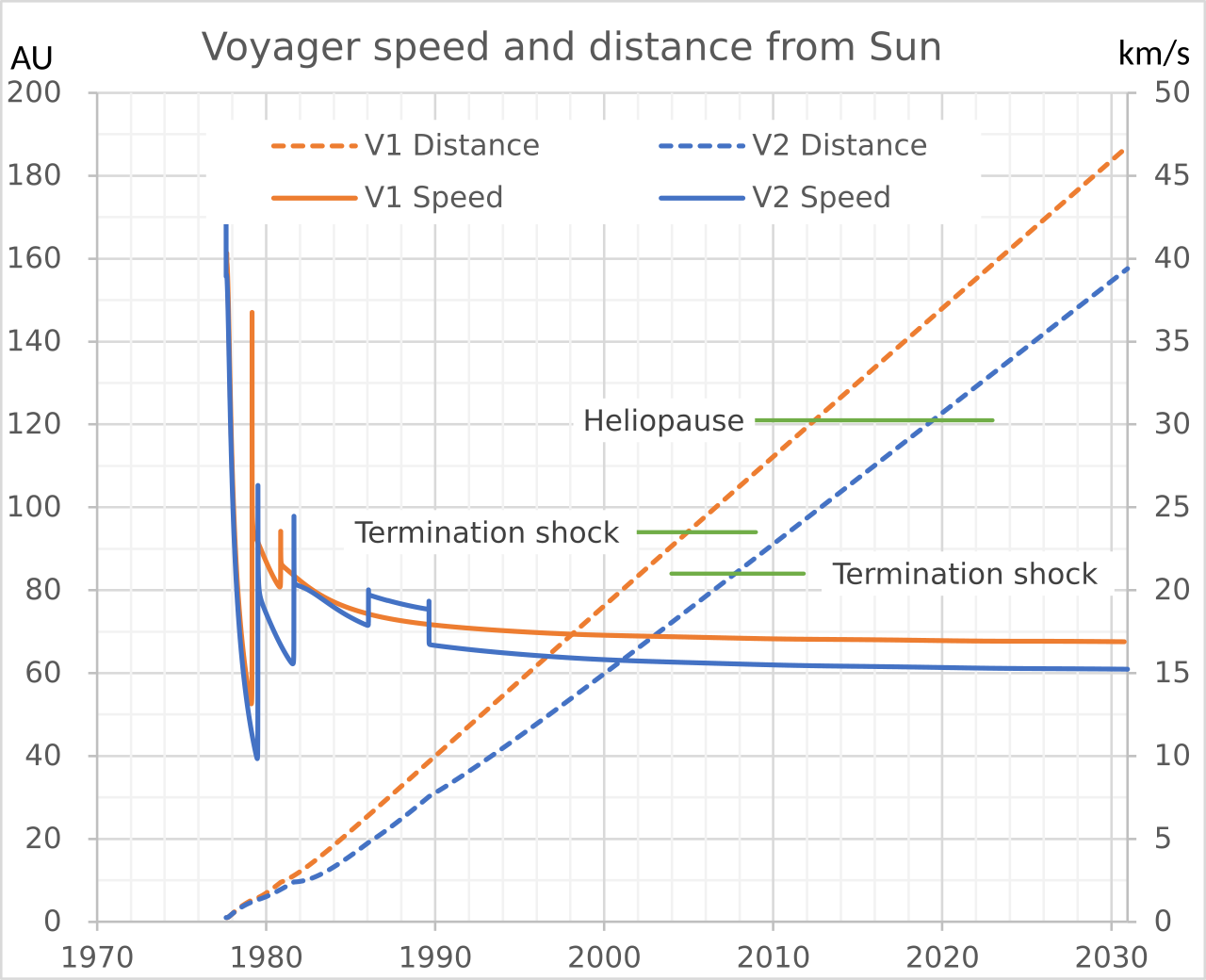
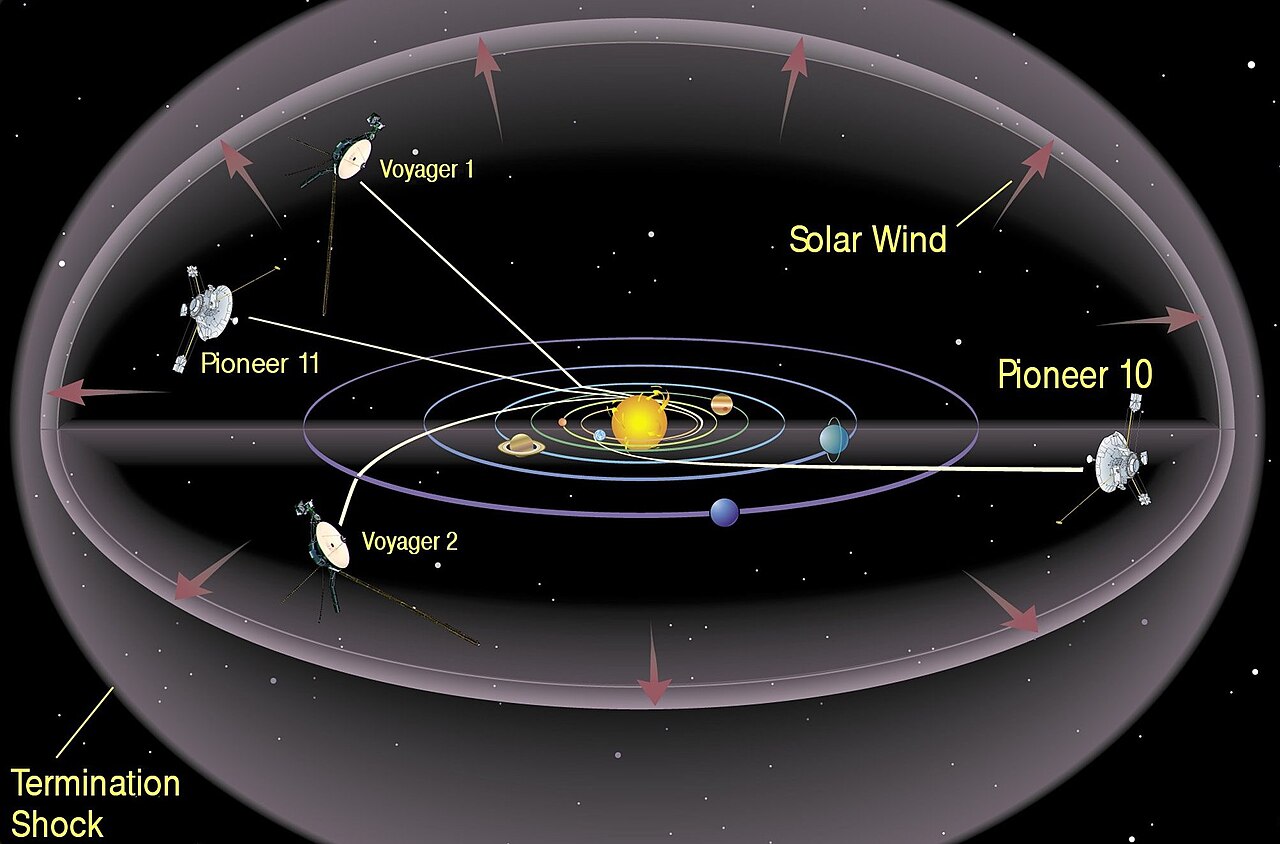
Nevertheless, the remaining instruments continued to operate, and in 2012, Voyager 1 observed a significant rise in cosmic rays. This indicated that it had traversed the heliopause — the boundary where the solar wind’s force counterbalances the incoming particles from deep space. Similarly, Voyager 2 achieved this milestone in 2018. Crossing the heliopause signified that the spacecraft had exited the Solar System and became the first human-made objects to enter interstellar space. This event occurred at distances of 121 and 119 AU, respectively.
Even at that juncture, communication with the spacecraft proved to be exceedingly challenging. It depended on the large antennas of the American space communications network. Nevertheless, it required 16.5 hours for a signal to reach the spacecraft, and an equivalent duration for the response to be transmitted back to Earth.
During the 2010s, commands to activate the spacecraft’s engines were issued on multiple occasions. Its trajectory was successfully modified to ensure that ground-based communication systems would remain functional for an additional two to three years. However, by 2020, only the magnetometers, low-energy particle detectors, cosmic ray detectors, and plasma wave detectors continued to operate onboard. The data obtained from these instruments was of exceptional value, as it provided comprehensive documentation of the conditions in space beyond the Solar System.
Can Voyager be saved?
As of May 2026, Voyager 1 is located at a distance of 172.59 astronomical units (approximately 25.8 billion kilometers). The distance to Voyager 2 is marginally shorter, at 143.05 astronomical units (approximately 21.4 billion kilometers). Nonetheless, this distance is so vast from us that even Pluto could be considered akin to a neighboring city.
However, on the first satellite, only the magnetometer and the plasma wave detector remain operational, while the second satellite also has a cosmic ray detector. Much of the equipment is still functional, but there simply isn’t enough power to run it.
The three RITEGs on each spacecraft are approaching the conclusion of their operational lifespan. By the year 2030, their electrical power generation will be insufficient to operate even a single instrument. This will signify the termination of the mission. Technically, the communication systems will still be capable of sending commands to the Voyager spacecraft and receiving responses from them until 2036; however, there will be no remaining functional capacity to transmit data.
The primary issue with the Voyager spacecraft lies in the impossibility of directly replacing their batteries. Nonetheless, efforts can be directed towards optimizing the power supply of the devices. This is precisely the focus of ongoing research within the framework of the Big Bang program. In the spring of 2026, implementation commenced for the second spacecraft, and by June, efforts will be underway to enhance the performance of the first unit.
Certainly, this will not substantially prolong the remaining duration; however, the circumstances are such that engineers are meticulously conserving every watt. Moreover, by November of this year, Voyager 1 is anticipated to attain a noteworthy milestone. Its distance from the Sun will precisely be one light-day, indicating that a signal transmitted to it will require the same amount of time to arrive. Furthermore, in 2027, the spacecraft will commemorate its fifty-year anniversary since launch.
Over the decades of their operation, the spacecraft have become a significant cultural phenomenon. This space mission represents the longest-standing in history and has ventured as far from Earth as humanly possible. Voyager serves as a symbol that science transcends the sensational headlines of today, which are destined to be forgotten tomorrow.

