

The US space agency has taken an important step in preparing for flights to Mars. Ten new astronaut candidates were officially introduced in Houston. They will not only make history, but also have a real chance of becoming the first humans to set foot on the Red Planet. This class, which will begin training in 2025, has already distinguished itself with a number of unique records.
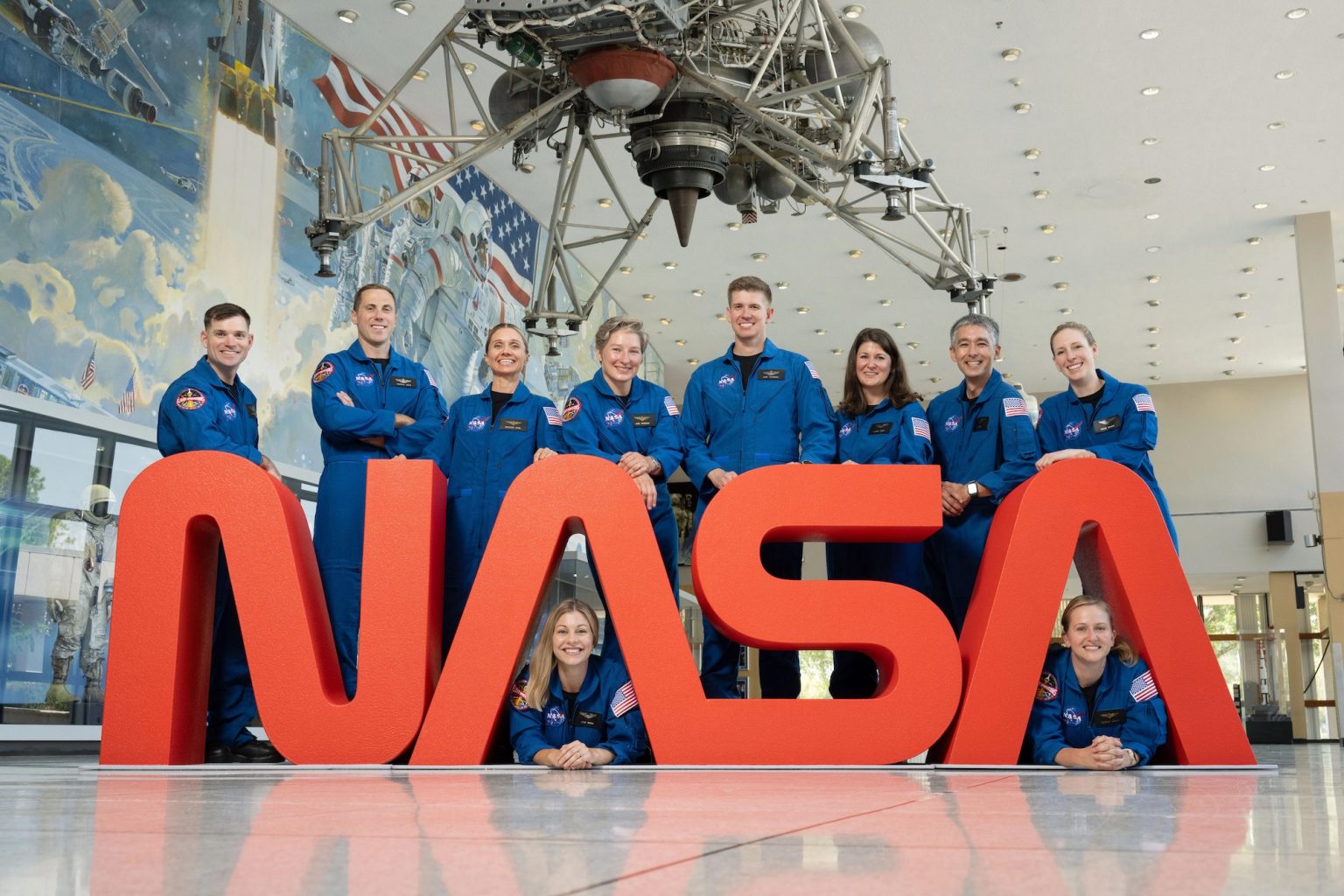
Historical cast
This group is the first in NASA history where most of the candidates are women. In addition, for the first time, the astronaut corps includes a person who already has experience in orbital flight. It was Anna Menon, who participated in the private SpaceX Polaris Dawn mission in 2024 and previously worked as a biomedical flight dispatcher at NASA. Along with her, specialists from various fields joined the class: engineers, geologists, and neuroscientists such as Lauren Edgar and Yuri Kubo. Their scientific potential will be key to future research.
Dreaming of Mars
During the presentation ceremony, acting NASA administrator Sean Duffy did not shy away from making ambitious statements. He noted that one of these ten people could become the first American to set foot on Mars. However, the path to the Red Planet lies through the Moon. The agency is implementing the “From the Moon to Mars” program, in which the Artemis missions are to become a decisive test of technologies.
However, this path is longer today than NASA would like. The lunar program is facing significant delays. The Artemis II mission, which involves a crewed flight around the Moon, has been postponed until April 2026. The situation is even more complicated with Artemis III, which is supposed to land astronauts on the surface. According to the latest warnings, SpaceX’s development of a landing module could take years. This calls into question current schedules and delays the prospect of a Mars expedition.
Two years of preparation and an uncertain future
The new generation of astronauts has two years of intensive basic training ahead of them. Only after successfully completing this training, they will be officially assigned to flights. Their skills will be utilized on the International Space Station, but the real goal remains distant interplanetary missions.
Despite technical difficulties, NASA leadership believes that these astronauts will be the ones to begin a new “golden age” of space exploration. Astronauts will have to be patient, as their dream of Mars may not come true until the 2030s or even the 2040s. But today, they symbolize humanity’s bold step into the future, where the boundaries of the Solar System will become achievable.
According to NASA

