

NASA has been forced to adjust its plans for the first manned mission to the Moon in more than 50 years. The launch of the Artemis II expedition, originally scheduled for early February, has been postponed due to abnormally low temperatures at the spaceport in Florida. This serves as a reminder of how fragile the window for space launches is, where highly complex technology must be perfectly matched with favorable weather conditions.
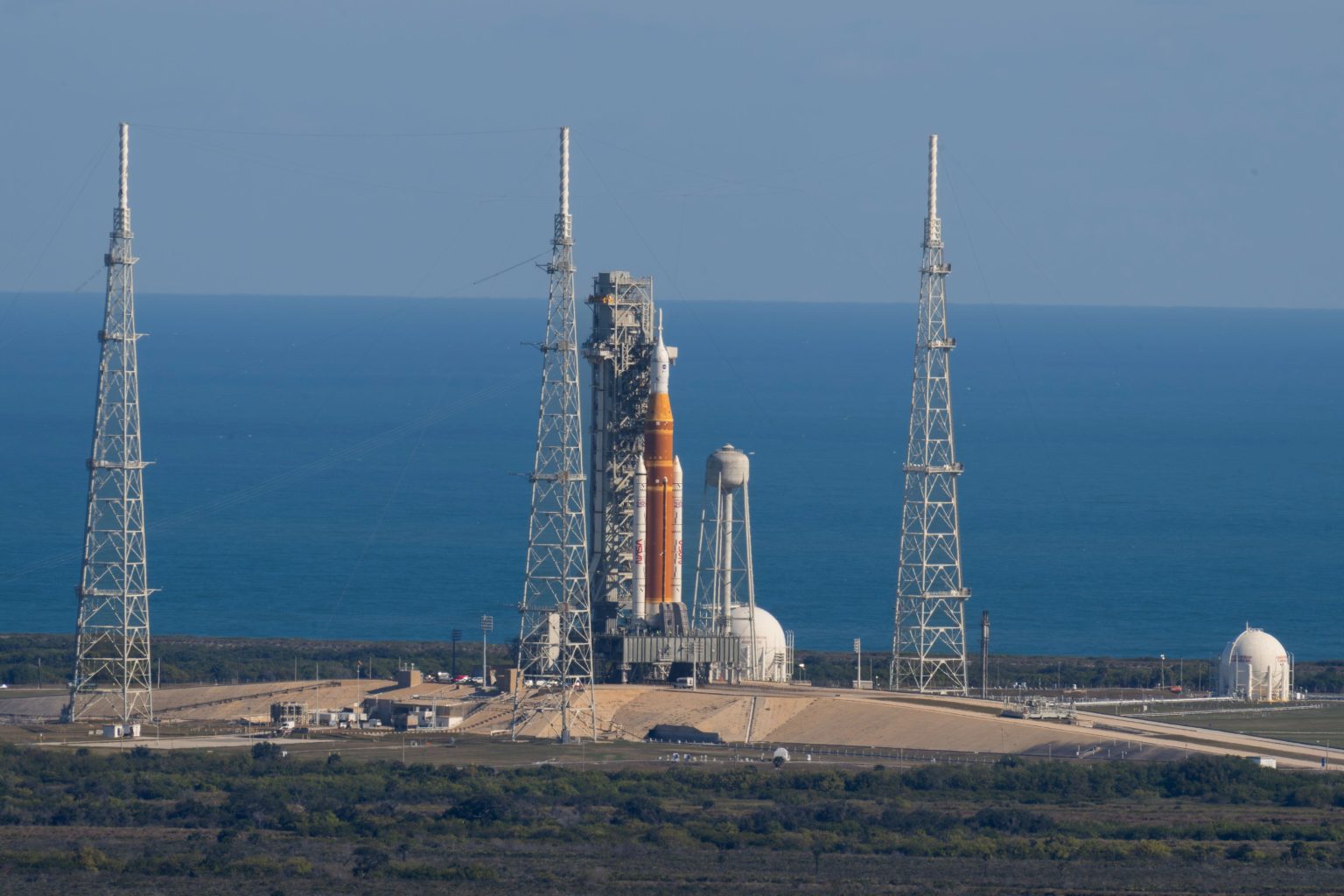
Icy obstacle on the way to the stars
The key reason for the postponement was the “dress rehearsal” — the final comprehensive test of the SLS rocket and Orion spacecraft systems with full fueling. It was canceled due to temperatures close to zero, which are dangerous for highly complex equipment. Engineers monitored the rare Arctic cold front and decided to shift the schedule. A new rehearsal attempt is scheduled for February 2.
Given the delay in testing, the earliest possible launch date for the Artemis II mission is now February 8. But that’s just the beginning of the potential window. NASA has a limited number of favorable days per month for a launch to the Moon. Each additional delay pushes the entire plan back by a day. Therefore, Friday the 6th and Saturday the 7th of February are already out of the schedule. The final launch date will only be announced after a successful rehearsal.
Technologies against frost
Despite the cold, the team is preparing the equipment. Special heaters have been activated on the Orion spacecraft, where the astronauts will be during the flight. Cleaning systems have also been adapted to maintain the proper environment for the rocket and spacecraft on the launch pad. All systems are monitored around the clock.
A quartet of astronauts led by commander Reid Wiseman is in quarantine in Houston. Their arrival schedule in Florida is also being assessed. This mission will be the first crewed journey since the legendary Apollo 17 in 1972, ushering in a new era of lunar exploration.
NASA will provide a live broadcast from the launch site and real-time updates during the critical fueling rehearsal. The world is holding its breath, hoping that this time technology and weather will come together to enable humanity to take a new step toward Earth’s moon.
Earlier, we reported on how Artemis II astronauts will go on a “hunt” on the far side of the Moon.
According to nasa.gov

