

NASA’s Artemis II mission will be a real milestone in space exploration. For the first time since Apollo, astronauts will not only fly around the Moon, but also fly beyond its orbit, testing the Orion spacecraft. This is a key step towards returning humans to the lunar surface. But the scientific contribution is no less important: the crew will be the first in decades to directly observe the secrets of the moon.
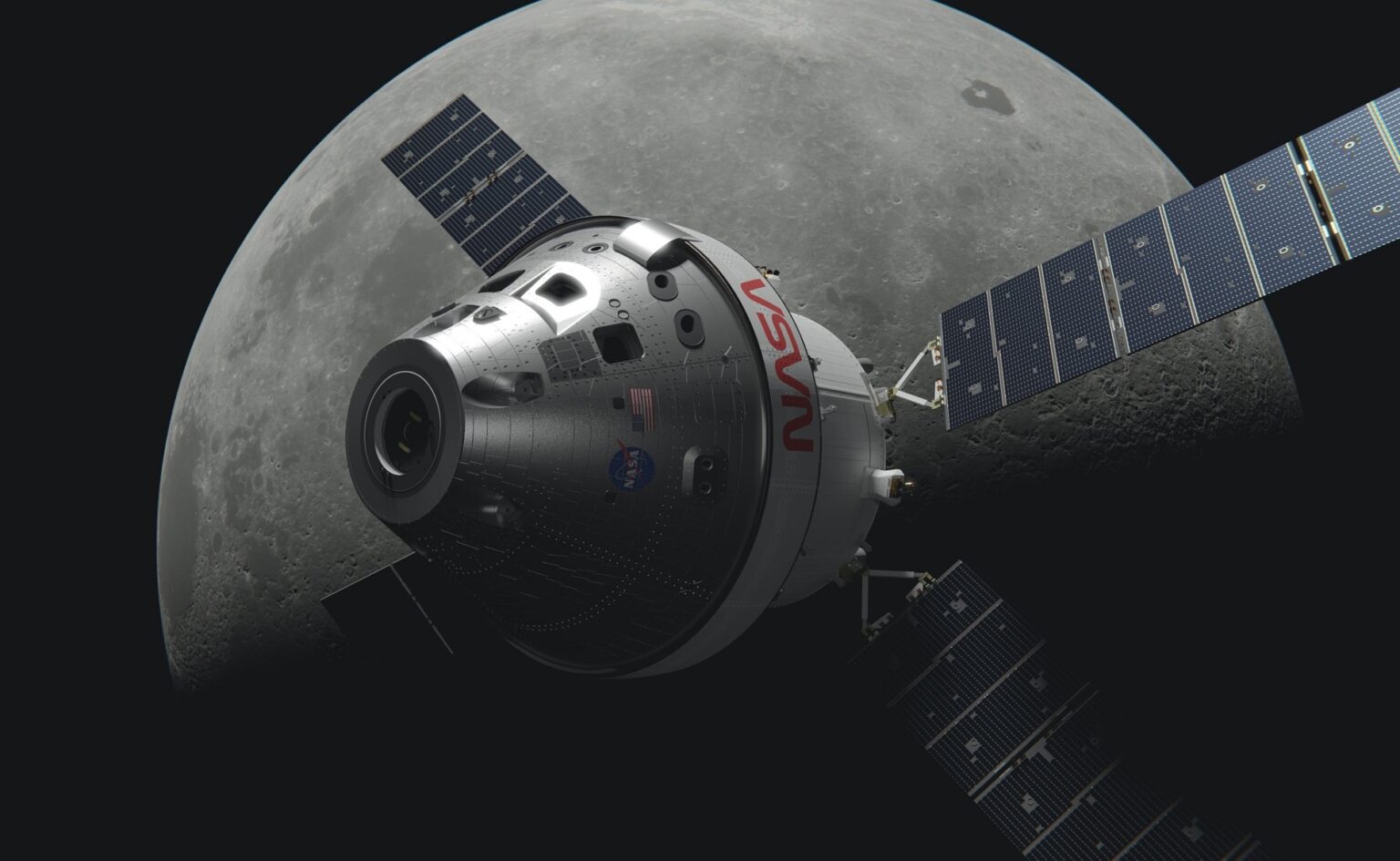
The Apollo astronauts saw the Moon from low orbit. But because of its significant far side, it remained almost invisible during the missions. Artemis II is a game changer. The spacecraft will pass about 6,900 km from the surface, which, paradoxically, will provide a wider view. If the launch goes as planned, almost the entire far side will be brightly lit by the Sun.
“They will be the first people to see virtually the entire far side of the Moon at a glance,” notes Jacob Richardson, the mission’s science lead. This unique perspective will allow for comparisons of surface details separated by thousands of kilometers.
What will astronauts hunt for?
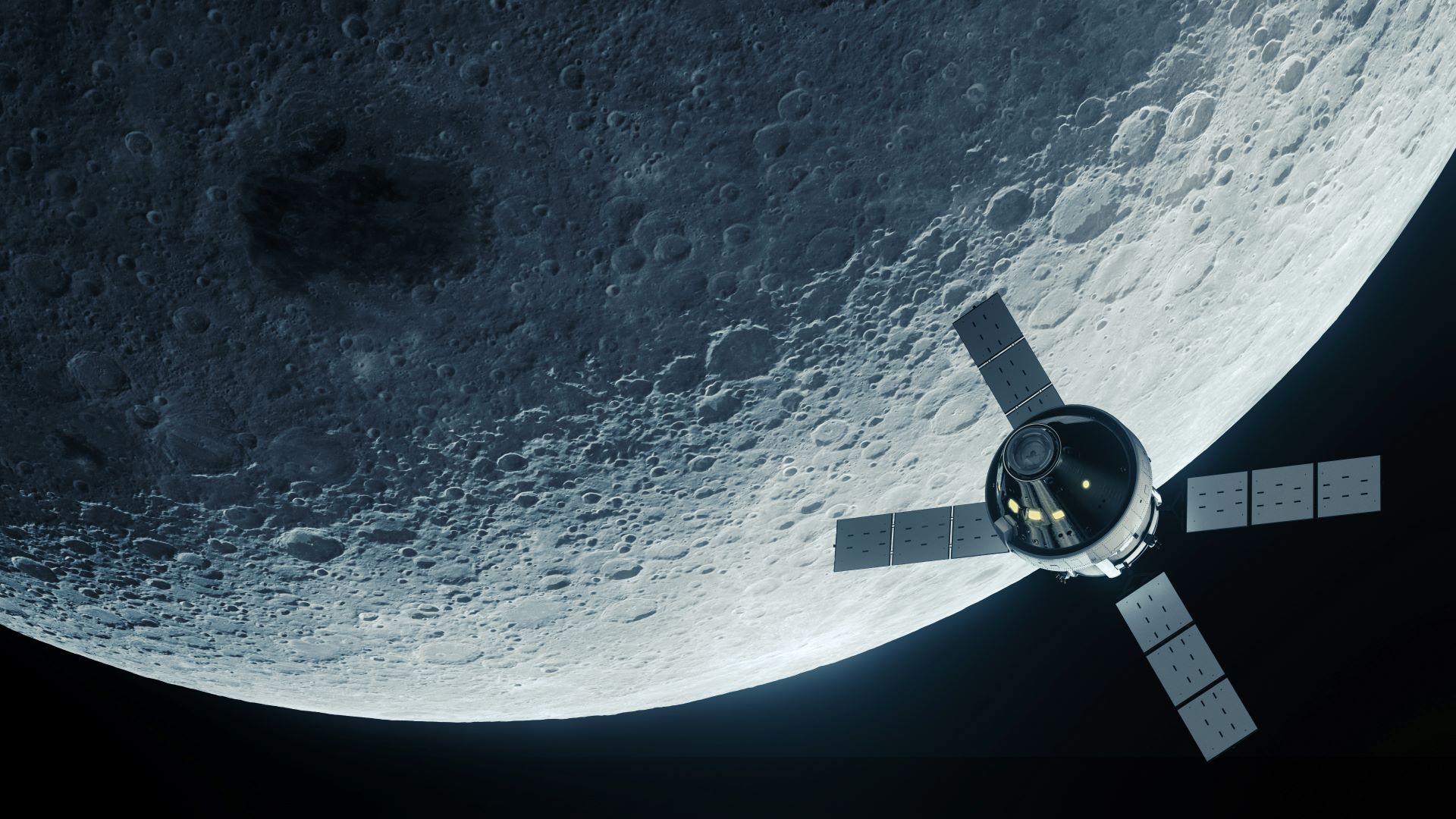
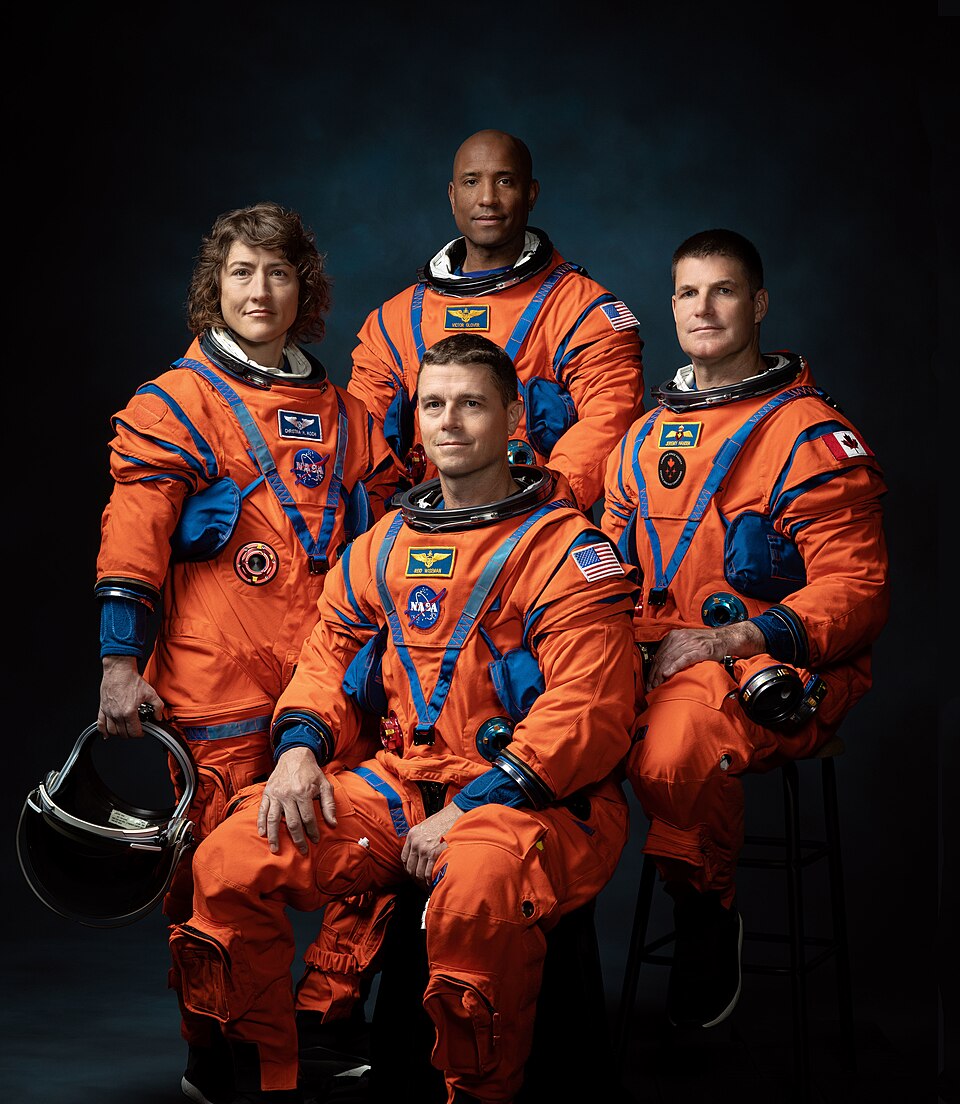
During a special science day, the crew — Reid Wiseman, Victor Glover, Christina Koch (NASA), and Jeremy Hansen (Canada) — will thoroughly explore the surface. Among the priority targets are two sensational regions.
- Mare Orientale. This giant multi-ring impact basin on the border between the visible and far sides is the youngest and best preserved of its kind. Studying it is like looking into a laboratory for the formation of giant craters.
- South Pole-Aitken Basin. The largest impact crater on the Moon, with a diameter of over 2,500 km, and probably one of the oldest. Its exact age is unknown, and any new observations will help to understand one of the greatest catastrophes in lunar history.
The astronauts will also monitor changes in the surface color and attempt to record flashes from meteorite impacts in dark areas.
On the threshold of new discoveries
“The Artemis II mission will provide unprecedented data that will help rewrite textbooks about the Moon. “I hope that future missions will create so many opportunities for discovery that we will be able to rewrite the textbooks,” says Richardson.
This flight marks not only a new stage in the lunar program, but also a new chapter in the direct scientific exploration of our neighbor by space pilots and observers.
According to Gizmodo

