

Even if you’re hundreds of thousands of kilometers away from Earth aboard the Orion spacecraft, that doesn’t guarantee you’ll be spared the everyday problems familiar to every office worker. During the live broadcast of the Artemis II mission, viewers witnessed not only majestic scenery but also a humorous—albeit somewhat stressful—moment: the astronauts’ struggle with Microsoft software.
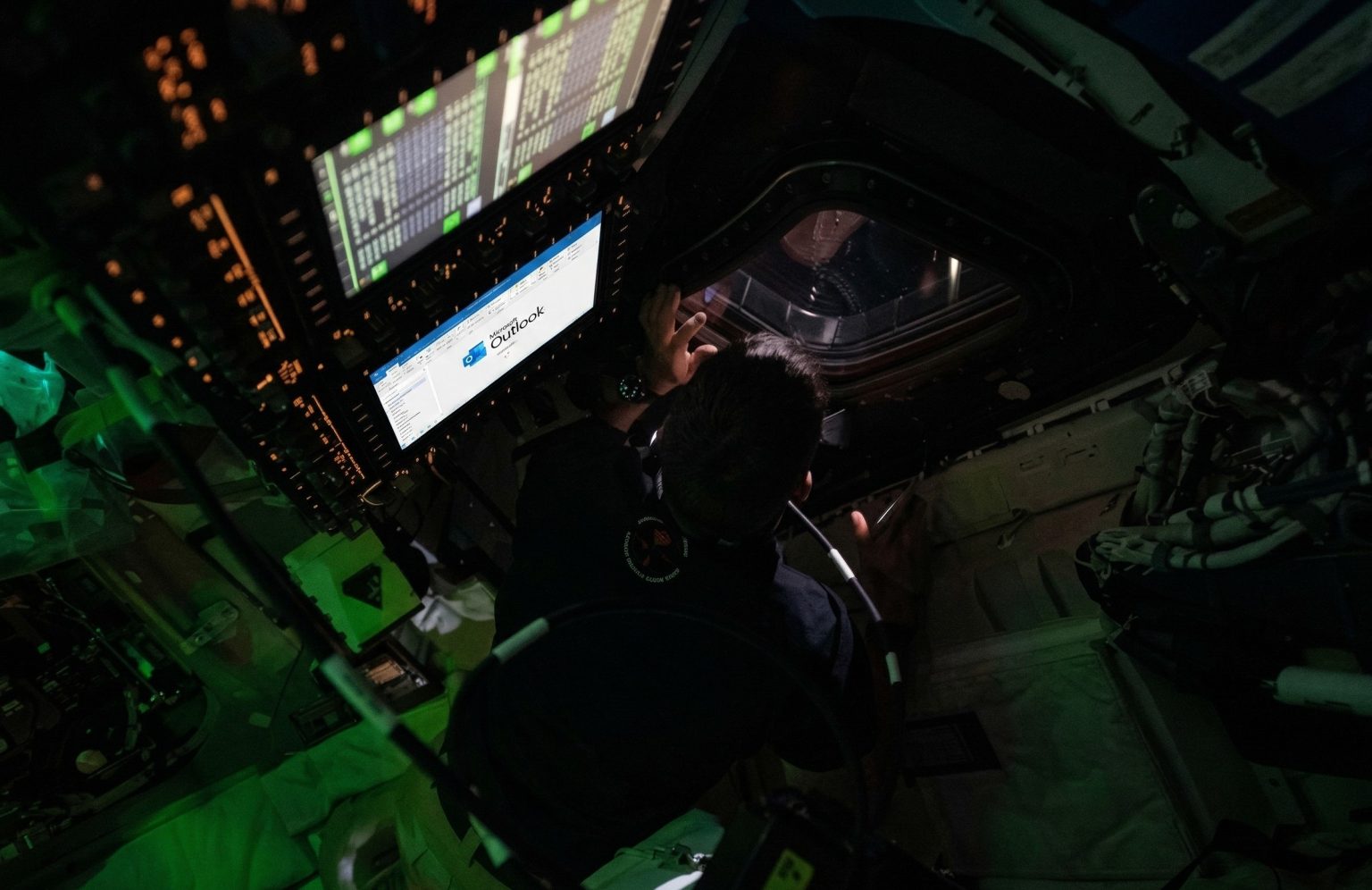
Attentive social media users, particularly on BlueSky, noticed an unexpected exchange between the crew and Mission Control in Houston. Instead of reporting on orbital parameters, Commander Reid Wiseman was forced to complain about glitches with his email.
right now the astronauts are calling houston because the computer on the spaceship is running two instances of microsoft outlook and they can't figure out why. nasa is about to remote into the computer
— niki grayson (@nikigrayson.com) April 2, 2026 at 9:06 AM
About 13 hours into the flight, Wiseman reported, “I see that I have two instances of Microsoft Outlook running, and neither of them is working.” The phrase instantly went viral. Users joked that sending people to the moon is difficult, but making them use Outlook while they’re there is downright cruel.
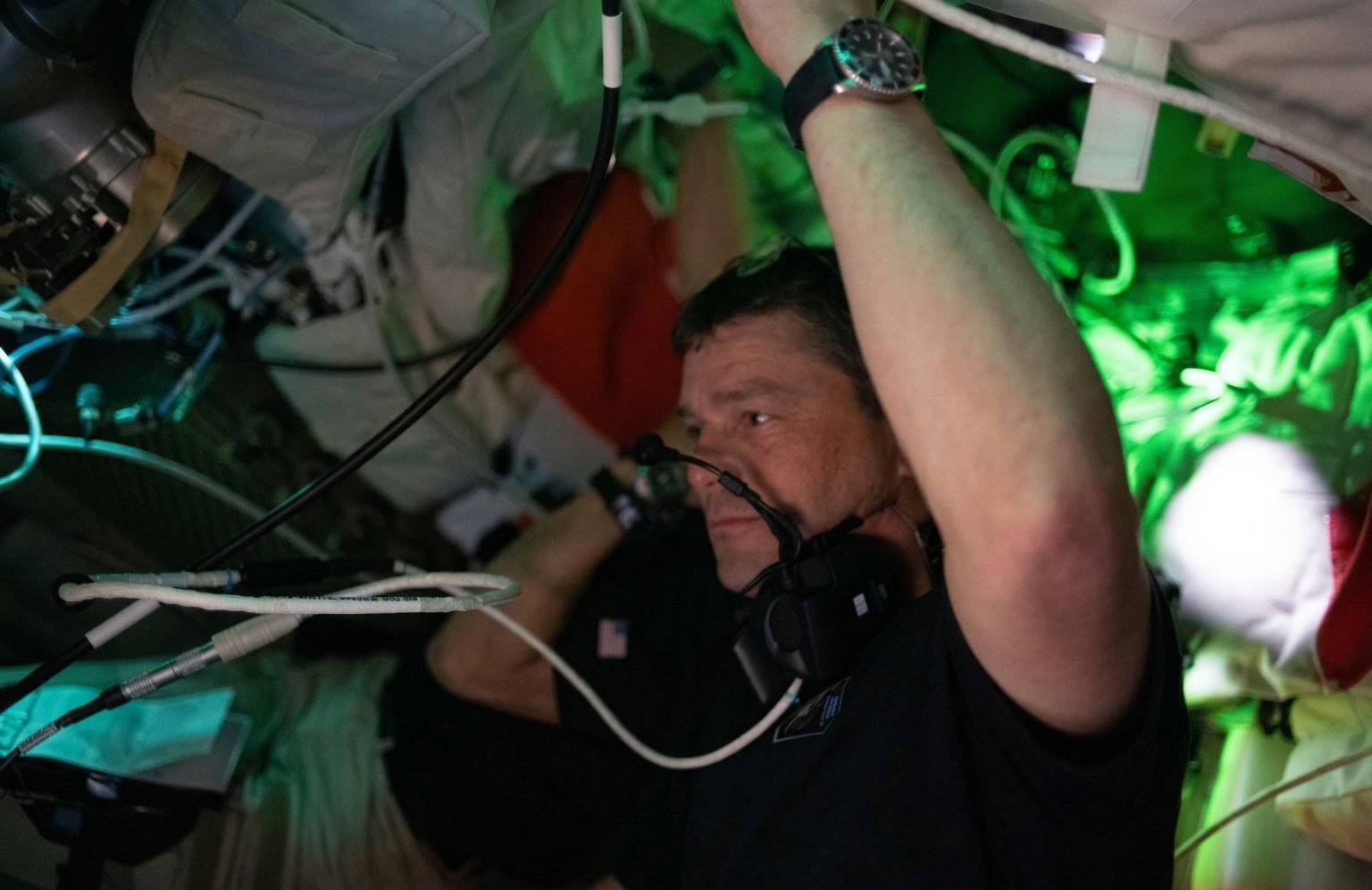
The problem was so serious that specialists on Earth had to connect to the spacecraft’s systems remotely to “resurrect” the email client. An hour later, the problem was resolved, even though the program continued to display an “offline” status—a phenomenon NASA experts described as “expected behavior.”
Why use Windows in space?
To many readers, the presence of ordinary commercial software on board a multibillion-dollar spacecraft may seem strange. However, this is part of the COTS (Commercial Off-The-Shelf) strategy.
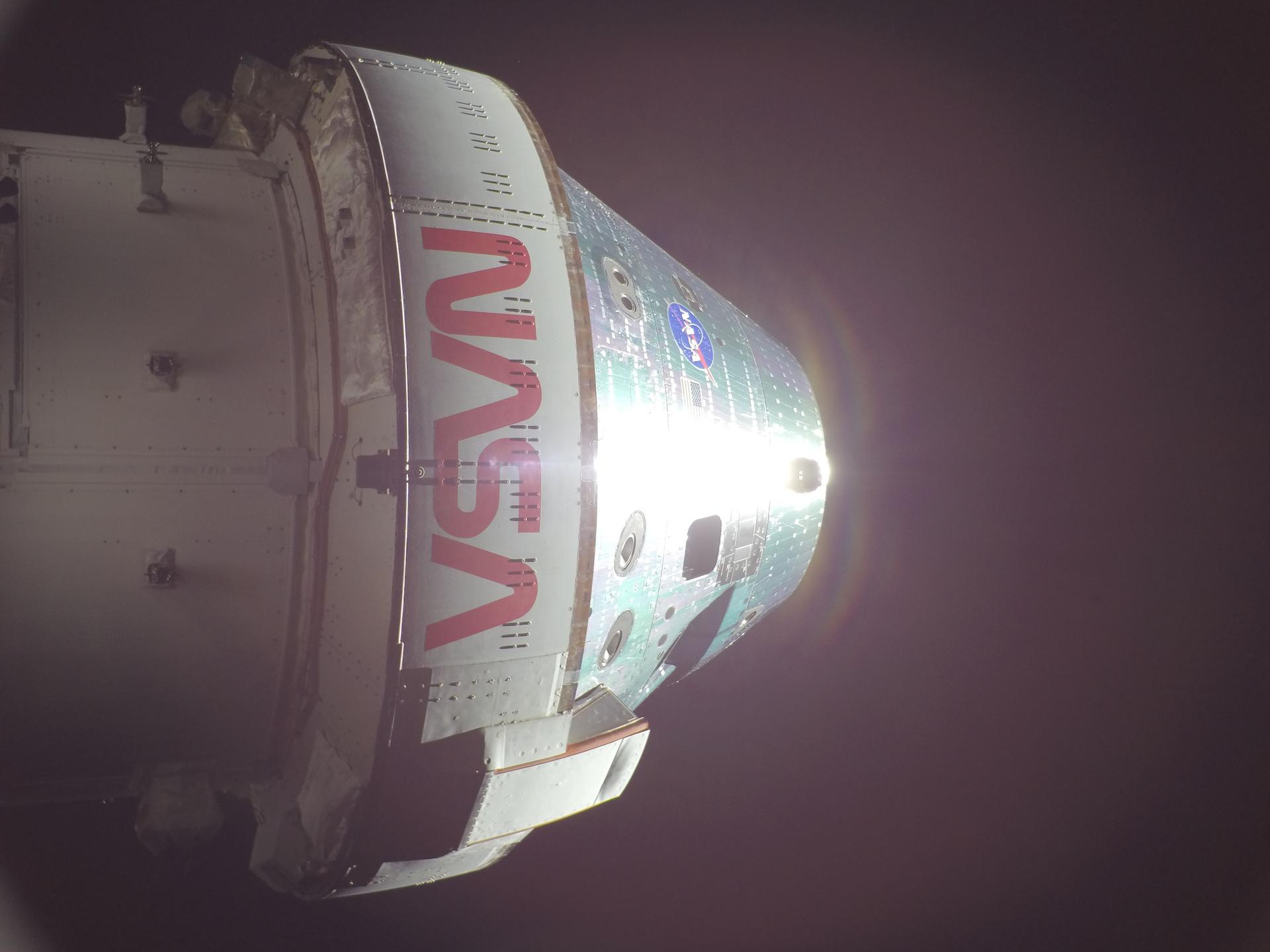
It is important to understand that Orion’s mission-critical flight systems rely on specialized, radiation-resistant hardware and unique software that has undergone years of testing. However, for everyday tasks—such as checking schedules, writing personal letters to family, or reading instructions—astronauts use standard Windows tablets and laptops. This allows the crew to work in a familiar interface without tying up the resources of the main onboard computers for administrative tasks.
Battle with the toilet
While searching for information about Microsoft Outlook in the broadcast, the researchers stumbled upon another, more physiological problem facing the mission. Almost at the very start of the flight, a warning light indicating a malfunction in the waste disposal system (UWMS) lit up on the control panel.
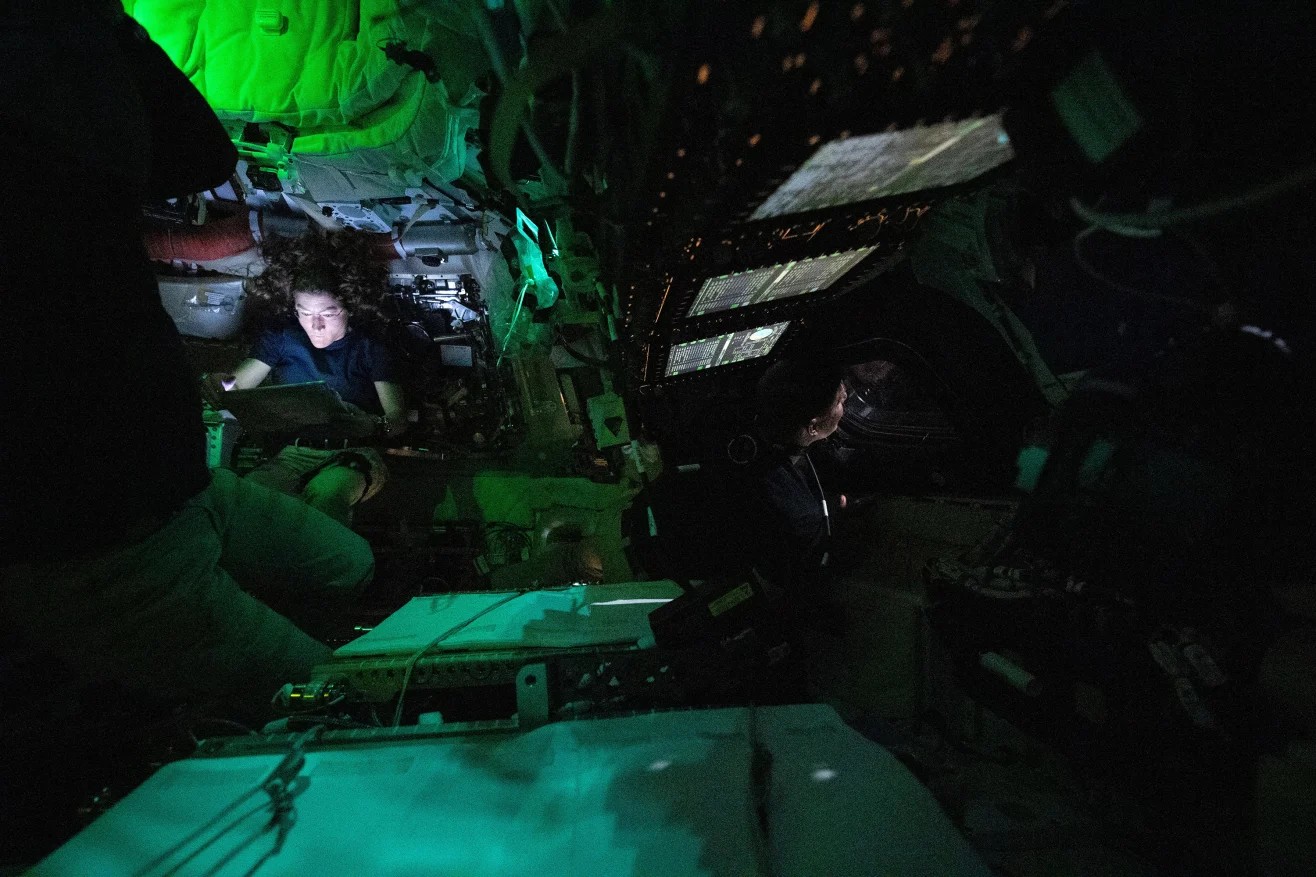
As it turned out later, the urine drain fan jammed two hours after takeoff. In microgravity, this is not merely an inconvenience but a serious technical hazard: without forced airflow, the liquid does not flow into the collection container but instead begins to scatter chaotically throughout the cabin.
Fortunately, one of the astronauts had experience as a maintenance engineer; he managed to reach the mechanism and manually clear the jam. NASA confirmed that the system had resumed operation, but the incident served as yet another reminder that in space, even the slightest fan malfunction can turn a triumphant mission into an ordeal of endurance.
We previously reported on how a jar of Nutella accidentally became a “record-breaker” in space.
According to tomshardware.com

