

As of Monday, April 6, 2026, the crew of the historic Artemis II mission has almost reached its goal—a flyby of the Moon. This event will mark a true technological triumph for humanity, since the last time a human foot—or even a view through a window—came close to our moon was back in 1972, during the final mission of the Apollo program.
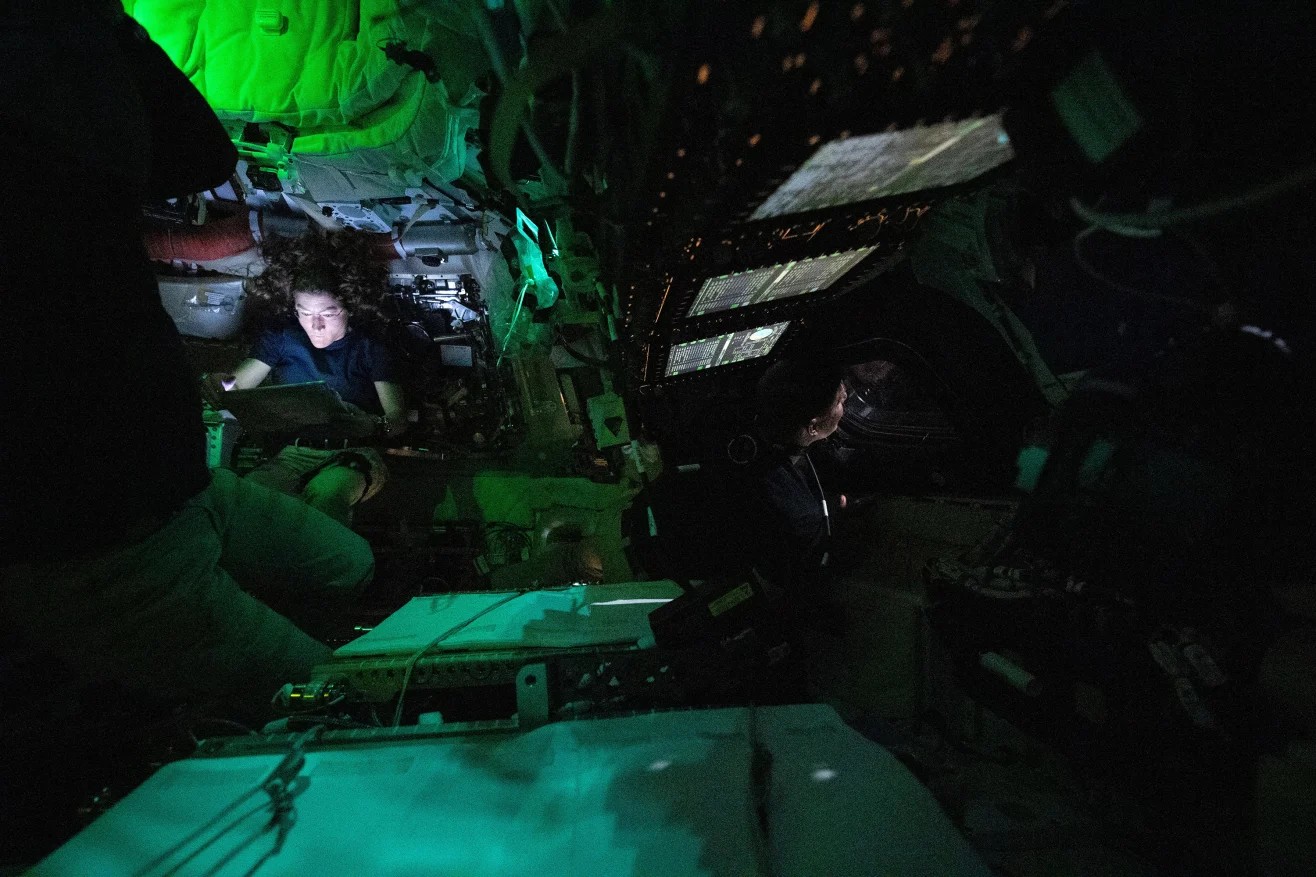
Despite the romance of the stars, life on board remains quite down-to-earth. Pilot Victor Glover, watching as Earth turned into a tiny blue dot and the Moon inexorably filled the sky, reported that the flight was proceeding successfully. However, as is often the case with complex engineering systems, this triumph was accompanied by practical difficulties: the main topic of discussion between the crew and Mission Control was not only the “Earthrise,” but also a malfunctioning waste disposal system.
Space plumbing: challenges beyond the atmosphere
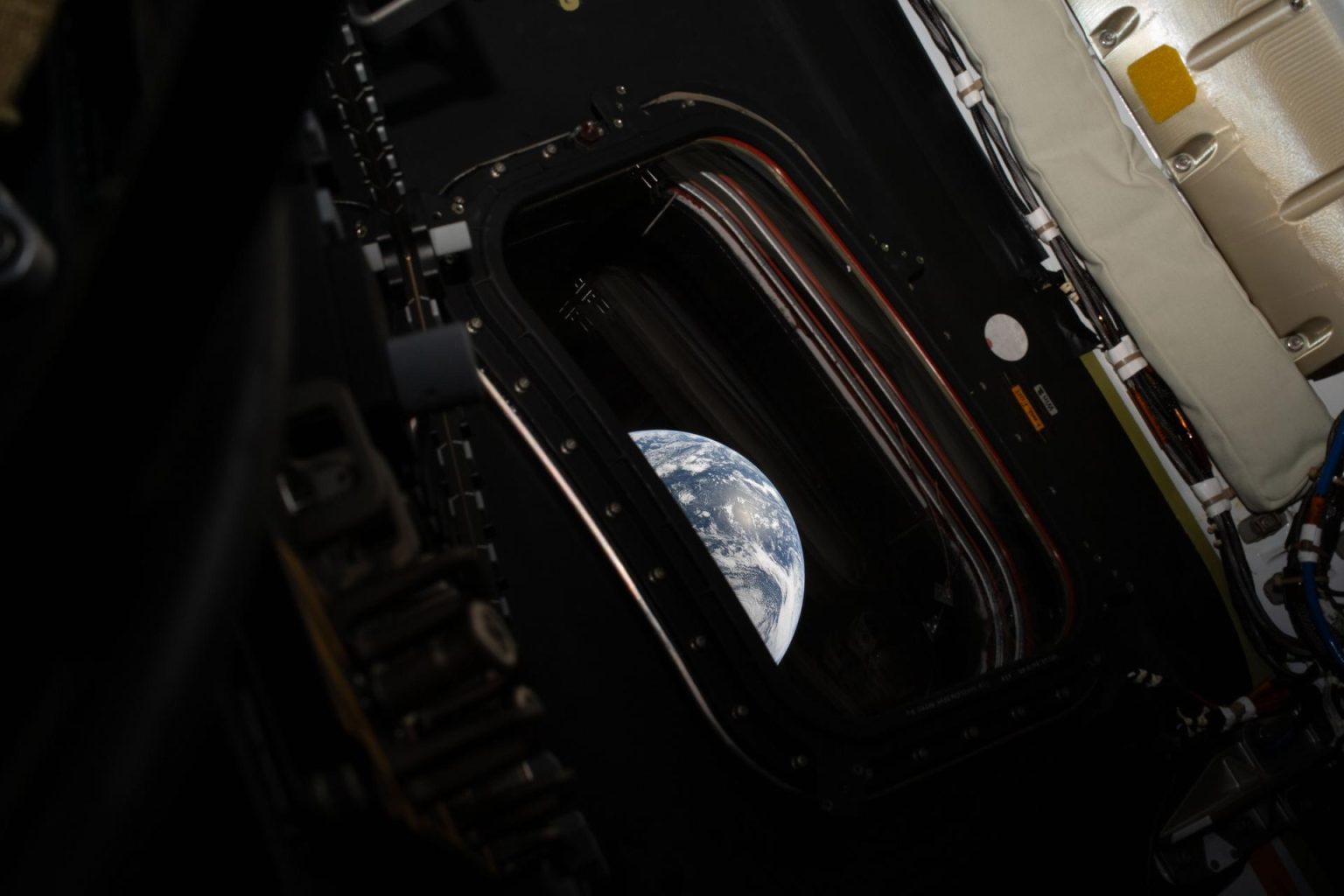
Orion is equipped with one of the most advanced systems available—the Universal Waste Management System (UWMS)—which is informally referred to as the “lunar toilet.” This technology has already been tested on the International Space Station, but in the context of an autonomous flight to the Moon, it has once again demonstrated its vulnerability. The toilet broke down almost immediately after launch. Since that time, it has only worked intermittently.
NASA engineers believe the problem is thermal in nature: it is likely that ice has blocked an external pipe, preventing the system from effectively discharging liquid waste into space. While experts on Earth search for a solution, the astronauts—three Americans and one Canadian—are forced to resort to “Plan B”: using special backup urine collection bags.
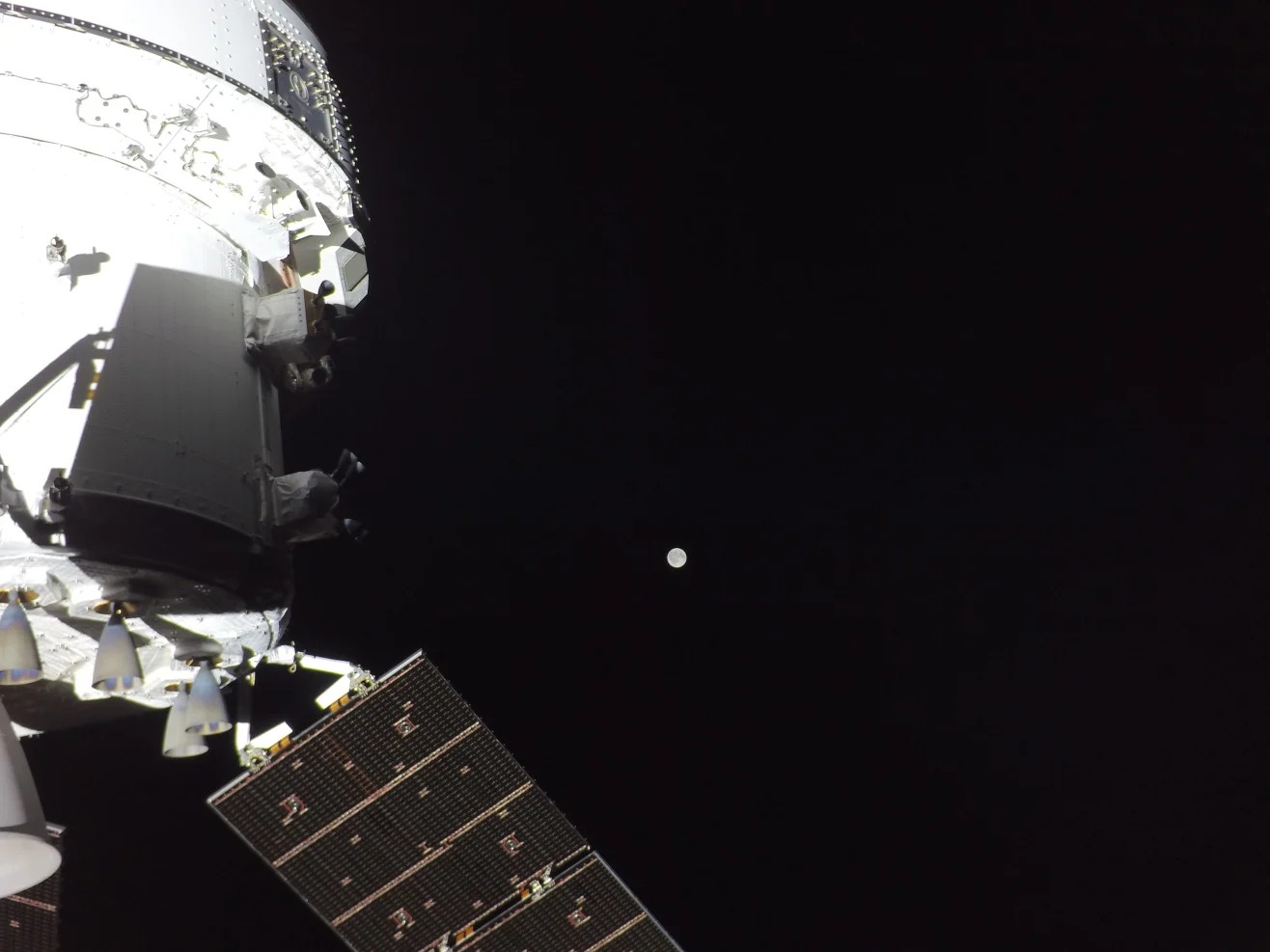
Debbie Korth, deputy director of the Orion program, candidly admits that the situation is far from ideal. The astronauts complain about a distinctive odor that seeps through the door and curtains of the bathroom, which is built into the floor of the capsule.
“Space toilets are a challenge that anyone who’s ever dealt with home renovations will understand, but here you are 300,000 kilometers away from the nearest plumber,” she says wryly, recalling that such problems were commonplace even during the days of the reusable space shuttles.
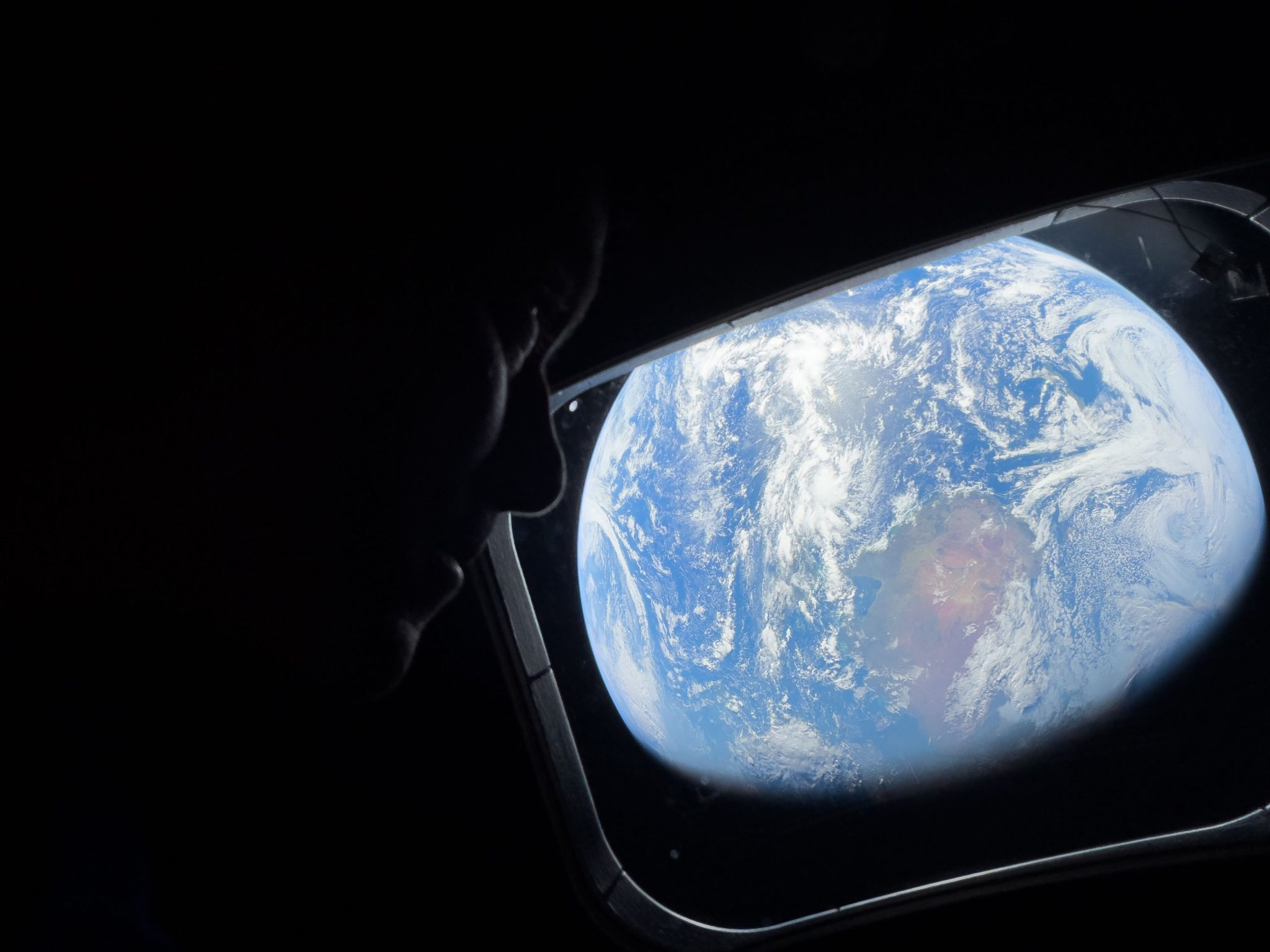
John Honeycutt, the mission control team leader, sums it up: “Yes, a malfunctioning toilet is unpleasant, but our astronauts have trained for years to overcome any challenge. Their fighting spirit is unbreakable.”
And while the world watches every step of their journey, the Artemis II crew continues on its mission, proving that human curiosity can overcome both gravity and technical challenges.
Geometry of the record
The Artemis II mission doesn’t just follow in the footsteps of its predecessors; it sets a new standard. The spacecraft must follow a free-return trajectory that will take it a record 400,000 kilometers away from Earth. That’s farther than the legendary Apollo 13 traveled in 1970.
It is important to understand that Artemis II will not enter a geostationary lunar orbit and will not land on the Moon. This is a “test run” of life support and navigation systems in the conditions of the radiation belt and deep space. After performing a gravity assist maneuver on the far side of the Moon, the Moon’s gravity will act like an invisible slingshot, directing Orion back toward Earth. During this maneuver, the crew will have a unique opportunity to document in detail the “dark” side of the Moon, which has never seen Earth’s light.
A look ahead to 2028: base at the South Pole
The current 10-day expedition is just the beginning. If Orion successfully splashes down in the Pacific Ocean on April 10, it will give the green light for the next, even more ambitious phase. The space agency plans to have the Artemis III mission land two researchers directly on the Moon’s surface, in the vicinity of the south pole, as early as 2028. This is where, in the perpetual shadow of the craters, scientists hope to find deposits of water ice that can be converted into oxygen and fuel. This will serve as the foundation for a sustainable lunar base—humanity’s first permanent outpost on another celestial body.
We previously reported on how the Artemis II crew accidentally revealed the password to the Orion onboard computer.
According to phys.org

