

The idea that humanity is not special on a cosmic scale has dominated science for centuries. However, a new study challenges this principle and offers an unexpected answer to the question of why we have not yet found brothers in mind.
Legacy of Copernicus
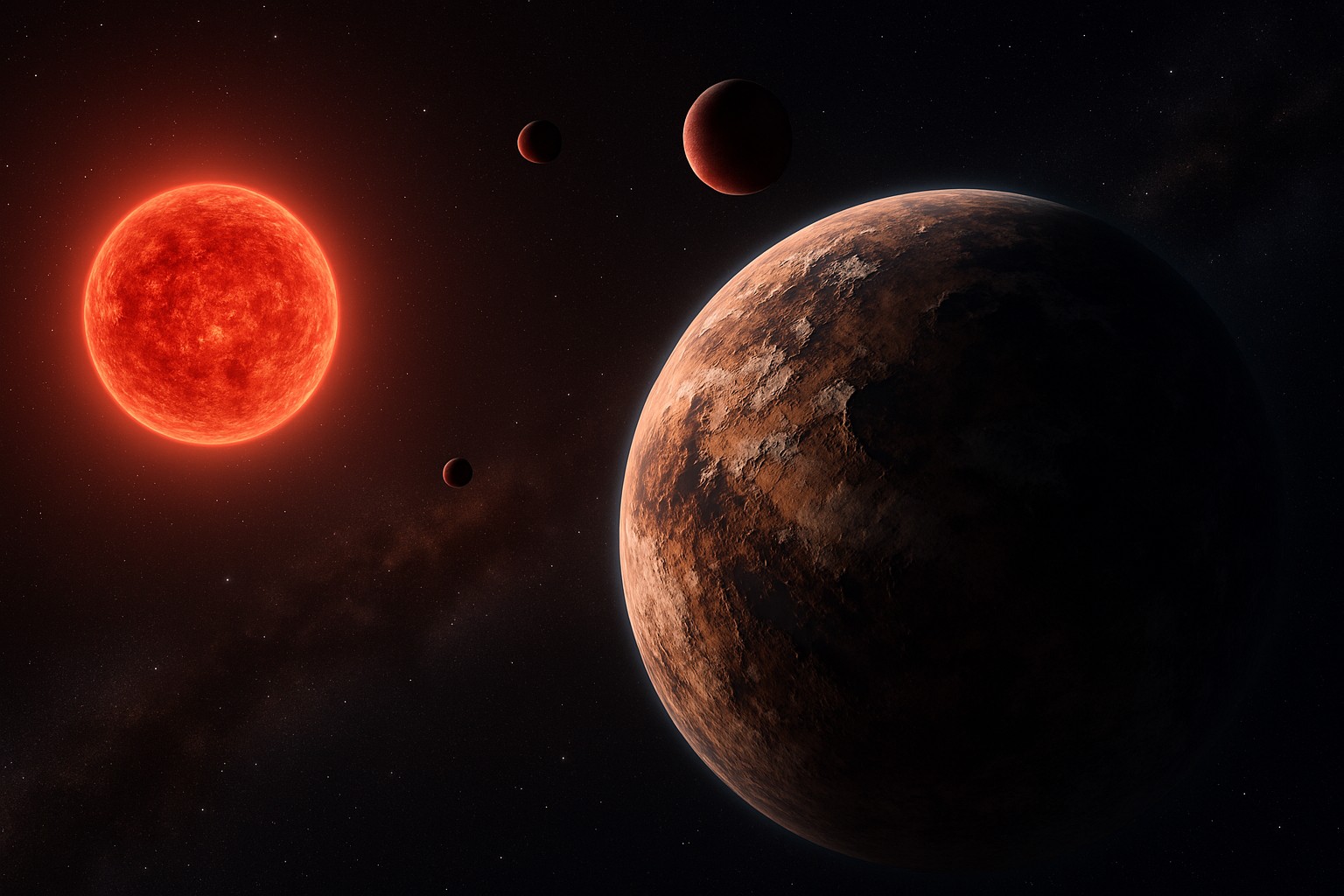
Since the time of Nicolaus Copernicus, who removed the Earth from the center of the Universe, science has consistently “downgraded” our role. It turns out that the Sun is just one of billions of stars in the galaxy, and our galaxy is one of billions of similar ones. This trend gave rise to the Copernican Revolution: Earth and humanity do not occupy a privileged place, and life is supposed to be a common phenomenon in space. This logic has focused astrobiologists’ attention on red dwarfs — the most common stars around which rocky planets located in “habitable zones” are most often found.

Arguments of pessimists
Columbia University professor David Kipping decided to test whether we really are typical. He drew attention to two key facts:
- The rarity of the Sun. Our star is a G-type star, which accounts for only a few percent of the total number of stars. Moreover, the Sun is a very quiet single star with two giant planets similar to Jupiter, which is rare. Giants such as Jupiter often serve as a “protective shield” for inner planets by attracting dangerous asteroids.
- We are “early birds.” Our Solar System formed when the Universe was already 9 billion years old. But red dwarfs can exist for trillions of years. Why did intelligent life appear so “early”? This makes us wonder whether our existence is an exception.
Rigid conclusions
Kipping conducted a Bayesian analysis to assess the probability of our existence. The result is impressive: the odds of us being a typical phenomenon are 1 in 1,600. This is compelling evidence in favor of the uniqueness of humanity.
The analysis points to a possible solution: stars with a mass less than 0.34 solar masses (which is two-thirds of all stars in the Universe, including red dwarfs) are 95% unlikely to give rise to intelligent life.
A new vector for searches
This is bad news for missions aimed at finding life around red dwarfs such as Proxima b. Although we cannot completely rule out the possibility of life on such planets, priorities have to change.
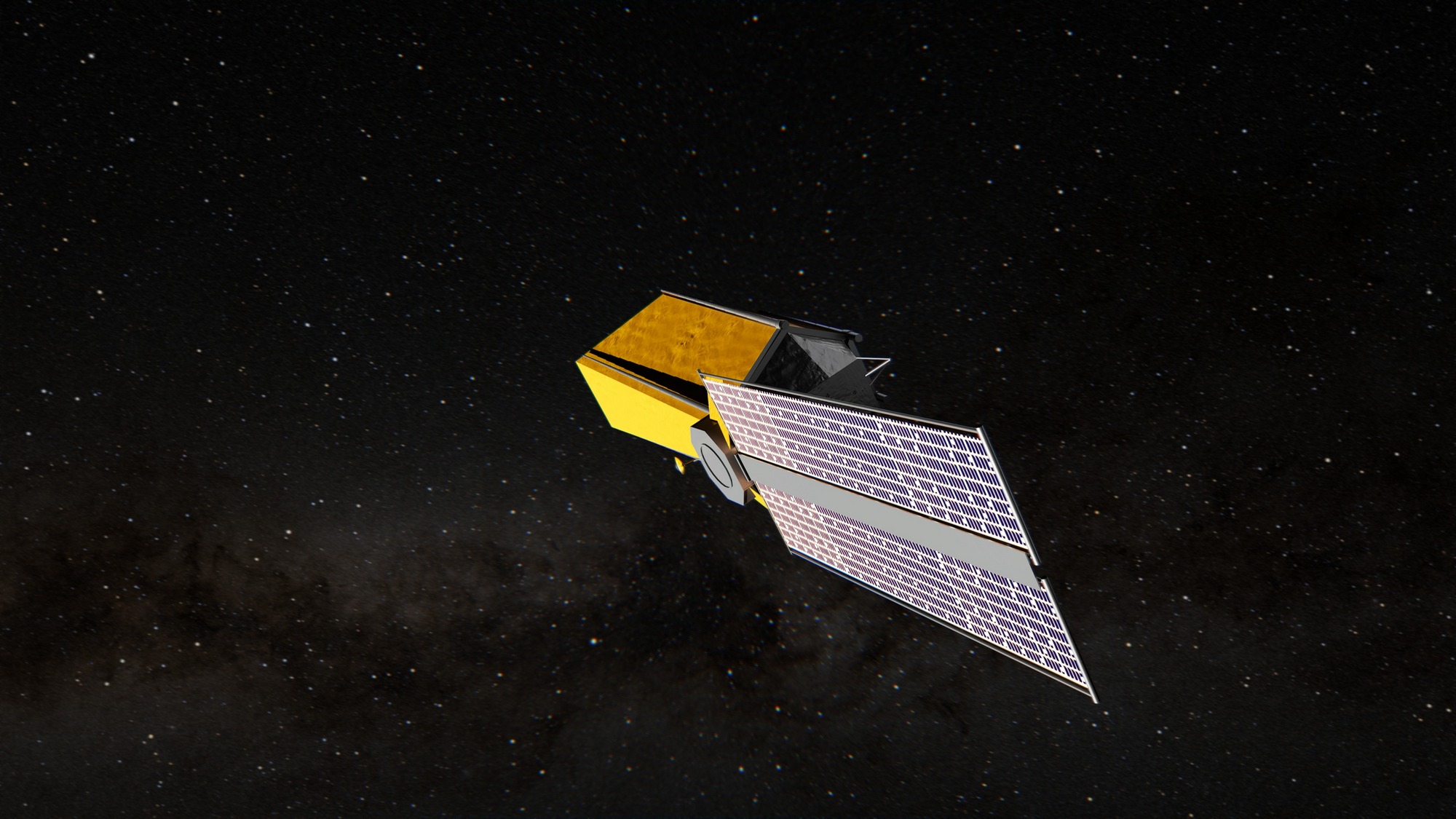
Future research, such as the planned Habitable Worlds Observatory (HWO), should focus on finding Earth-like planets around stars similar to our Sun. As Kipping concludes, although red dwarfs remain interesting objects, G-type stars should be the primary target in our hope of finding extraterrestrial civilizations.
Earlier, we reported on where extraterrestrial life could find a home in the Solar System.
According to Universe Today

