

One of the key antennas of NASA’s Deep Space Network (DSN) will be undergoing repairs until May 2026. This could complicate the Artemis II mission, which will be the first manned flight to the Moon in 54 years.
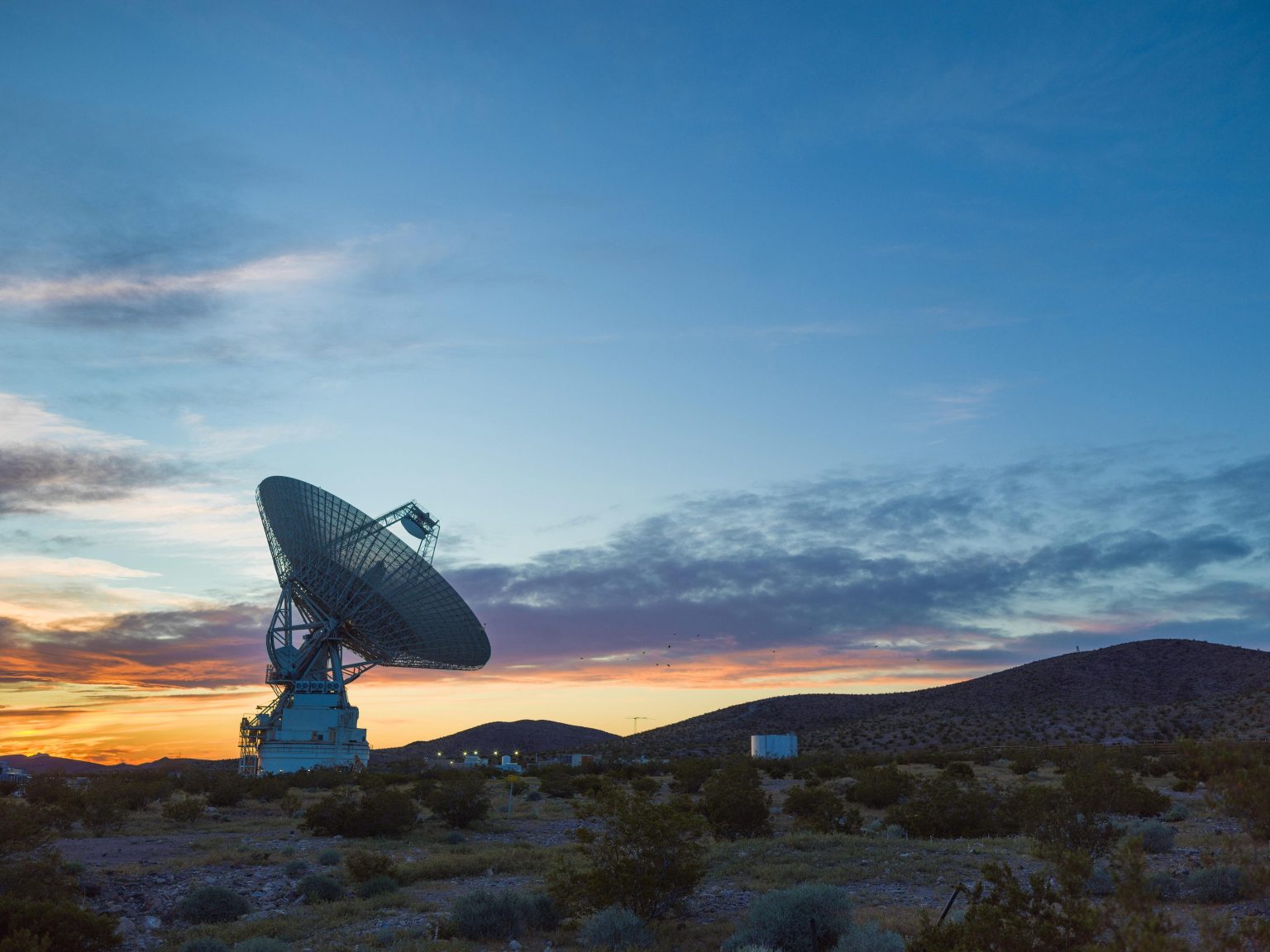
The deep space communication network is designed both to maintain communication with NASA missions throughout the solar system and to conduct scientific research (for example, they are used for planetary radar and determining the sizes of near-Earth asteroids). Its key components are three 70-meter antennas located in Goldstone (California), Madrid (Spain), and Canberra (Australia). These are the most powerful instruments in NASA’s arsenal and the only antennas with sufficient power to transmit commands to the Voyager 1 spacecraft in interstellar space.
On September 16, 2025, the 70-meter antenna in Goldstone was damaged due to excessive rotation, which put stress on the cables and pipelines. The incident also damaged hoses in the antenna’s fire suppression system, resulting in flooding. NASA only publicly acknowledged the incident in early November.
At a meeting of the Small Body Assessment Group on January 14, Lance Benner, a scientist at NASA’s Jet Propulsion Laboratory, said that the investigation into the incident was ongoing. According to him, the antenna is officially scheduled to resume operation on May 1, 2026. However, this deadline may be delayed. The situation is exacerbated by the fact that the antenna was previously scheduled to be shut down in August 2026 for modernization and replacement of equipment, some of which is already 40-50 years old. The repairs were expected to last until October 2028, and it was expected to be put back into operation a few months before the asteroid Apophis passed by Earth.
This situation has significantly hampered a number of scientific studies. In particular, scientists now have to find alternative ways of conducting radar observations of bodies in the Solar System using other, less sensitive antennas and transmitters.
The loss of the antenna also increases the burden on other DSN components ahead of the Artemis II mission scheduled for February, which will involve a manned flight around the Moon. Support for Artemis I in 2022 forced other NASA missions to give up hundreds of hours of antenna time. A similar situation is expected during the Artemis II flight period. Thus, the antenna malfunction clearly demonstrates the need to modernize and expand the capabilities of the DSN to simultaneously support both manned missions to deep space and unmanned missions exploring other bodies in the Solar System.
According to Spacenews

