

On February 2, NASA conducted a dress rehearsal for the launch of the Artemis II mission. Due to a fuel leak, it was decided to postpone the launch until March.
Problems during refueling
The operation, also known as a “wet dress rehearsal,” was the final step on the way to the Moon. As part of it, engineers had to completely fill the super-heavy SLS rocket with liquid hydrogen and oxygen. After that, a countdown rehearsal was to be conducted.
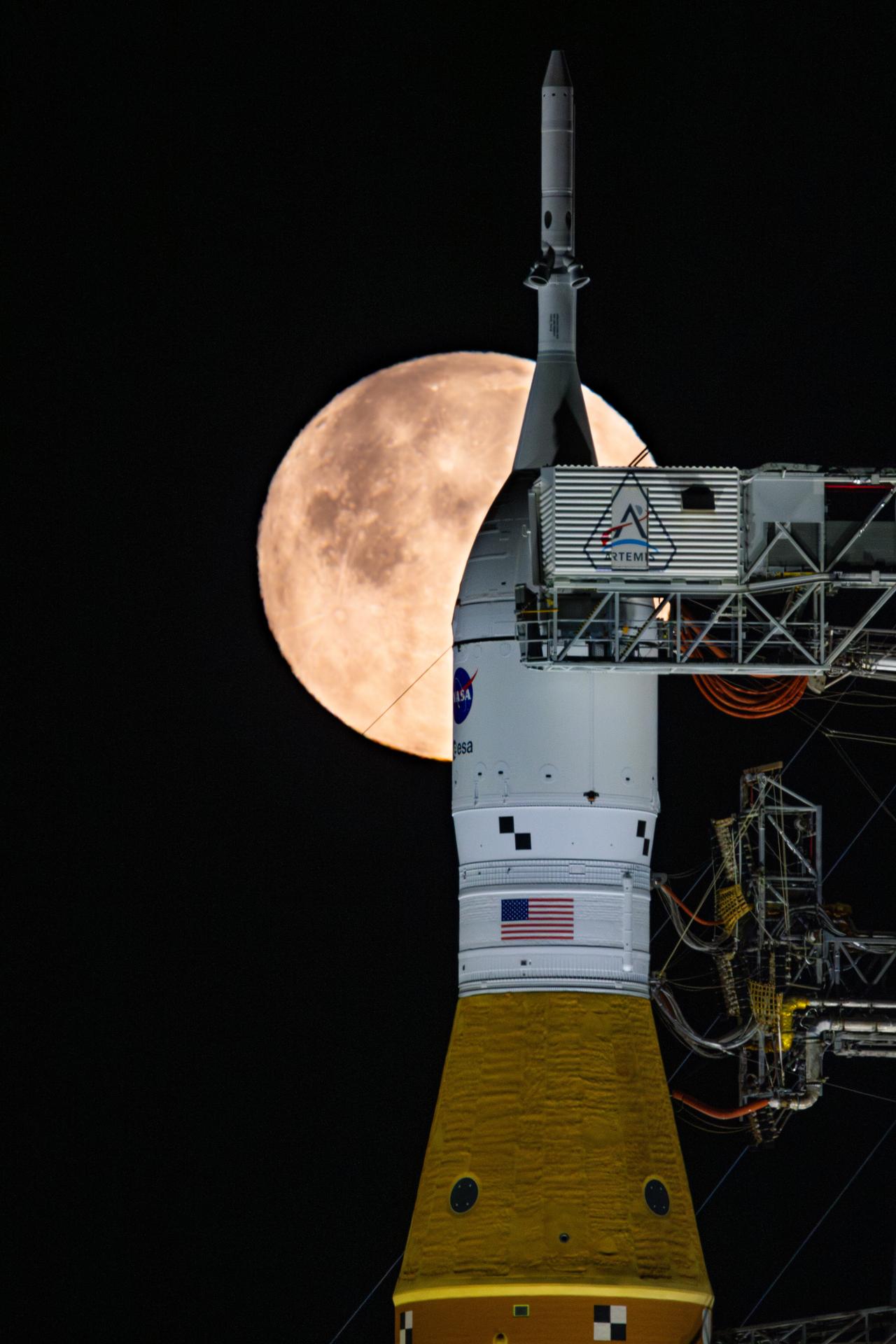
Before and during the SLS fueling operations, engineers monitored how the unusually cold weather at Cape Canaveral affected the rocket’s systems. The low temperatures caused a delay in fueling, as it took time to bring some interfaces up to acceptable temperatures.
During refueling, engineers spent several hours fixing a liquid hydrogen leak in the interface used to feed cryogenic fuel into the rocket’s central unit, which delayed the countdown. Attempts to fix the problem included stopping the flow of liquid hydrogen to the central stage so that the interface could heat up and the seals could return to their normal position, as well as adjusting the fuel flow.
Finally, the specialists successfully filled all the tanks of both the first and second stages, after which a team of five people was sent to the launch pad to complete the operations to close the Orion spacecraft. Engineers conducted the first trial countdown during testing, reaching the 5-minute mark before launch, after which the ground launch sequencer automatically stopped the countdown due to a sharp increase in liquid hydrogen leakage.
In addition to the leak, the valve associated with sealing the Orion crew module hatch, which had recently been replaced, required re-tightening, and closure operations took longer than planned. The cold weather, which affected the operation of several cameras and other equipment, did not prevent the dress rehearsal from taking place, but it did require additional attention on launch day. In addition, there were several communication interruptions during the dress rehearsal.
Postponed to March
The combination of all these problems led NASA to decide to postpone the launch of Artemis II until March. The SLS rocket and Orion spacecraft will now be returned to the Vertical Assembly Building. Engineers will analyze the data collected during the “dry run” and try to fix the problems identified. As for the crew, they will be released from quarantine, which began on January 21.
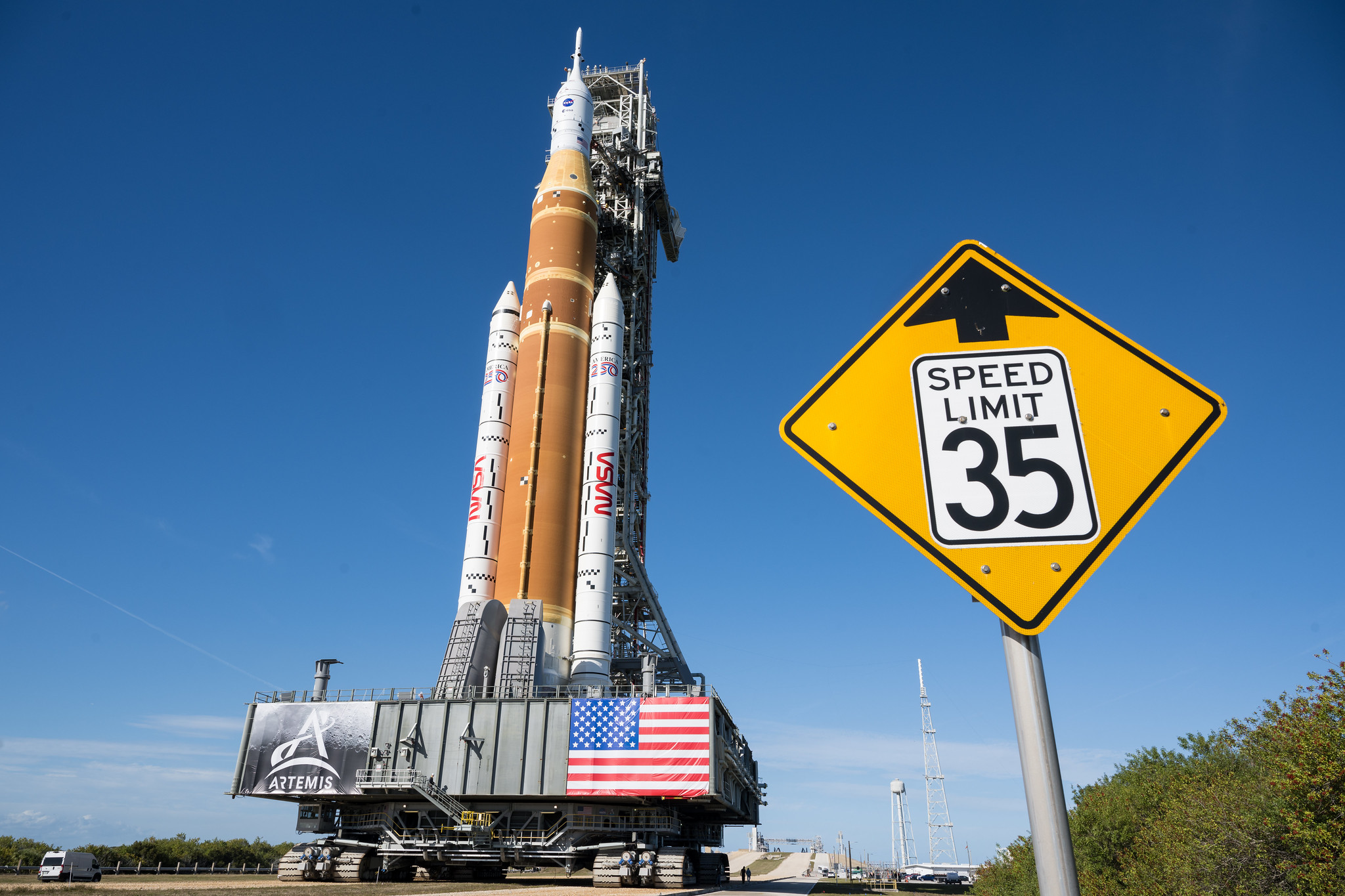
The next launch windows for the Artemis II flight to the Moon will be open from March 6 to 9, as well as on March 11. Before launching the rocket, NASA will have to repeat the “wet dress rehearsal.” We can only hope that the second attempt will be more successful than the first.
According to NASA

