

NASA has provided an update on the progress of preparations for a unique mission aimed at rescuing the Swift space telescope. The aerospace administration says that everything is going according to plan and that the launch will take place in June 2026.
Doomed telescope
Swift was launched in 2004 to study gamma-ray bursts: the brightest electromagnetic events in the Universe. They can occur during events such as the merger of neutron stars, black holes, or the collapse of giant stars.
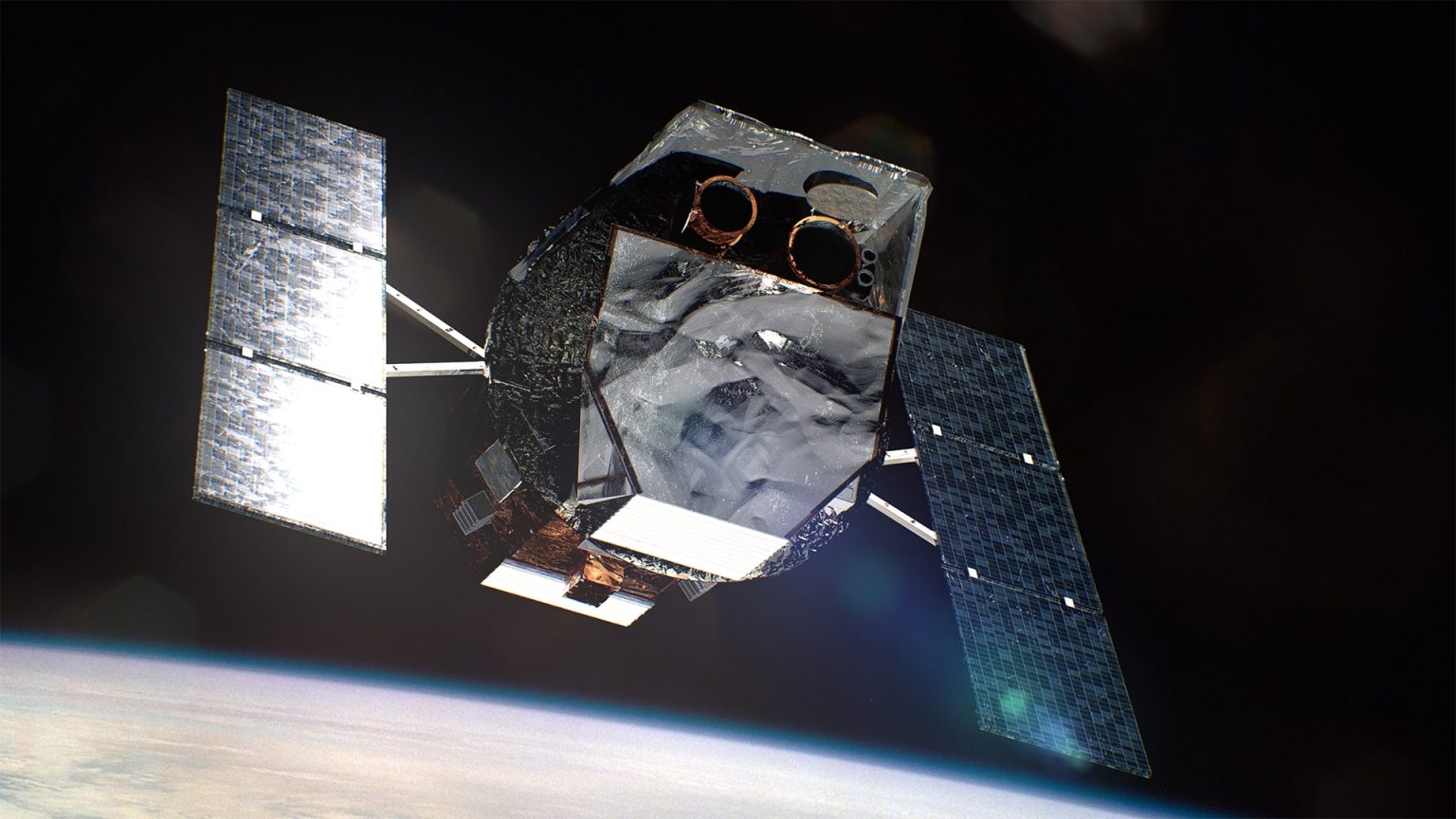
Initially, the telescope was in a 600-kilometer orbit. Subsequently, due to deceleration in the upper layers of the atmosphere, its altitude gradually decreased. Since the telescope does not have its own engines, it could not counteract this process. By the beginning of 2026, its orbital altitude had decreased to 412 km.
Rescue operation
To save the telescope, NASA has signed a contract with Katalyst Space, a startup that services satellites. The contract stipulates the launch of a special tug that will dock with Swift and raise its orbit. Katalyst Space will receive $30 million for this.
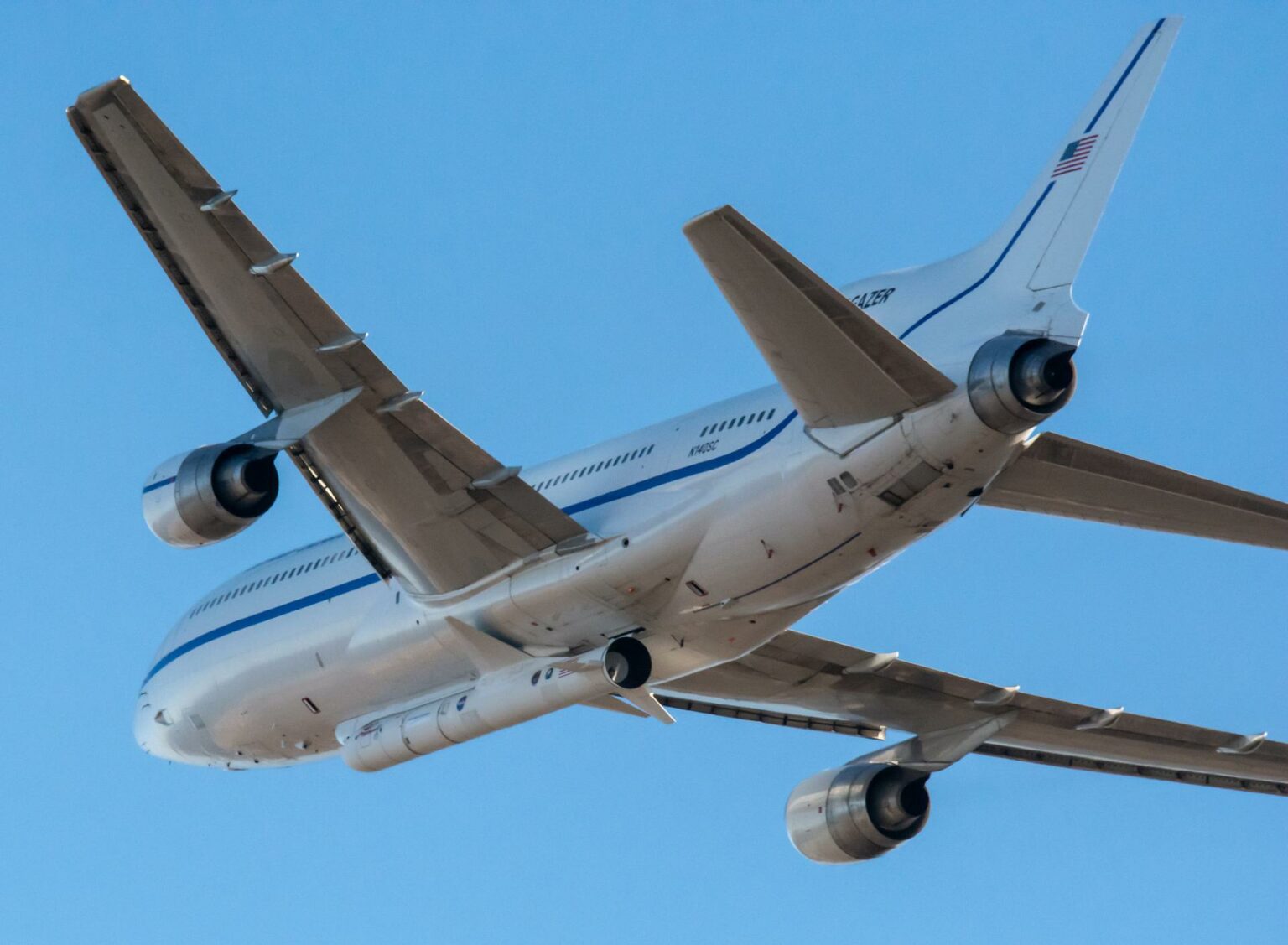
The rescue mission will be launched into space on a Pegasus XL rocket. This is the first launch vehicle in history to be launched using an air launch system. Due to its high cost, the rocket lost its competitiveness, which is why the last assembled model could not find a use for a long time. Now it has finally found a worthy task.
Countdown
At a joint meeting of three groups analyzing NASA’s astrophysics programs on January 4, Swift science team leader Jamie Kennea reported that preparations for the orbit-raising mission were proceeding according to plan and that the launch was scheduled for June 1.
The June launch will provide several months of leeway. Kennea said that based on current models, Swift’s altitude will fall below 300 kilometers — the point at which an orbit-raising mission becomes impossible — sometime between mid-October 2026 and the end of January 2027.
Of course, there is always the possibility of schedule disruptions, especially in the case of such a unique mission and Katalyst’s lack of spaceflight experience. Therefore, the Swift team is exploring ways to reduce the telescope’s descent rate. Most of the atmospheric drag occurs during a roughly 20-minute segment of each orbit, when Swift passes through the bulge of the atmosphere on the side of Earth facing the Sun. During this period, mission controllers will reorient the spacecraft to reduce its cross-sectional area and thereby minimize drag. Engineers are also evaluating additional measures, such as slightly tilting the solar panels away from the Sun.
These measures will affect Swift’s scientific activities, including limiting its ability to target specific objects during this 20-minute interval. However, scientists believe that this is a reasonable price to pay for extending Swift’s mission.
The success of the mission could pave the way for the launch of tugs to other telescopes that will fall to Earth in the near future. The main candidate is Hubble. Like Swift, it has no engines, which means that its orbit is gradually decreasing. According to forecasts, it could fall to Earth as early as the beginning of the next decade.
According to Spacenews

