

Humanity’s return to the Moon has encountered unexpected obstacles. NASA’s key partner, Elon Musk’s SpaceX, is behind schedule in developing a lunar landing module. This has prompted the space agency to accelerate its search for alternatives, sparking a veritable space race between private companies.
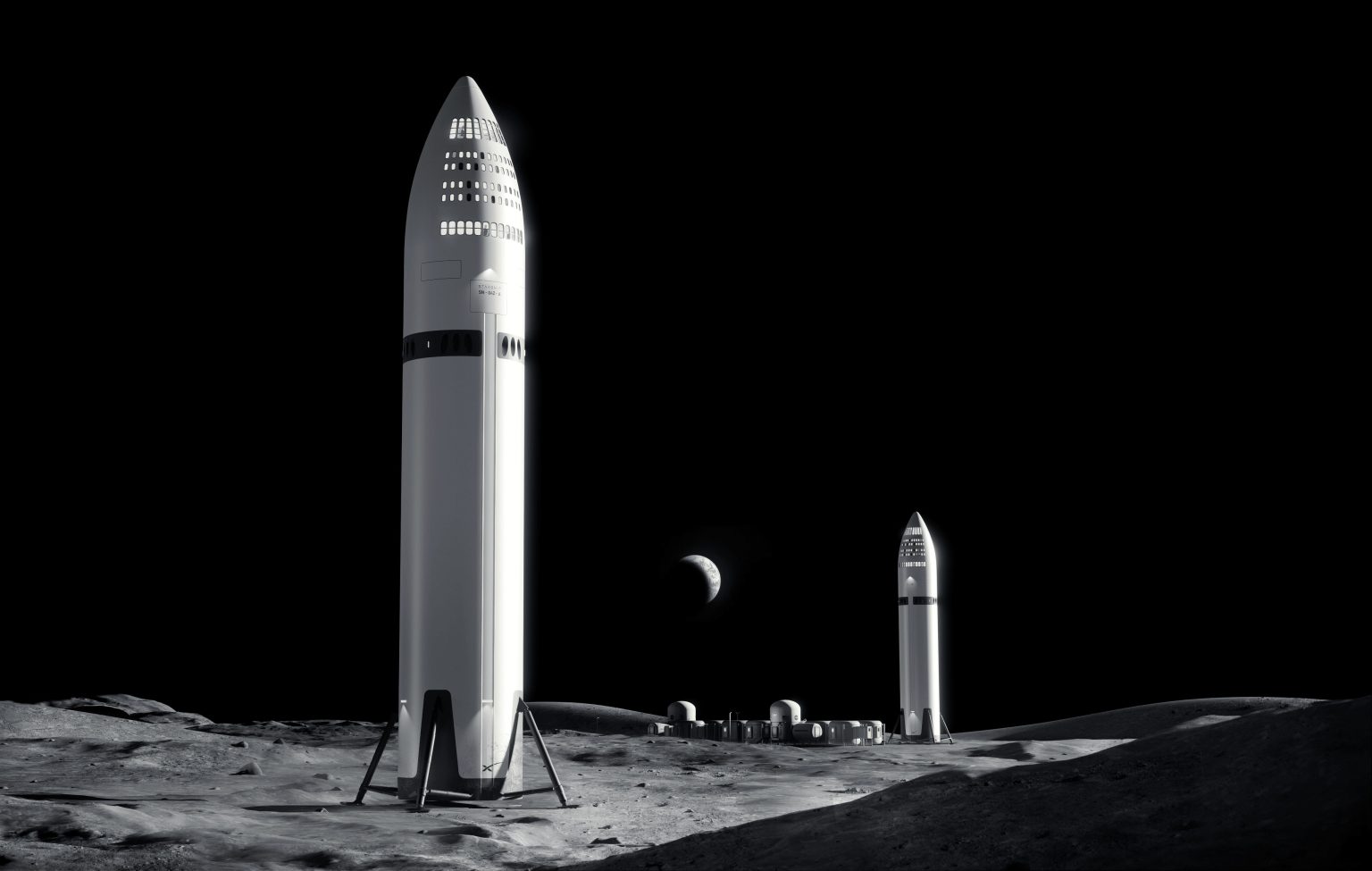
The goal of the Artemis III mission is to land astronauts on the Moon by mid-2027. However, internal SpaceX documents obtained by Politico indicate that the company will not be able to accomplish this task until September 2028 at the earliest. The delay is due to the complexity of developing the Starship Human Landing System (HLS), a modified version of the Starship spacecraft designed for lunar landings.
Due to these difficulties, NASA has taken decisive action. In October, the agency reopened the competition for the supply of a landing module for Artemis III, inviting other manufacturers to submit their proposals. This move is intended to spur SpaceX on and create a backup plan in case of further delays.
SpaceX’s busy schedule
SpaceX’s new plan, which the company is due to submit to NASA in December, looks extremely ambitious. It includes several key stages:
- June 2026. The first-ever in-orbit fuel transfer – a critical operation for Starship’s journey to the Moon.
- June 2027. Unmanned landing of Starship HLS on the Moon. It was at this time that NASA hoped to launch a manned mission.
- September 2028. First manned landing of Artemis astronauts on the lunar surface.

However, there are serious doubts about the feasibility of this plan. Starship has never completed a fully successful orbital flight, let alone complex refueling maneuvers. In addition, HLS plans to use a new, even larger version of the rocket—Starship V3—which is not scheduled to debut until 2026.
Who can benefit from SpaceX’s problems?
SpaceX’s main competitor in this race is Jeff Bezos’ Blue Origin. The company is already developing its Blue Moon Mark 2 (MK2) landing module for the future Artemis V mission. A recent successful ground test of their New Glenn launch vehicle was an important milestone. This paves the way for a potential demonstration of an unmanned lunar landing as early as 2026.
Under these circumstances, Blue Origin has a real chance of snatching the Artemis III contract from SpaceX. NASA has already received proposals from both companies to accelerate development and will soon announce a competition for the entire industry to select the most reliable path back to the moon.
Thus, NASA’s lunar program finds itself at a crossroads. SpaceX’s ambitious but risky schedule and the emergence of a strong competitor in the form of Blue Origin make the future of the Artemis III mission uncertain.
Who exactly will land the next people on the Moon may be decided in the coming months in the battle between the tech giants.
We previously reported on how Starship was deemed unviable.
According to gizmodo.com

