

Despite nine consecutive SpaceX Starship tests, all of which ended unsuccessfully at various stages of flight, the future of the super-powerful rocket remains uncertain. Repeated accidents and critical comments from experts raise serious doubts about the viability of the project, which NASA has chosen as key to returning humans to the Moon as part of the Artemis project and realizing Elon Musk’s Martian dream. The next launch is scheduled for August.
A series of setbacks for the space giant
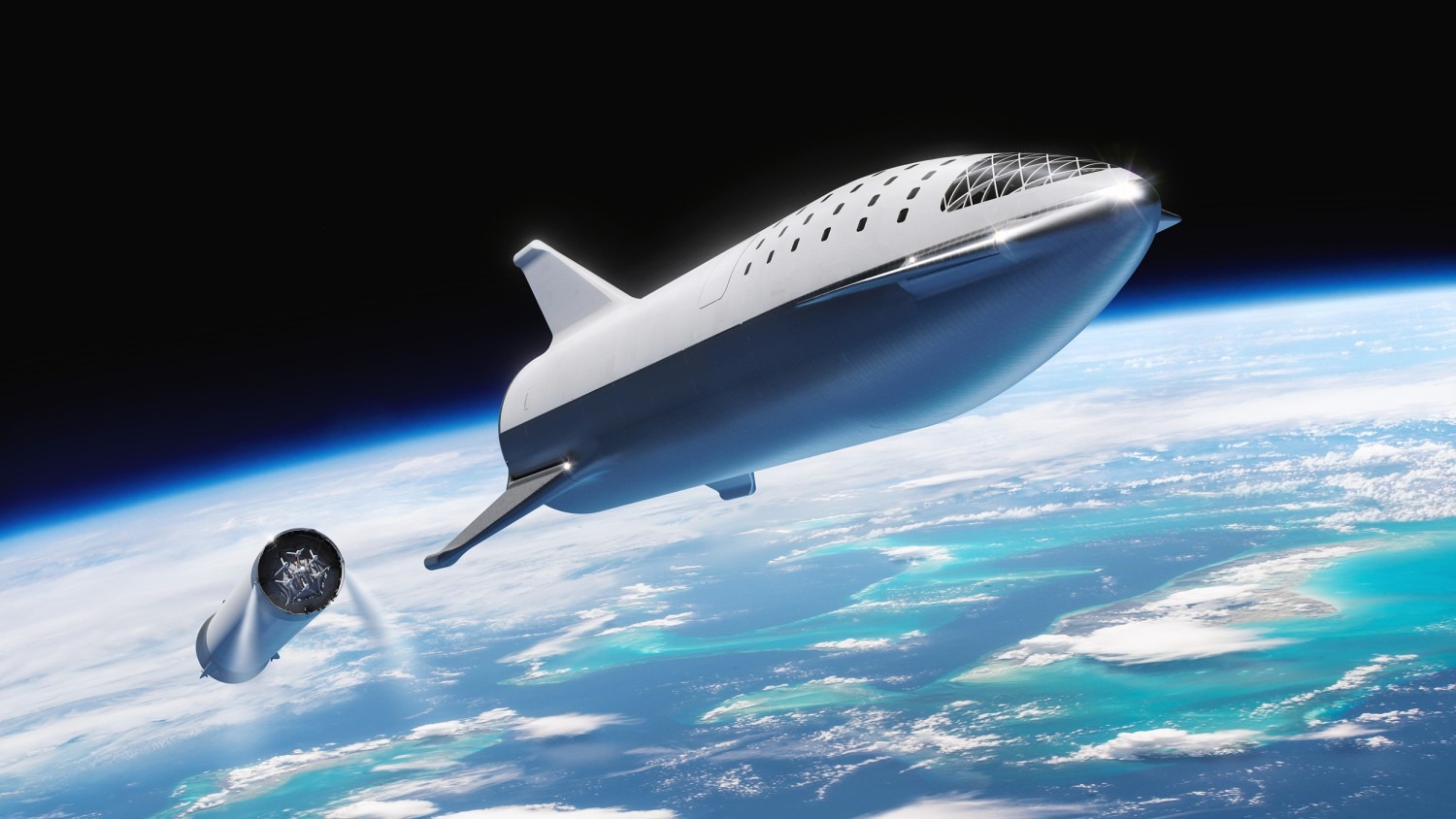
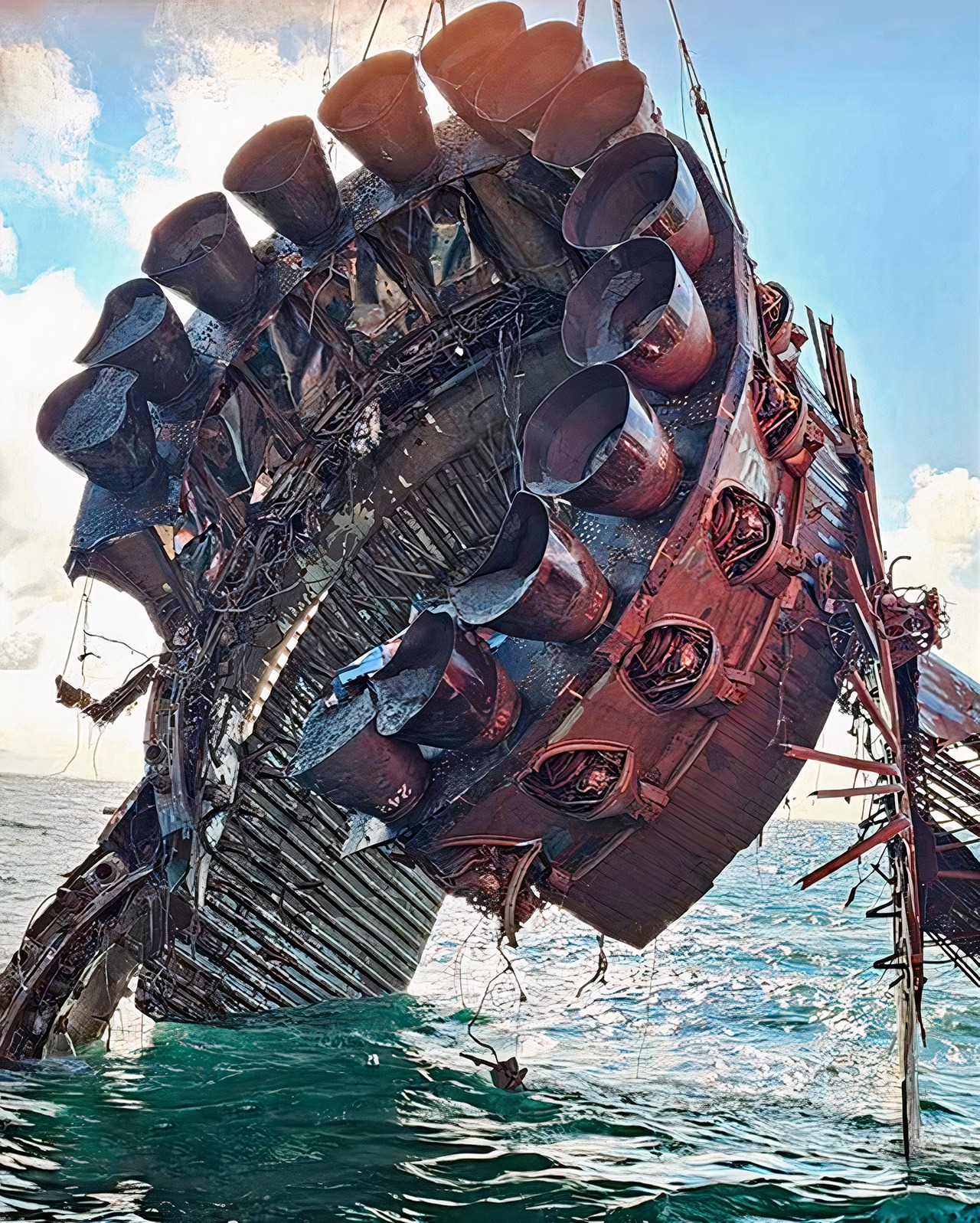
SpaceX continues to persistently test its most powerful rocket in the world – the 120-meter Starship. Over the past 2.5 years, the company has carried out nine full-scale launches. However, most of them ended in catastrophic accidents: explosions, clouds of debris over populated islands that required the closure of airspace, and uncontrolled crashes. The last launch in May ended in chaos, with the spacecraft spinning out of control, fuel leaking, and a hard landing in the Gulf of Mexico/Gulf of America.
High stakes
The stakes are extremely high for SpaceX and its founder Elon Musk. Starship is not just a rocket, but the foundation for key initiatives: the colonization of Mars and the mass deployment of the Starlink satellite network, the company’s main source of income. It is Starship that must ensure the necessary pace of launches of thousands of satellites annually.
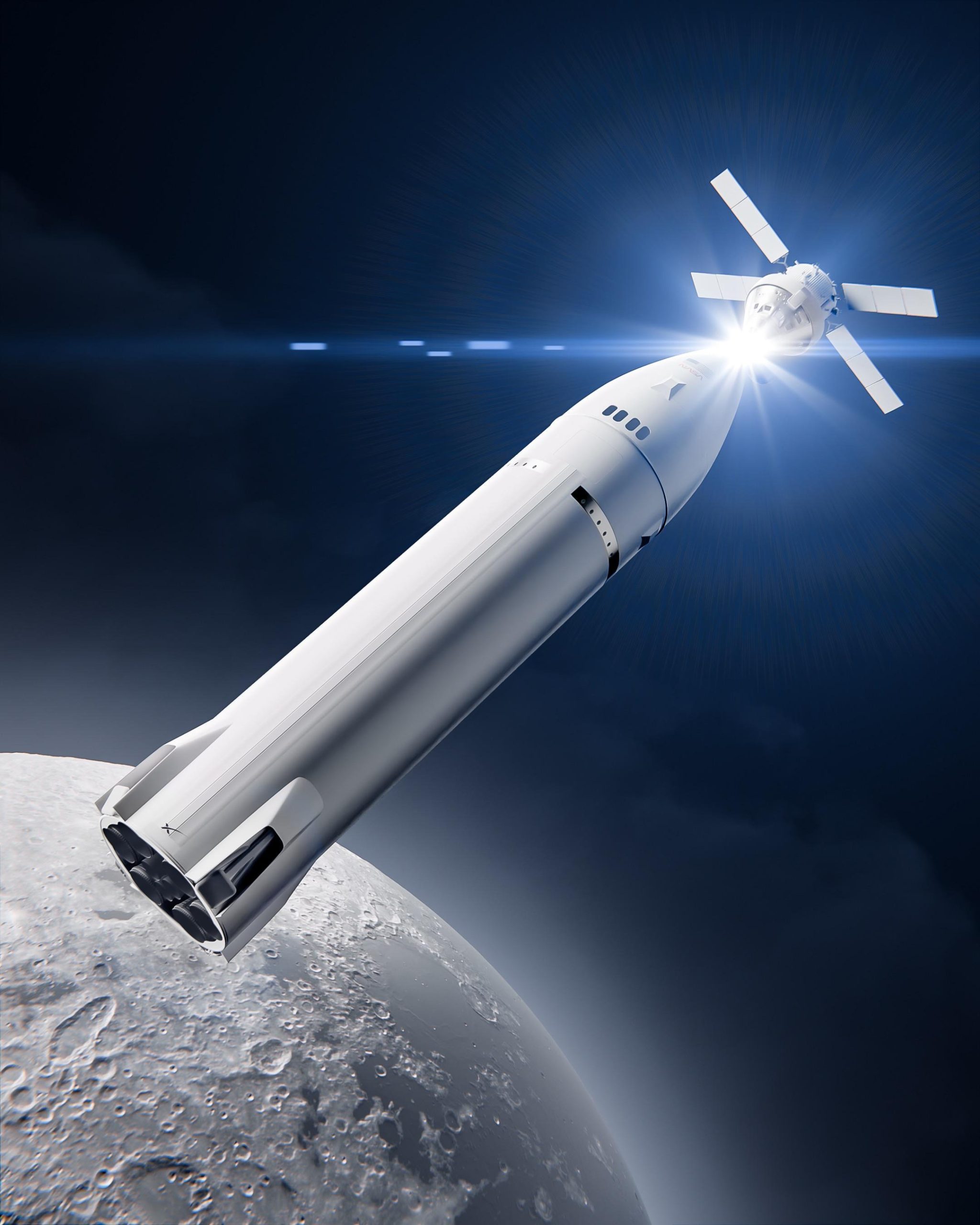
But a series of failures raises fundamental questions: is this super-heavy launch vehicle capable of reliably performing missions at all? Are NASA’s plans to use it to return humans to the Moon realistic? Is this project doomed from a technical standpoint?
Criticism from experts
Criticism from space industry experts is growing louder. Charlie Garcia, chief engineer at Reflect Orbital, emphasizes that the problem is not in creating a reusable rocket with powerful engines, but in its economic feasibility and the speed of preparation for a repeat flight. Grant Anderson, co-founder of Paragon Space Development, recalls the high-profile but unfulfilled promises of the past, in particular NASA’s Space Shuttle program, whose spacecraft, according to the 1970s plan, were supposed to fly into space almost every two weeks. The reality turned out to be much harsher.
Step back
Many perceived the latest launch of Starship as a step backward. Whereas previously spacecraft had at least a soft splashdown, now a malfunction has been detected in the nitrogen tank in the nose section. Even more worrying is the repetition of problems at the same stage of flight during launches No. 7 and No. 8. Anderson considers this to be a sign of a deeper structural flaw rather than just an accidental mistake.
August launch will determine the future
Now, experts are focusing their attention on SpaceX’s launch sites. Elon Musk has promised a tenth test launch of Starship in early August. The company’s persistence is impressive: its rocket booster has repeatedly returned intact thanks to the innovative Mechazilla capture system.
However, the fate of the giant Starship spacecraft itself remains highly uncertain. Will the last few years and billions of investments be wasted? Will SpaceX be able to prove the viability of its revolutionary but risky concept and realize the dream of reaching the Moon and Mars? The answer will begin to take shape this summer.
Earlier, we reported everything you wanted to know about Starship.
According to New York Magazine

