

About 66 million years ago, the impact of a giant asteroid in the area of what is now Mexico’s Yucatán Peninsula permanently changed the course of evolution. As a result of the catastrophe, more than 75% of all biological species, including the dinosaurs, were literally wiped from the face of the planet. However, a recent study published in Science Advances has prompted the scientific community to reconsider the causes of the global ecological collapse. Based on their findings, the researchers propose that the dinosaurs were destroyed not so much by the impact itself as by the composition of an extremely rare asteroid that triggered a deadly chain reaction.
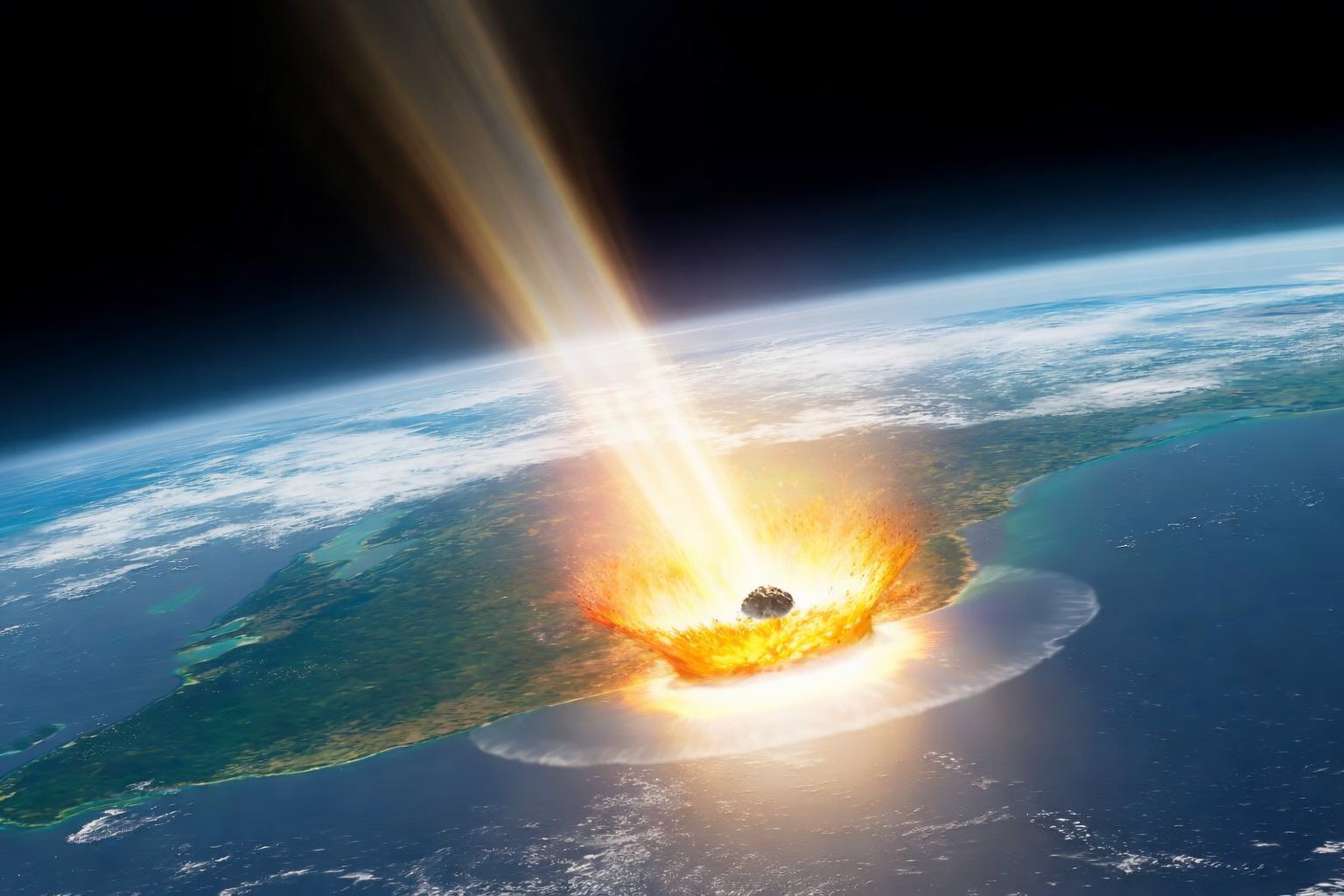
An international team of scientists conducted a detailed isotopic analysis of nickel in samples from the so-called Cretaceous–Paleogene boundary, or K–Pg boundary. This thin global layer of clay was formed after the Chicxulub asteroid impact and is the main geological marker of the disaster.
The results showed that the Chicxulub asteroid belonged to the CO type, a rare type of carbonaceous chondrite of the Ornan group. Such meteorites constitute only about 5% of all known carbonaceous chondrites and contain some of the oldest material preserved from the formation of the Solar System. Compared to other carbonaceous chondrites, CO chondrites contain fewer volatile elements, including water, carbon, zinc, and especially sulfur.
Sulfur Is No Longer the Main Suspect
Paleontologists and climatologists previously suggested that the main factor in the long “impact winter” was the huge amounts of sulfur that entered the atmosphere after the impact. Much of this sulfur likely came from sulfate-rich terrestrial rocks in the Chicxulub crater area. When converted into sulfate aerosols, it effectively reflected sunlight and caused a sharp cooling. The new study shows that the CO2-type asteroid itself contained at least half as much sulfur as previously thought.
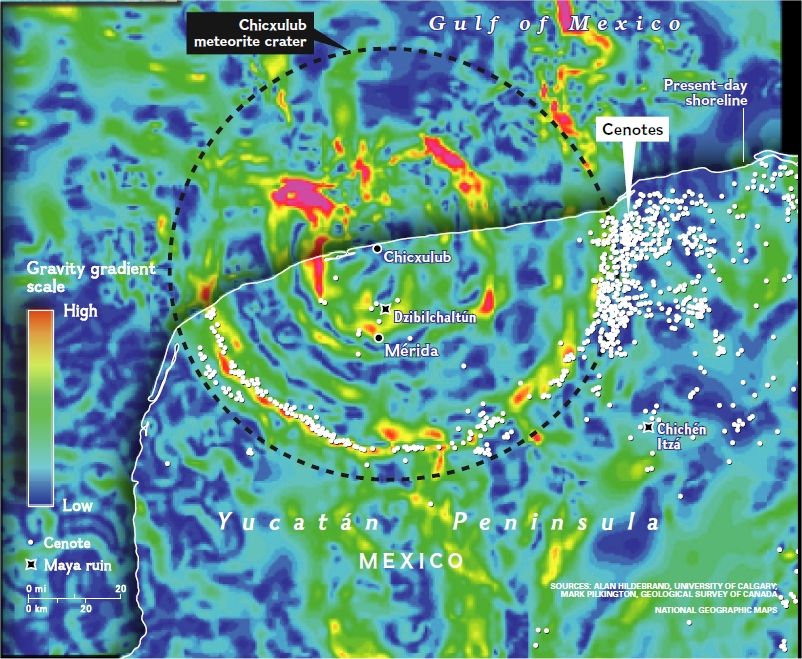
According to planetary scientist Philippe Claes of the Free University of Brussels, this discovery does not refute the theory of the asteroid impact as the cause of the mass extinction, but changes the idea of the processes that occurred in the atmosphere after the impact. If the new results are correct, the main factor in the global eclipse may not have been the gases released by the asteroid itself, but a giant column of fine silicate dust and crustal fragments raised into the upper atmosphere by the impact. Together with soot from large-scale forest fires, they blocked the access of sunlight for a long time and caused a sharp cooling
A Cosmic Coincidence
Scientists still cannot identify the exact birthplace of the Chicxulub asteroid, but its unique chemical profile points to an origin in the distant, debris-rich outer regions of our planetary system. The fact that Earth crossed paths with such a rare and pristine relic of the early Solar System highlights the tragic coincidence that cost the lives of the fauna that existed at the time.
Even 66 million years after the catastrophe, the Chicxulub crater continues to present scientists with new mysteries, demonstrating that the history of the greatest mass extinction on our planet still conceals many secrets.
Earlier, we reported that the killer asteroid struck Earth at its most vulnerable point.
According to gizmodo.com

