

The European Space Agency has signed a contract worth €81.2 million with OHB Italia. Under the contract, the company will build the Ramses spacecraft. The mission’s target will be the asteroid Apophis.
Meeting of the millennium
On April 13, 2029, the 375-meter asteroid Apophis will fly by at a distance of 32,000 km from Earth. This is closer than the orbits of geostationary satellites, making the upcoming flyby an extremely rare event. Yes, astronomers have found asteroids flying closer to Earth, but they were much smaller in size. According to scientists’ estimates, objects the size of Apophis come this close to Earth on average only once every 5,000–10,000 years.
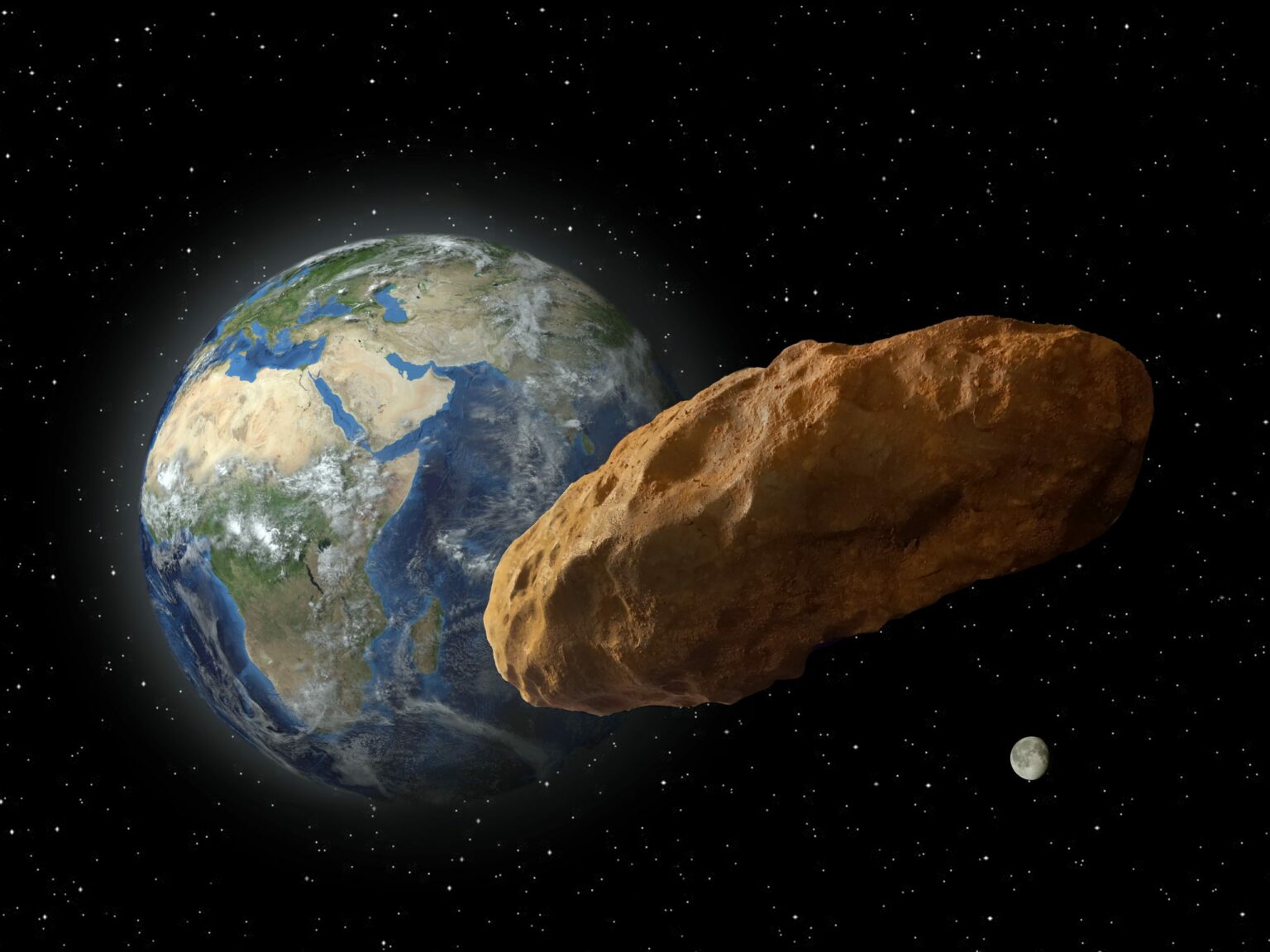
It is not surprising that Apophis’ visit is attracting increased attention. Currently, several countries and private companies are developing plans for missions to the asteroid. Among them is ESA, which has placed its bets on the Ramses mission. The Japan Aerospace Exploration Agency is also participating in its development and will provide the H3 rocket for the launch.
Ramses device and its companions
In order to simplify and accelerate the project, Ramses’ architecture is based on the architecture of another European mission, Hera. At the end of this year, it will begin studying the double asteroid Didymos.
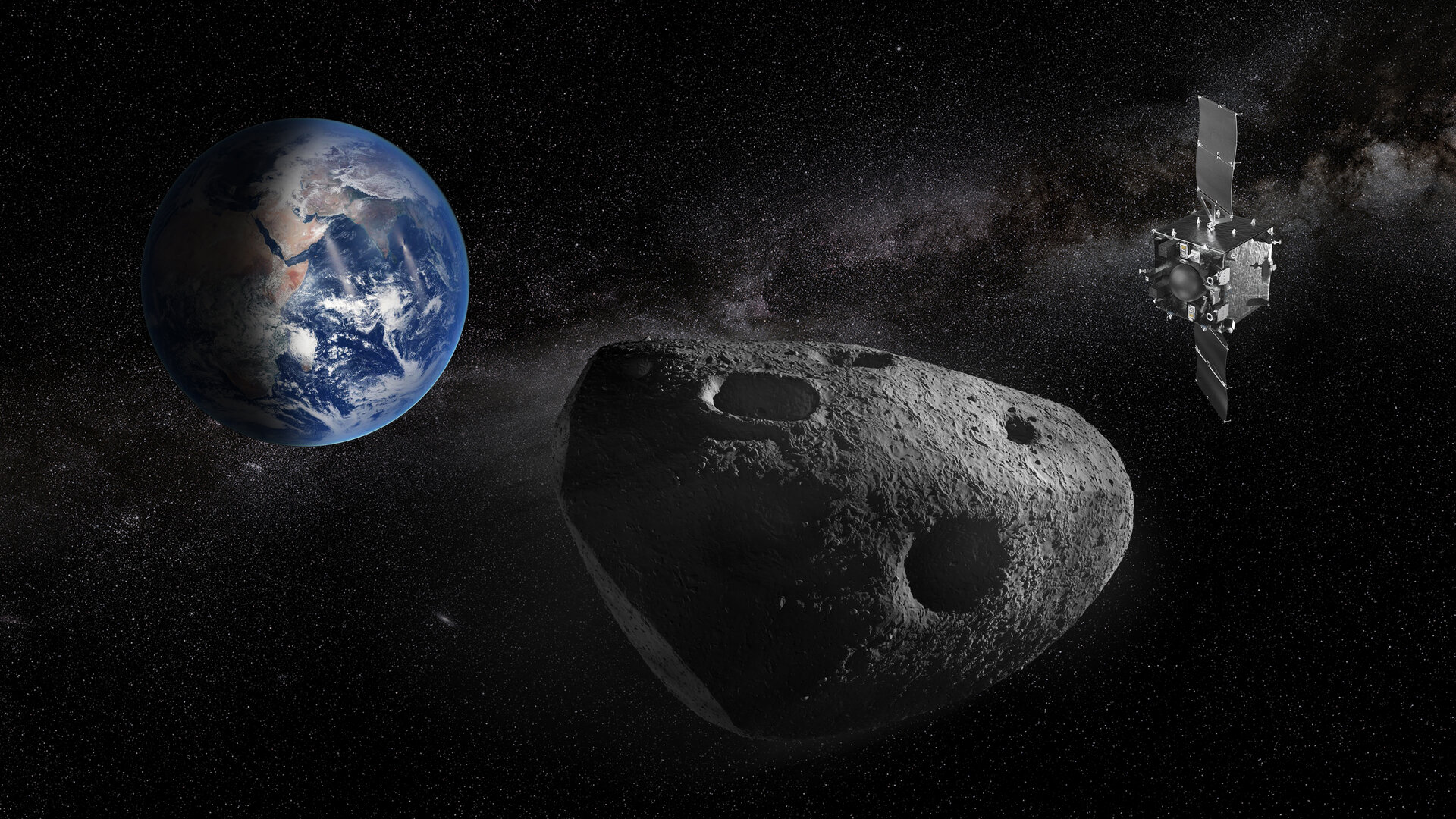
Ramses will be launched in spring 2028 and will approach Apophis in March 2029, a month and a half before its encounter with our planet. The spacecraft will carefully map the asteroid. At the moment of its approach to Earth, it will move away from it to a safe distance of 5 km. According to scientists, the effects of Earth’s gravity could cause landslides and ejections of material on the asteroid. Ramses will carefully document all changes that occur on Apophis.
Like Hera, Ramses will carry a pair of cube satellite companions to assist it in exploring its target. One of them is being built by Tyvak International, which has been awarded a €8.2 million contract by ESA. The device will be equipped with a dust analyzer and low-frequency radar. The dust analyzer will examine material that may be ejected from the surface of Apophis as a result of landslides, while the radar will allow for detailed study of the asteroid’s internal structure.
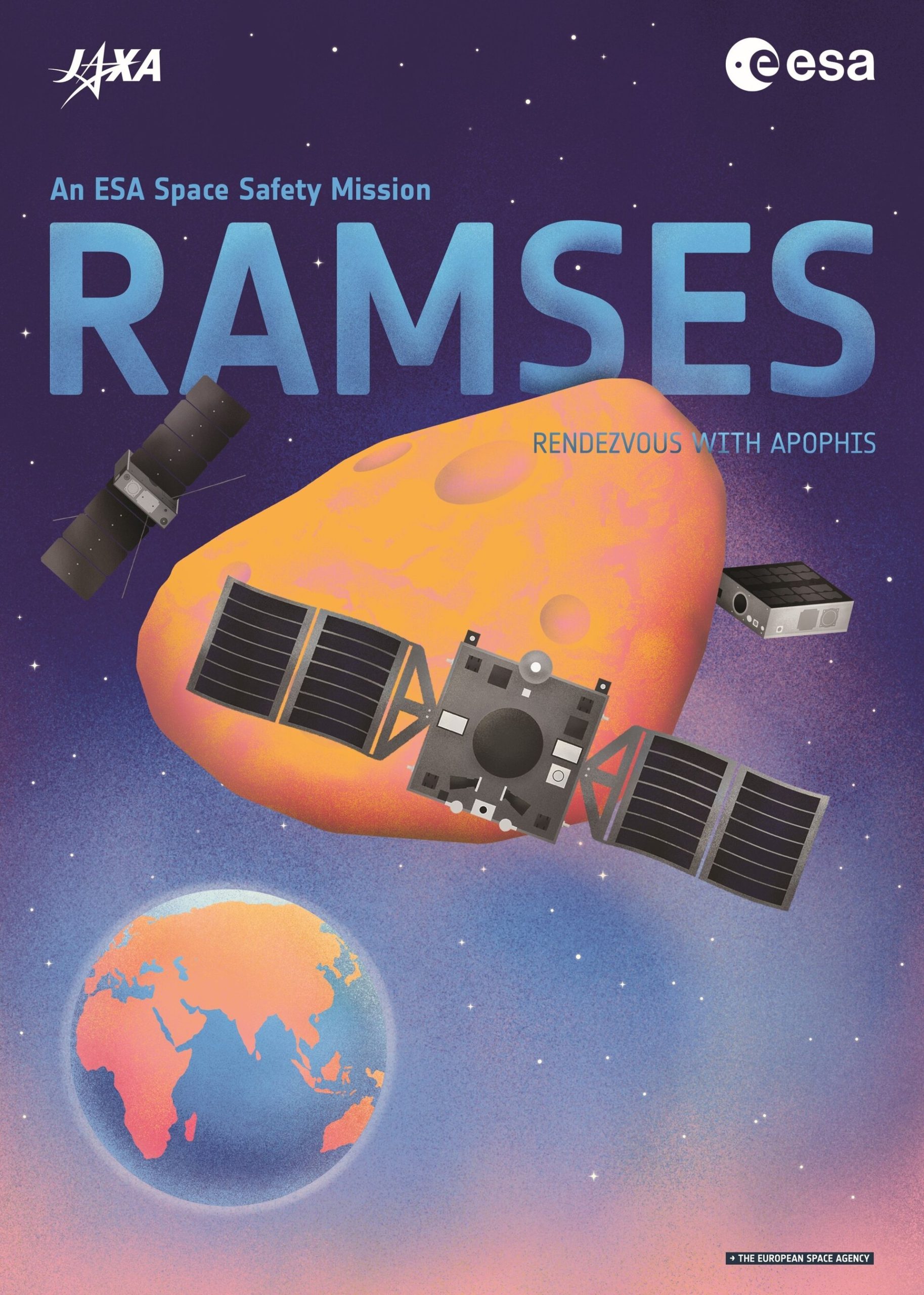
As for the second cubesat, it is being developed by the Spanish company Emxys. It will attempt to land on the asteroid and measure its seismic activity during its encounter with Earth.
Earlier, we reported on plans by Australian company HEO Space to use an old geostationary satellite to photograph Apophis.
According toESA

