

NASA’s investigation has revealed the causes of the major accident involving the 70-meter DSS-14 radio antenna at the Goldstone Complex (California), which is part of the Deep Space Network (DSN). The incident, which occurred on September 16, 2025, while tracking the Juno orbital probe, will cost the agency between $4.1 million and $4.6 million. The antenna underwent excessive rotation, which severed internal cables and damaged the fire suppression system’s hoses, causing extensive flooding. Repairs to the facility will continue through October 2028.
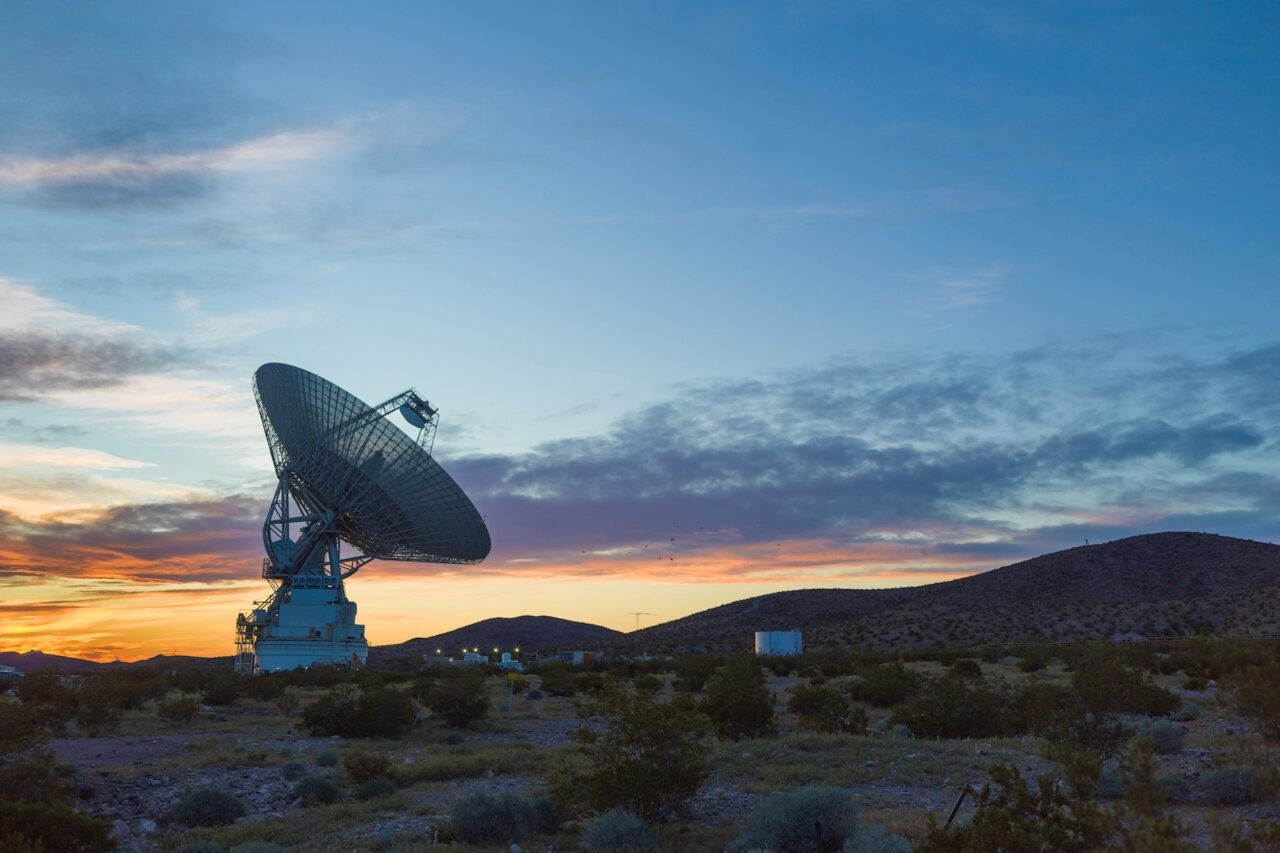
An official NASA investigation determined that the accident was caused by a combination of three factors: problems in the control system software; operator errors while troubleshooting; and a failure of the antenna’s final mechanical protection, which had gone unnoticed after the previous incident.
The day before, due to an electrical malfunction, the control system began receiving erroneous data regarding the antenna’s rotation angle. While tracking Juno, this caused the limit switches to trip repeatedly. In an attempt to quickly resolve the issue, the operators used unauthorized diagnostic methods, accidentally disabling key software and hardware safeguards.
The attempt to urgently retract the already submerged antenna only made the situation worse, fatally increasing the angle of overspin. The final line of mechanical protection—the hydraulic limiter—failed to activate. The commission determined that it had been damaged during a previous, undocumented incident and had not undergone mandatory testing for a long time.
NASA’s deep infrastructure crisis
The DSN network, established in 1963 to provide global connectivity (with stations located in the United States, Spain, and Australia), is currently operating at full capacity. Its bandwidth deficit stands at 40%, and due to the active rollout of the Artemis lunar crewed program, this figure will exceed 50% by the 2030s.
The report identified critical flaws in the management culture: due to the overwhelming demand for DSN resources, operators were under constant pressure. They were forced to work as quickly as possible, often going beyond the scope of their job duties and level of qualification. Relying on informal knowledge rather than strict protocols led to the loss of the object.
SCaN program management emphasized the need to immediately update the control logic and strengthen operational discipline at all three stations in the network to prevent similar incidents.
We previously reported on how a radio telescope used to search for extraterrestrial civilizations was destroyed in Crimea.
According to gizmodo.com

