

On the night of December 18, 2019, the Universe presented astronomers with an intriguing mystery. One of the stars in the Large Magellanic Cloud—a satellite galaxy of our Milky Way—suddenly became brighter. It wasn’t a sudden flash or explosion: the light grew brighter and dimmed smoothly and in a perfectly symmetrical pattern. This lasted for about an hour. It seemed as if something massive had slowly passed between us and the star, bending the light toward us. After that, the star returned to its normal state, and the mysterious invisible object was named Phoebe. Unraveling its nature has become one of the most fascinating mysteries in modern astronomy.
Opto-illusions on a cosmic scale
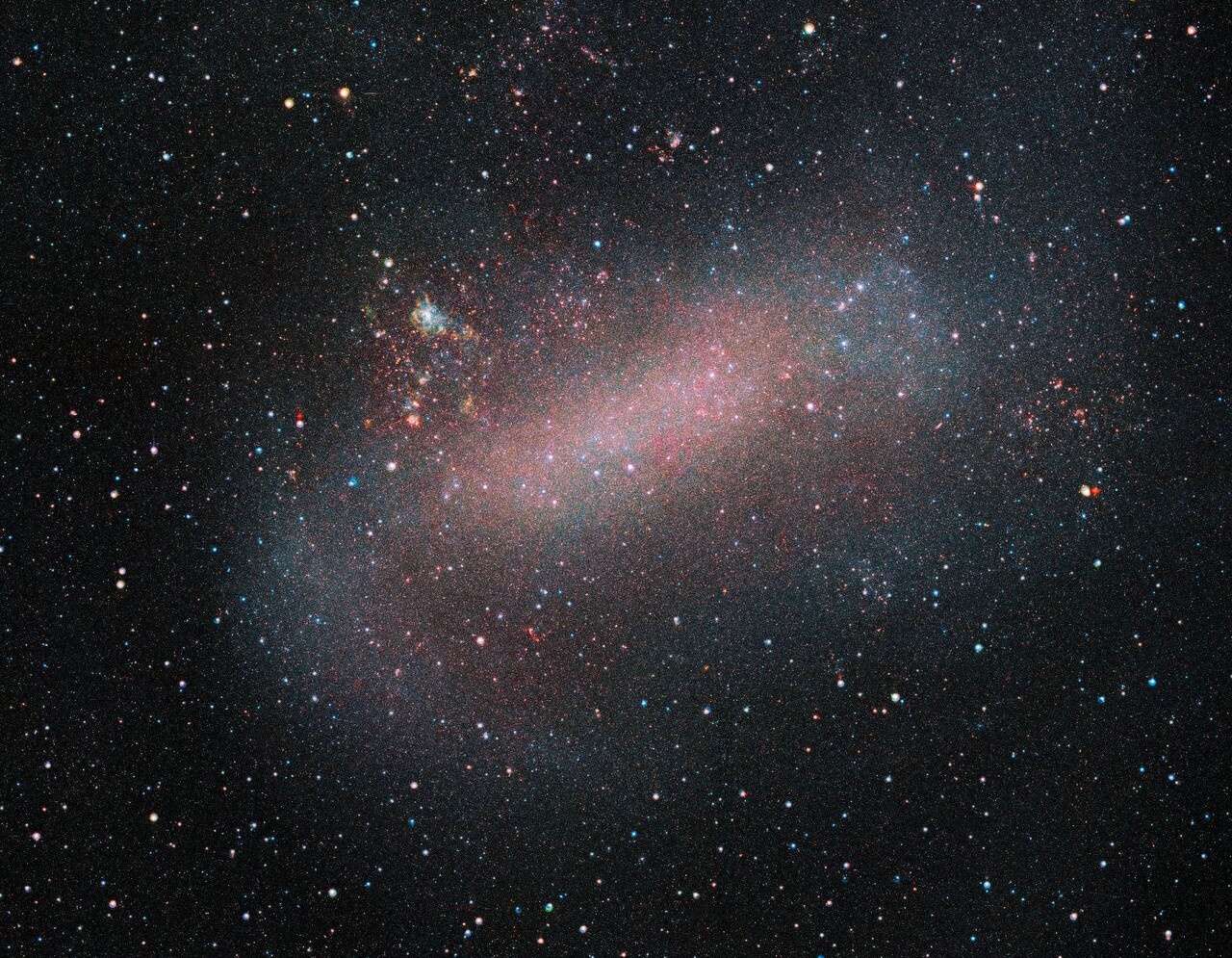
The team of scientists from Swinburne University (Melbourne), who discovered Phoebe while scanning the sky, had no doubt: they had observed gravitational microlensing. This phenomenon was brilliantly predicted by Einstein’s general theory of relativity. When a compact, massive object passes in front of a distant star, its gravity acts like a giant lens, temporarily focusing and amplifying the light. The distinctive pattern of this brightness change cannot be confused with the behavior of ordinary variable stars or asteroids. But what exactly was Phoebe?
Three scenarios for one shade
Astronomers have put forward three working hypotheses:
- A rogue planet: a solitary world within our Milky Way that was once ejected from its home system. It now wanders through the void.
- Extragalactic wanderer: a similar orphan planet, but from the Large Magellanic Cloud. If that were the case, scientists would have discovered the first-ever extragalactic microlensing planet.
- Primordial black hole: the most exotic scenario. This is a microscopic black hole that formed not as a result of a dead star collapsing, but from ultra-dense clumps of matter in the first moments after the Big Bang—even before any stars had formed.
The answer lies in time
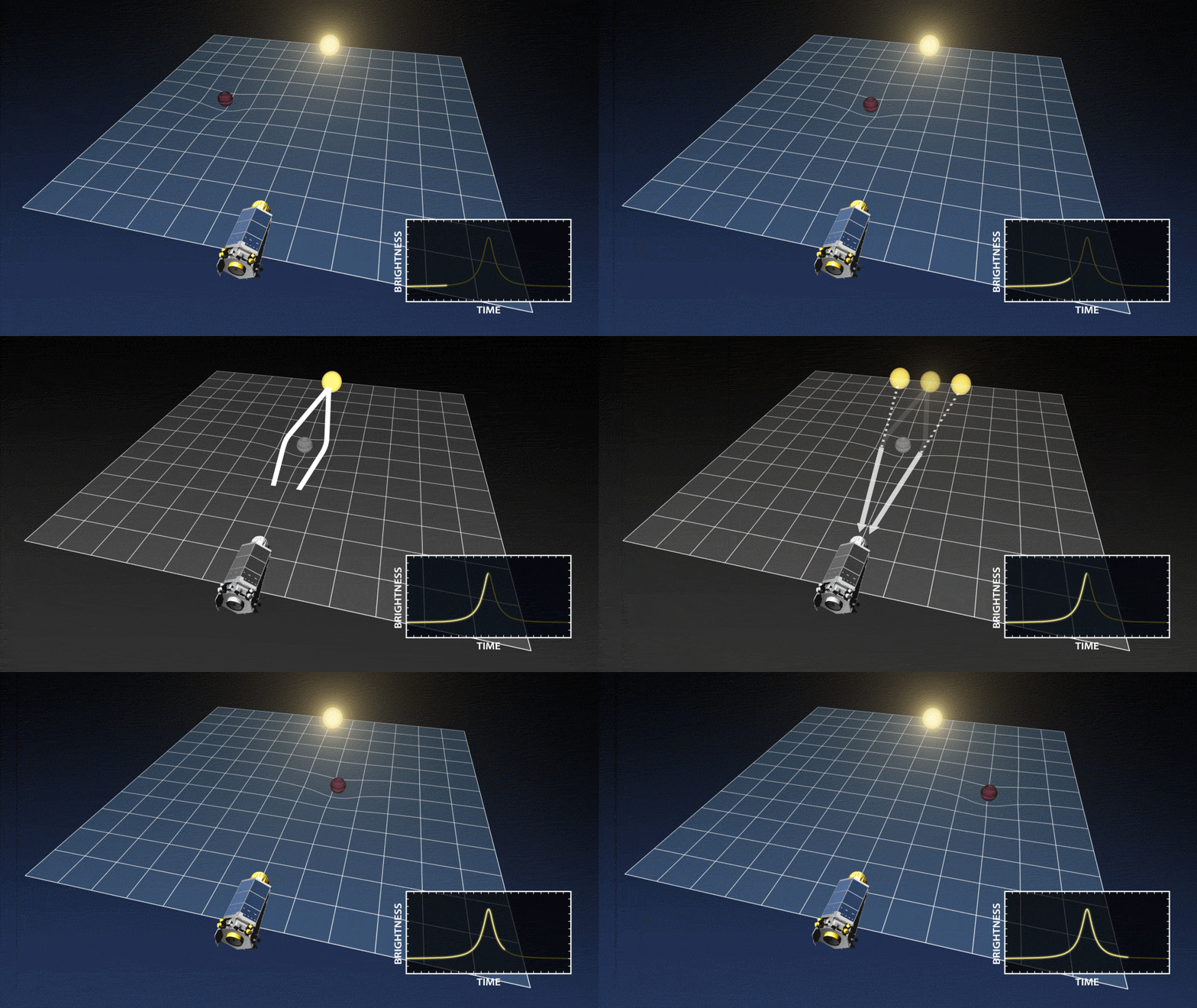
The duration of the phenomenon proved to be the decisive clue. In microlensing, there is a clear rule: the smaller the mass of the “lens,” the faster it crosses our line of sight and the shorter the flash of brightness. A phenomenon lasting just 60 minutes pushes the limits of what modern telescopes are capable of.
After calculating the physical parameters, physicists reached an incredible conclusion: Phoebe’s mass is only three times that of our Moon. It is too small to be an ordinary planet, and falls far short of the size of a stellar black hole, whose masses start at five times that of the Sun. The only type of black hole that could be so tiny is a primordial black hole.
Echoes of Dark Matter
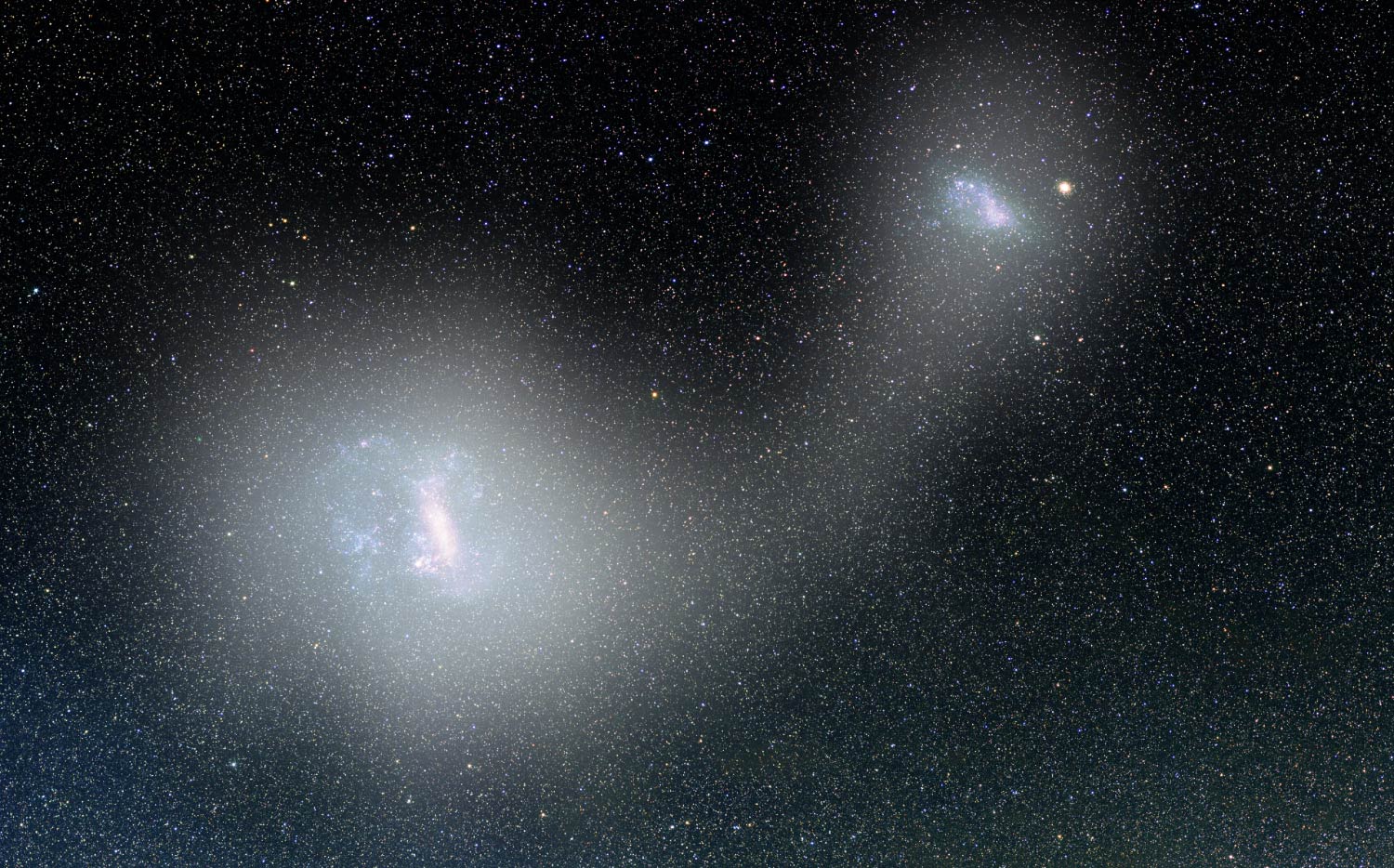
To test this hypothesis, the team calculated the probability of the object being found in various environments: among the stars of our galaxy, in the Large Magellanic Cloud, or within a halo of mysterious dark matter. The statistics confirmed the hypothesis—the probability that Phoebe is a clump of dark matter is 100,000 times greater than that of the other possibilities.
If this interpretation is correct, astronomers have stumbled upon one of the oldest objects in the universe. Phoebe formed amid the turbulent chaos of the infant universe, even before the first atoms came into being. An artifact that drifted silently through the cosmic void for 13 billion years emerged from the shadows of a December night in 2019 for just a moment, forever changing our understanding of the cosmos.
We previously discussed how the matter in the universe might have been created by the explosions of primordial black holes.
According to universetoday.com

