

On the penultimate day of winter, NASA decided to revise the route of its Artemis program space expedition to the Moon. The revised plans no longer mention landing on the surface of our natural satellite.
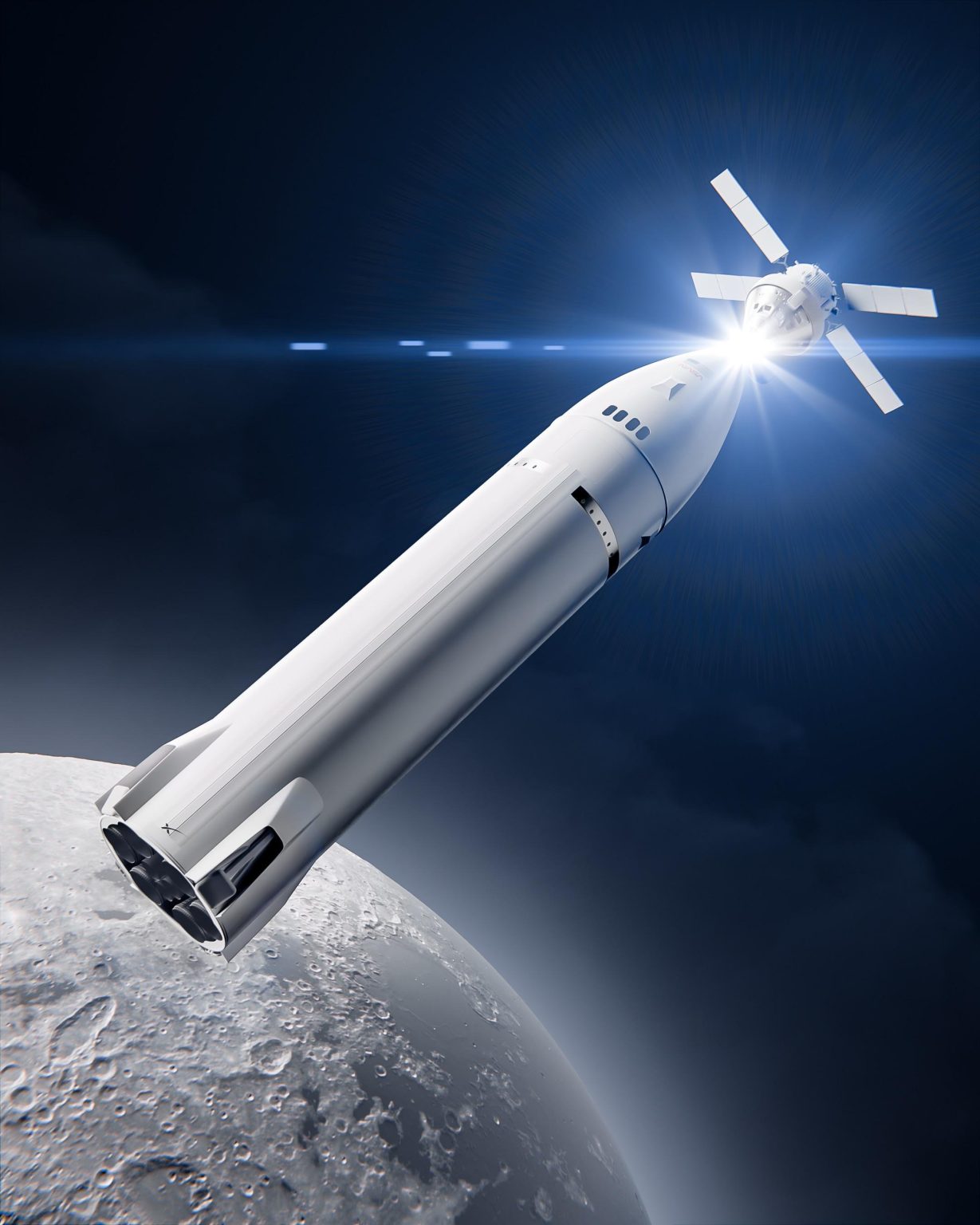
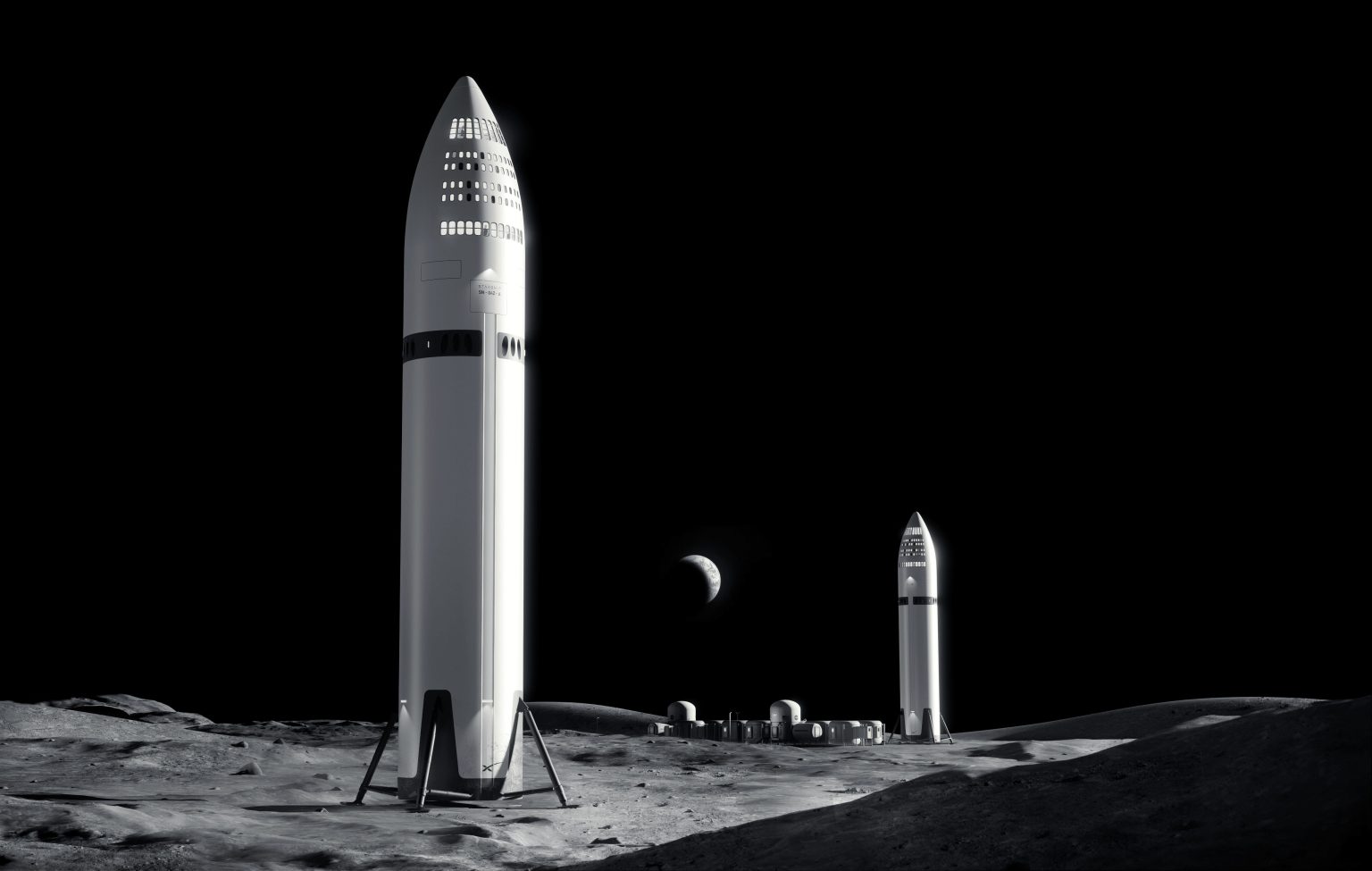
The most significant change affected the Artemis III mission, which was planned as humanity’s triumphant return to the Moon since Apollo. Previously, it was assumed that this crew would use SpaceX’s giant Starship spacecraft as a landing vehicle.
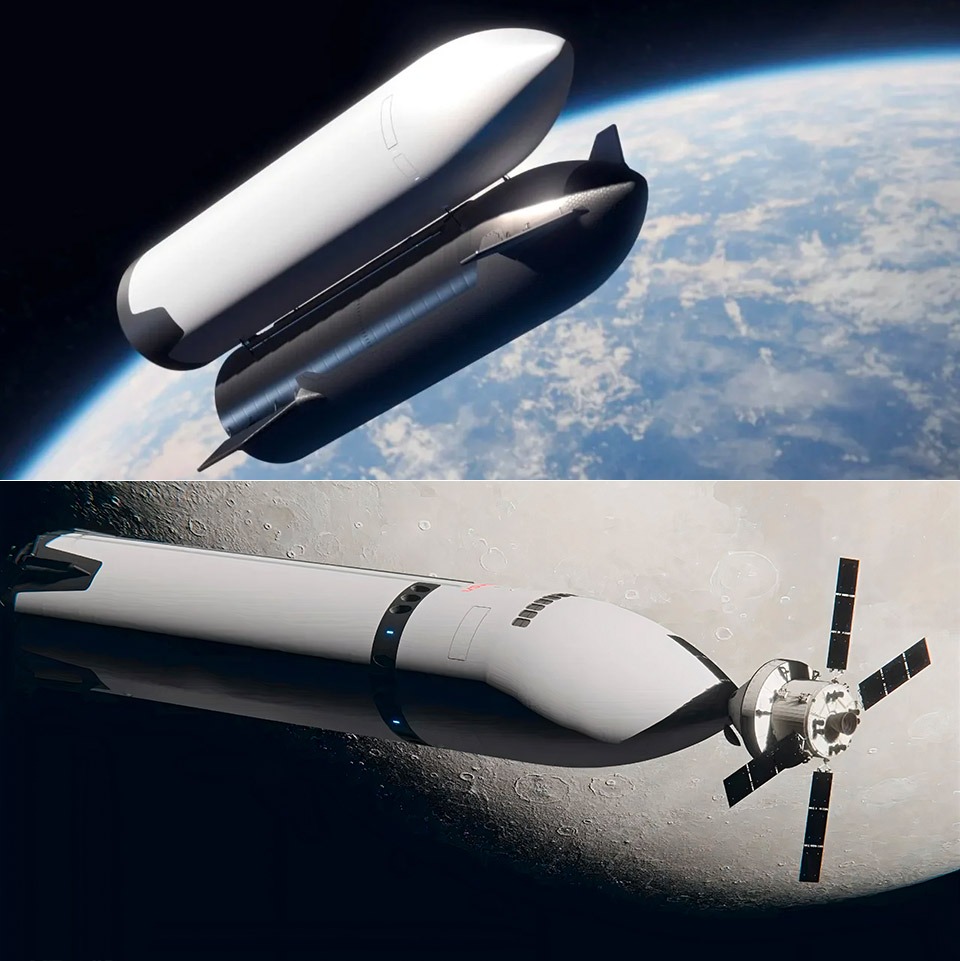
According to the updated plans, the Artemis III flight will take place in 2027, but the astronauts will remain in Earth orbit. Instead of landing, the mission will turn into a grand technological experiment: the Orion capsule is to dock with commercial landing modules. And here lies the intrigue — these will be spacecraft not only from SpaceX, but possibly also from competitors at Blue Origin.
Starship loses priority
The main reason for this decision lies in SpaceX’s hangars. Despite 11 test launches, Starship has not yet reached Earth’s orbit. The pace of development of the mega-rocket does not suit NASA management, which is accustomed to working to a tight schedule.
Experts believe that the problem lies not only in technology, but also in strategy. “NASA no longer wants to depend on a single contractor,” explains Don Platt, professor at the Florida Institute of Technology. That is why the space agency is deliberately pitting two giants against each other: SpaceX and Blue Origin, creating healthy competition for a place in history.
New strategy: slow but steady
Blue Origin, founded by Amazon owner Jeff Bezos, unexpectedly got a chance to take center stage earlier than planned. Their Blue Moon landing vehicle was being prepared for the Artemis V mission as early as 2030. But now, everything seems to show that NASA wants to test it during Artemis III.
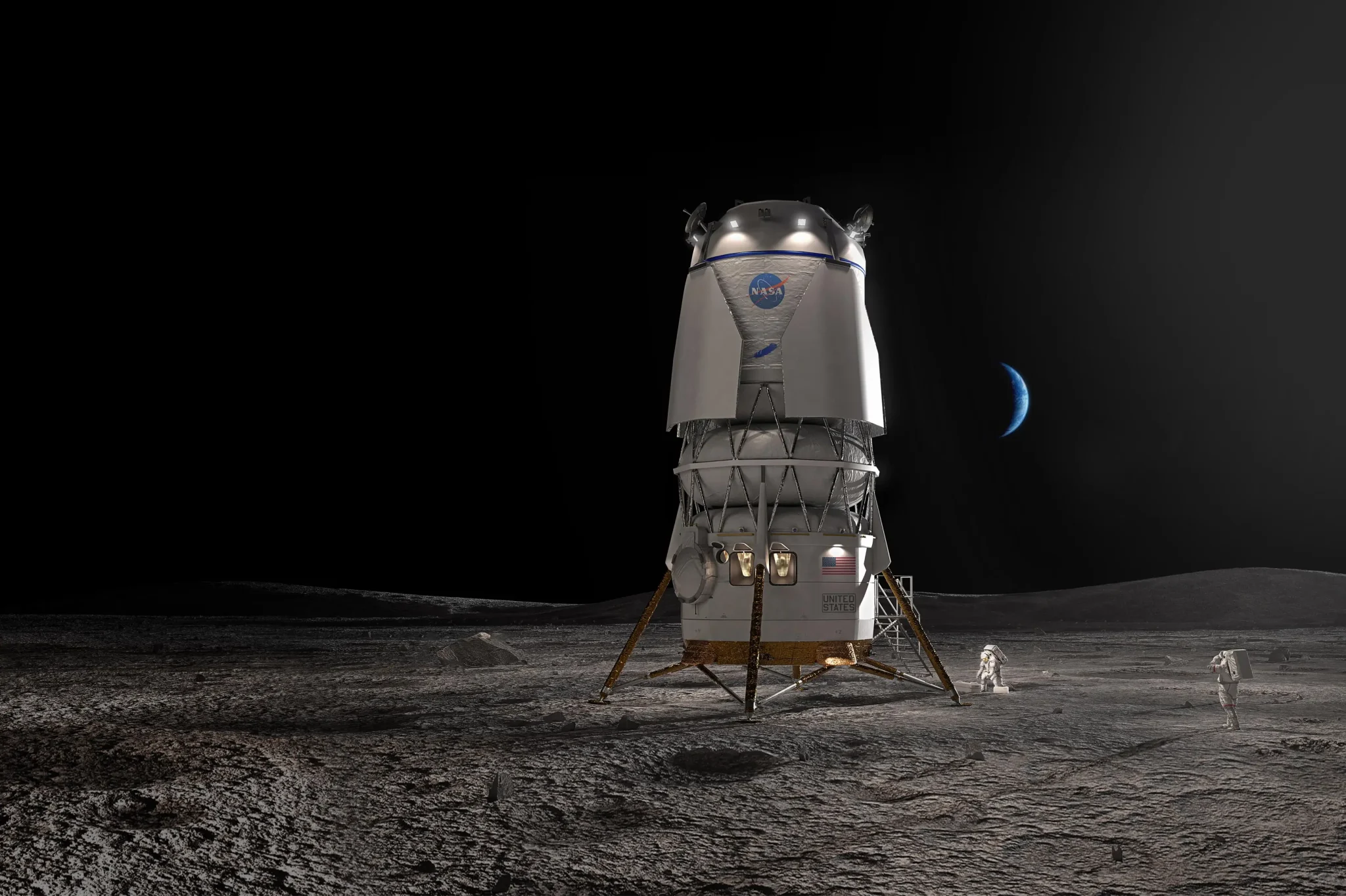
The company itself senses victory. In January, Blue Origin suspended its suborbital tourist flights, devoting all its resources to accelerating the development of a lunar module. The company states that this is a deliberate step toward the “national goal of returning to the Moon.”
So now, the first actual landing of astronauts on the Moon has been postponed until at least 2028, when it will be carried out by the Artemis IV mission. Another launch may take place in the same year as part of Artemis V.
NASA has decided to proceed cautiously. The agency plans to increase the frequency of flights, but at the same time standardize the rockets. The more powerful but unproven versions of the Space Launch System (SLS) rockets were temporarily abandoned in favor of the proven Block I configuration.
Get ahead of China
There is a third player in the unfolding race that is making even NASA rush. China plans to land its taikonauts by 2030.
NASA administrator Jared Isaacman makes no secret of his true motives: “Competition from our biggest geopolitical rival is getting tougher every day. We need to move faster.” He compares the new strategy to the approach taken during the Apollo program: gradual increase in flight frequency, logic, and standardization. This, in his opinion, will enable America to once again “achieve the nearly impossible” and not concede primacy to Beijing in the new lunar era.
According to NASA

