

Armed with spider legs and a soil extruder, the Australian robotic system Charlotte promises to build a standard 200 m² house in less than a day. The development is being led by Crest Robotics in collaboration with Earthbuilt Technology. Their goal is fast, affordable, and low-carbon construction right on site using local materials. In the Earthbuilt module suspended under the chassis, loose materials (sand, soil, crushed brick) are fed into a durable textile sleeve and compacted layer by layer, forming load-bearing walls — an approach similar to earthbag technology. According to the team, this approach reduces logistics, waste, and carbon footprint compared to traditional methods.
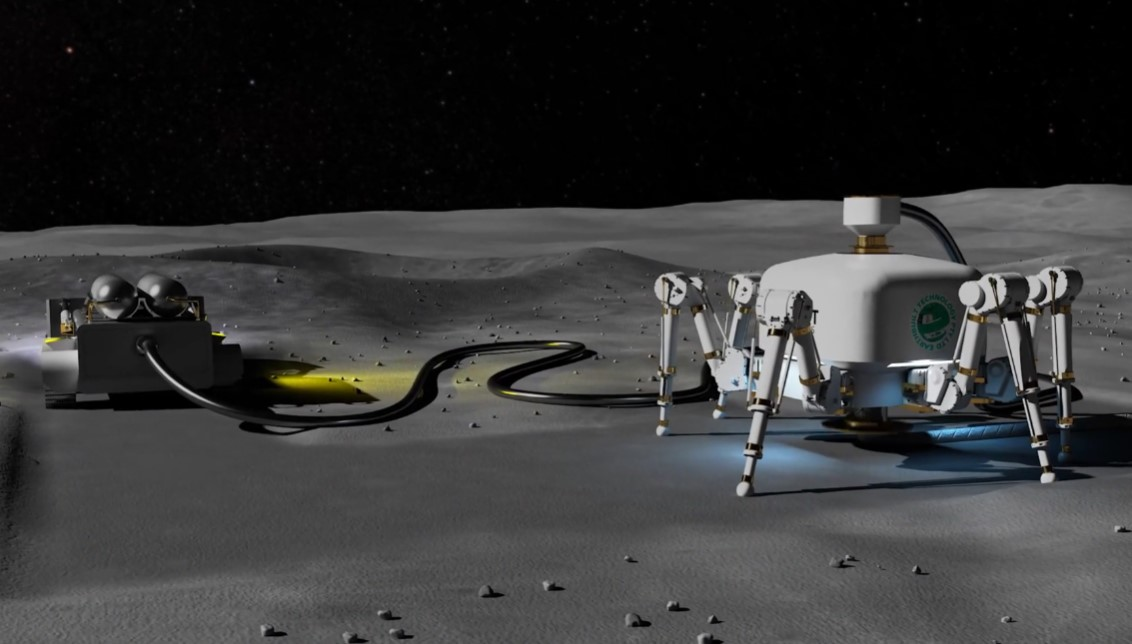
Charlotte’s distinctive feature is its six-legged, foldable design. Unlike bulky portal 3D printers, the robot can be compactly packed for transport, unfolded on site, and autonomously print the building’s outline by layering and sealing the material. A demonstration of the prototype is planned during the 76th International Astronautical Congress in Sydney (September 29–October 3), where the project is supported by the NSW Space+ program.
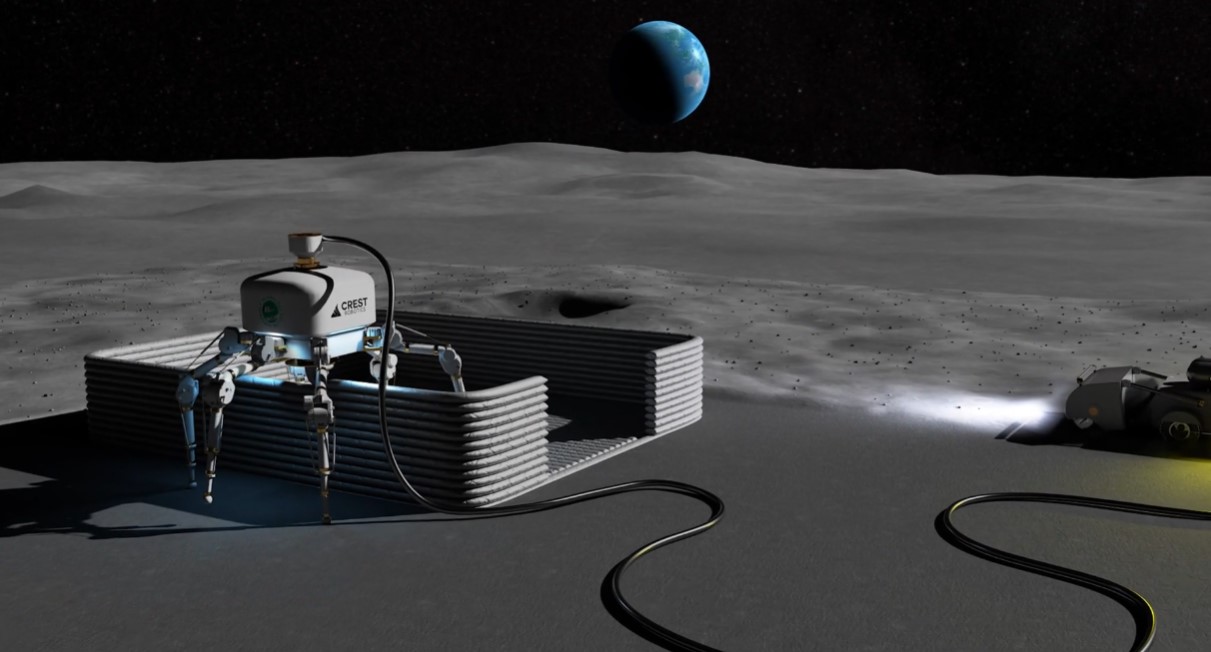
How does it work? These installations function like a large pastry bag for houses: the robot moves along the perimeter of the future walls and continuously squeezes a layer of material into a durable sleeve, compacting it immediately. It follows a digital draft, so each layer is laid exactly according to plan, and sensors monitor the evenness and thickness. Thanks to its spider legs, the machine remains stable and can easily maneuver on construction sites without rails or cranes. The secret lies in combining three things: using local bulk materials (less logistics), soft sleeve formwork (quick wall molding), and automated layering (low waste, high speed). The result is strong, warm walls with minimal human and technical resources.
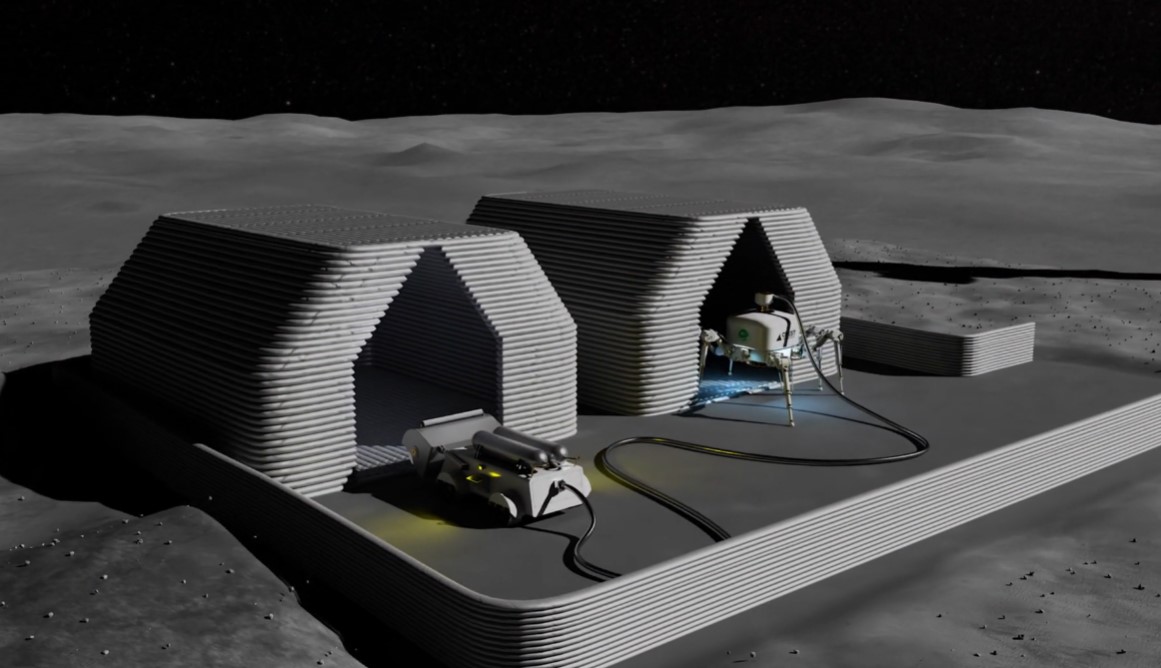
The same principles of in-situ resource utilization (ISRU) are critical for lunar bases: a lightweight, foldable robot can compact regolith into protective domes, roads, and landing pads, reducing dependence on cargo from Earth. This reduces the cost and risks of long-term missions and also provides protection from radiation and micrometeorites — essential infrastructure for observatories on the far side of the Moon and other scientific complexes. ICON is already testing similar initiatives as part of NASA’s Project Olympus, further confirming the trend toward 3D construction beyond Earth.
Want to see how such construction work brings us closer to real bases on Mars? Take a look at our guide to the Martian fleet — orbital vehicles, landing platforms, and rovers have been gathering data on the soil, climate, and resources for decades, without which engineers will not begin to build the first dwellings on the Red Planet. Find out who is currently working near Mars and what we already know thanks to these missions in the article “The Martian flotilla: spacecraft exploring the Red Planet.”
According to abc, crestrobotics

