

In the next decade, NASA and other space agencies plan to fly to Mars, Venus, and other planets in the Solar System. This will require a source of energy to power the engines and onboard systems. New-generation radioisotope thermoelectric generators could be used for this purpose.
Radioisotope thermoelectric generators
To achieve this goal, an energy source is needed, preferably one that does not depend on the sun, because in many places there may not be enough sunlight for solar panels to operate reliably. Fortunately, engineers already have an answer to the question of where to get electricity: radioisotope thermoelectric generators.
These devices have been tested over decades of interplanetary missions. In fact, they are thermocells that are supplied with heat from radioactive decay without the use of a chain reaction. They provide a small amount of energy, but for a fairly long period of time.
Problem and solution
However, there is one problem with radioisotope thermoelectric generators. Previously, the US manufactured them using plutonium-238 isotopes. However, US Department of Energy enterprises stopped producing it after the end of the Cold War. And now its reserves are almost completely depleted.
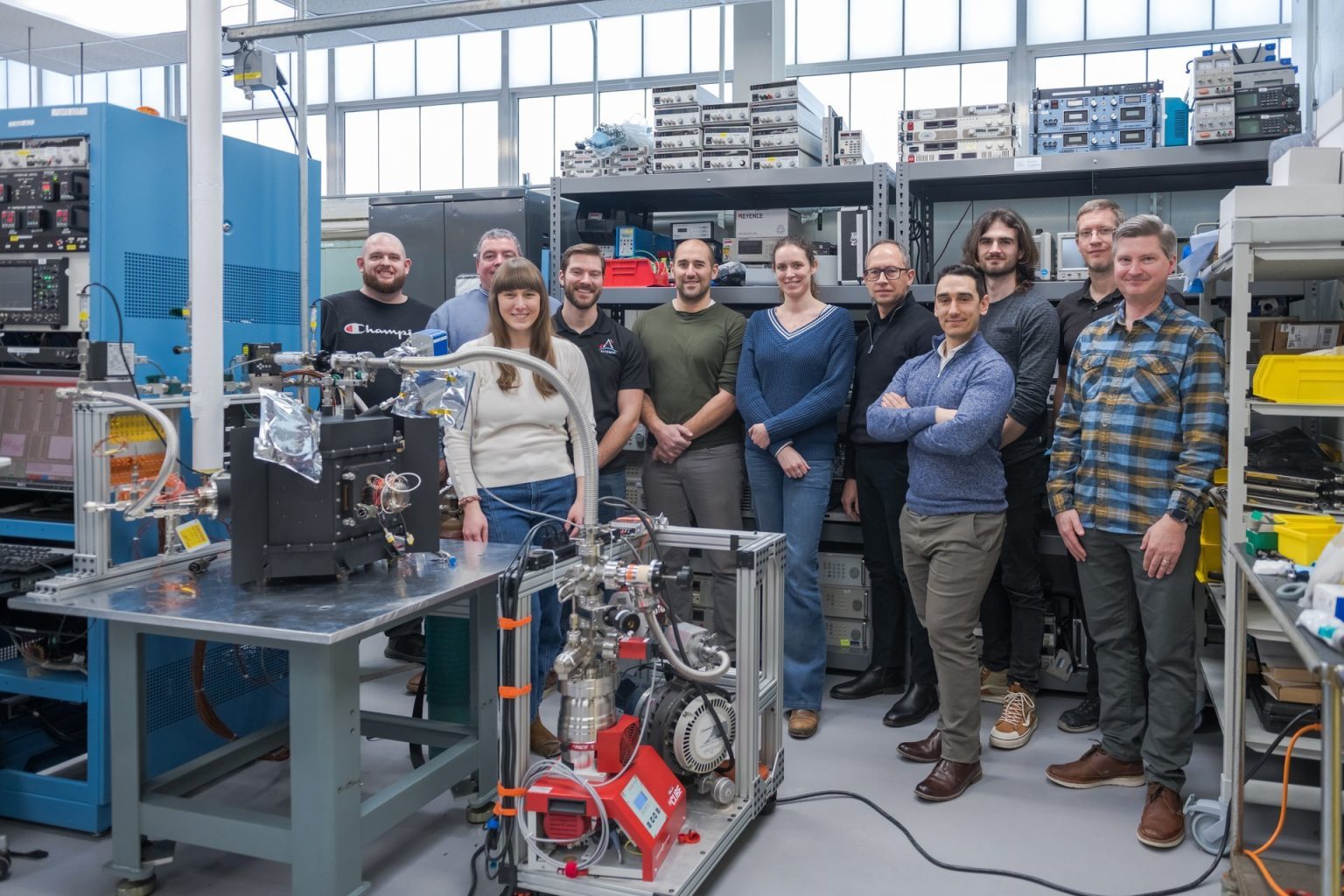
Now we are talking about the development of a new RPS based on americium-241. This technology is not fundamentally new, but previously it had not been possible to bring it into practical use. The Thermal Energy Conversion Branch at NASA’s Glenn Research Center and the University of Leicester teamed up to make a working prototype to deal with this issue.
The latter institution is a leader in the development of such devices. Its employees claim that a RPS of this design can be easily connected to a Stirling engine, thus creating a propulsion system capable of providing continuous thrust for many months.
Interestingly, China has also tested a Stirling engine on one of its spacecraft, so it is quite possible that they are developing their own radioisotope generators for space flights.
According to phys.org

