

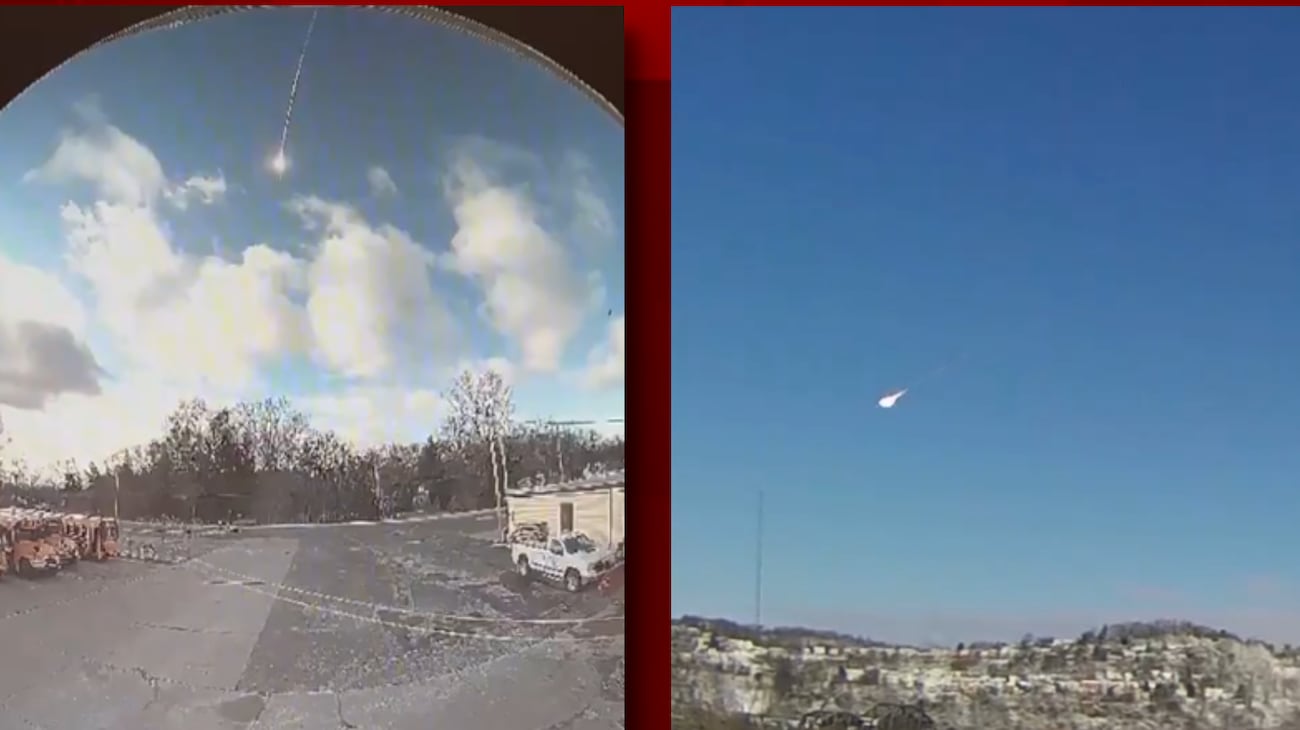
The morning of St. Patrick’s Day 2026 in the U.S. state of Ohio will be remembered not for parades, but for a deafening roar from the sky. NASA has confirmed that a seven-ton asteroid entered Earth’s atmosphere over Lake Erie. After traveling about 55 km through dense layers of the atmosphere, the space object exploded and broke into fragments over the Medina district.
Although most of the massive chunk burned up in the atmosphere, creating a spectacular light show, some fragments reached the surface. This turned small towns across the state into the epicenter of a real scientific adventure.
Treasure hunters cross borders
NASA confirms 'boom' in Ohio was 17000-pound meteorpic.twitter.com/nwM4XpTyh0
— Defiant L’s (@DefiantLs) March 17, 2026
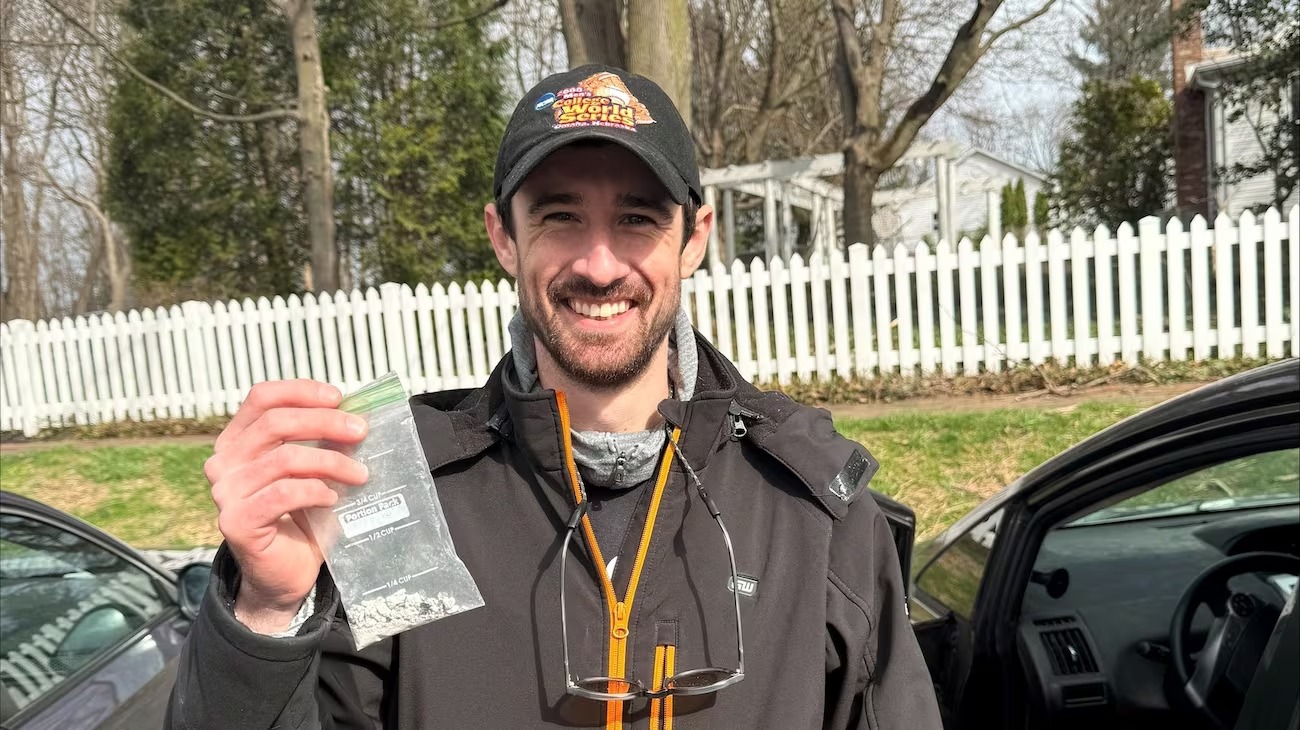
As soon as news of the explosion spread online, professional meteorite hunters headed to northeastern Ohio. Roberto Vargas came all the way from Connecticut, and Carl Dietrich from South Carolina. For these people, the search for meteorites is a blend of excitement, science, and business.
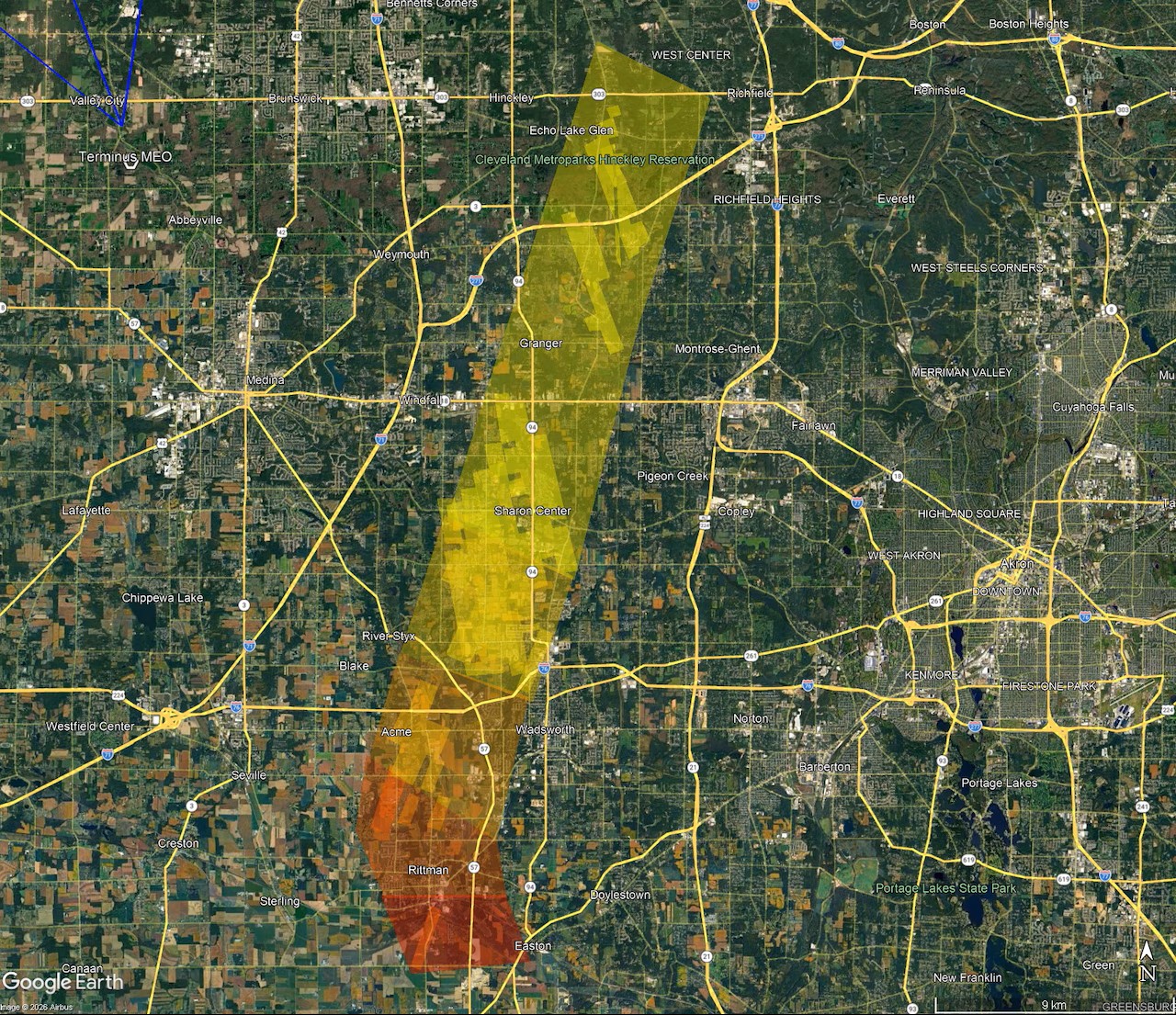
The centre for collecting finds is Sharon Center—a small town where researchers share their discoveries. Roberto has already been lucky enough to find a fragment weighing 12.2 grams. His colleague Carl found several pieces of debris right on the parking lot’s asphalt. According to the hunters, they are now searching for nothing more than a “shadow” of the asteroid’s former grandeur—no more than 1% of its original seven-ton mass has fallen to Earth.
How can you spot a “stranger”?
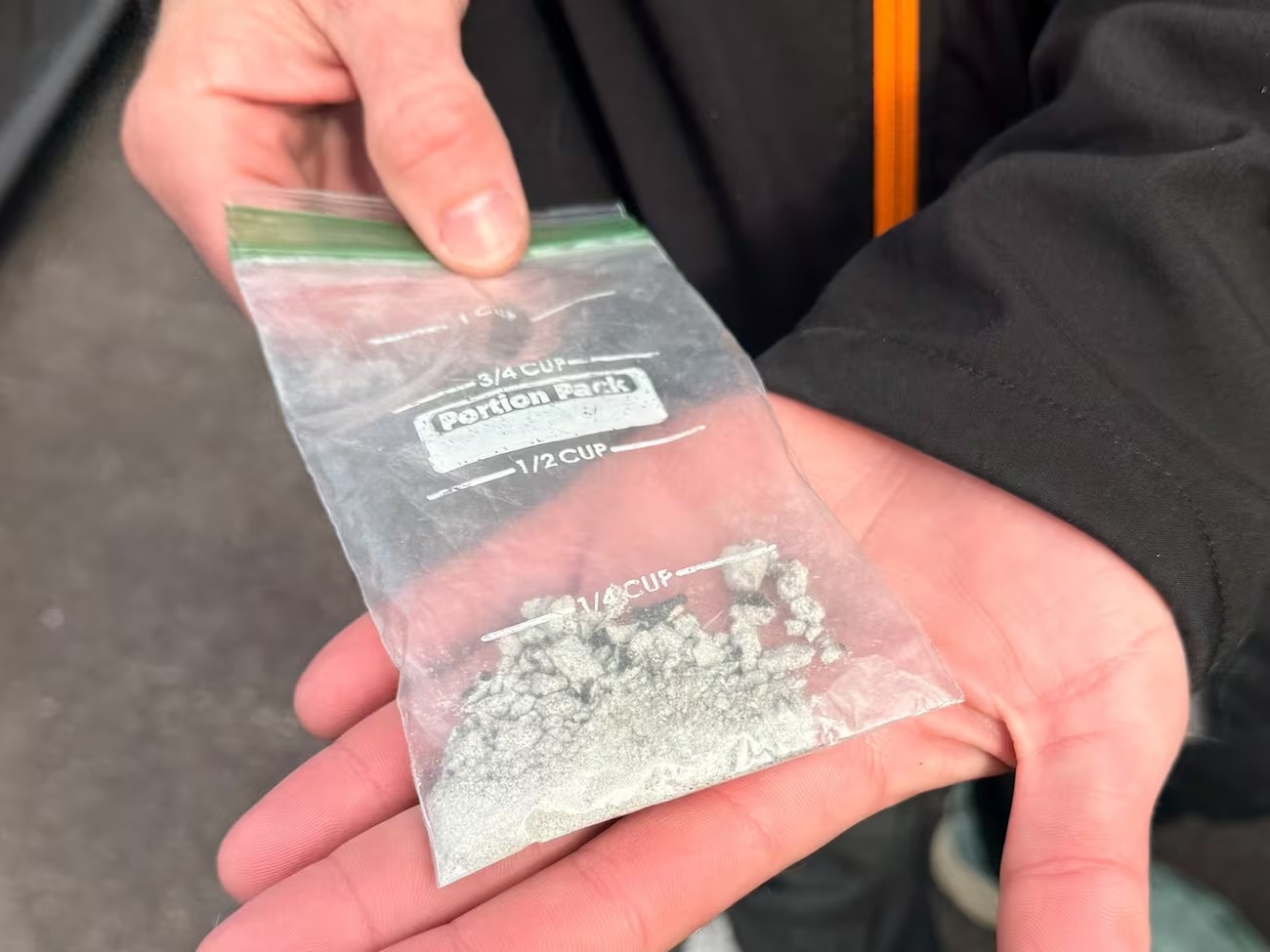
Astronomers and professional meteorite hunters advise local residents to watch their step. Here are the main signs that point to a meteorite:
- Color: Look for unusually black rocks — this is the result of atmospheric burning, known as “melt crust.”
- Size: The fragments will most likely be between 2 and 5 cm in size.
- Location: Rocks may be found in open areas, parking lots, or yards where they weren’t there before.
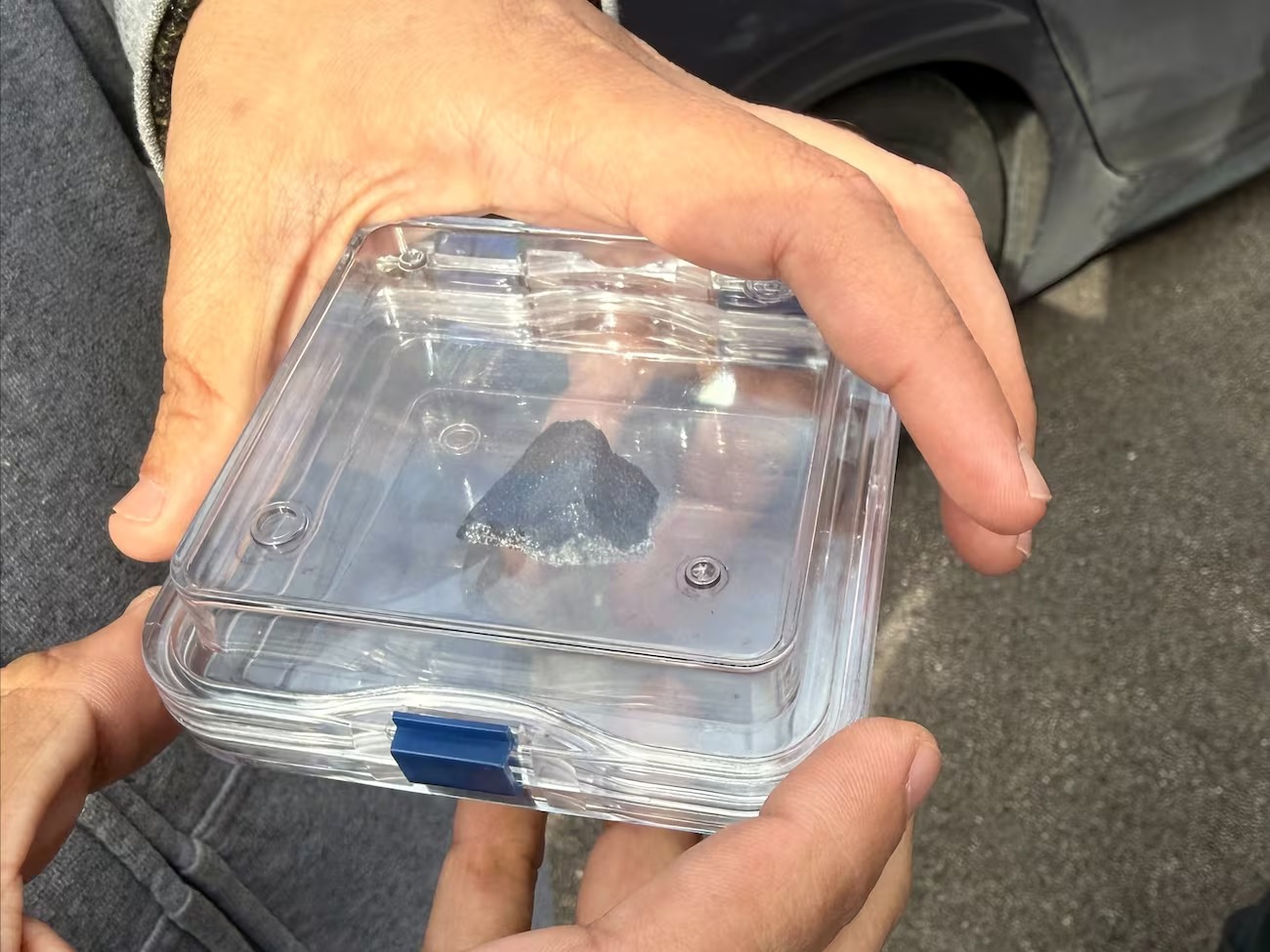
“These things are from outer space man,” says Vargas. “Like the rock that I had picked up yesterday had only been on earth for like a day. It’s a unique experience to touch something that has been in a vacuum for billions of years.”
Scientific value and the rules of the game
Hunters note that at least 20 grams of samples need to be collected for a thorough laboratory analysis. Such discoveries will help scientists understand the asteroid’s composition and the history of its formation.
From a financial standpoint, small fragments can cost anywhere from $100 to $200. However, treasure hunters remind everyone of the “code of honor”: you must not enter private property without the owners’ permission. If you’ve found a suspicious black rock in your backyard—congratulations, you’ve just become the owner of a rare scientific artifact.
We previously reported on how telescopes failed to detect a meteorite impact in Europe.
According to cleveland19.com

