

Humanity is on the cusp of a new era of space travel. To make long-duration missions to Mars and other parts of the Solar System possible, private space companies are developing orbital outposts with artificial gravity. The American company Vast has emerged as a leader in this field, designing space stations where Earth’s gravity will be simulated using centrifugal force.

According to Vast Vice President Tom Shelley, creating a familiar gravitational environment will be the key to deep space exploration.
The main obstacle to long-duration spaceflights is the detrimental effect of microgravity on the human body. Astronauts in space experience loss of muscle and bone mass, vision deterioration, changes in the immune system, as well as problems with heart function and cognitive abilities. Artificial gravity will help mitigate these risks and safely extend the duration of missions.
Physics of Space Comfort
The idea of a rotating space station is far from new. It was first proposed by the inventor Konstantin Tsiolkovsky and later endorsed by the renowned engineer Wernher von Braun. The concept is widely known to the general public thanks to the cult classic film 2001: A Space Odyssey.

The mechanism is quite simple: as the station rotates around its axis, centrifugal force is generated, which literally presses the astronauts against the floor. If the rotation speed is set correctly, the crew inside will experience the same gravity they feel on Earth.
From basic modules to Vast megaprojects
On paper, this concept looks perfect. But from an engineering standpoint, it’s not that simple. Building rotating stations requires careful and gradual steps. To gain experience in constructing such complexes, Vast plans to launch its first residential module, Haven-1, as early as next year. Eventually, by 2030, a fully operational space station, Haven-2, is expected to be up and running.
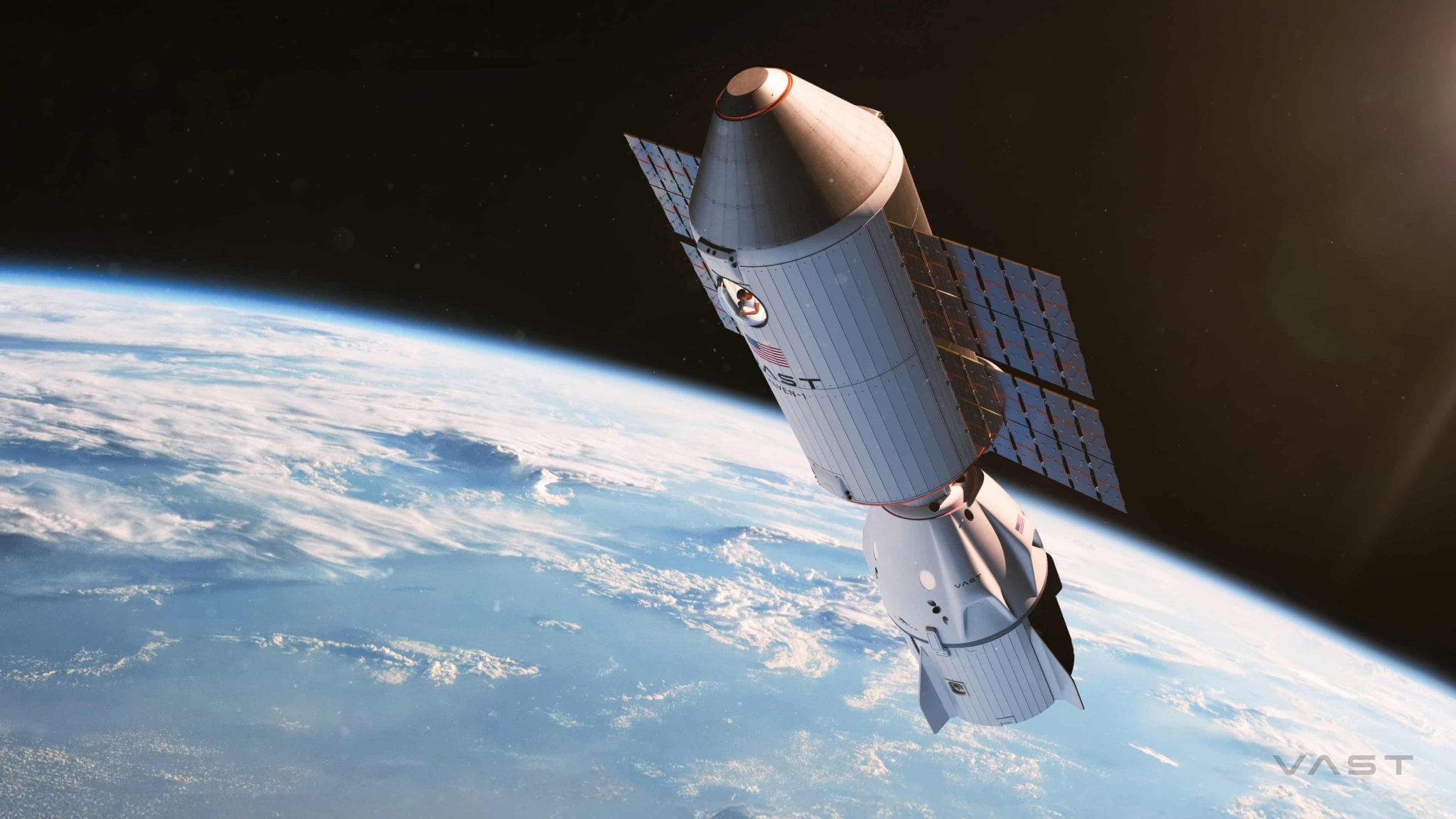
Only after these platforms have been successfully tested, likely in a decade or more, the company will embark on its ambitious project—a station with artificial gravity. It is planned to accommodate a crew of 40 people and rotate at a speed of 3.5 revolutions per minute. Vast founder Jed McCaleb sees this as the first step toward enabling millions of people to live in the Solar System, which will allow humanity to develop while conserving Earth’s resources.
Scientists as space tourists
Who will be the first residents of the new orbital bases? According to Tom Shelley, Haven-1 and Haven-2 will serve as research platforms for wealthy individuals. These won’t just be space tourists looking for leisure and entertainment. The visitors will be people who want to invest in the future of humanity.
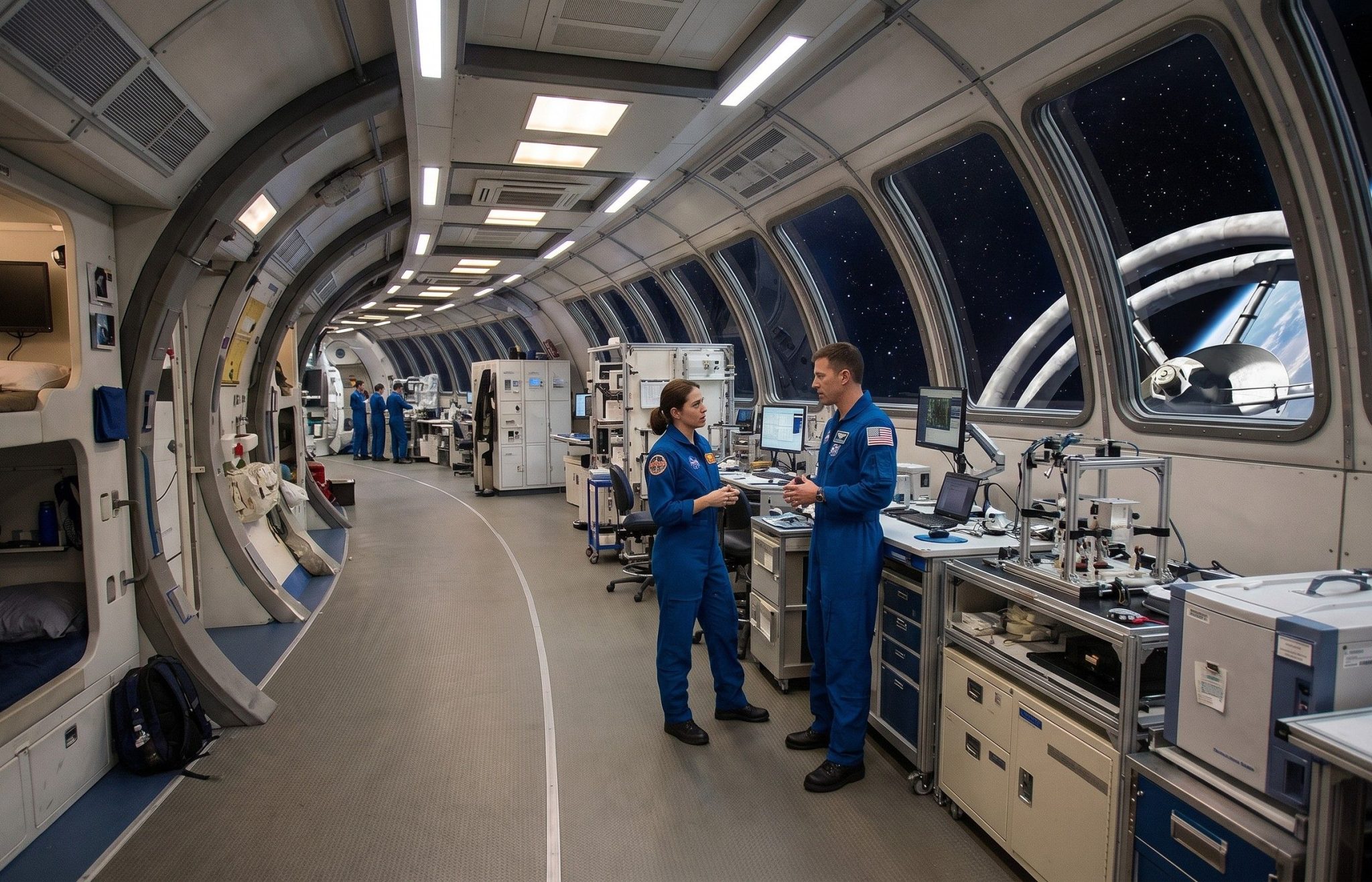
While in orbit, they will conduct valuable research, ranging from growing protein crystals to working with stem cells. In addition, participants will be able to provide their biometric data, which will help scientists study how different people’s bodies react to the extreme conditions of the space environment.
Historical predecessors
The idea of artificial gravity has long captured the imagination of engineers at space agencies. As far back as 1975, NASA, in collaboration with Stanford University, developed a concept for a giant ring-shaped station nearly 2 km in diameter, capable of housing 10,000 residents (the “Stanford Tor”). Later, in 2011, NASA worked on the Nautilus-X rotating station project, but it was canceled due to a lack of funding.
Today, interest in this technology is resurging around the world. However, it seems that the private sector will be the first to turn this bold science fiction into everyday reality.
We previously wrote about five technologies from science fiction movies becoming a reality.
According to Space Daily

