

Analysis of data collected by the SPHEREx space observatory has revealed significant differences between the activity of interstellar comet 3I/ATLAS before and after its perihelion passage. This is stated in an article published on the arXiv preprint website.
Observations of 3I/ATLAS before perihelion
The interstellar comet 3I/ATLAS was discovered in July 2025, after which many telescopes were aimed at it. Among them was the SPHEREx space observatory. It was launched in early 2025 with the aim of conducting a panoramic survey of the sky in the near-infrared range.
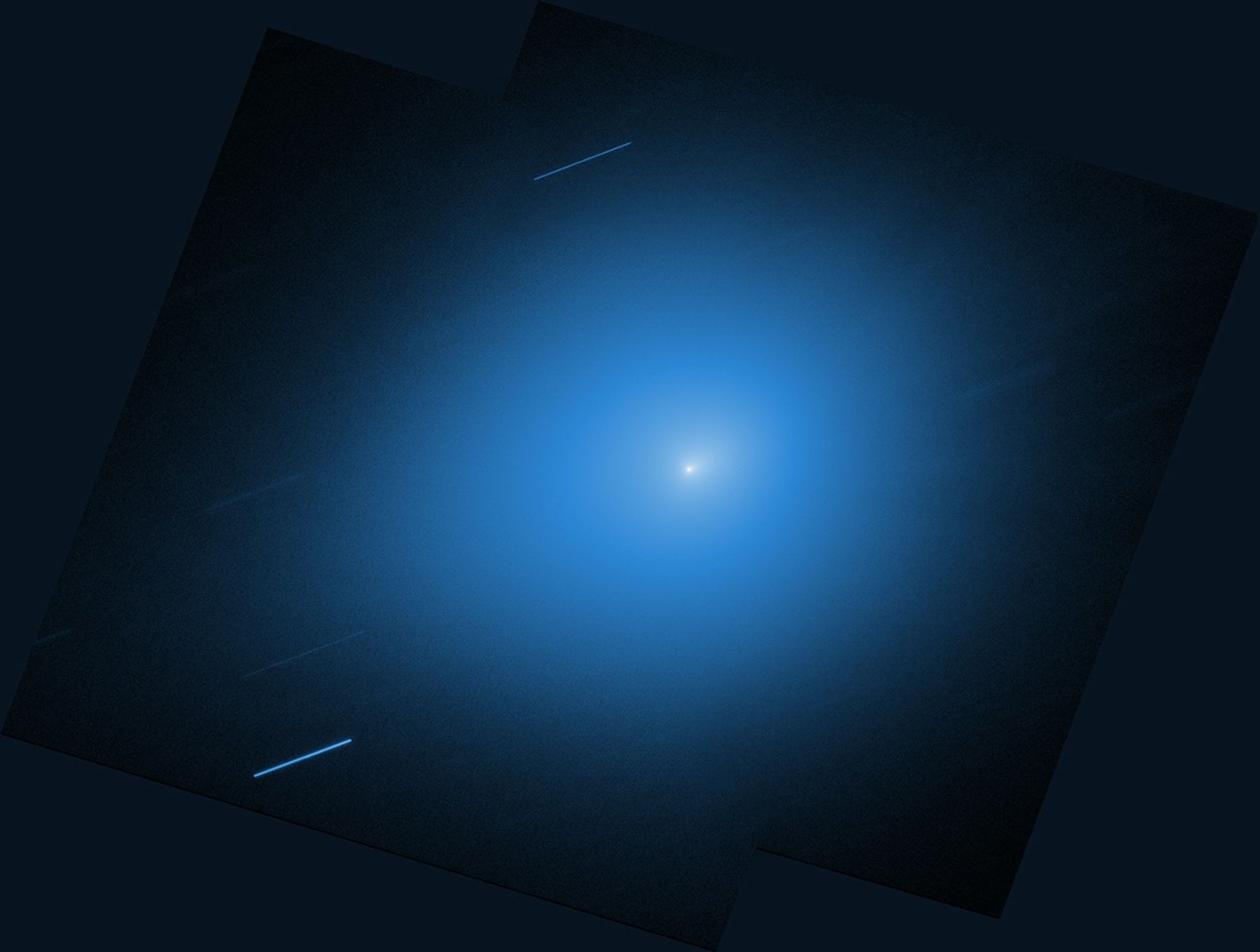
SPHEREx analyzed 3I/ATLAS spectrographic data for the first time in August. At that time, the comet was between Jupiter and Mars, gradually approaching the Sun.
Spectrographic analysis of the comet revealed “barely detectable” water vapor, as well as carbon dioxide in the coma. Carbon-based organic compounds (collectively referred to as C-H), such as methanol (CH3OH), formaldehyde (H2CO), methane (CH4), and ethane (C2H6), were not found at that time.
Observations of 3I/ATLAS after perihelion
Observations made by SPHEREx in December 2025 (i.e., after the comet passed perihelion) showed much greater activity, indicating complete sublimation of ice. This time, strong emissions of water vapor, cyanogen, carbon dioxide, carbon monoxide, and carbon organic compounds were detected.
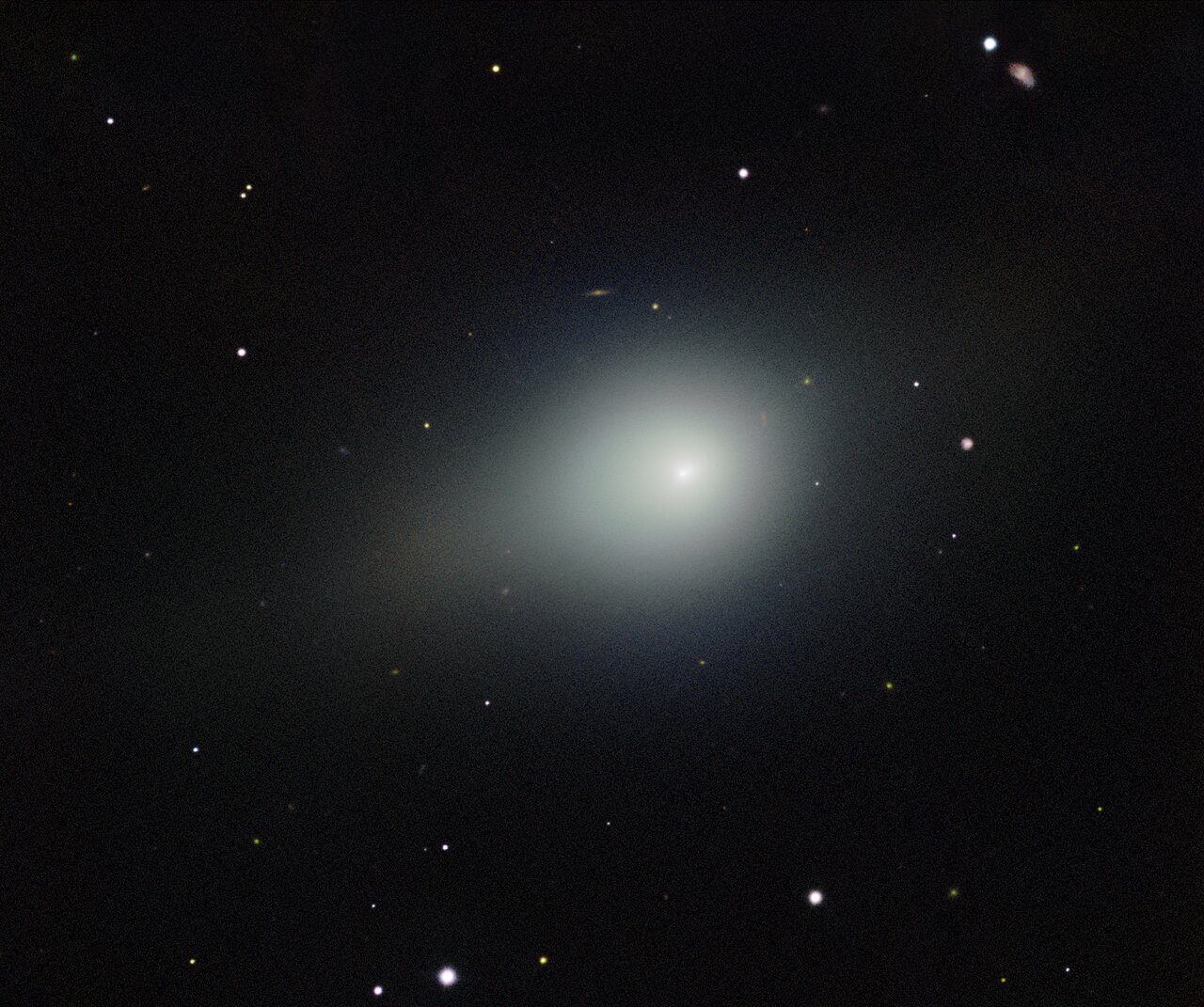
According to scientists’ estimates, between August and December, water vapor and carbon monoxide emissions increased 20-fold. This indicates that a new ice reservoir has become active on the comet. At the same time, the amount of carbon dioxide emitted by 3I/ATLAS increased by only a third.
Researchers claim that the changes observed in 3I/ATLAS reflect temperature changes as it moves within the Solar System’s ice line — the distance from the Sun at which temperatures are low enough for volatile compounds such as water, ammonia, methane, carbon dioxide, and carbon monoxide to condense into solid grains. The comet’s approach to the Sun had the opposite effect, causing more of the comet’s ice to sublimate.
In August, the behavior of 3I/ATLAS was characterized by the predominance of large ice dust grains, which were too cold to completely sublimate anything more volatile than carbon dioxide. However, by December, it had spent about 3.5 months inside the ice line, and all components of the comet, not just the highly volatile particles, were active. In other words, the comet’s main material was evaporating, releasing everything it contained.
According to researchers, the composition of 3I/ATLAS corresponds to that of other typical comets in the Solar System. This indicates similar processes occurring in the Solar System and other star systems, and once again refutes speculation that 3I/ATLAS is an alien spacecraft.
According to Phys.org

