

On June 6, 2024, while approaching the International Space Station (ISS), NASA astronaut Barry “Butch” Wilmore experienced something that professionals call “impossible.” When the fourth engine of the Boeing Starliner capsule failed, it became clear that not only the mission but also the crew’s lives were at risk.
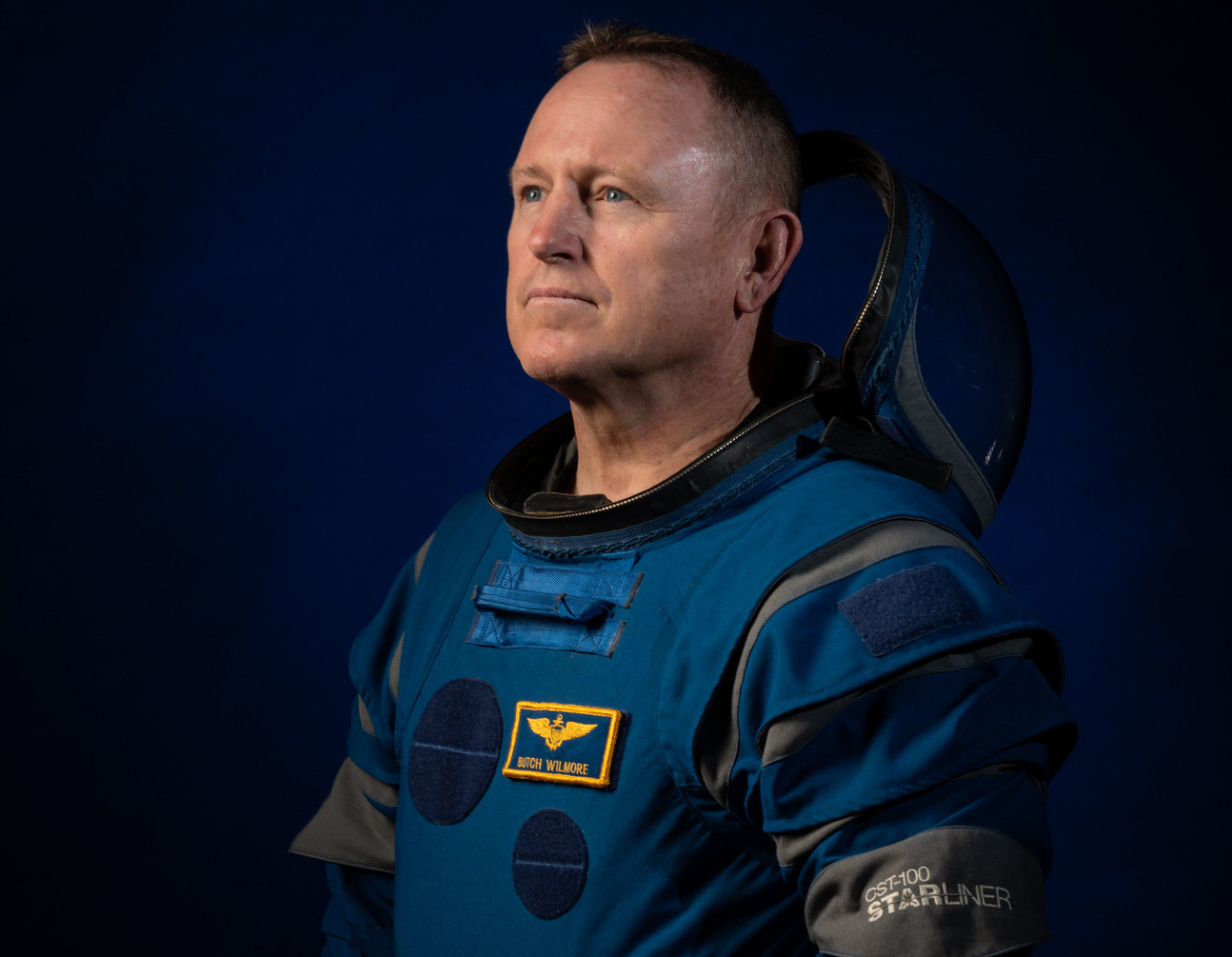
In his memoir Stuck in Space, released on March 17, 2026, Wilmore candidly describes for the first time that paralyzing fear of death: “I think of the partially charred helmet and boot I retrieved from that East Texas field. The pieces had fallen tens of thousands of feet.” However, within seconds, the experienced Navy pilot managed to get his emotions under control. “Fear is not your ally, it’s your enemy in those scenarios. You have to keep thoughts of your family separate from the controls,” he explains.
286 days in “captivity”
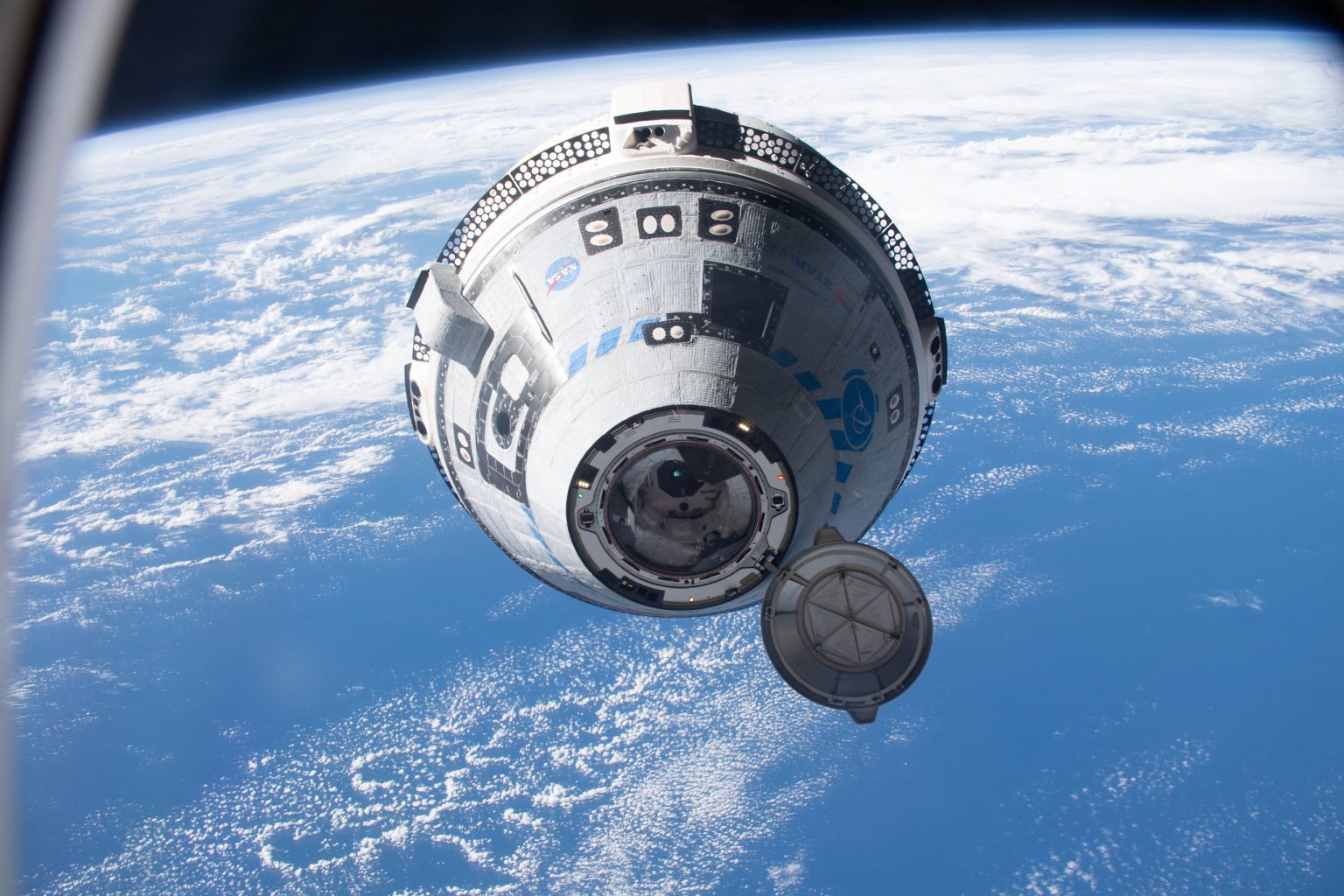
What was originally planned as a short, eight-day test mission turned into a long marathon lasting 286 days. Barry Wilmore and his colleague Sunita Williams were stranded in orbit due to a malfunction in the propulsion system of the capsule that was supposed to bring them home. Although the spacecraft was ultimately able to dock with the station, NASA officials made the difficult decision to return the empty Starliner to Earth without a crew.
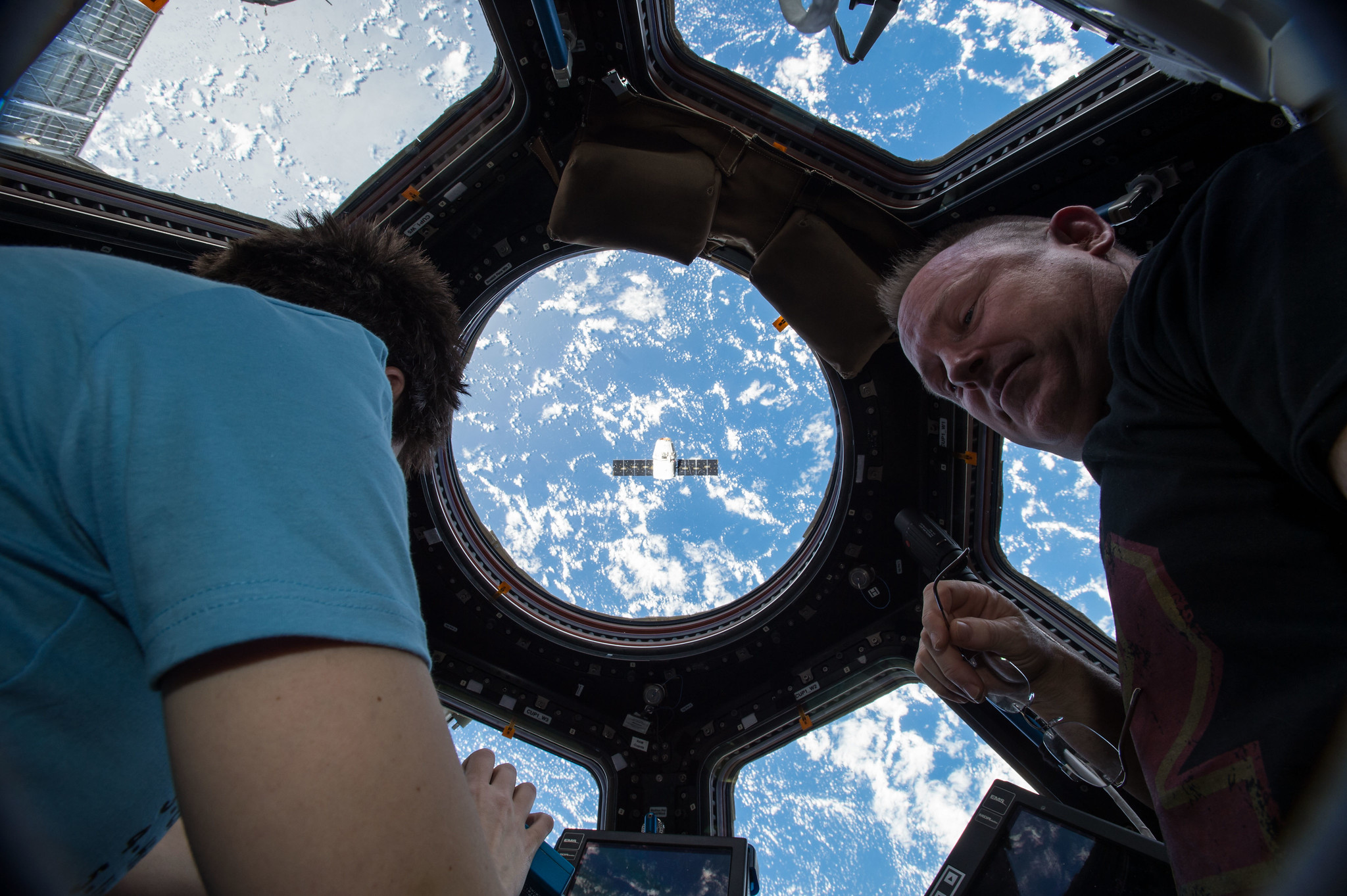
For Wilmore, this flight marked the final chapter of his career—he officially retired in August 2025. In total, this veteran has spent 464 days in space aboard four different types of spacecraft.
“Nothing can take away my inner hope. My faith has helped me make every decision—from joining the Navy to choosing to remain in orbit indefinitely.”
Official classification: “Type A” accident
In February 2026, NASA released a final report that caused a sensation in the space industry. The agency officially classified the Starliner test flight as a “Type A” accident. This is the highest severity category, which includes the Challenger and Columbia space shuttle disasters.
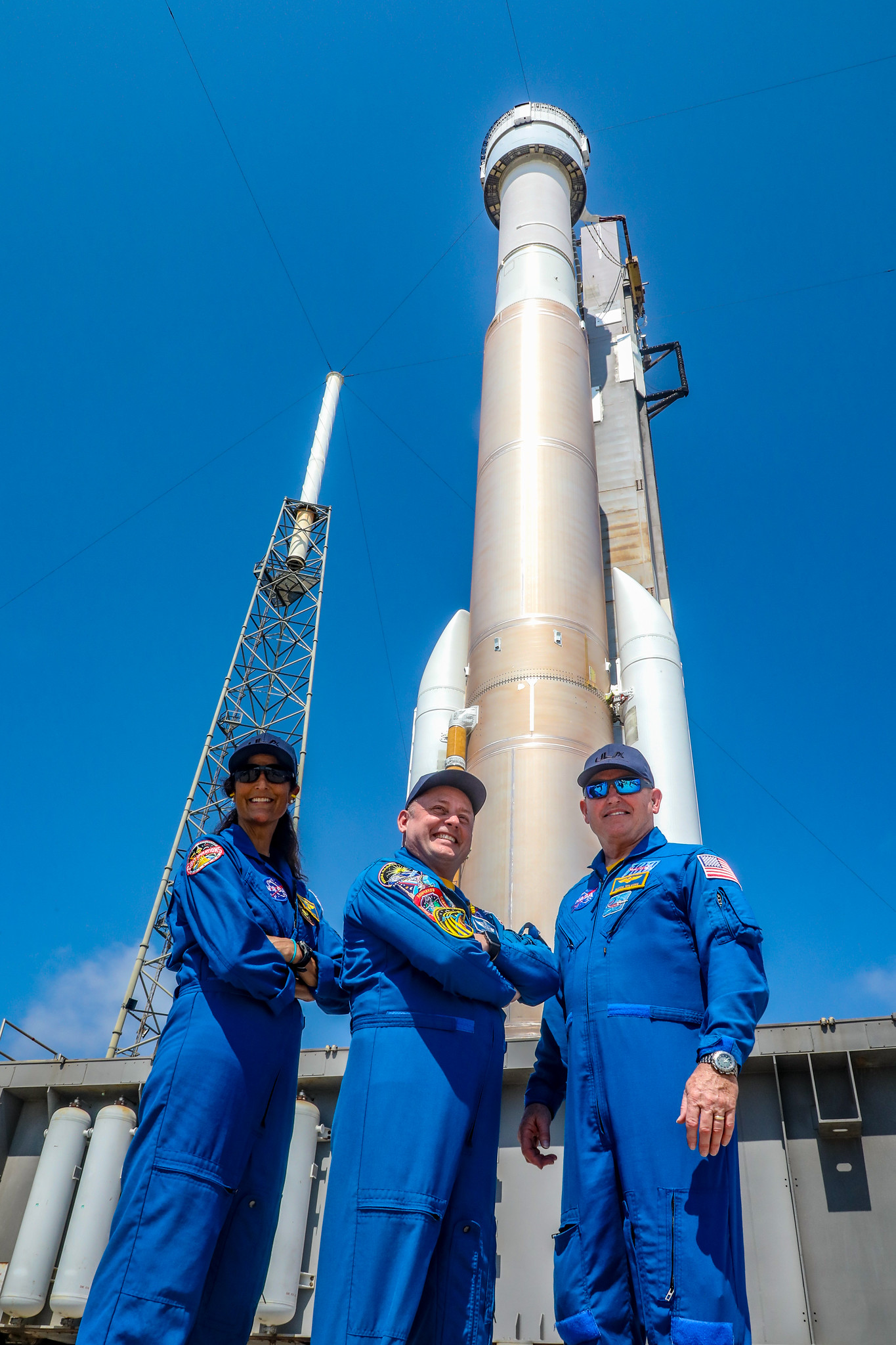
NASA Administrator Jared Isaacman acknowledged that the pursuit of commercial goals—specifically, the desire to have two independent suppliers, SpaceX and Boeing—led management to ignore obvious engineering flaws.
Key findings from the NASA report:
- Technical malfunction. System issues with the Boeing engines were overlooked during the preparation phase.
- Management failure. Prioritizing program objectives over crew safety.
- Accountability. A complete restructuring of the manned flight division to prevent similar incidents.
Lessons for the future
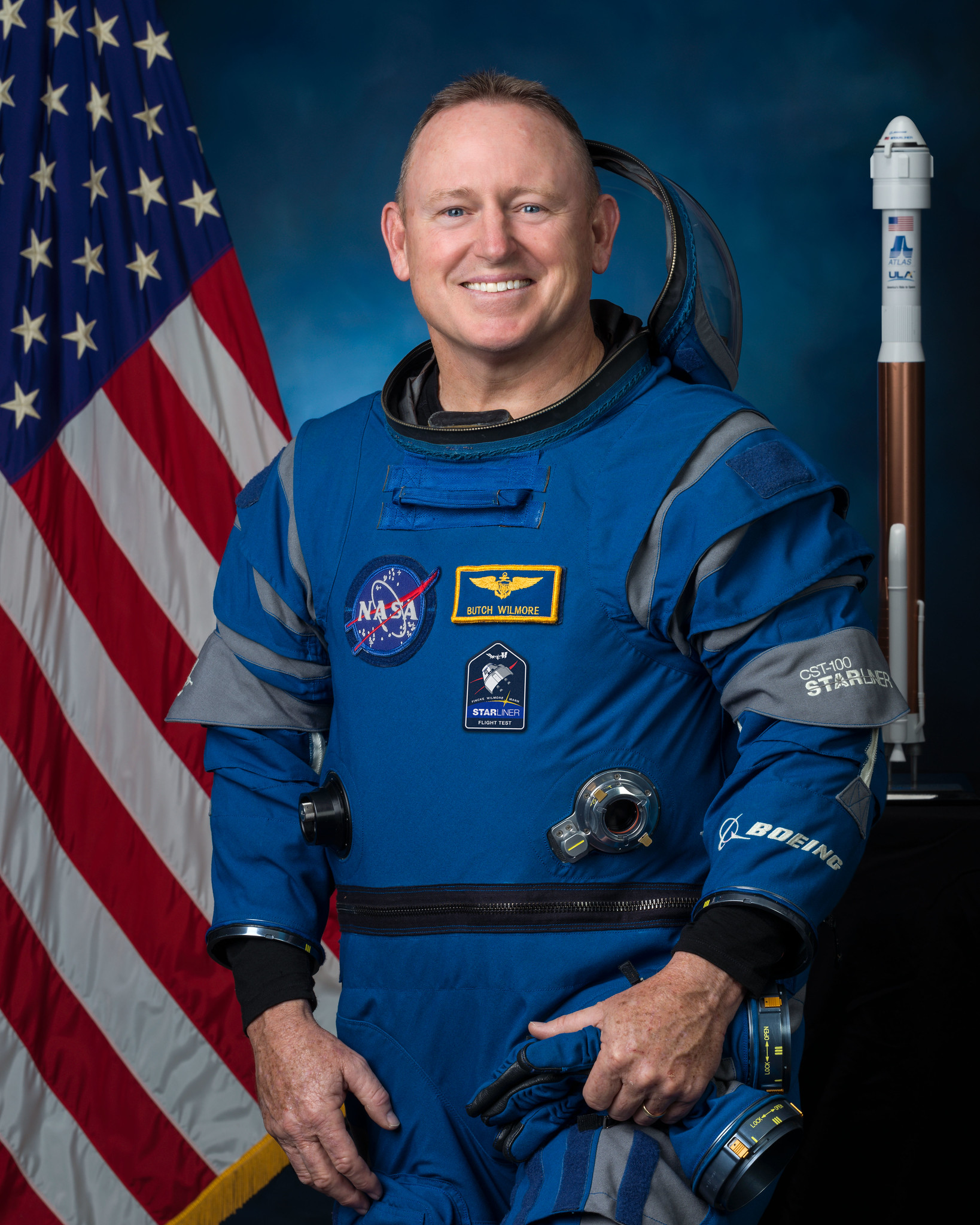
Wilmore felt relieved by such a harsh assessment of the events. For a long time, he insisted that the matter not be swept under the rug, but thoroughly investigated. “These classifications establish safety guidelines for future generations of astronauts,” he says.
Although Barry missed nearly a year of his family’s life on Earth, he calls the opportunity to serve his country during such a difficult time “the highest privilege.” His story serves as a reminder that space does not tolerate compromises on quality, and that human judgment and composure remain the only reliable safeguard when technology fails.
We previously reported on how NASA was accused of covering up deadly risks.
According to People

