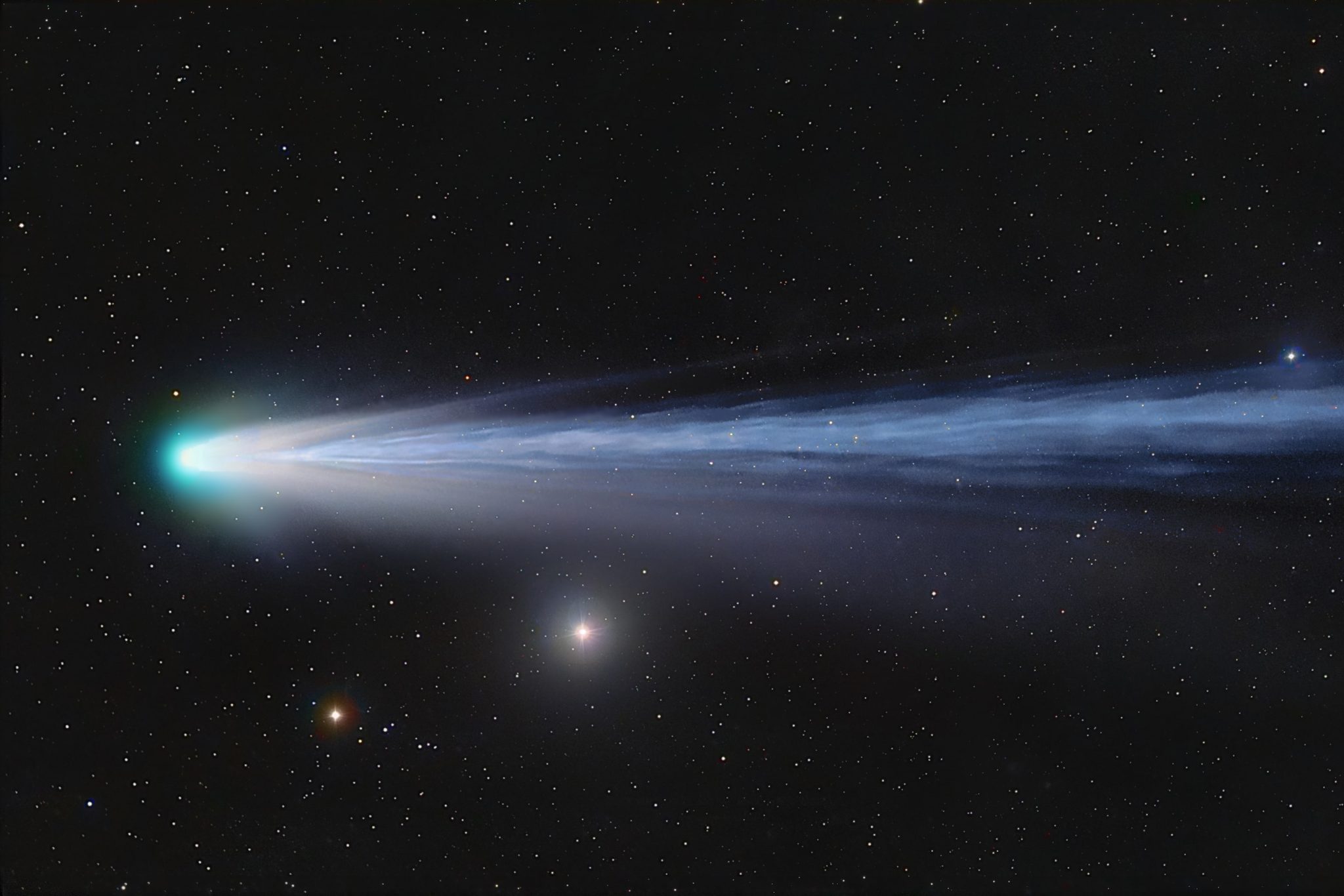
The outgoing year 2025 has given us not only many interesting events in space, but also a whole series of beautiful images. Some of them were taken by telescopes, some by spacecraft, and some by astrophotographers.
The Universe Space Tech editorial team has prepared a traditional selection of the most spectacular space images published over the past twelve months for visitors to our website. They feature comets, the Starship landing, dawn on the Moon, Einstein’s ring, and much, much more.
Color from other worlds
With the Sun at the peak of its current activity cycle, auroras were regularly observed on Earth in 2025. This striking photograph, taken by astrophotographer Douglas Thorn, shows the celestial display in the skies above New Zealand.

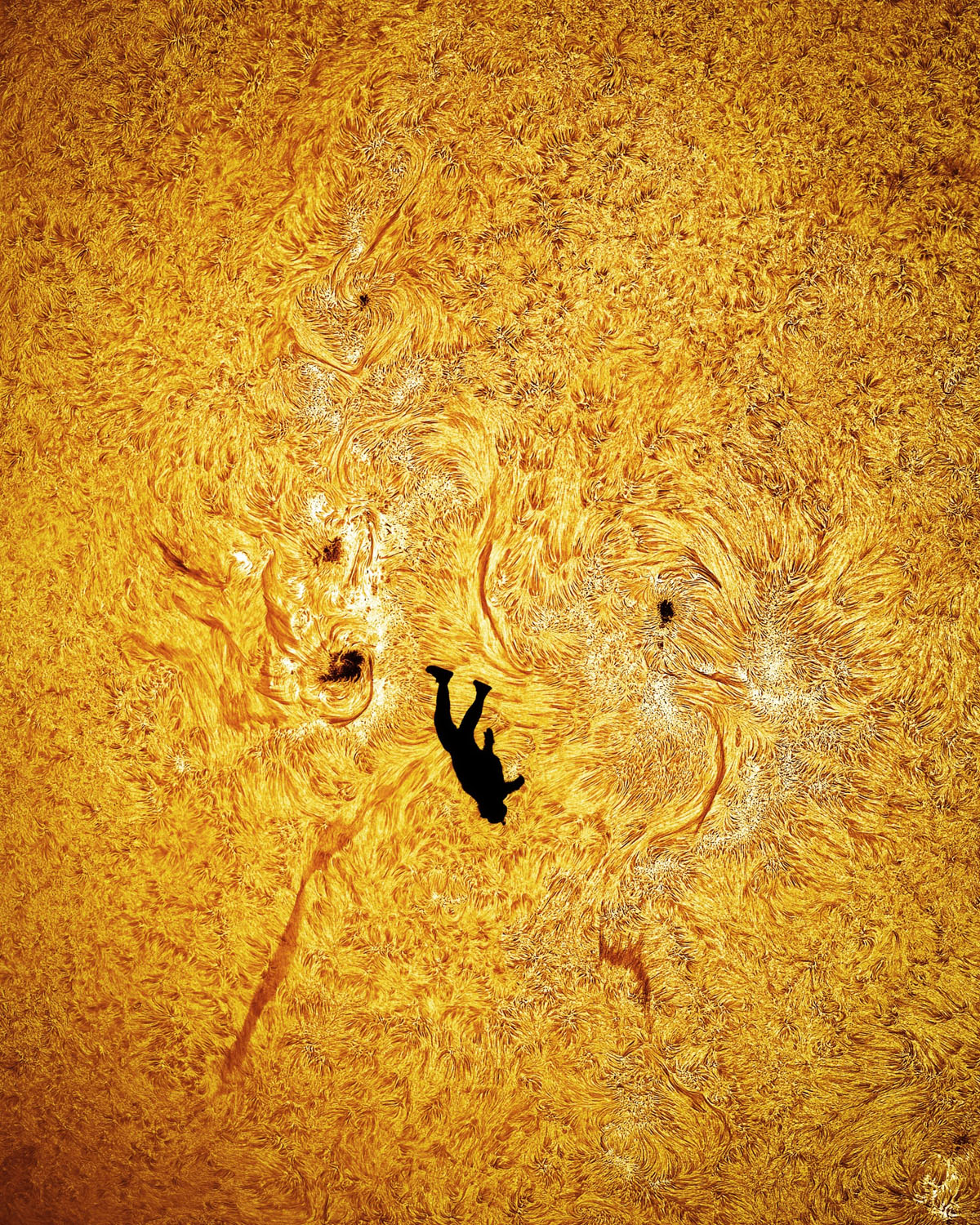
Falling toward the Sun
Throughout 2025, astrophotographer Andrew McCarthy regularly delighted us with various images taken with a solar telescope. One image showed the ISS against the backdrop of the Sun, another showed a Falcon 9 rocket. However, the most impressive image was the one showing a skydiver flying against the backdrop of the solar disk.
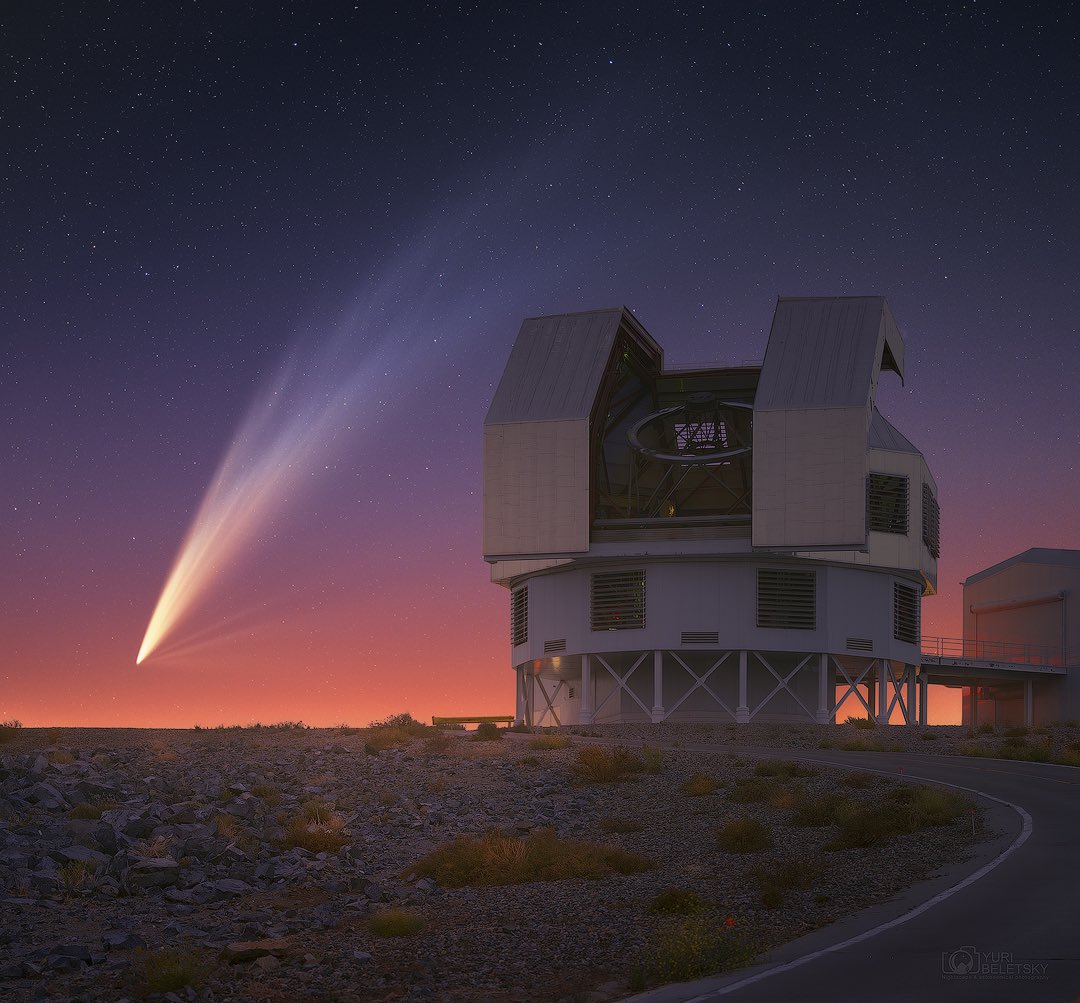
The ghost of the comet
In 2025, Earthlings had the opportunity to see several comets at once. The brightest of them was C/2024 G3 (ATLAS), which graced the sky in January. In this photo, taken in the Atacama Desert, we can see its “ghost.” By the time the photo was taken, C/2024 G3 (ATLAS) had already disintegrated, but its tail was still clearly visible.
Giant plasma jet
On July 3, 2025, astronaut Nichole Ayers, who was on the ISS, captured an extremely rare natural phenomenon – a giant jet stream in the upper atmosphere. It was several tens of kilometers high.
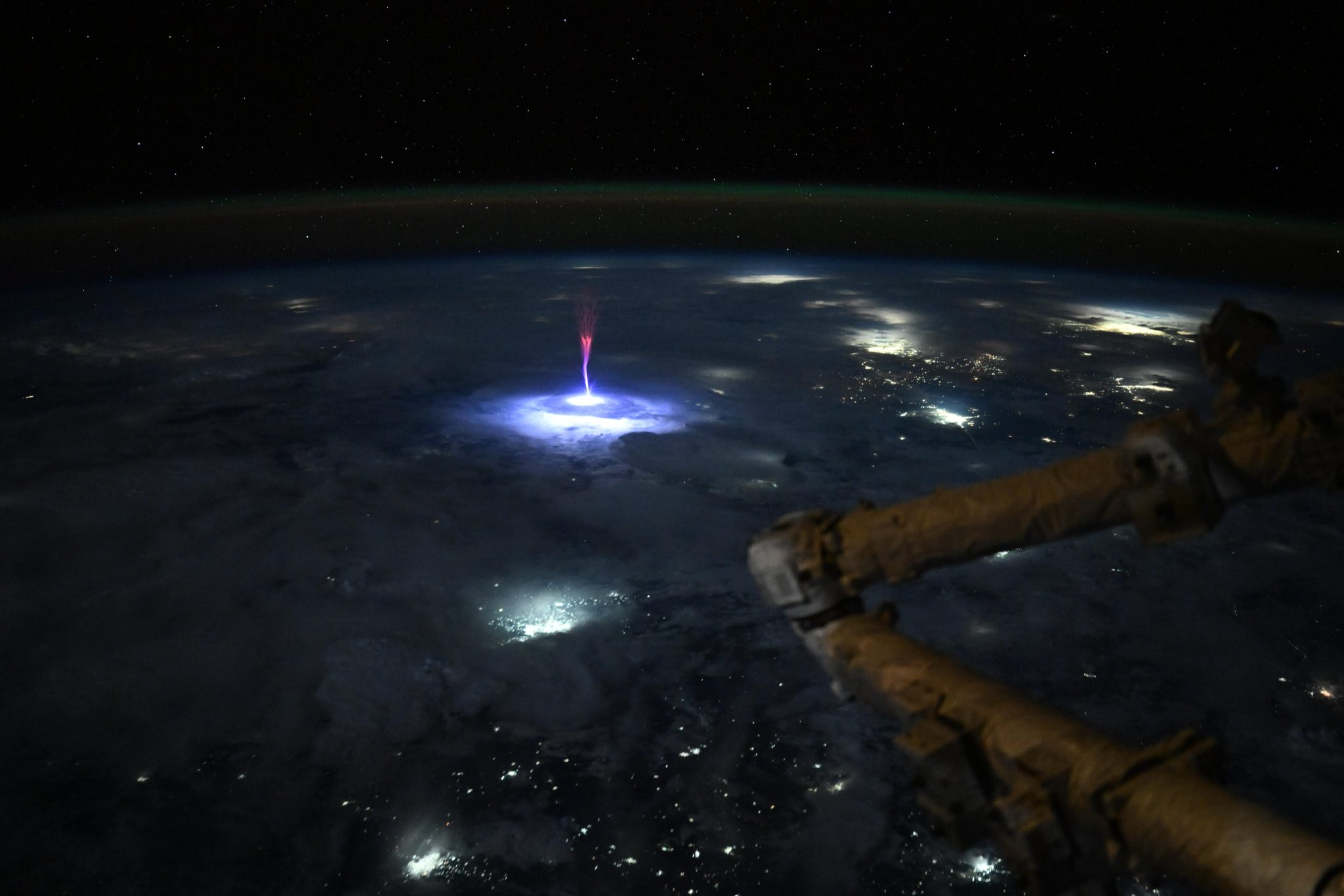
Source: Nichole Ayers/NASA
Stars and Starlink
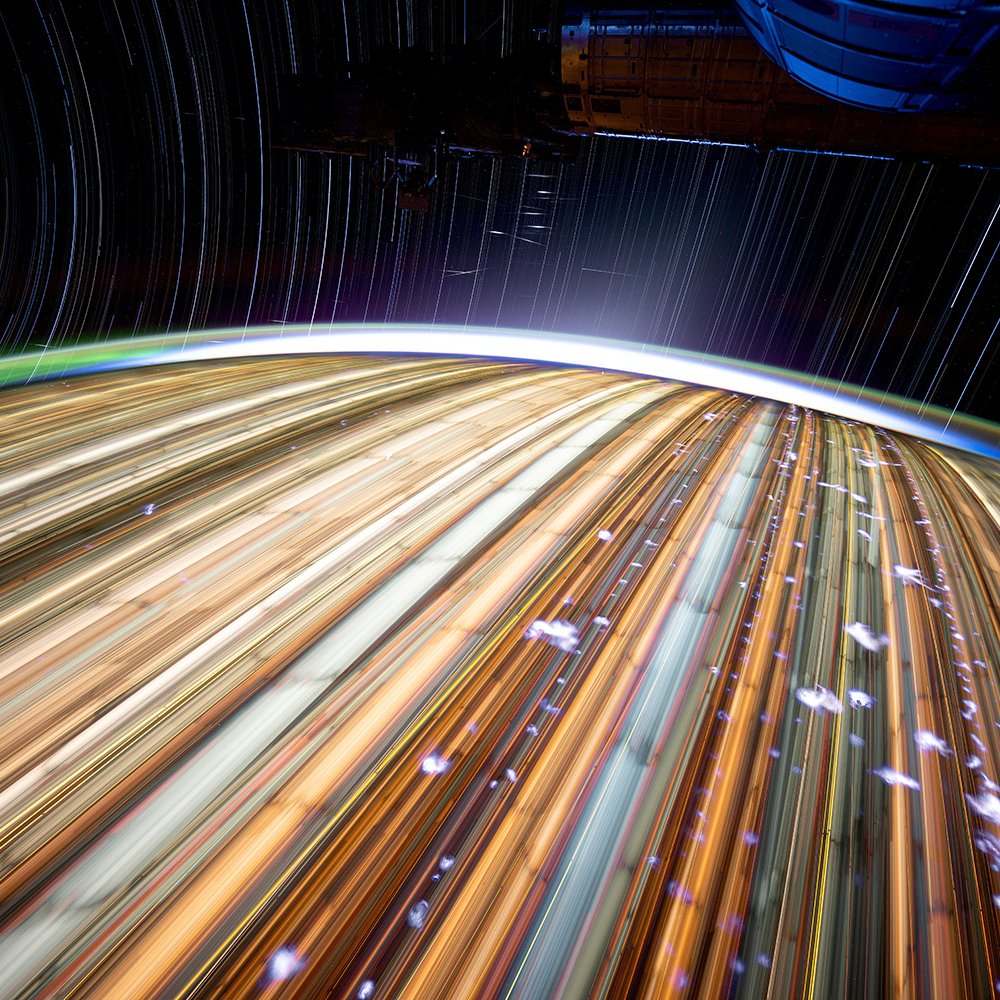
This amazing photograph was taken by astronaut Don Pettit during his stay on the ISS. It shows our planet, city lights, stars, and traces of Starlink satellites. The bright flashes they create stand out clearly against the backdrop of star trails (this effect is due to the long exposure time used for the photograph) and the glowing atmosphere of Earth.
Meeting with Deimos
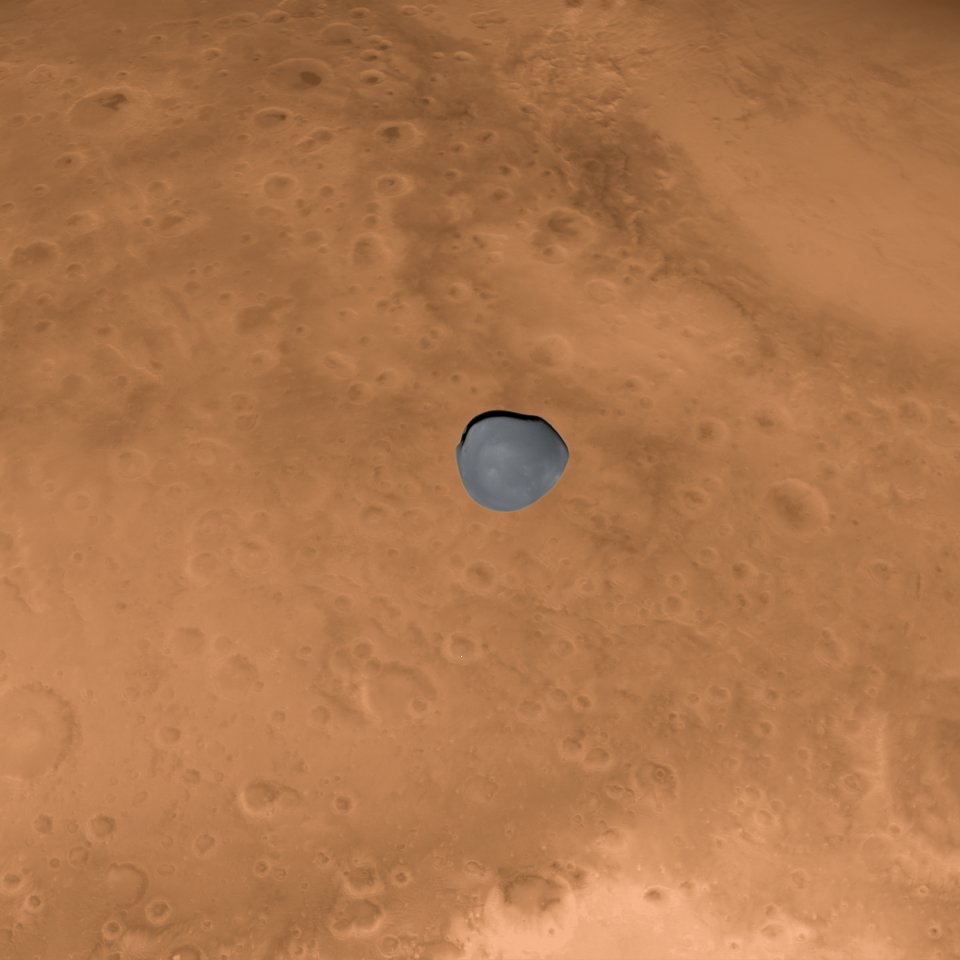
On March 12, the European spacecraft Hera flew past Mars. During its visit, it managed to photograph Deimos, the second-largest moon of the Red Planet. The colors in the image correspond to what the human eye would see.
Landing at the limit
Throughout 2025, SpaceX actively tested Starship, trying to find its limits. This image shows the moment it splashed down in the Indian Ocean. Despite the fact that engineers deliberately removed some of the heat shield tiles from the spacecraft, Starship managed to remain intact and, despite the damage, broke through the Earth’s atmosphere.

Sunrise and sunset on the Moon
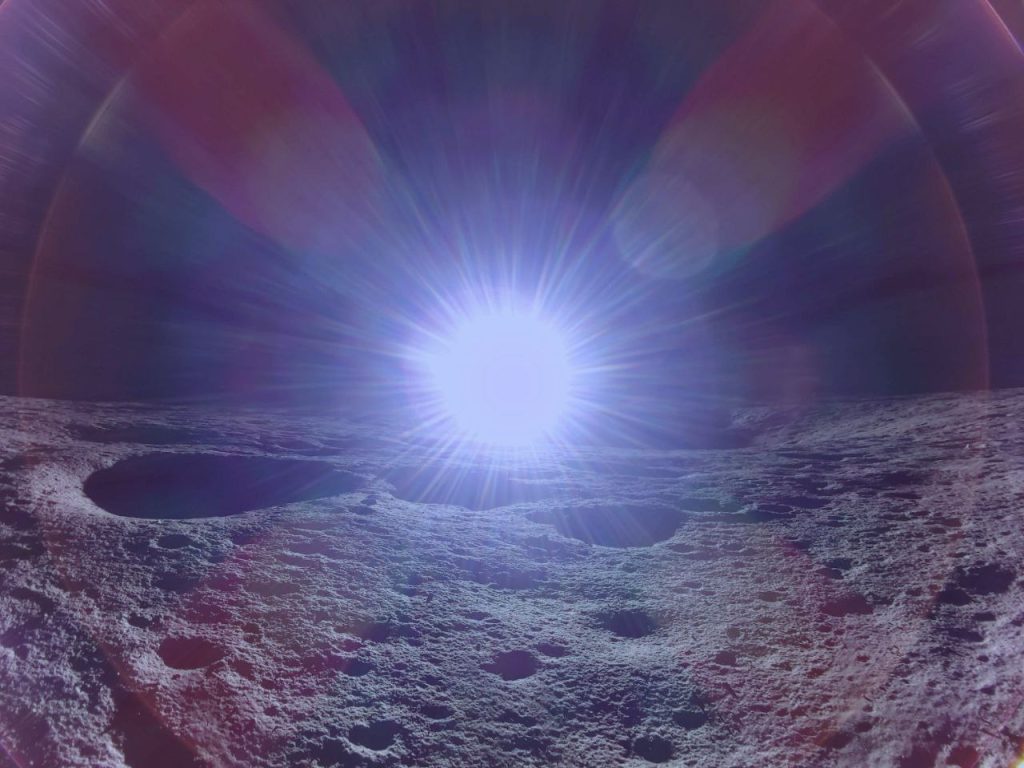
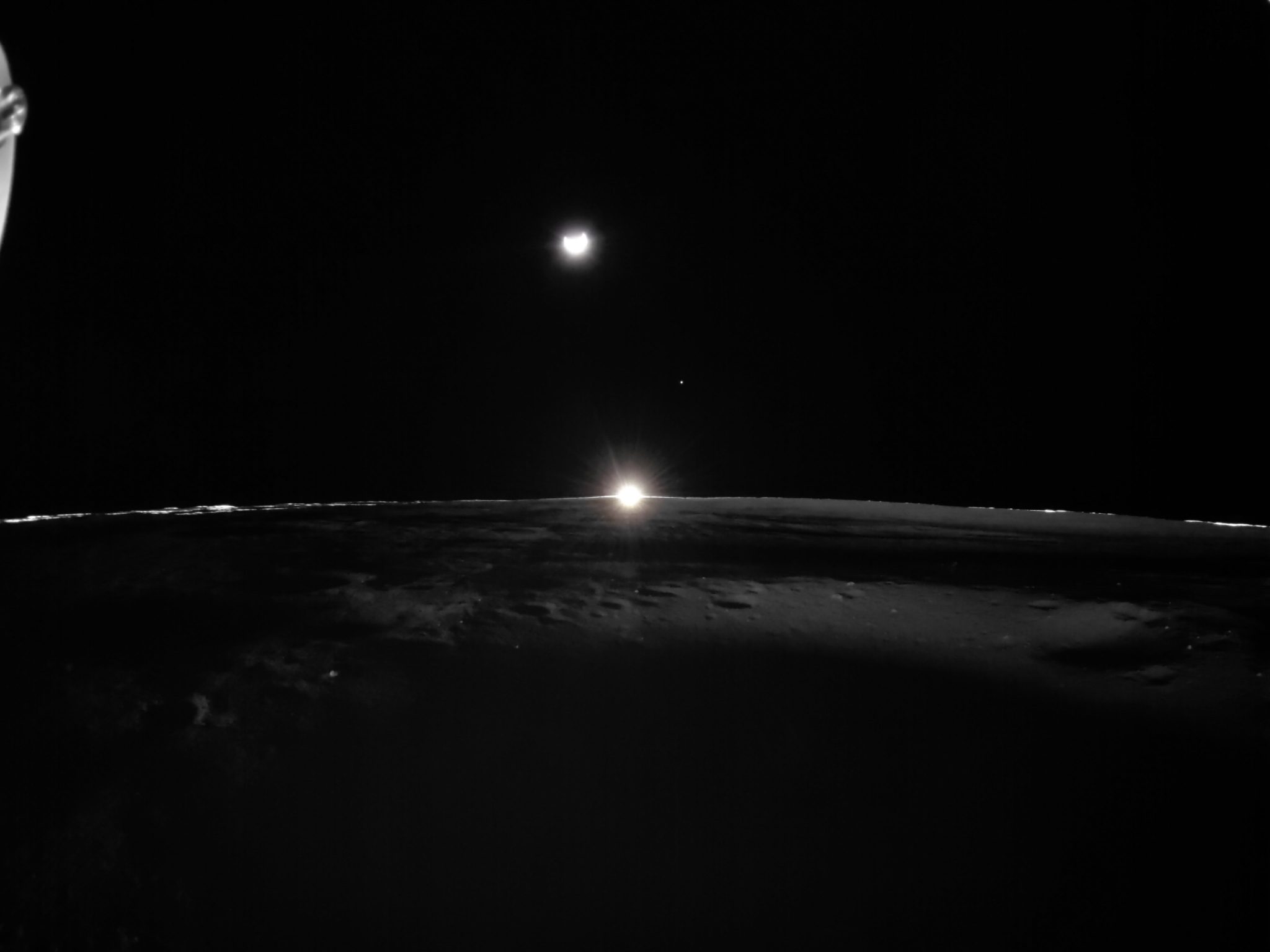
The Blue Ghost spacecraft, which operated on the Moon in March 2025, provided us with many unique images, from the moment of its landing to the solar eclipse. It also photographed the lunar sunrise and sunset for the first time in history.
New Glenn launch
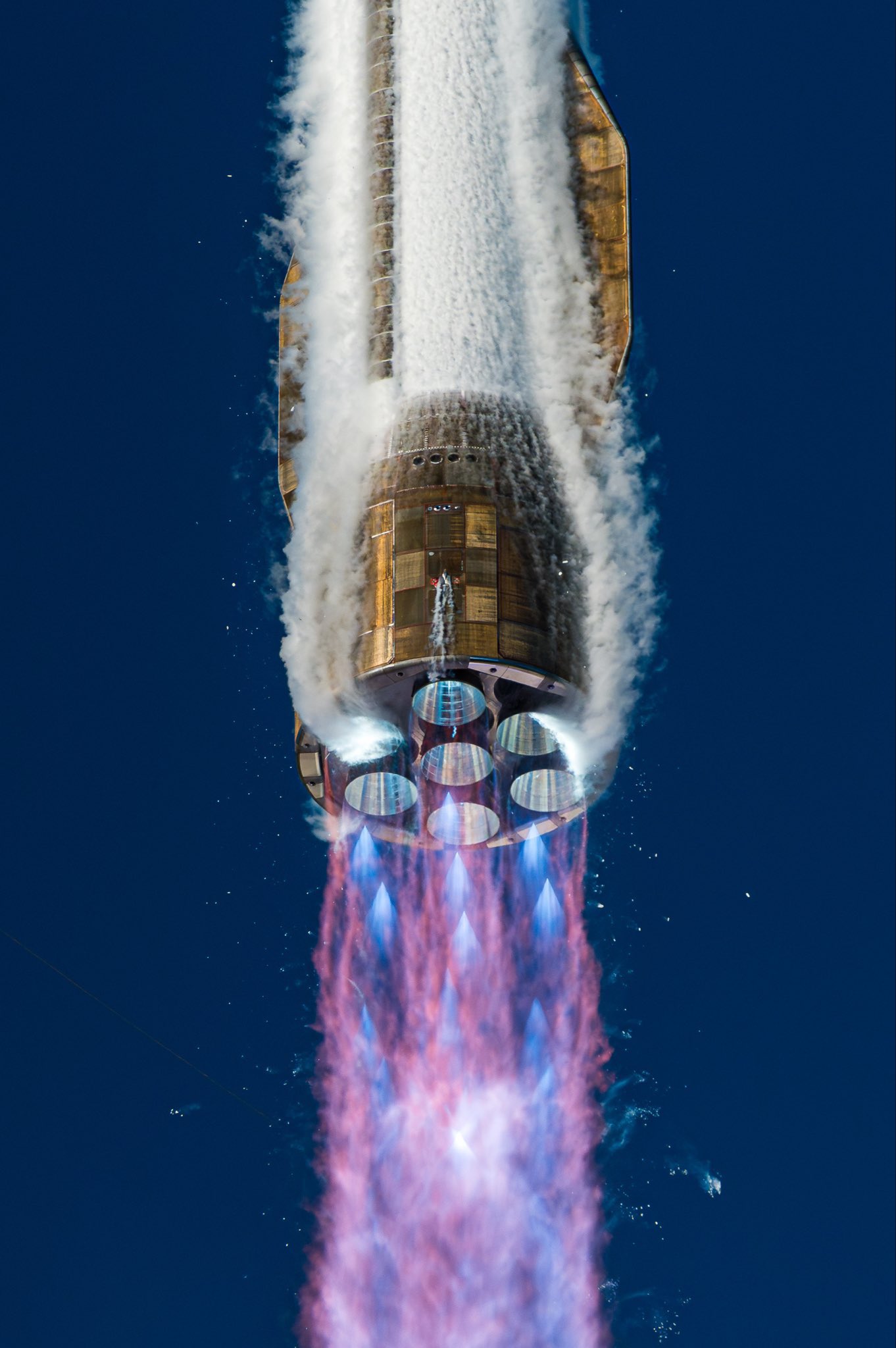
On November 13, Blue Origin launched its New Glenn rocket for the second time. This photo, taken by astrophotographer John Kraus, clearly demonstrates the power of the BE-4 methane engines installed on its first stage. The mission was a success. New Glenn successfully delivered its payload into space, and its first stage landed on a barge.
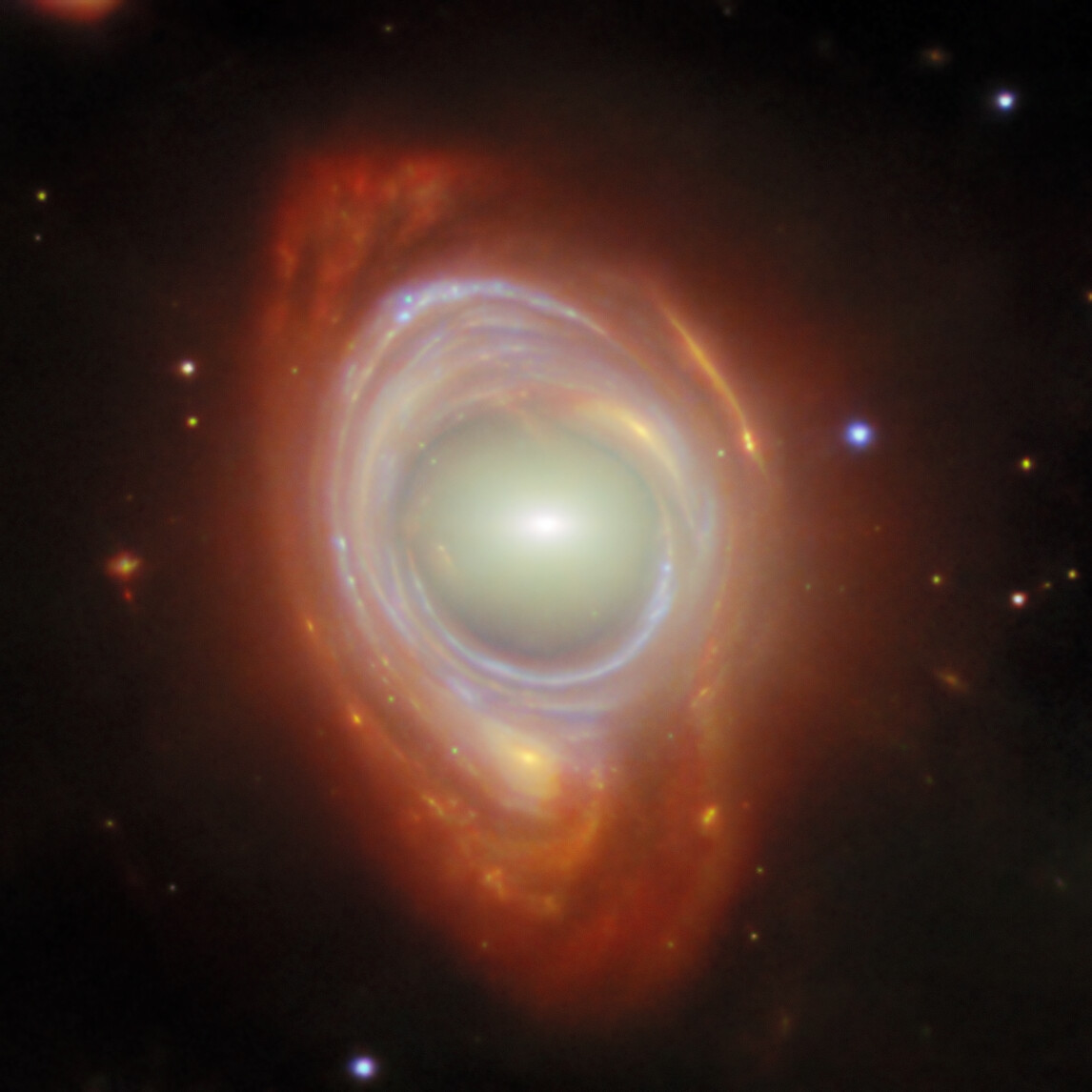
A galaxy within a galaxy
One of the most amazing images of the year was captured by the James Webb Telescope. It shows a phenomenon called an Einstein ring. What at first glance appears to be a single galaxy with a strange shape is actually two galaxies separated by a great distance. The closer galaxy in the foreground is in the center of the image, while the light from the more distant galaxy in the background has been bent around it by gravity, forming a ring.
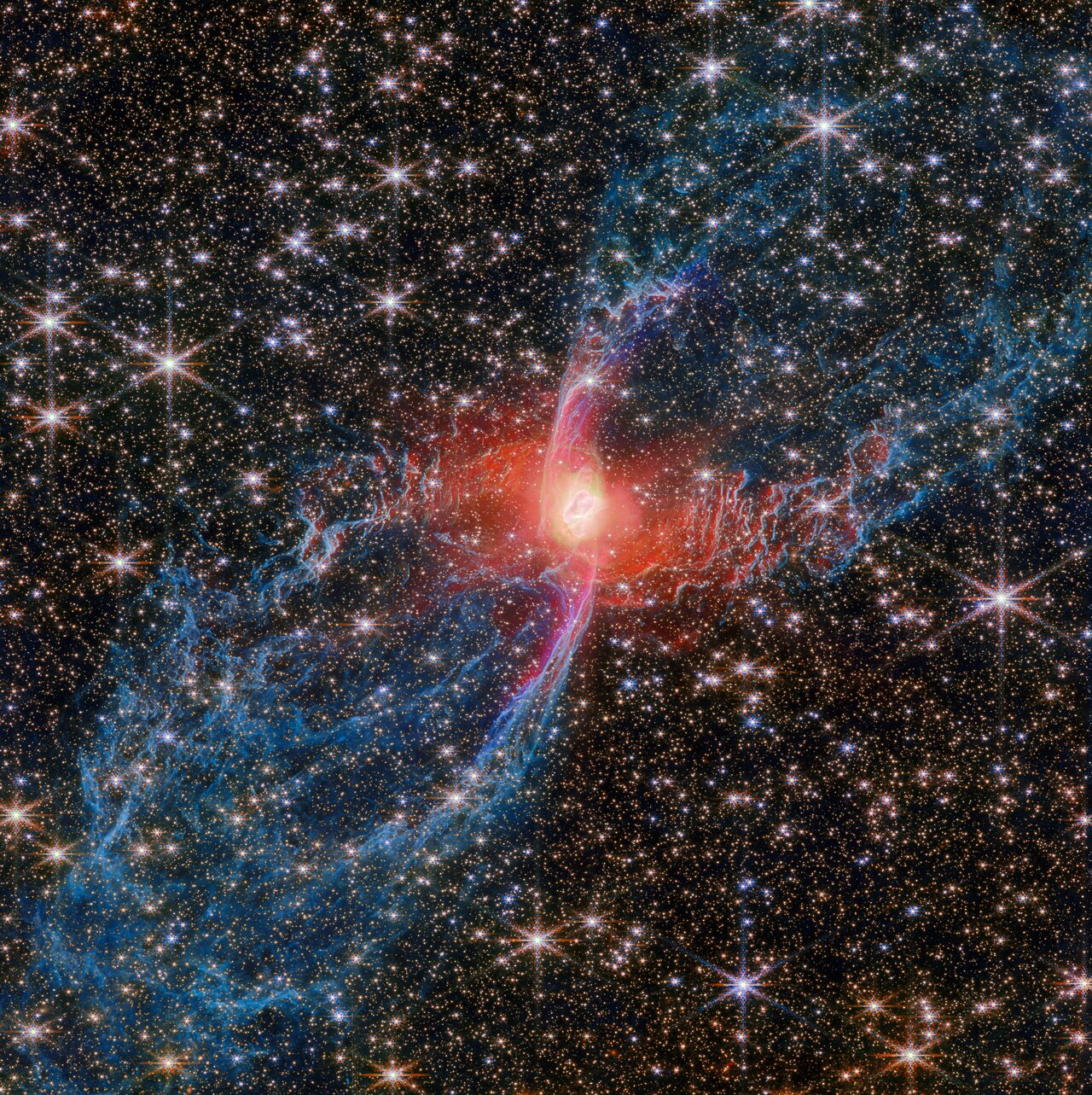
Red Spider
Another amazing object photographed by the James Webb Space Telescope in 2025 was the planetary nebula NGC 6537. Thanks to its unusual shape, it resembles a giant red spider.
Fiery Rose
Astronomers have named this magnificent image from the Gemini South telescope the “Fiery Rose.” It shows the nebula surrounding the young star cluster NGC 2040.
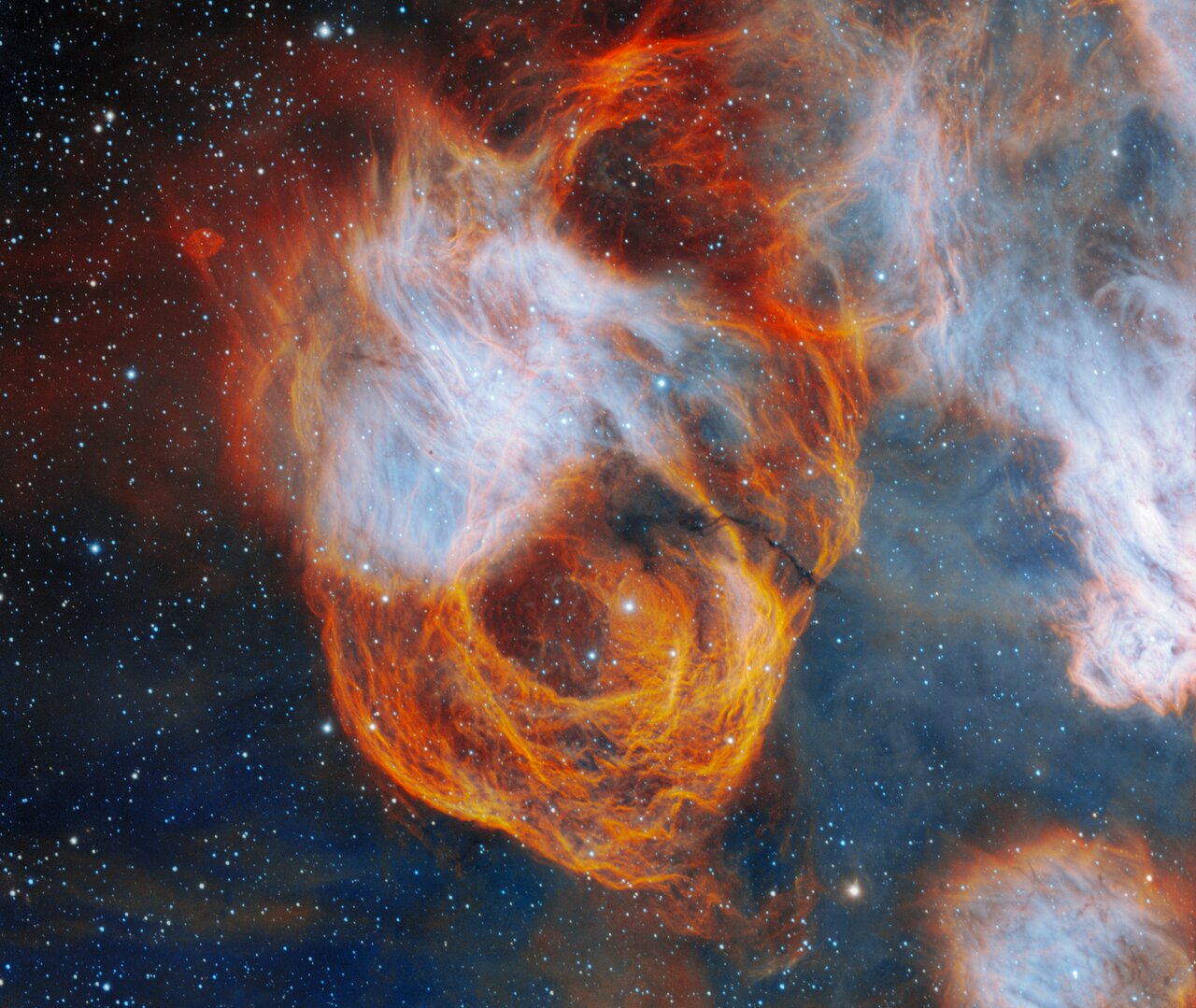
Source: International Gemini Observatory/NOIRLab/NSF/AURA
Blood Moon
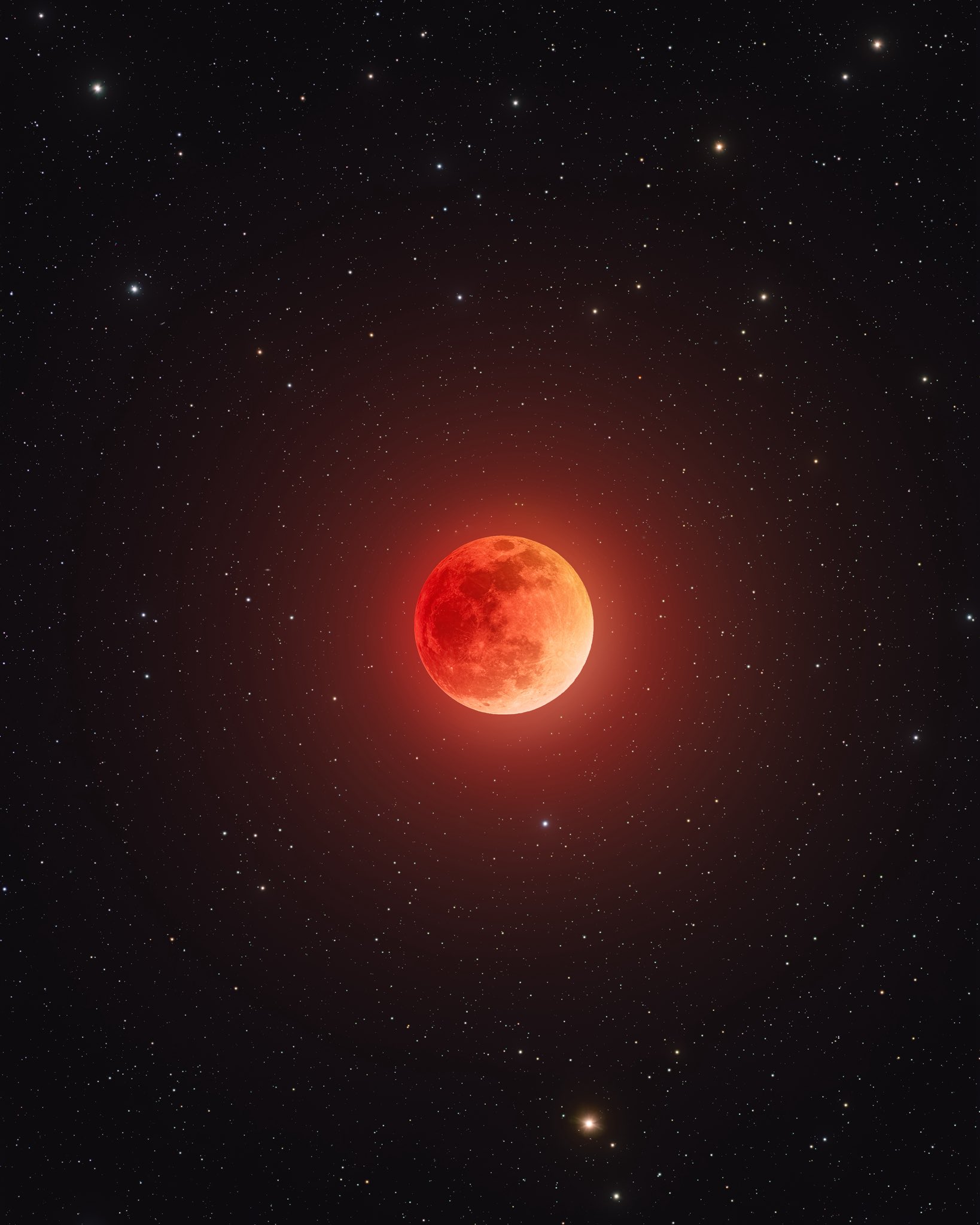
In 2025, Earthlings witnessed two total lunar eclipses at once. Astrophotographer Bray Falls captured this blood Moon.
Sun horns
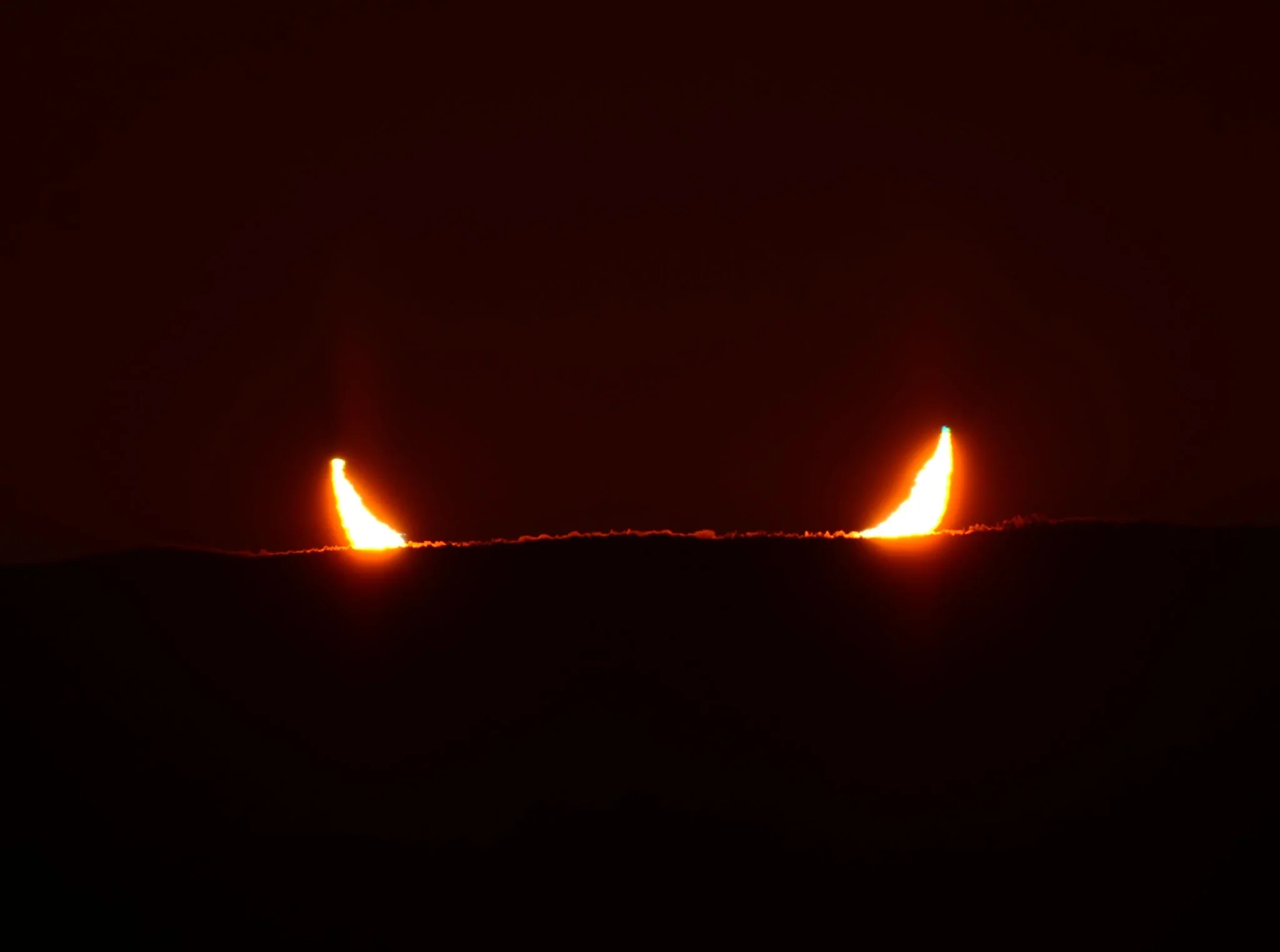
In 2025, a partial solar eclipse was also observed on Earth. Perhaps the most unusual and spectacular photograph of it was taken by photographer Fabrizio Melandri in the state of Maine. He managed to capture the “horns” that appeared at sunrise, most of the Sun’s disk already hidden by the Moon.
Axis of the world
Our Earth rotates around its axis, creating the effect of daily star rotation. They describe circles around the point where our planet’s axis of rotation passes in the sky. It is called the pole of the world and coincides with the direction of the geographic North Pole/South Pole. It is this point that can be seen in this photograph, taken on Cerro Pachón Mountain near the Gemini South Observatory. The photo also shows lasers used by astronomers to create artificial stars.
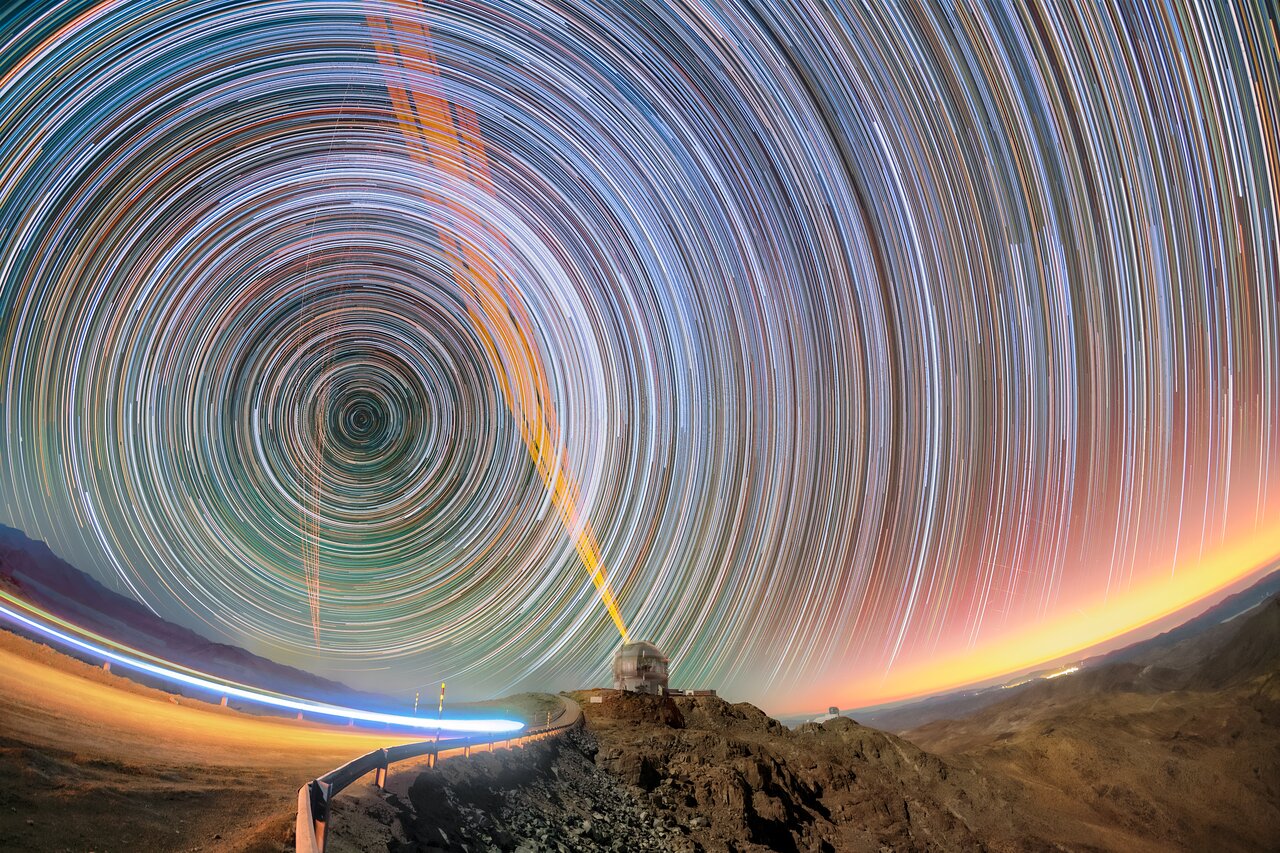
Source: International Gemini Observatory/NOIRLab/NSF/AURA/P. Horálek (Institute of Physics in Opava)
Green comet
In the fall of 2025, several comets could be observed in the Earth’s sky. The interstellar comet 3I/ATLAS attracted the most attention from astronomers, but due to its great distance, its photos were not particularly beautiful. Comet C/2025 A6 (Lemmon), on the other hand, gave us a whole series of beautiful images, such as this one taken by astrophotographers Gerald Rhemann and Michael Jäger in Namibia.