

The main astronomical event of autumn 2025 was the visit of comet C/2025 A6 (Lemmon) to the inner Solar System. On October 21, it passed at a minimum distance of 0.60 AU (90 million km) from Earth.
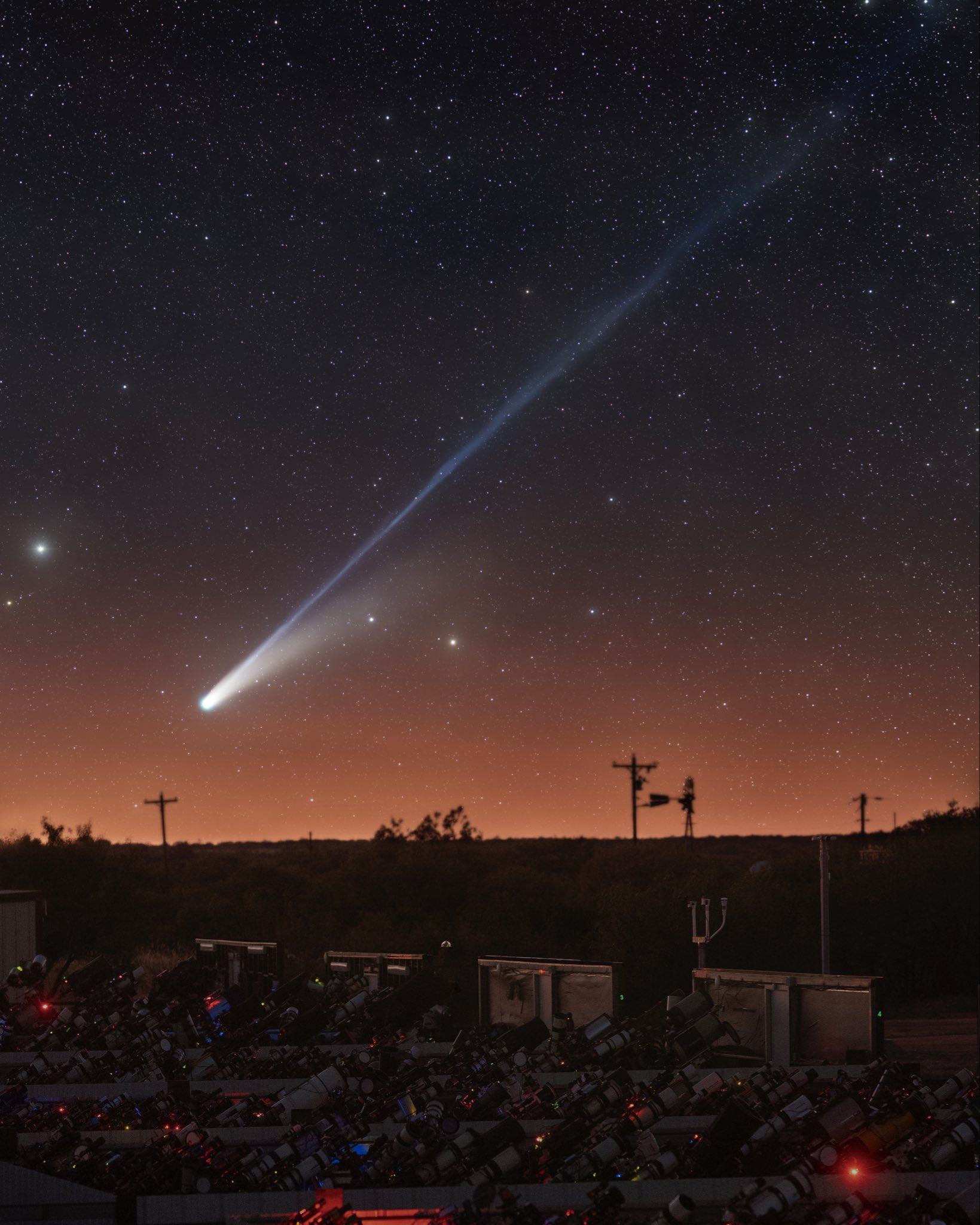
The comet is now rapidly approaching the perihelion of its orbit. As it heats up, the nucleus of C/2025 A6 (Lemmon) is releasing more and more gas and dust. This is causing its brightness to increase and its tail to grow. At the moment, the comet’s brightness has reached +3.5 magnitude. If you move beyond the city lights, the comet can be seen even with the naked eye. Astrophotographers around the world are actively taking advantage of this circumstance, photographing C/2025 A6 (Lemmon). The editors of Universe Space Tech have compiled the best images of the tailed visitor taken in recent days.
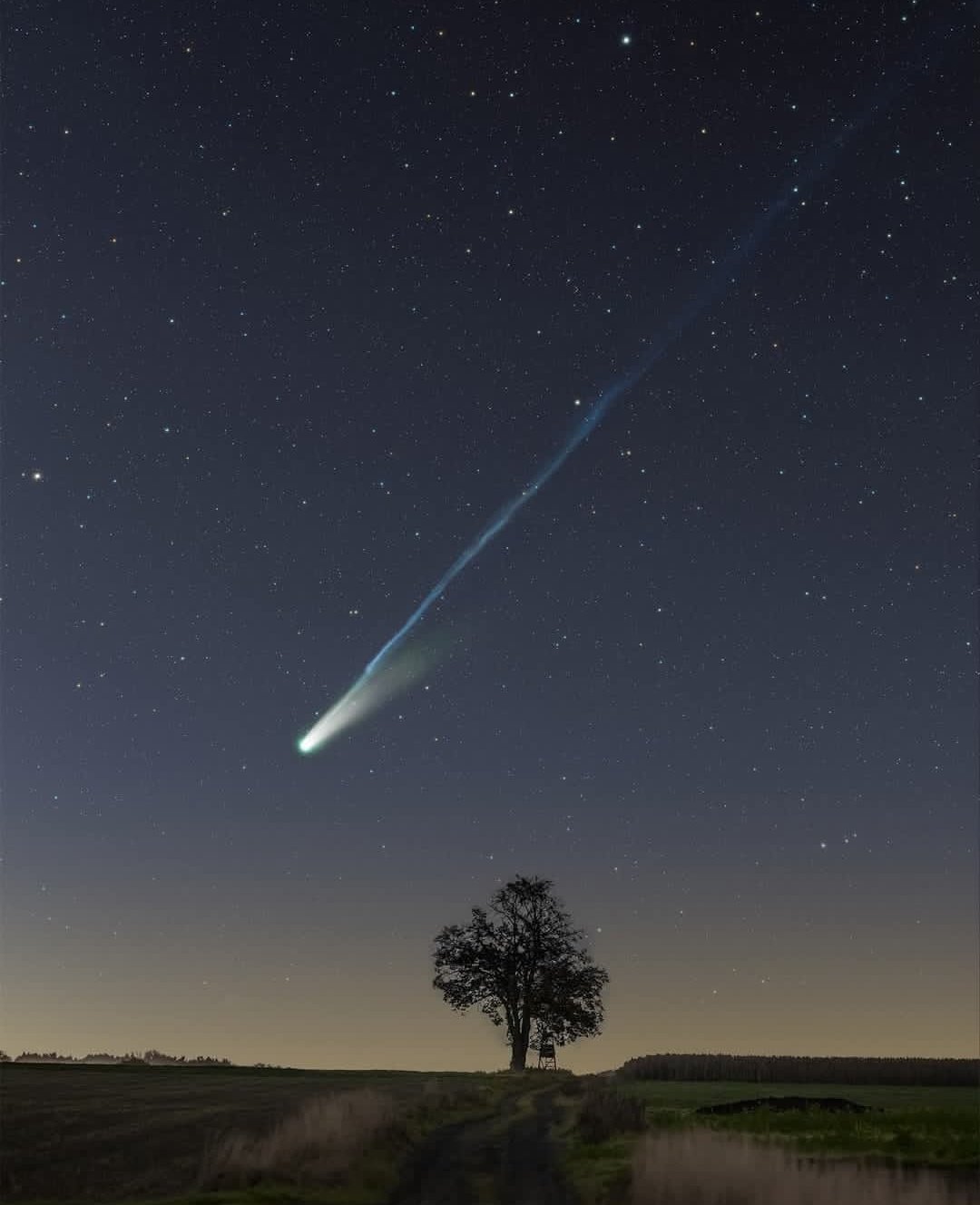
This is what Comet Lemmon looked like on October 22. The photo was taken by astrophotographers Gerald Rhemann and Michael Jäger in Namibia.
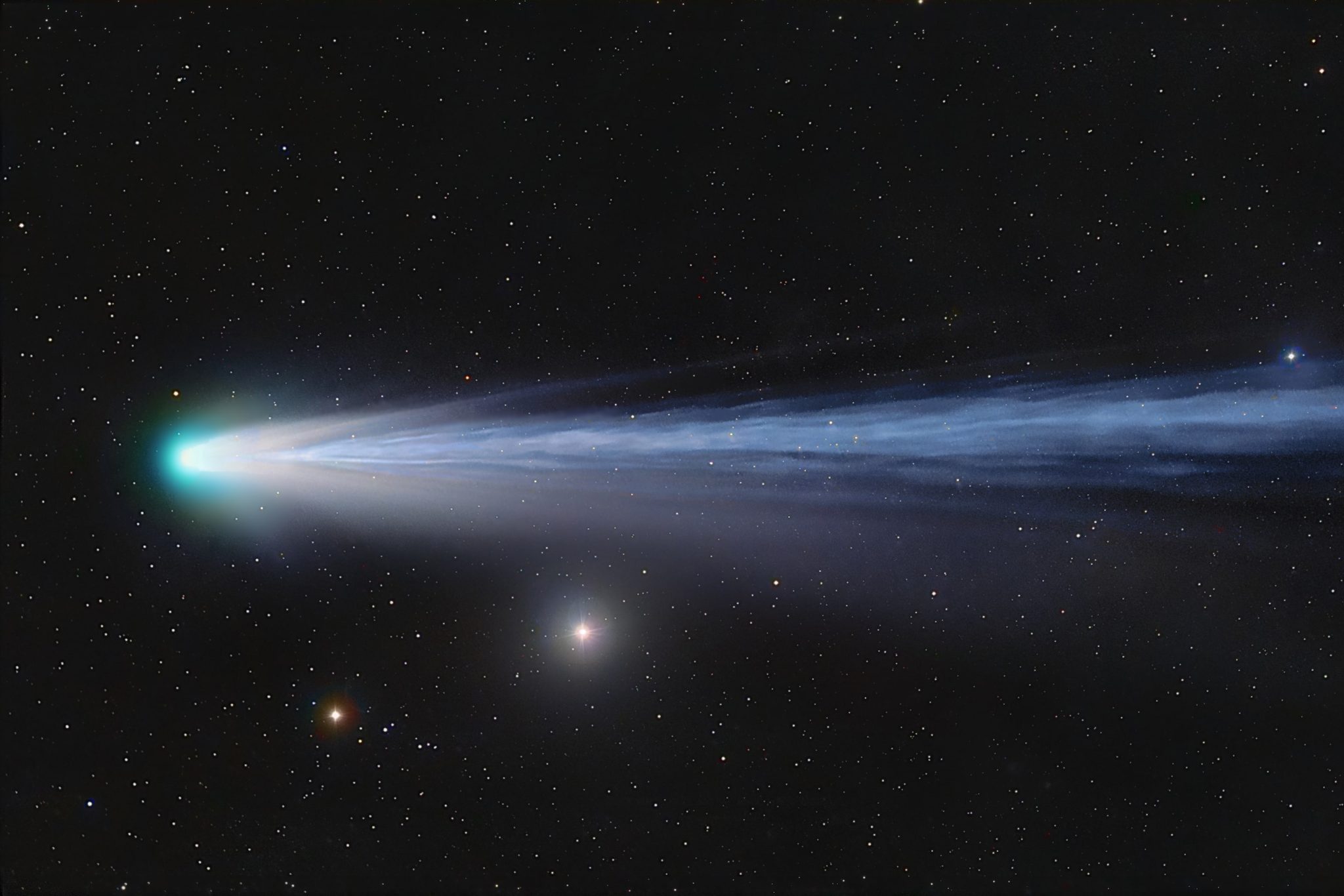
This comet was captured by photographer Kenneth LeRose. The photo was taken on October 16 in Arches National Park, Utah.
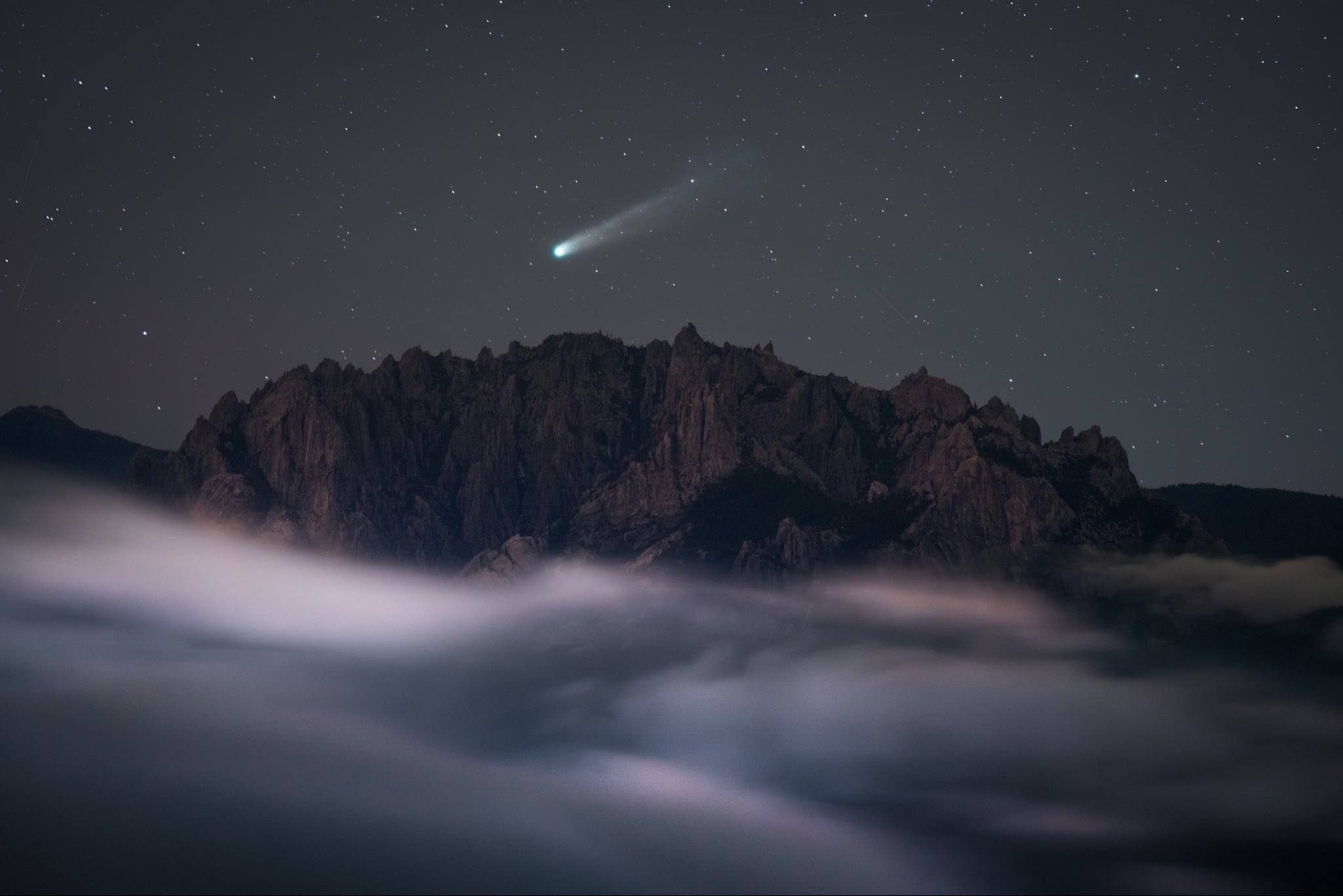
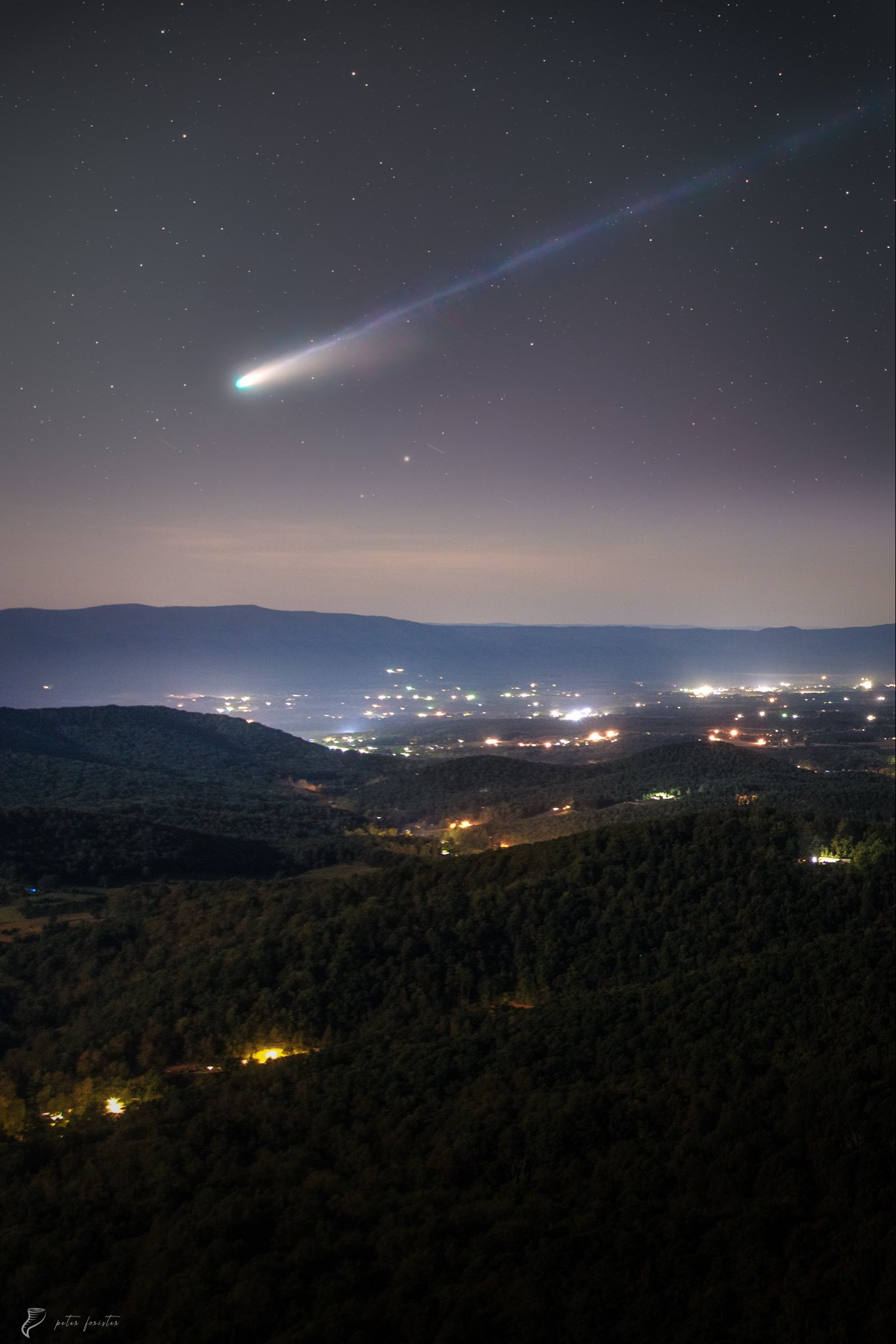
Comet C/2025 A6 (Lemmon) over the Shenandoah Valley, Virginia. Photo taken by astrophotographer Peter Forister.
This photograph of the comet was taken by astrophotographer Chuck Ayoub.
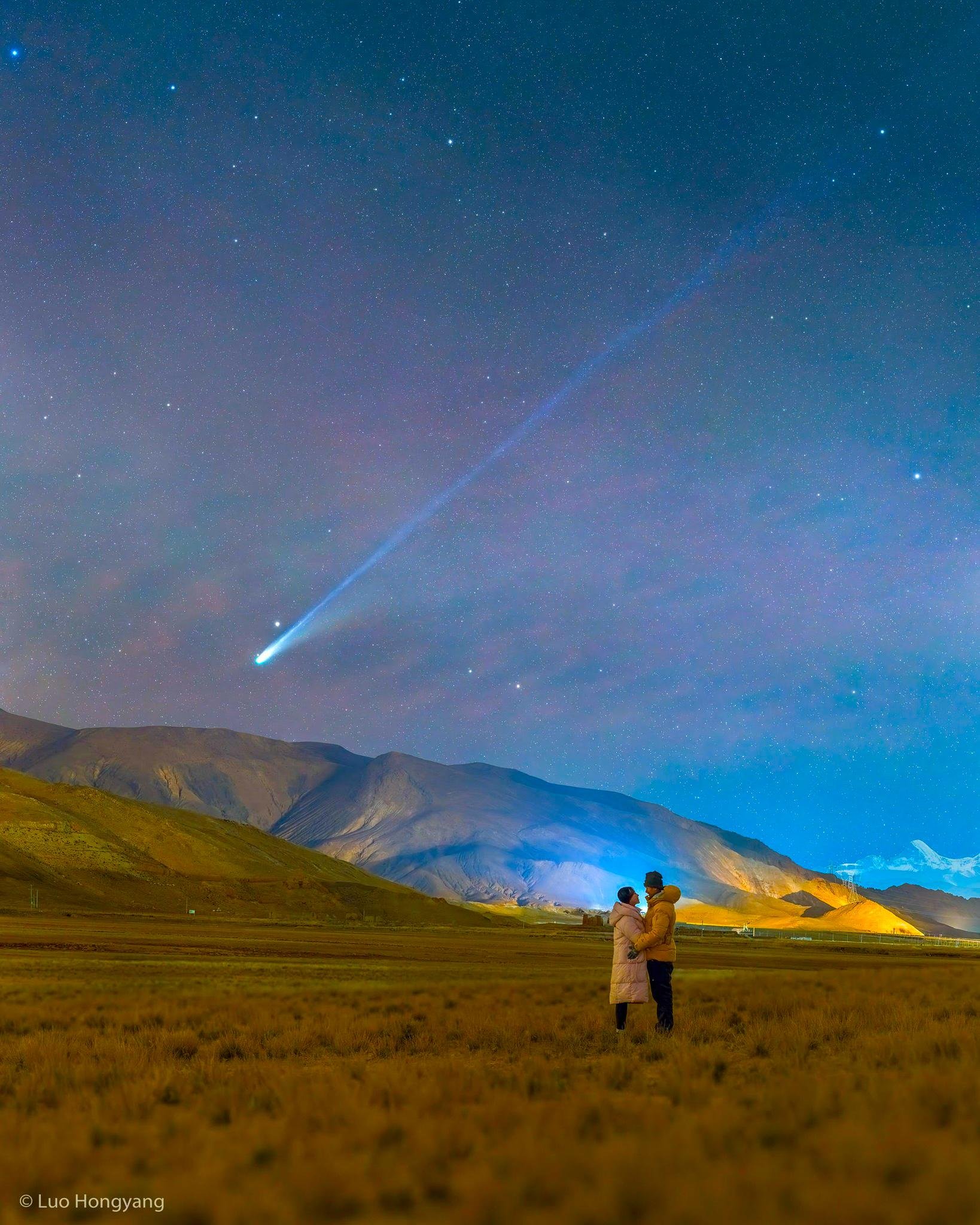
This is what the comet looked like over the Himalayas. The photo was taken by photographer Luo Hongyang.
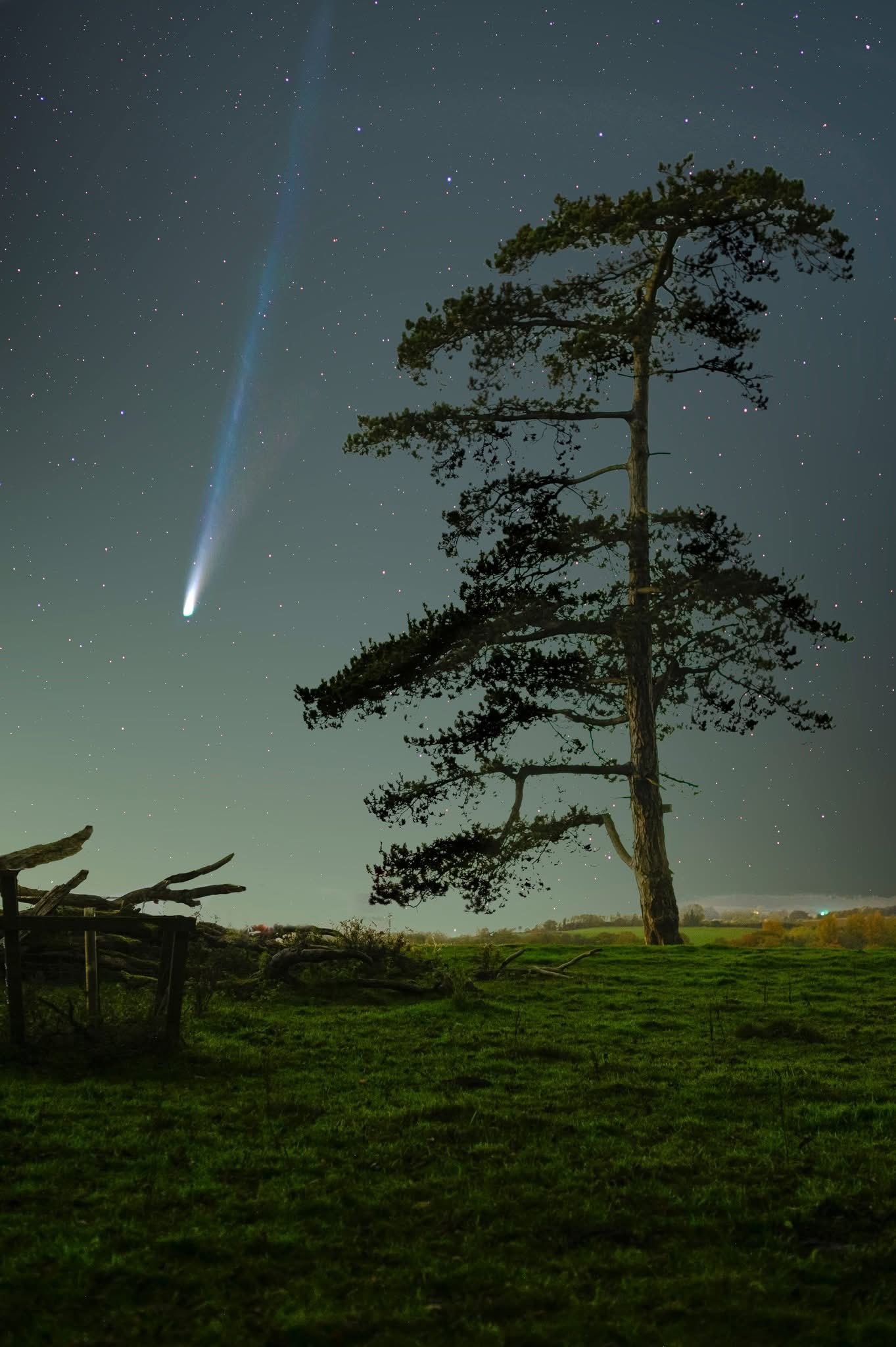
English photographer Steve Fearn captured the comet in the countryside. The photo was taken in Lincolnshire.
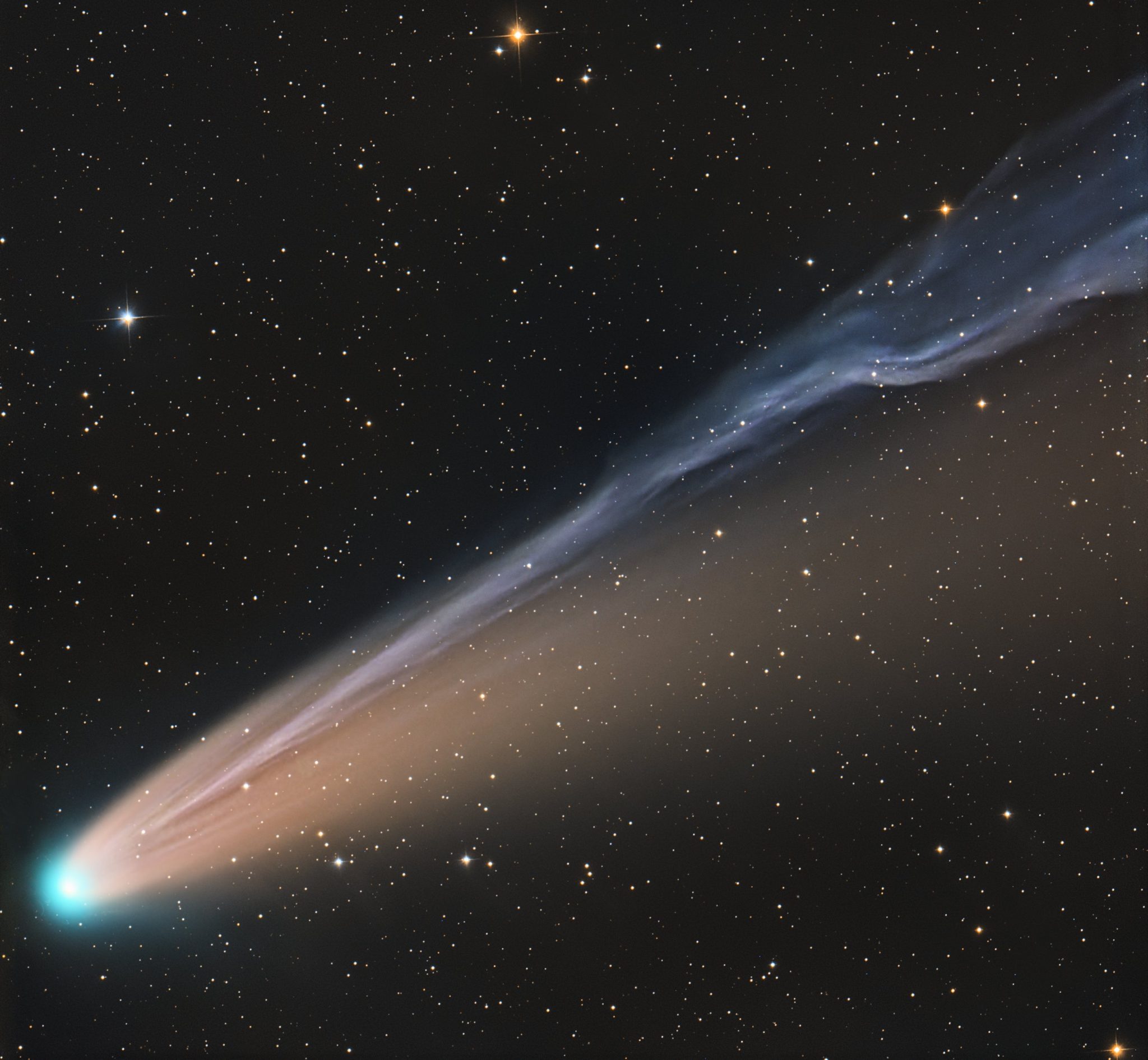
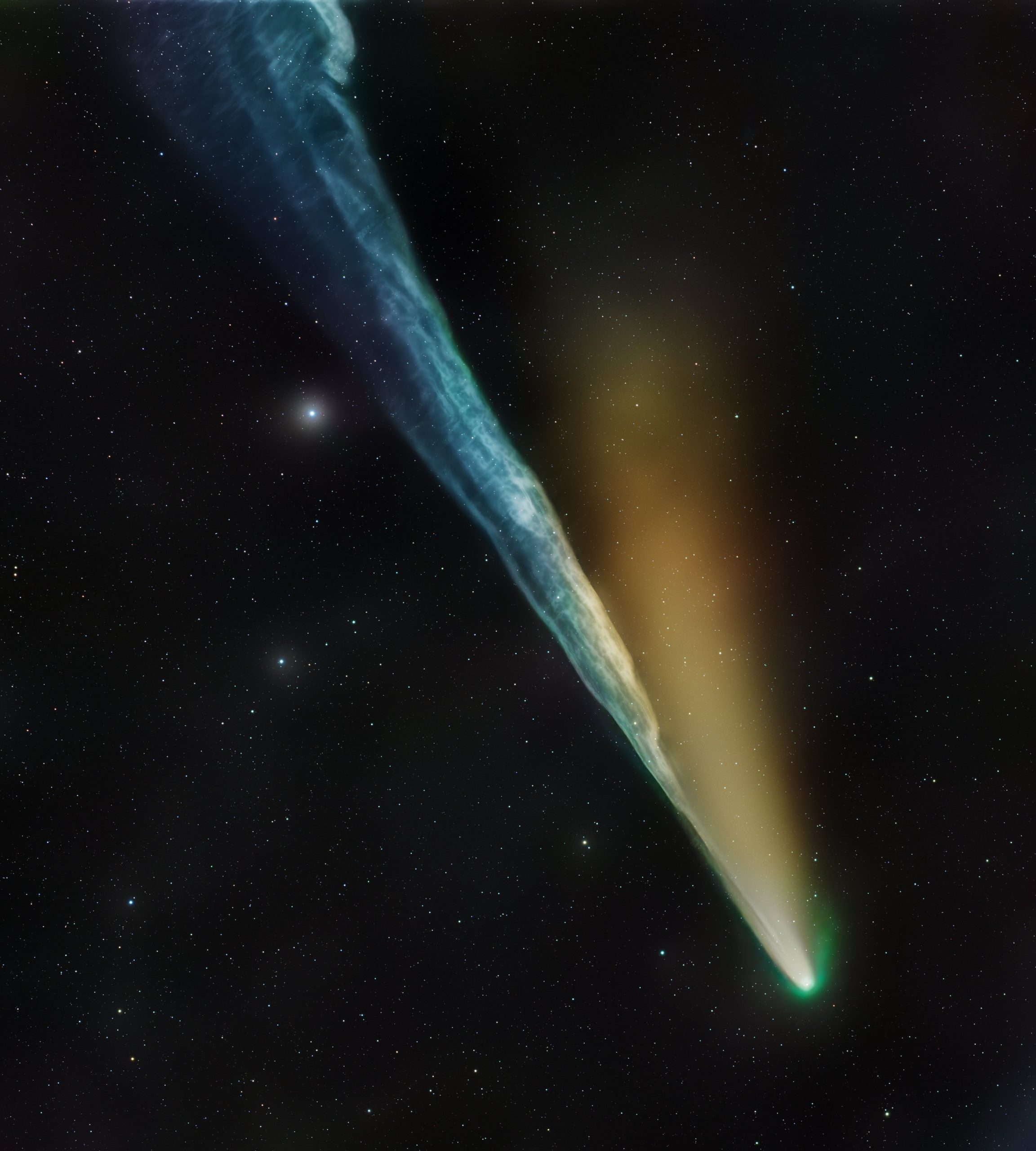
Famous astrophotographer Andrew McCarthy also captured the comet. Taken on October 27, the image shows numerous details of its tail, which is rapidly changing under the influence of solar radiation.
Earlier, we reported on how interstellar comet 3I/ATLAS failed to hide from astronomers.

