

Humanity has long harbored dreams of colonizing neighboring star systems—or, at the very least, establishing permanent bases on the Moon and Mars. However, before designing giant generation spacecraft, scientists must answer a fundamental question: Is our vulnerable species capable of reproducing safely beyond our home planet? Without the ability to reproduce, any extraterrestrial outpost is doomed to rapid decline.
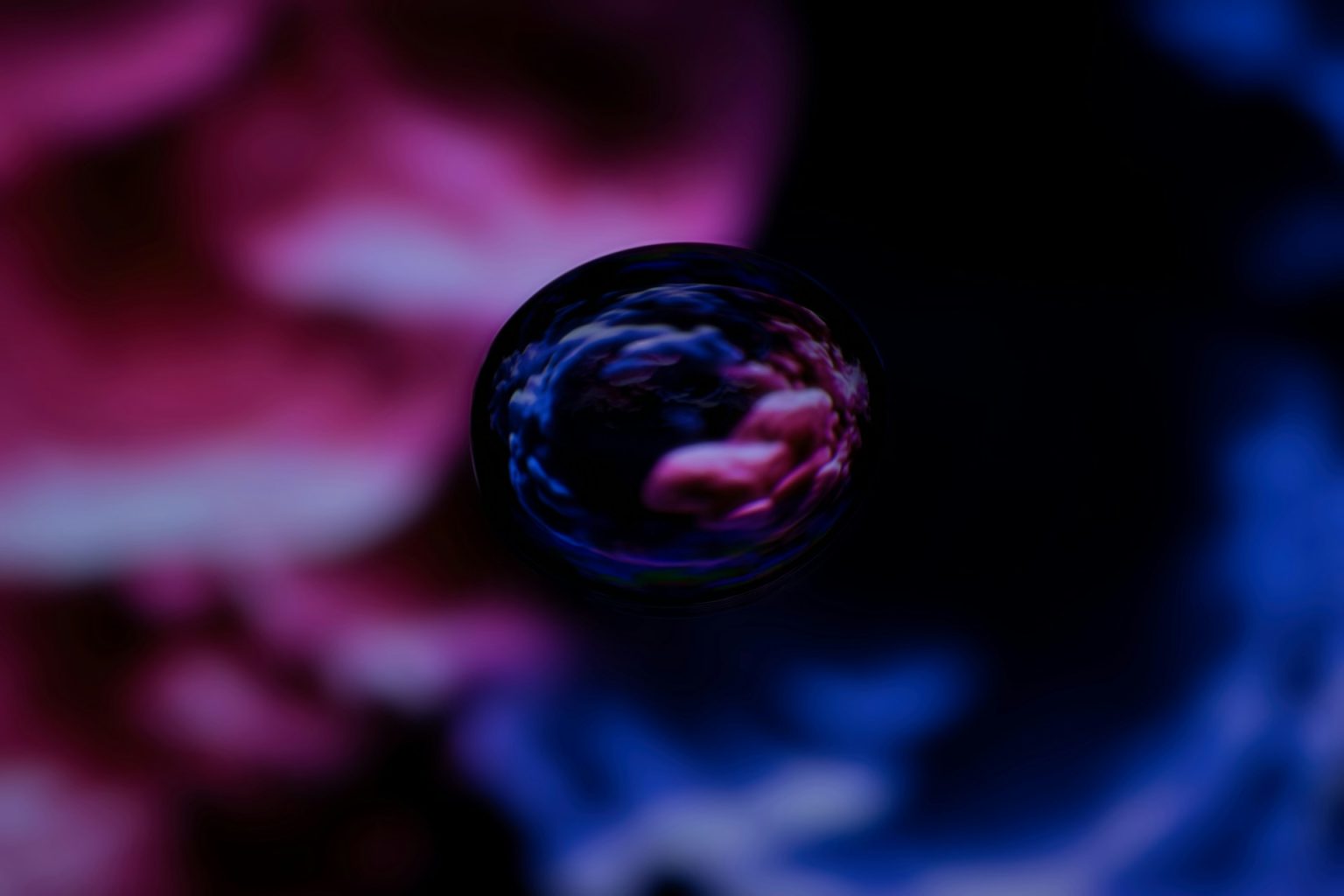
Chinese researchers are attempting to find the answer to this landmark question. A unique experiment began this month: a batch of synthetic human embryos was sent to the Tiangong space station. The main goal is to determine how microgravity affects the critical early stages of human development.
These samples were created from human stem cells. They closely resemble real embryos, but lack the biological capacity to develop into a fully formed fetus. According to Leqian Yu, a leading researcher at the Institute of Zoology of the Chinese Academy of Sciences, these synthetic models are a safe and ethical tool for studying the early stages of human development.
Space threat and the experience of our predecessors
Space is an extremely hostile environment. Even under the reliable protection of a spacecraft’s hull, the human body is exposed to weightlessness, radiation, and high-energy cosmic rays—phenomena from which Earth’s dense atmosphere shields us.
In any case, previous animal experiments give cause for optimism. In 2016, scientists from China successfully grew mouse embryos in space to the blastocyst stage—the point at which the embryo is ready to implant in the uterine wall. In 2023, Japanese scientists replicated this success, finding that under microgravity conditions, embryos reached the blastocyst stage with a probability of about 24%. This is roughly half the rate observed on Earth, but development did occur nonetheless. However, mice are not humans, so the current experiment using synthetic human models demonstrates significant scientific progress.
Details of the Tianzhou-10 mission
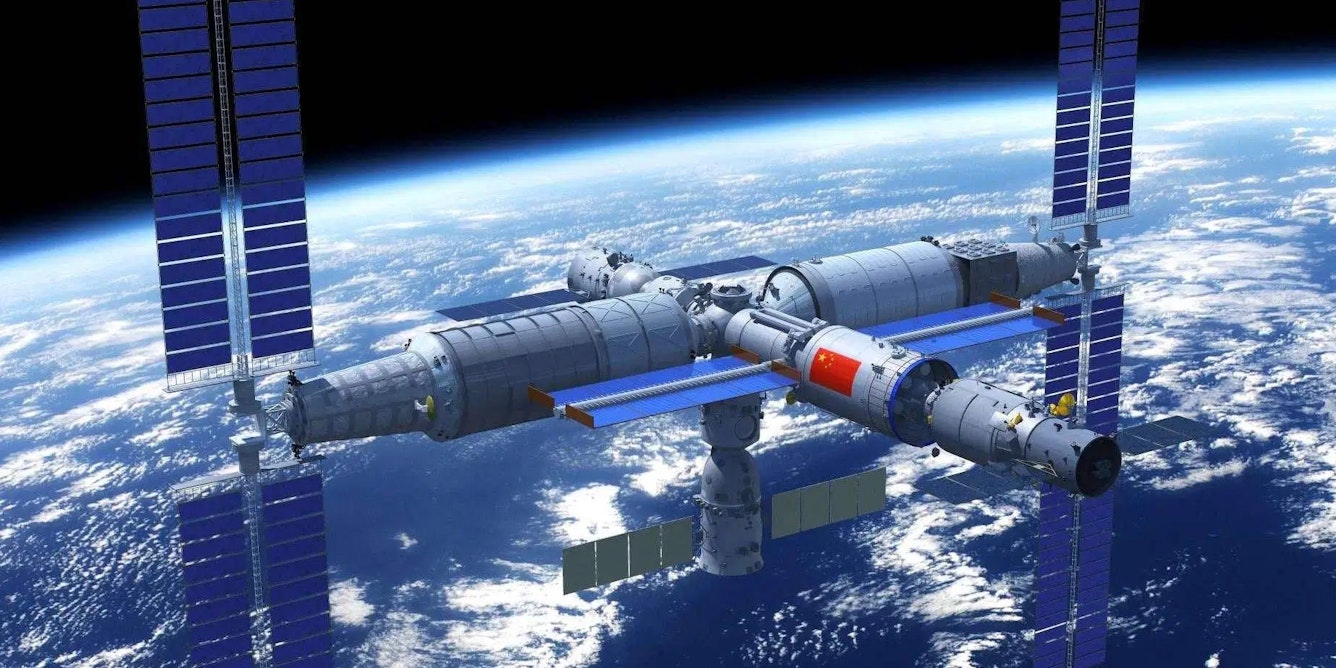
The synthetic embryos arrived in orbit on May 11 aboard the Tianzhou-10 cargo spacecraft and were immediately placed in the station’s experimental module. The samples were divided into two groups, each simulating different stages of development.
- The first group is cultured in cells that mimic the uterus, replicating the implantation process.
- The second group is placed in a special microfluidic chip that replicates the stage at which the foundations for future organs and tissues are laid.
The process is fully automated: an intelligent system automatically refreshes the culture medium for the samples every day, ensuring that the experiment proceeds as planned.
Frozen hopes: what’s next?
The actual results will not be known until they return to Earth, where scientists will conduct a detailed comparison of the space embryos with the control group, which remained on Earth throughout the experiment.
Even if the samples fail this test, it doesn’t spell the end of the idea of reproduction in space. Previous Japanese studies have shown that the use of artificial gravity increases the chances of successful blastocyst development by 5% compared to complete weightlessness. Thus, science has the technological tools to mitigate negative impacts.
This experiment is just the first ambitious attempt to find out whether we can survive and continue our lineage among the stars. And scientists sincerely hope that the answer will be yes.
We previously reported on why NASA strictly prohibits female astronauts from becoming pregnant in space.
According to livescience.com

